Pennsylvania Measles Crisis Deepens as Fourth Death Reported Amidst Nationwide Health Emergency

Pennsylvania health officials confirmed a fourth measles-associated death this week, marking a grim milestone in what has become the most severe outbreak of the highly contagious virus in the United States since 1991. The latest victim, an 18-year-old resident of Mifflin County, succumbed to acute disseminated encephalomyelitis (ADEM), a rare but devastating neurological complication triggered by the measles infection. This fatality underscores the escalating danger of a virus that many public health experts had previously declared eliminated within the United States nearly a quarter-century ago.
The death of the Mifflin County teenager follows a series of tragic losses across the state. On the preceding Saturday, a 40-year-old woman from Jefferson County died due to complications from the virus. These two adult deaths occurred only weeks after the heartbreaking loss of two infants in Lancaster County, both of whom contracted the virus before they were old enough to receive the standard MMR (measles, mumps, and rubella) vaccine. According to the Pennsylvania Department of Health, none of the four individuals had received the vaccine, and in the case of the infants, they fell into the vulnerable category of children ineligible for immunization due to their age.
A Rapidly Expanding Outbreak
The current crisis in Pennsylvania is characterized by its breadth and velocity. State officials report that nearly 700 laboratory-confirmed cases have emerged across 38 counties. Perhaps most concerning to epidemiologists is the trajectory of the spread: approximately 100 new cases have been logged in the last seven days alone. This surge represents the first time in 35 years that Pennsylvania has recorded measles-associated deaths, a stark reversal of decades of successful public health management.
The timeline of the current outbreak has sent shockwaves through regional medical facilities, which are struggling to manage the influx of patients. While the virus was once considered a manageable childhood illness, the lack of community immunity has allowed it to circulate among adolescents and adults who were either unvaccinated or had waning immunity. Public health officials are now working under a state of emergency to trace contacts and encourage vaccination, yet the pace of the virus appears to be outpacing containment efforts in many rural areas.
National Context and the Threat to Elimination Status
Pennsylvania’s struggle is a microcosm of a broader national failure. Across the United States, measles infections have surged, leading to seven reported deaths in the last two years—a figure that exceeds the total number of deaths from the virus over the previous three decades combined. The United States officially achieved measles elimination in 2000, a status defined by the absence of continuous transmission for more than 12 months. Maintaining this status requires a sustained vaccination rate of at least 95 percent of the population.
In recent years, however, vaccination rates have slipped below this critical threshold. The consequences of this decline are now being felt in real-time. International health authorities are scheduled to convene this November to evaluate whether the United States and Mexico have effectively lost their measles-free status. If that designation is revoked, it would be a humiliating and dangerous step backward for American public health, signaling to the global community that the nation is no longer a safe harbor against preventable infectious diseases.
Official Responses and Public Health Messaging
Dr. Debra Bogen, the Pennsylvania Secretary of Health, issued a somber statement on Tuesday regarding the recent fatalities. "My thoughts are with the two families who lost loved ones to this highly contagious virus, as Pennsylvania faces the worst measles outbreak in more than three decades," she said. Dr. Bogen emphasized that the state remains fully committed to working with healthcare partners to "stem this outbreak and prevent more deaths."
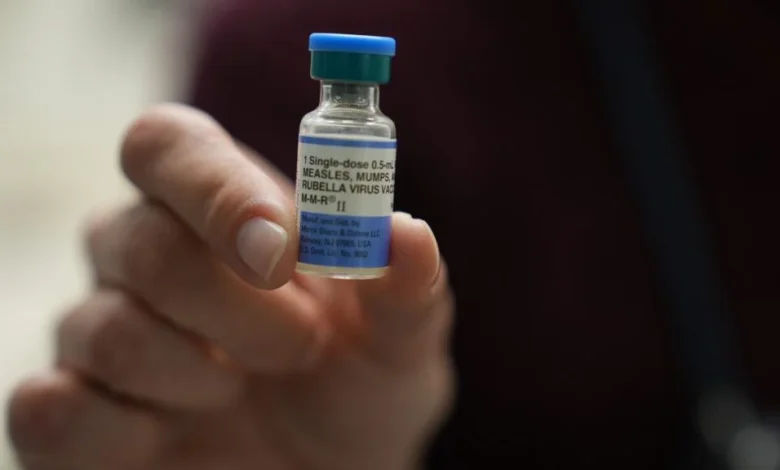
The core of the official strategy remains focused on education and access. Dr. Bogen noted that the MMR vaccine has been the primary tool for keeping measles outbreaks at bay for generations. By ensuring that the public has access to accurate scientific information and the physical means to get vaccinated, officials hope to reverse the current trend. However, the challenge is increasingly complex, as the administration’s messaging has faced significant headwinds.
The Role of Misinformation and Policy Shifts
The resurgence of measles is not merely a clinical issue; it is inextricably linked to a shifting sociopolitical landscape. For years, public health experts have warned about the rising tide of vaccine hesitancy, fueled by parental waivers, limited access to healthcare in rural sectors, and a surge in organized disinformation campaigns.
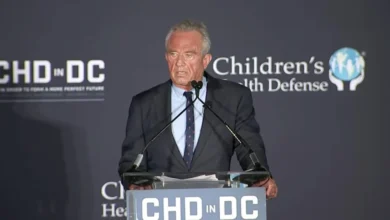
The current environment has been further complicated by shifts in federal policy and rhetoric. Robert F. Kennedy Jr., serving in a prominent role within the current administration’s health apparatus, has consistently questioned the established safety profiles of childhood vaccines, particularly the MMR vaccine. By fostering doubt regarding the clinical consensus on vaccine efficacy and safety, critics argue that such messaging has undermined decades of progress in public health. Furthermore, the redirection of federal funds away from local vaccination programs has hampered the ability of clinics in Pennsylvania and elsewhere to conduct outreach, provide free vaccines, and educate communities about the dangers of measles.
Clinical Implications and Long-Term Risks
The case of the 18-year-old in Mifflin County serves as a grim reminder that measles is not a benign rite of passage. While most patients recover, the virus can lead to severe complications, including pneumonia, encephalitis (inflammation of the brain), and the aforementioned acute disseminated encephalomyelitis. ADEM is a rare immune-mediated condition that causes inflammation and damage to the protective coating of the nerve fibers in the brain and spinal cord, often resulting in permanent neurological impairment or death.
Beyond the immediate mortality risk, measles infection also causes "immune amnesia." When an individual contracts measles, the virus eliminates the memory cells that protect the body from other previously encountered pathogens. This leaves the survivor highly susceptible to a wide range of other infections for months or even years following the initial recovery. The long-term health burden on the nearly 700 individuals currently infected in Pennsylvania remains a significant concern for the state’s medical infrastructure.
The Path Forward: Challenges to Containment
As the state continues to navigate this crisis, the path toward containment is fraught with obstacles. Contact tracing, which was once a standard component of measles management, is becoming increasingly difficult as the virus gains a stronger foothold in rural communities where healthcare resources are already strained. The psychological barrier created by years of anti-vaccine rhetoric is also proving difficult to overcome, as many families remain hesitant to seek the very interventions that could save their children’s lives.
Public health organizations are now pivoting to an intensive, data-driven approach to identify "pockets of susceptibility"—geographic areas where vaccination rates are significantly lower than the 95% threshold. By targeting these regions for intensified outreach and mobile vaccination clinics, officials hope to build a "firewall" around the most active zones of the outbreak.
The situation in Pennsylvania is a litmus test for the American public health system. It raises profound questions about the government’s responsibility to protect the populace from preventable diseases versus the rights of individuals to refuse standard medical interventions. As the death toll rises, the debate over vaccine mandates, school entry requirements, and the role of high-level government officials in disseminating scientific information will likely intensify.
For now, the priority remains clear: providing the necessary medical care to those infected and doing everything possible to prevent further loss of life. With the November international meeting on the horizon, the stakes could not be higher. If the United States loses its measles-free status, it will be the culmination of a slow-moving, multi-year decline in public health infrastructure and a failure to address the proliferation of medical misinformation. The families in Pennsylvania, mourning the loss of their loved ones to a disease that was largely eradicated in their lifetimes, are now the face of a national crisis that demands immediate and evidence-based action.