Weird Al Yankovic Declines Seven-Figure Offer for Riyadh Comedy Festival, Citing Ethical Concerns

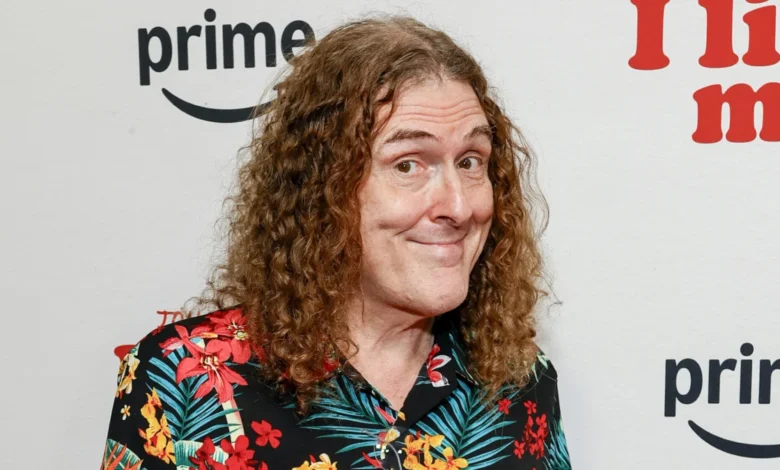
The celebrated parody musician, Weird Al Yankovic, a five-time Grammy winner known for his satirical takes on popular music, has revealed his decision to decline a substantial financial offer to perform at last year’s Riyadh Comedy Festival. The festival, which marked Saudi Arabia’s ambitious foray into the global comedy scene, attracted a constellation of prominent comedians. Yankovic, however, stated that the prospect of accepting payment from Saudi Arabia for his comedic services left him with an uncomfortable feeling, describing the situation as potentially making him "feel icky."
Yankovic’s candid remarks were made in an interview with the Pennsylvania-based Tribune-Review, where he elaborated on the significant sum he was offered. "I was invited to the Riyadh Comedy Festival, which is something that I obviously did not want to do," he told the publication. "They offered me, I’m not going to say how much, but it was seven figures to do one show, which is way more than I’ve ever been offered in my life to do a show." This offer represents a staggering financial incentive, underscoring the considerable investment Saudi Arabia was making to establish itself as a hub for international entertainment.
Despite the immense financial temptation, Yankovic maintained his principled stance. "But I just couldn’t be part of that," he explained. "I’m not dissing anybody that took the money because I’m sure everybody that went there got a lot of money. I’m sure they had their own reasons and justifications for doing it. But I’m doing enough that I don’t need to take any amount of money if it makes me feel icky, and that kind of did." His statement reflects a conscious ethical decision, prioritizing his personal comfort and moral compass over significant financial gain. This perspective adds a layer of moral consideration to the growing debate surrounding artistic engagement with countries facing scrutiny for their human rights records.
This is not the first time Yankovic has publicly discussed turning down lucrative opportunities that presented ethical quandaries. In a previous instance, he revealed declining "a nice pile of money" to appear in an artificial intelligence-generated advertisement. Reflecting on these situations, he quipped, "I wish people would offer me things that I didn’t feel bad about accepting." This sentiment highlights a consistent pattern of ethical consideration in his career choices, even when faced with substantial financial incentives.
The Riyadh Comedy Festival: A Controversial Debut
The Riyadh Comedy Festival, which ran from September 26 to October 9 of the previous year, was a landmark event designed to propel Saudi Arabia onto the international entertainment map. Spearheaded by the Saudi entertainment czar, Turki Al-Sheikh, the festival was part of a broader vision to diversify the Kingdom’s economy away from oil and enhance its global cultural appeal, aligning with the ambitious goals of Saudi Vision 2030. The event was positioned as a showcase of global comedic talent, featuring a lineup that included some of the biggest names in stand-up.
However, the festival’s debut was met with significant controversy, not just for the artists who participated, but also for the broader implications of Saudi Arabia’s increasing engagement with the global entertainment industry. Critics and human rights organizations have long raised concerns about the Kingdom’s human rights record, including its treatment of dissidents, restrictions on freedoms, and its alleged role in the 2018 assassination of journalist Jamal Khashoggi. The festival’s timing and its prominent artists, therefore, drew sharp criticism.
Artists’ Reactions and Ethical Debates
Weird Al Yankovic’s decision to speak out against accepting Saudi money joins a chorus of other comedians who have voiced their reservations or outright condemnation of their peers’ participation. Marc Maron, a veteran comedian, was among those who publicly criticized fellow artists for performing at the festival. In past statements, comedians like Maron and Shane Gillis have pointed to Saudi officials’ alleged involvement in events like the 9/11 terrorist attacks and the murder of Jamal Khashoggi, as well as the human rights abuses attributed to Turki Al-Sheikh, the minister of entertainment and the driving force behind many of Saudi Arabia’s mega-events.
These criticisms highlight a growing tension within the entertainment industry. On one hand, there is the allure of substantial financial compensation and the opportunity to reach new audiences. On the other hand, there is the ethical responsibility of artists to consider the political and human rights implications of their performances, particularly when associated with regimes facing international scrutiny. The debate often centers on whether artistic engagement can serve as a tool for positive change or if it inadvertently legitimizes and whitewashes problematic practices.
The Star-Studded Lineup and Economic Context
Deadline exclusively revealed the initial lineup for the Riyadh Comedy Festival, which boasted an impressive roster of talent. Among the confirmed performers were Kevin Hart, Louis C.K., Dave Chappelle, Bill Burr, Whitney Cummings, Pete Davidson, Hannibal Buress, Jack Whitehall, Zarna Garg, Gabriel Iglesias, Jim Jefferies, Jo Koy, Bobby Lee, Jeff Ross, Andrew Santino, Tom Segura, and Chris Tucker, among others. The sheer caliber of these artists underscores the festival’s ambition and the significant financial resources allocated to its success.
The reported seven-figure offer to Yankovic, while substantial, is indicative of the substantial sums likely offered to many of the other headliners. Saudi Arabia, driven by its Vision 2030 initiative, has been investing heavily in entertainment and tourism as part of a strategic effort to diversify its economy and attract foreign investment and talent. This includes hosting major sporting events, concerts, and now, large-scale comedy festivals. The kingdom’s sovereign wealth fund, the Public Investment Fund (PIF), has been a key financial engine behind these initiatives, deploying billions of dollars across various sectors.
Broader Implications and Future Considerations
Yankovic’s principled stand, alongside the criticisms from other comedians, contributes to a broader conversation about the intersection of art, commerce, and human rights. For artists, the decision to accept engagement from countries with questionable human rights records often involves a complex calculus of personal ethics, career advancement, and the potential impact of their participation.
The implications of such decisions extend beyond the individual artist. When prominent figures lend their platforms to events in countries facing international criticism, it can be perceived as tacit endorsement, potentially influencing public perception and international discourse. Conversely, artists who decline such opportunities can draw attention to the issues at hand and encourage greater scrutiny of the entities involved.
The Riyadh Comedy Festival, despite its star-studded lineup and significant financial backing, remains a symbol of the ongoing debate. As Saudi Arabia continues to invest in its entertainment sector, the ethical considerations for artists and the global community will undoubtedly remain a critical point of discussion. Weird Al Yankovic’s decision, though personal, resonates within this larger context, highlighting the enduring power of individual conscience in the face of overwhelming financial incentives. His refusal serves as a reminder that for some, artistic integrity and the ability to sleep soundly at night are worth more than any seven-figure sum. The industry will likely continue to grapple with these ethical dilemmas as more nations seek to leverage entertainment for soft power and economic diversification. The scrutiny applied to such endeavors is expected to intensify, pushing artists and organizers alike to navigate an increasingly complex ethical landscape.