Carrie Ann Inaba Addresses Dancing With The Stars Lift Controversy and Proposes New Governance for Future Seasons

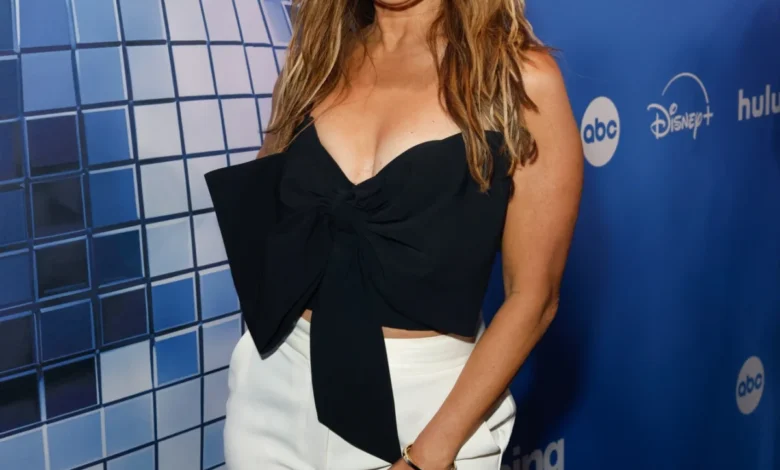
The long-running ballroom competition series Dancing With the Stars has found itself embroiled in a period of intense public scrutiny following a series of incidents involving judge Carrie Ann Inaba and professional dancer Jenna Johnson. The tension, which initially stemmed from a technical critique regarding illegal lifts during the October 13 Super Bowl-themed episode, has since evolved into a wider conversation about the standards, practices, and professional conduct expectations within the high-pressure environment of the ABC and Disney+ hit.
As the production navigates the fallout, Inaba has stepped forward to clarify the nature of her professional relationship with Johnson, emphasizing that the two have engaged in direct dialogue to resolve the friction. Simultaneously, she has proposed a collaborative initiative to reform how technical rules—specifically those regarding lifts and assists—are interpreted and enforced in future iterations of the program.
A Chronology of the Conflict
The friction began during the October 13 broadcast, an evening dedicated to celebrating Super Bowl-themed performances. Inaba, acting in her capacity as a lead judge, issued a critique of a performance delivered by Jenna Johnson and her celebrity partner, Harry Shum Jr. Specifically, Inaba identified an "illegal lift" within their samba routine. Under the established rules of the competition, certain styles of dance are strictly prohibited from incorporating lifts, or are limited to specific types of "assists."
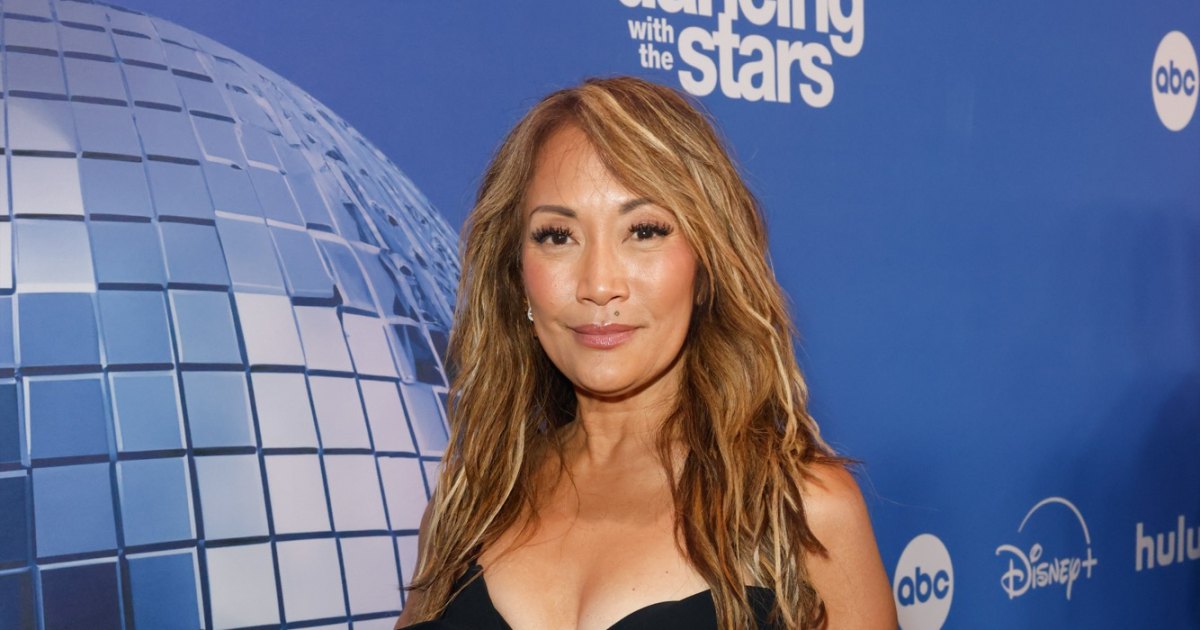
Following the broadcast, Johnson expressed audible surprise at the deduction, acknowledging the judge’s authority while subtly indicating a disconnect regarding the technical interpretation of the choreography. The discourse surrounding the critique moved rapidly from the ballroom to social media, where the situation was compounded by the involvement of Val Chmerkovskiy, Johnson’s husband and a veteran professional on the show.
Chmerkovskiy’s public response was particularly volatile. In a social media post that was subsequently deleted, the dancer made a reference to the 2022 Academy Awards incident involving Will Smith and Chris Rock, suggesting he had felt an impulse to confront Inaba in a similar, physically aggressive manner. This comment drew immediate backlash from viewers and industry observers, leading to a temporary suspension of Chmerkovskiy from the following week’s episode, "Dedication Night," which aired on October 20. During that episode, Jenna Dewan performed with Alan Bersten as her partner, while Chmerkovskiy remained sidelined.
The Path Toward Reconciliation
In an effort to quell the escalating narrative, Inaba provided a detailed statement via the comments section of her official Instagram account. She clarified that her silence regarding the matter during the week of the controversy was not an admission of wrongdoing, but rather a adherence to the "professional courtesy" expected of judges toward active competitors.
"I have not spoken about what happened because of professional courtesy for those who are still competing, and we actually have standards and practices that keep us separated," Inaba wrote. "It is important for everyone to know that Jenna and I hugged it out after the Super Bowl show. Jenna was an absolute professional about it, and two women worked through the moment."

Inaba further clarified that upon learning Johnson felt personally aggrieved by the public critique, she extended an offer for a private discussion. This outreach underscores a desire to decouple the technical critique of the dance from the personal professional relationship between judge and dancer.
Chmerkovskiy has also moved to repair his professional standing. Shortly after his temporary benching, he issued a formal, public apology. "I want to apologize from the bottom of my heart for my recent post," Chmerkovskiy stated in an Instagram Story. "I have reached out to Carrie Ann to apologize directly and personally and I also want to apologize publicly… I recognize that I am in a fortunate position to have a platform and to be a role model to some, and I need to treat that with more care."
The Evolution of Ballroom Standards
At the heart of the dispute is a fundamental question regarding the consistency of judging in an evolving medium. Dancing With the Stars has seen significant shifts in its production style, cast demographics, and audience engagement strategies since its inception in 2005. Inaba, who has been a staple of the judging panel since the show’s debut, acknowledges that the "lift rule"—a legacy of original head judge Len Goodman—is often a point of contention due to the complex, modern choreography that current professionals bring to the floor.
Inaba has now proposed a formal, collaborative approach to update these regulations for Season 36 and beyond. Her proposal includes a mandatory workshop session involving the entire cast of professional dancers and the panel of judges. The goal of this proposed summit is twofold: to preserve the historical integrity of the ballroom styles as defined by the late Len Goodman and previous producers, and to ensure that current competitors, judges, and viewers share a uniform understanding of the rules regarding "assists" versus "lifts."

"The show has evolved tremendously, the way the show is cast has also changed, and so has our audience and the way they consume the show," Inaba explained. "So, working together to create a better understanding between the dancers and the judges and our audience is important to me, as we move forward."
Industry Implications and Professional Conduct
The incident serves as a case study in the challenges of managing a long-running reality competition. When professional dancers, who are often independent contractors or long-term staff with significant personal followings, feel that their creative output is being unfairly penalized, the line between constructive criticism and personal animosity can blur.
From a production standpoint, the swift intervention by the show’s leadership—evidenced by the suspension of Chmerkovskiy—reflects a broader trend in reality television where networks are increasingly sensitive to the optics of host-contestant dynamics. By removing the contestant from the following week’s show, the producers sent a clear message that threats of physical violence, even in a metaphorical or hyperbolic context, are incompatible with the "family-friendly" image of the franchise.
Furthermore, the involvement of other professionals, such as Sharna Burgess, who has publicly shared content clarifying the technical distinctions between dance movements, suggests a collective effort among the pro dancers to demystify the scoring process. By providing transparency, the show hopes to mitigate future "judgment fatigue," where fans feel that technical deductions detract from the entertainment value of the performances.

Looking Ahead
As the competition moves toward its conclusion, the focus is shifting back to the dancers’ technical execution and the judges’ scoring. While the "lift drama" provided an intense interlude for the show’s dedicated fanbase, the long-term impact will likely be seen in the structural changes Inaba has proposed.
If implemented, a formalized rule-setting summit could significantly reduce the number of disputes occurring on live television. By fostering an environment where dancers understand the "why" behind the rules—namely safety and the preservation of traditional dance forms—the competition may find a more sustainable path forward.
For now, the show continues its regular schedule, with participants and judges alike seemingly eager to return to the focus of the series: the artistry of dance. The resolution of this incident marks a pivot point for the production, highlighting that as the show continues to evolve, the necessity for clear communication between those who perform and those who judge has never been more critical to the success of the format. With the competition set to continue its run on ABC and Disney+, the industry will be watching to see if this proposed collaboration results in a more cohesive and transparent scoring environment for the remainder of the season.
Related posts: