In the contemporary landscape of American parenting, the definition of "inappropriate language" has undergone a significant transformation, shifting from a focus on Victorian-era etiquette to a modern emphasis on social harm and inclusivity. For decades, the boundaries of acceptable speech for children were clearly defined by religious standards and social class markers. However, as the first generation of "digitally native" parents begins to raise school-aged children, the distinction between "vulgarity" and "harmful speech" has become a central point of debate in households across the country.
The evolution of these linguistic boundaries often begins with the intergenerational transmission of values. Historically, parental discipline regarding language was rooted in "politeness"—a set of rules designed to signal upbringing and social status. This is exemplified by the rejection of slang terms such as "kids" in favor of "children," or the classification of medicalized terms like "mucus" as superior to colloquialisms like "snot." Yet, as social norms fluctuate, many parents find themselves caught between the strict "vulgarity" filters of their own upbringing and a desire to foster a more authentic, principle-based environment for their children.
The Shift from Etiquette to Ethics
The modern parental approach to language is increasingly categorized by a distinction between "taboo" words (profanity) and "harmful" words (slurs or language rooted in prejudice). Research into linguistic trends suggests that while parents are becoming more permissive regarding traditional swear words, they are simultaneously becoming more vigilant regarding language that perpetuates ableism, racism, or sexism.
In many modern households, words like "dumb," "crazy," or "lame" are being phased out. These terms, once considered harmless playground staples, are now recognized by linguists and psychologists as ableist language that can marginalize individuals with cognitive or physical disabilities. This shift represents a move toward "conscious parenting," where the goal is not to prevent a child from sounding "unrefined," but to prevent them from inflicting psychological harm on others.
However, this transition is not without its complexities. Parents often struggle to explain the nuance of why certain words are prohibited while others are tolerated. For instance, the popularity of cultural phenomena like the musical Hamilton introduces children to mature language within an artistic context. This creates a pedagogical challenge: explaining to a six-year-old why a character on stage can use a specific epithet, but the child cannot use that same word on the playground.
Developmental Milestones and Linguistic Exploration
The struggle over "bad language" typically intensifies as children reach the age of six or seven, a period marked by the transition to formal elementary education. At this developmental stage, children experience a significant expansion in their social circles, exposing them to "big-kid words" and peer-driven slang.
According to child development experts, children at this age often use "shock words" to test boundaries and assert independence. The use of profanity or "gross" language (such as "puke" or "snot") is frequently a tool for social bonding or a method of gauging parental reactions. Psychologists note that when a parent reacts with visible distress or "wounded" feelings—a phenomenon sometimes referred to as the activation of a "paternal gene" for fussiness—it can inadvertently reinforce the child’s desire to use the word as a means of seeking attention or exercising power.
Data from educational advocacy groups suggests that the "First Grade Milestone" is a critical period for linguistic socialization. As children encounter diverse family backgrounds, they realize that the "policies" on language vary wildly from one home to another. A word that is strictly forbidden in one household may be a common adjective in another, leading to social friction and the need for schools to implement standardized "code of conduct" policies.
Institutional Responses and Educational Policies
School districts across the United States have had to adapt their disciplinary codes to reflect changing social attitudes toward language. While the "Zero Tolerance" policies of the 1990s often resulted in immediate suspension for profanity, modern educational approaches favor "restorative justice" and linguistic education.
Many elementary schools now distinguish between "playground language" and "classroom language." This "code-switching" is a vital social skill that educators attempt to instill early on. Rather than labeling a word as "bad," teachers are increasingly taught to describe language as "unexpected" or "not helpful for the environment."
However, the rise of digital media has complicated institutional control. With the proliferation of platforms like TikTok and YouTube, children are exposed to unfiltered adult language far earlier than previous generations. A 2023 study on media consumption found that children between the ages of five and eight are frequently exposed to "mild profanity" through social media algorithms, making the parental task of "filtering" nearly impossible.
Chronology of Linguistic Taboos in Media and Society
To understand the current state of "bad language" policies, it is helpful to look at the timeline of how public standards have shifted over the last thirty years:
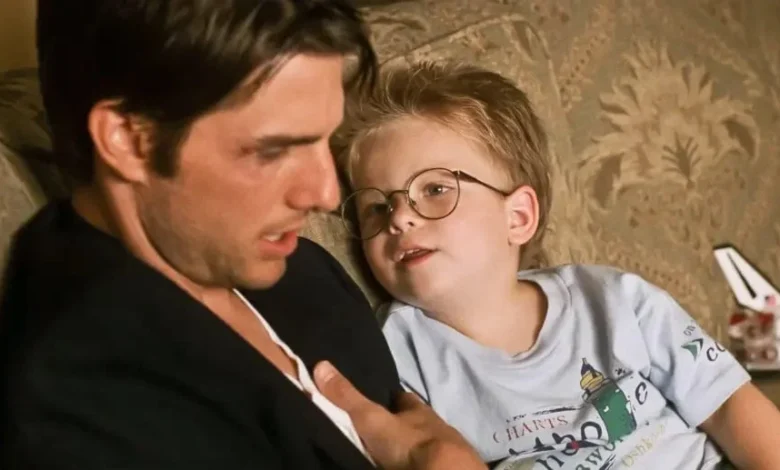
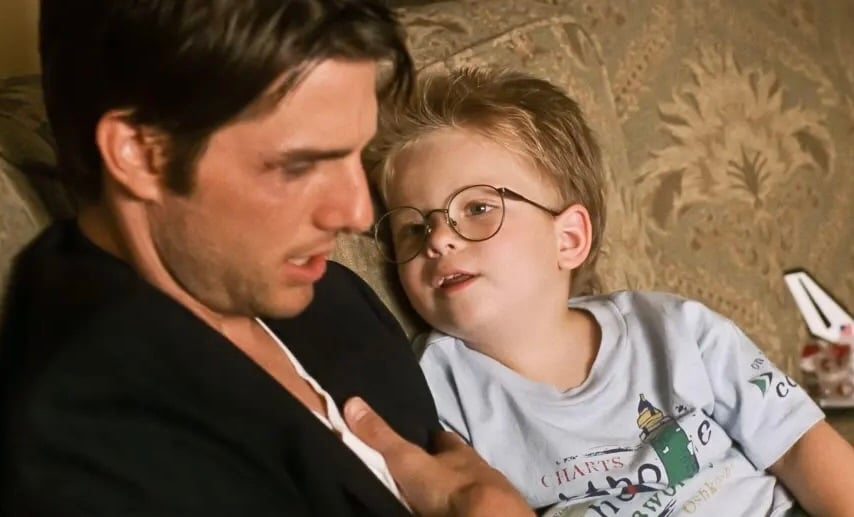
- 1996: The film Jerry Maguire features a prominent scene of a child using profanity, sparking national conversations about the "normalization" of swearing in youth culture.
- Early 2000s: The rise of cable television and less regulated "prestige drama" begins to blur the lines between adult and family-friendly language.
- 2010-2015: Social justice movements bring ableist and exclusionary language to the forefront of the public consciousness, leading to the "retirement" of various slurs in common parlance.
- 2015-Present: The "Hamilton Era" sees a mainstreaming of historical and hip-hop-influenced language that includes profanity, often consumed by families together, further complicating the "policy" of what is appropriate for children.
Analyzing the "Fussiness" Factor
Despite the move toward principle-based language, many parents admit to a lingering "fussiness" inherited from previous generations. This involves a visceral, often illogical, distaste for certain words that are neither hateful nor harmful, but simply "crude."
The rejection of the word "snot" in favor of "mucus," or the correction of "Oh my God" to "Oh my gosh," represents a vestigial form of linguistic policing. Sociologists argue that these preferences are often tied to an internal desire for order and respectability. When a parent insists on "Alexander Hamilton’s age" as the appropriate time for swearing, they are not necessarily defending a moral principle, but rather attempting to preserve a period of "childhood innocence" that is increasingly threatened by external influences like the internet and older peers.
Broader Implications for Future Generations
The long-term impact of these shifting language policies remains a subject of academic interest. Some linguists argue that by focusing on "harm" over "vulgarity," we are raising a generation that is more empathetic and socially aware. If a child understands that calling someone "crazy" is dismissive of mental health struggles, they may develop a more nuanced understanding of human psychology.
Conversely, some critics worry that the "sanitization" of language leads to a "linguistic fragility," where children are ill-equipped to handle the coarse realities of adult communication. However, the prevailing trend in modern pedagogy suggests that teaching children the why behind language restrictions is far more effective than the because I said so approach of the past.
As children prepare for the "real school" environment—complete with homework, social hierarchies, and the inevitable "lice and big-kid words"—parents are forced to finalize their strategies. Whether a household adopts a "zero-tolerance" profanity policy or a "no-harm" ethical framework, the goal remains the same: navigating the transition from the private language of the home to the public language of the world.
The ongoing debate on "bad language" is ultimately not about the words themselves, but about the values parents wish to instill. As one generation ruffles the feathers of the next, the cycle of linguistic evolution continues, moving further away from the "Country of Vulgaria" and toward a more conscious, albeit complicated, form of communication.
Related posts: