Long viewed as genetic noise, selfish parasites, or viral debris, transposable elements—commonly known as transposons or "jumping genes"—are undergoing a radical rehabilitation in the scientific community. Comprising roughly half of the human genome and vast percentages of DNA across the tree of life, these mobile genetic sequences are no longer dismissed as evolutionary ballast. Instead, modern geneticists increasingly recognize them as vital engines of evolutionary innovation, foundational architects of gene regulation, and deep-seated coevolutionary partners that have quietly steered the development of complex life.
The Paradigm Shift: From Fixed Blueprints to Dynamic Genomes
For decades, classical genetics operated under the assumption of a relatively stable genome. While DNA underwent recombination during sexual reproduction and accrued occasional point mutations, the overarching architecture was viewed as a fixed instruction manual passed faithfully from ancestors to descendants.
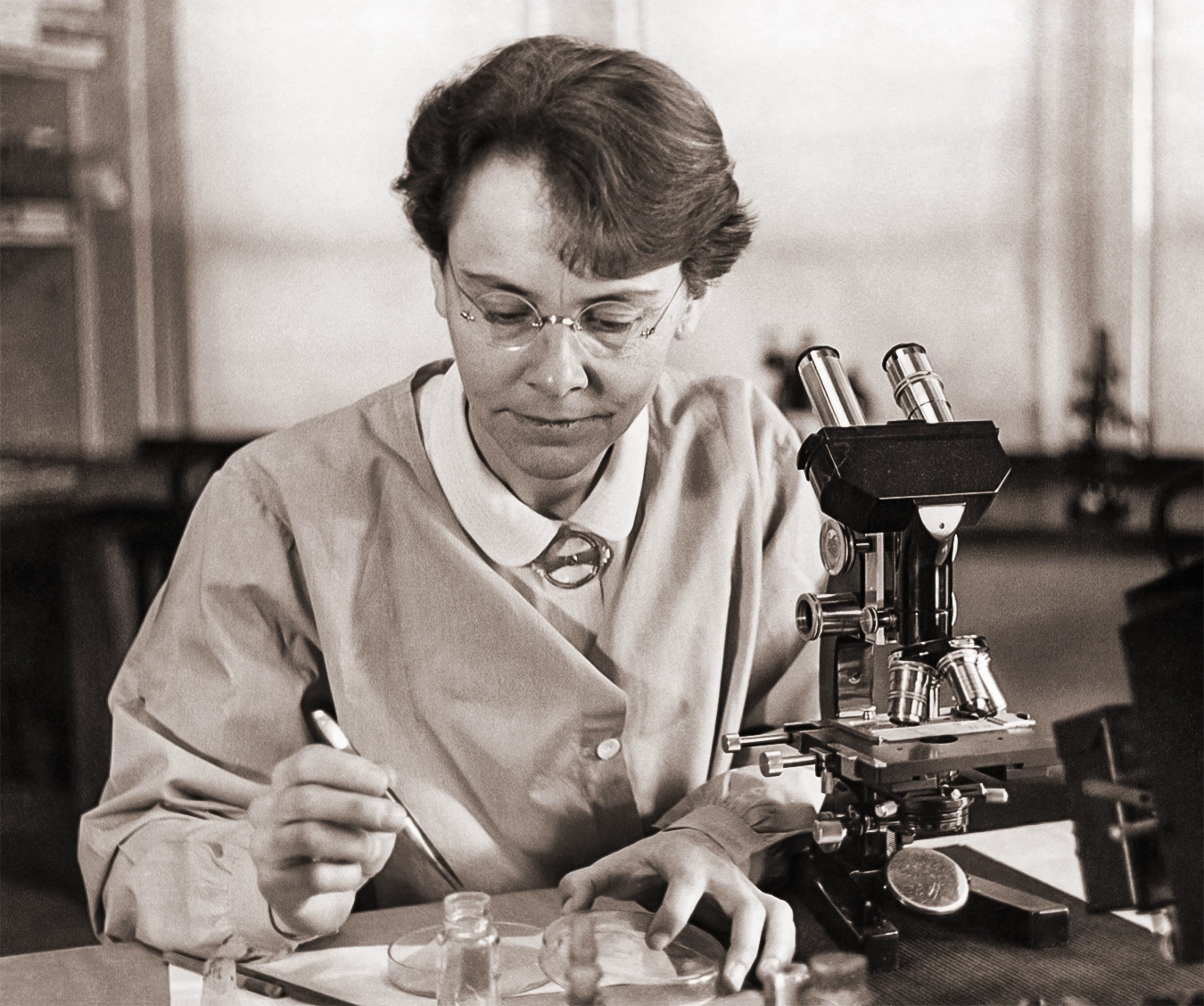
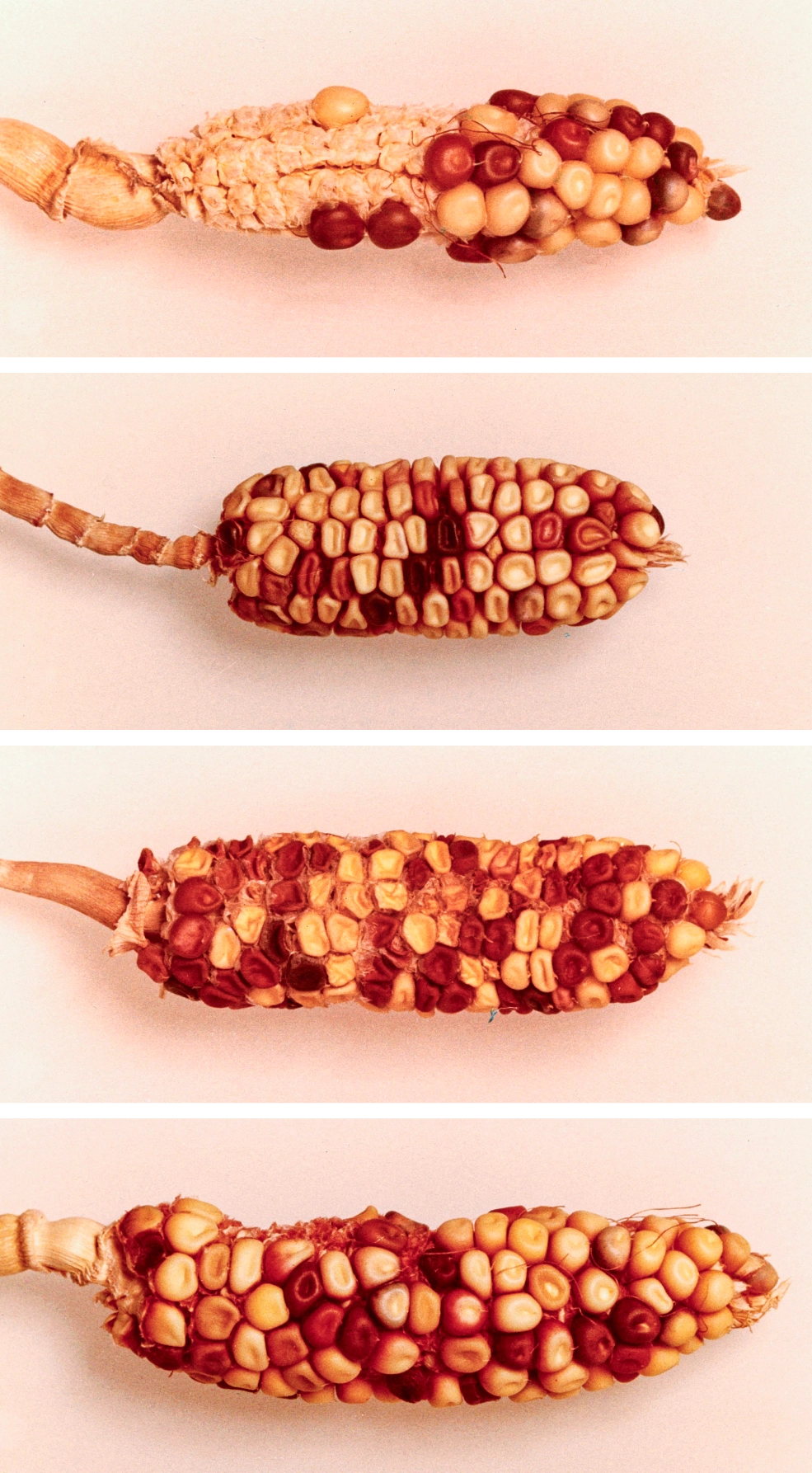
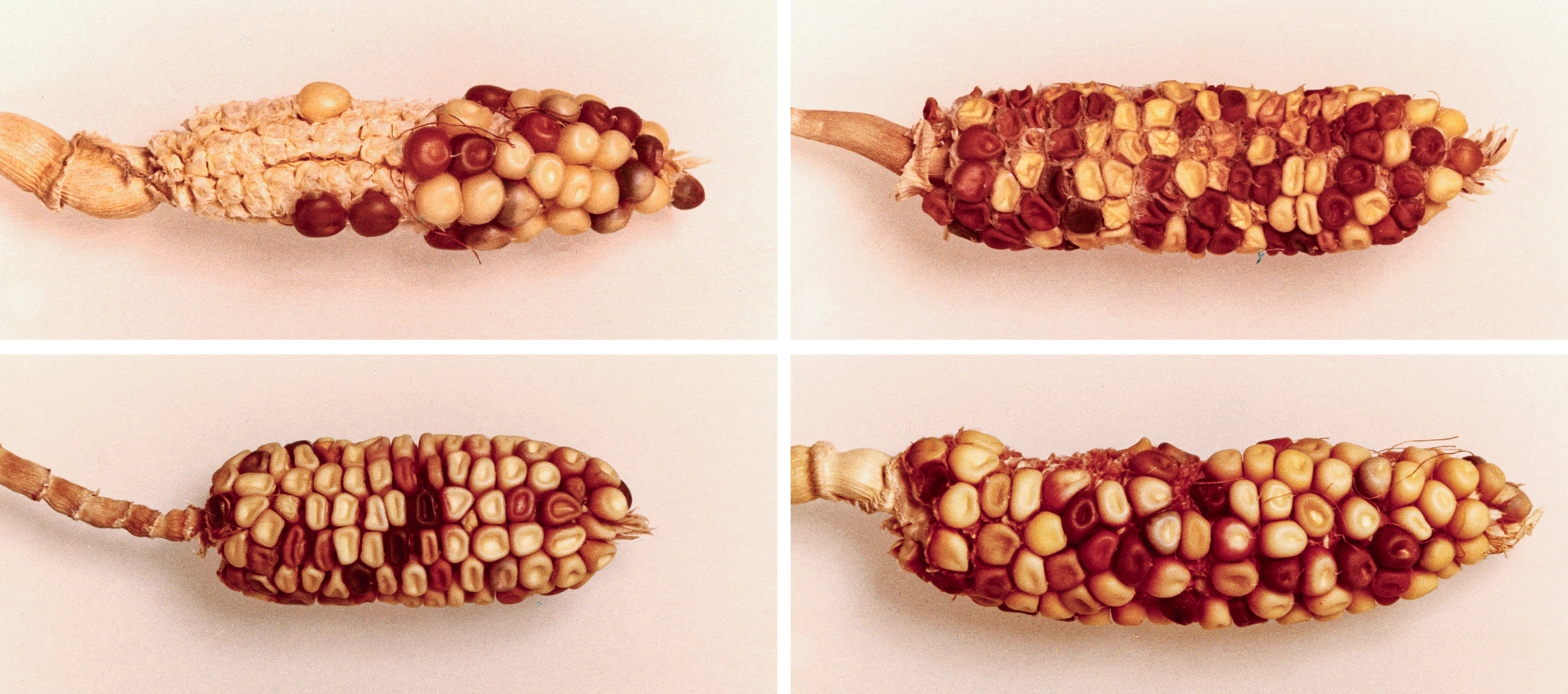
This tidy narrative began to fracture over eighty years ago, thanks to the pioneering and initially sidelined work of geneticist Barbara McClintock. Working at the Cold Spring Harbor Laboratory in New York during the 1940s, McClintock studied color variations in corn kernels. While examining strains characterized by speckled purple and yellow patterns rather than solid hues, she identified genetic elements capable of excising themselves from one chromosomal location and inserting themselves into another.

These mobile sequences could disrupt pigmentation genes by landing directly inside them, creating yellow cells, or restore function by jumping back out, creating purple spots. McClintock termed these sequences "controlling elements." Her revolutionary findings—initially met with profound skepticism by the scientific establishment—proved that genes are not permanently anchored in place. More than three decades later, this monumental discovery earned McClintock the 1983 Nobel Prize in Physiology or Medicine.
Taxonomy of Movement: DNA Transposons and Retrotransposons
Subsequent decades of research across diverse organisms have mapped a complex taxonomy of transposons, broadly categorized into two major classes based on their mobilization mechanics.
The first group, DNA transposons, operate via a "cut-and-paste" mechanism. Specialized enzymes known as transposases bind to the terminal ends of these DNA sequences, excising the fragment from its chromosomal home. The liberated DNA segment then relocates to a new site within the genome, where endogenous DNA repair pathways integrate it into the sequence.
The second group, retrotransposons, utilize a "copy-and-paste" strategy that enables rapid genomic expansion. Rather than cutting themselves out, retrotransposons are transcribed into RNA intermediates. These flexible RNA molecules are subsequently reverse-transcribed back into DNA and inserted into novel genomic locations. Because this process generates additional copies rather than relocating a single segment, retrotransposons have proliferated extensively over evolutionary time. In humans, retrotransposons account for nearly half of the total genomic landscape.
Strikingly, many retrotransposons bear close evolutionary relationships to viruses, particularly retroviruses. These infectious agents insert DNA copies of their genetic material into host cells, hijacking cellular machinery to replicate. When retroviruses fail to kill their hosts, their genetic remnants can become permanently embedded in the germline. Over millions of years, these viral fossils accumulate; in humans, endogenous retroviruses and related elements constitute approximately 8% of the genome, underscoring a profound biological reality: human DNA is, in significant part, viral in origin.
Horizontal Transfer: Defying Species Boundaries
The mobility that allows transposons to navigate within a single genome also predisposes them to cross species barriers. By hitchhiking alongside viral infections or utilizing other vectors, transposable elements can engage in horizontal gene transfer, leaping between entirely unrelated organisms.
According to Dr. Cedric Feschotte, a geneticist at Cornell University, virtually all major transposon categories demonstrate the capacity for interspecies transfer. Once considered a rare biological anomaly, horizontal transfer has now been documented in thousands of instances across fungal pathogens, reptiles, mammals, and fish. A landmark 2020 genomic study cataloged nearly 1,000 independent horizontal transfer events across 307 vertebrate genomes, revealing that interspecies genetic transit is a pervasive, ongoing evolutionary phenomenon.
Invasive Adaptation and Rapid Evolution
For many years, evolutionary theory held that phenotypic adaptation requires vast spans of geological time, driven by the slow accumulation of minor mutations. However, the discovery of transposon-driven adaptations has fundamentally challenged this gradualist paradigm.
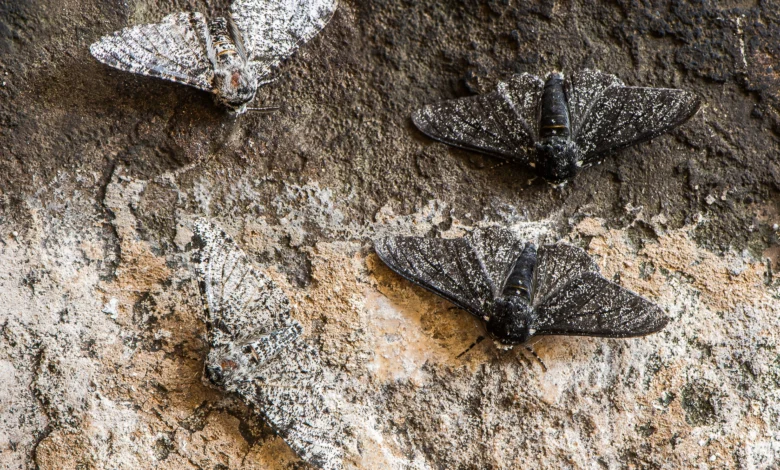
A classic textbook illustration of natural selection is the evolution of the peppered moth (Biston betularia) in industrial-era England. Prior to the Industrial Revolution, pale, speckled white moths predominated, camouflaged against light-colored tree bark. As coal smoke darkened the forests, however, black morphs rapidly became dominant because predatory birds easily spotted their pale counterparts against soot-stained trees.
While the ecological pressures driving this shift were well-documented, the underlying genetic mechanism remained elusive until 2016. Genomic sequencing of hundreds of peppered moths revealed a consistent genetic difference within the cortex gene, which regulates wing development. Nearly all dark-winged moths harbored a transposon insertion near the beginning of this gene—an insertion completely absent in white-winged populations.
Genetic analyses estimate that this transposition event occurred around 1819, coinciding precisely with the onset of intense industrial pollution. As Dr. Pierre Baduel of the French National Center for Scientific Research (CNRS) in Paris notes, this discovery fundamentally alters our understanding of rapid adaptation. Rather than waiting millennia for incremental point mutations, a single transposition event instantly generated a novel trait that natural selection immediately favored.
This mechanism is not an isolated evolutionary quirk. Transposable elements have been repeatedly co-opted to drive major vertebrate innovations. Research indicates that transposon insertions played a pivotal role in the evolution of animal visual systems and the complex adaptive immune system of jawed vertebrates. Furthermore, the evolution of the placenta—the defining physiological hallmark of nearly all mammalian reproduction—relies heavily on domesticated retrotransposons. Consequently, the in utero development characteristic of human lineages is partially attributable to ancient viral and mobile DNA elements.
Epigenetic Silencing and Genomic Coevolution
Rather than viewing transposons merely as parasitic hitchhikers or destructive genomic invaders, contemporary biology increasingly favors a deep coevolutionary perspective. Over evolutionary timescales, host genomes and transposable elements have forged complex interdependent relationships. Some transposon-derived proteins perform critical cellular functions, and hosts can become functionally reliant on these elements, creating a dynamic akin to a biochemical symbiosis.
This constant push and pull between genomic stability and transposable disruption likely catalyzed some of the most fundamental regulatory mechanisms in biology. To prevent transposons from wreaking havoc by randomly mutating vital genes, host organisms had to evolve robust defense systems.
Dr. Susan Wessler, a geneticist emerita at the University of California, Riverside, and vice president of the National Academy of Sciences, highlights the prominent evolutionary model suggesting that epigenetic silencing originally evolved as an immunological defense against transposons. In simpler organisms, epigenetic mechanisms—chemical modifications that dial gene expression up or down or shut genes off entirely—were deployed to keep unruly mobile elements in check.
Over time, evolutionary processes co-opted these silencing controls to regulate the host’s own genes. This regulatory innovation enabled a single foundational genome to give rise to hundreds of distinct, specialized cell types in multicellular organisms. Without the evolutionary pressure exerted by transposons, the sophisticated gene regulation required for complex life might never have emerged.

Broader Implications and Future Outlook
The rehabilitation of transposable elements from "junk DNA" to primary drivers of evolutionary novelty underscores a broader philosophical shift in genomics. Terminology shapes scientific inquiry; labeling these elements as purely selfish or parasitic obscured their constructive roles for decades.
As researchers continue to sequence diverse genomes with unprecedented precision, the boundaries between host and parasite, foreign and native, continue to blur. Transposons are not idle passengers drifting along the evolutionary current; they are active architects of biodiversity, perpetual catalysts of adaptation, and profound reminders that the architecture of life is deeply intertwined with its microbial and mobile past.