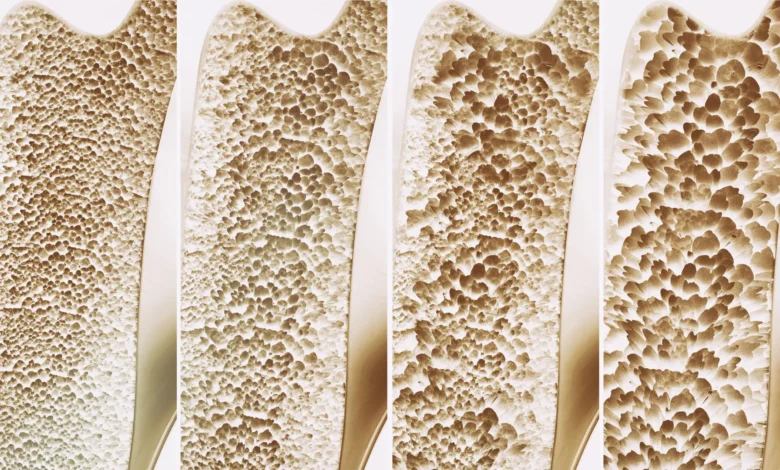
Osteoporosis remains one of the most pervasive and challenging medical conditions confronting aging populations across the globe. Characterized by the progressive deterioration of bone tissue and a subsequent, sharp increase in fracture vulnerability, the disease affects millions of individuals worldwide. In Germany alone, approximately six million people live with the condition, with postmenopausal women representing the vast majority of those diagnosed. For decades, the medical community has grappled with the limitations of existing pharmacological interventions. Many current therapies come with restrictive long-term safety profiles, undesirable side effects, or mechanisms of action that merely slow bone loss rather than actively restoring structural integrity.
To address these critical gaps in patient care, a team of researchers at Leipzig University has turned their attention to a previously overlooked biological target: the GPR133 receptor. Their recent breakthroughs, spearheaded by investigators at the Rudolf Schönheimer Institute of Biochemistry within the Faculty of Medicine, suggest that this little-understood adhesion G protein-coupled receptor could fundamentally alter how modern medicine approaches bone preservation and regeneration. By successfully identifying how GPR133 regulates skeletal strength and utilizing a newly discovered stimulator molecule known as AP503, the research team has opened a promising new avenue for treating both osteoporosis and concurrent muscle degradation.
The Biological Mechanism: Unraveling GPR133 and Adhesion GPCRs
To understand the magnitude of the Leipzig team’s discovery, one must examine the unique classification of receptors to which GPR133 belongs. Adhesion G protein-coupled receptors (adhesion GPCRs) represent a specialized subfamily of cell-surface receptors that bridge the extracellular environment with intracellular signaling pathways. Unlike traditional GPCRs, adhesion receptors possess unusually long extracellular domains that are often tethered to the extracellular matrix or adjacent cells. This unique structural architecture equips them to act as mechanical sensors, translating physical forces, tension, and microenvironmental cues into biochemical signals inside the cell.
Despite their critical roles in tissue development and homeostasis, adhesion GPCRs have historically eluded comprehensive scientific mapping due to their complex activation mechanisms. GPR133, in particular, remained a biochemical enigma until recent molecular profiling cast light on its physiological responsibilities. The Leipzig researchers discovered that GPR133 is heavily integrated into the delicate regulatory loops that govern skeletal maintenance.
Genetic evidence underscores the receptor’s vital importance. When investigators analyzed mouse models featuring impaired or mutated GPR133 genes, the subjects exhibited pronounced signs of premature bone density loss. This phenotype closely mirrors the clinical presentation of human osteoporosis, characterized by fragile, porous bone microarchitecture that fails to support normal physiological loads. These observations confirmed that baseline GPR133 activity is a fundamental prerequisite for lifelong skeletal health.
From Computational Screening to Laboratory Breakthrough: The Role of AP503
The identification of GPR133 as a viable therapeutic target quickly led researchers to investigate whether the receptor could be artificially stimulated to halt or reverse bone degradation. Because natural ligands for many adhesion GPCRs are difficult to isolate or utilize pharmacologically, the team relied on advanced technological methodologies to find a molecular key capable of unlocking the receptor’s potential.
Through a sophisticated computer-assisted screening process, scientists identified a specific synthetic substance designated as AP503. This compound acts as a direct stimulator of GPR133, effectively mimicking the natural mechanical or biochemical triggers that turn the receptor on. To test the efficacy of AP503 in vivo, the research team administered the substance to two distinct murine cohorts: healthy control mice and subjects exhibiting osteoporosis-like bone loss.
The experimental outcomes exceeded initial expectations. According to Professor Ines Liebscher, lead investigator of the study from the Rudolf Schönheimer Institute of Biochemistry, the administration of AP503 yielded a statistically significant increase in bone strength across both test groups. Healthy mice developed enhanced skeletal resilience, while osteoporotic subjects experienced a marked reversal of their bone density deficits. This dual efficacy suggests that AP503 does not merely prevent further deterioration, but actively engages bone-rebuilding mechanisms even after disease pathology has taken root.
Shifting the Cellular Balance: Osteoblasts Versus Osteoclasts
To comprehend how AP503 and GPR133 achieve these restorative effects, it is necessary to examine the dynamic equilibrium governing bone tissue. Healthy skeletal systems exist in a continuous state of turnover, known as remodeling. This process relies on a perpetual tug-of-war between two specialized classes of cells: osteoblasts and osteoclasts.
Osteoblasts are the master builders of the skeletal system. Derived from mesenchymal stem cells, they synthesize the collagen matrix and manage the mineralization process that gives bones their rigid structure. Conversely, osteoclasts are multinucleated cells responsible for bone resorption. Operating as the body’s demolition crew, they break down old, micro-damaged bone tissue so that it can be replaced by fresh matrix.
In a healthy individual, the activities of osteoblasts and osteoclasts are tightly synchronized to ensure that bone formation matches bone removal. In patients with osteoporosis, however, this balance goes awry. Osteoclast activity outpaces osteoblast production, leading to a net deficit in bone mass over time.
The activation of GPR133 via AP503 recalibrates this cellular seesaw. When GPR133 is stimulated on the cellular level, it initiates intracellular signaling cascades that concurrently upregulate the proliferative and synthetic functions of osteoblasts while suppressing the maturation and activity of osteoclasts. By simultaneously encouraging bone construction and inhibiting bone demolition, the GPR133 pathway shifts the physiological balance decisively toward stronger, denser, and more durable bone tissue.
A Decade of Dedication: Leipzig University’s GPCR Research Heritage
The breakthrough regarding GPR133 did not happen in a vacuum; it is the direct result of a sustained, multi-year institutional commitment to membrane receptor biology at Leipzig University. For over a decade, the university has positioned itself as an international powerhouse in the study of adhesion G protein-coupled receptors, largely through the coordinated efforts of Collaborative Research Center 1423, titled Structural Dynamics of GPCR Activation and Signaling.
This interdisciplinary research hub brings together structural biologists, pharmacologists, biochemists, and clinicians dedicated to decoding the structural intricacies of GPCRs. The center focuses heavily on mapping how these receptors change their three-dimensional conformations when activated, how they interact with intracellular G proteins and arrestins, and how these structural shifts translate into targeted cellular responses.
Leipzig University’s prominent standing within the global scientific community is deeply anchored in this foundational work. By combining high-resolution structural biology with innovative computational screening tools—such as the digital assays that successfully identified AP503—the university’s researchers have consistently bridged the gap between basic molecular science and translational medicine. The discovery surrounding GPR133 stands as a premier validation of this long-term research strategy, demonstrating how fundamental investigations into receptor biophysics can yield revolutionary treatments for widespread human diseases.
Broader Clinical Implications: Addressing Dual Declines in Bone and Muscle
One of the most exciting dimensions of the recent Leipzig study is its potential to address more than just skeletal pathology. Aging populations frequently experience geriatric syndromes characterized by the simultaneous deterioration of both the musculoskeletal and skeletal systems. Osteoporosis rarely occurs in isolation; it is frequently accompanied by sarcopenia, the age-related loss of skeletal muscle mass, strength, and function.
This dual decline creates a compounding vulnerability for older adults. Weakened muscles impair mobility, increase the frequency of falls, and diminish overall physical stability. When combined with brittle, osteoporotic bones, even a minor stumble can result in catastrophic fractures, severe morbidity, loss of independence, and extended hospitalizations.
Remarkably, AP503 appears uniquely equipped to combat both sides of this clinical equation. In an earlier study conducted by the same Leipzig research group, scientists demonstrated that activation of GPR133 via AP503 also exerts a strengthening effect on skeletal muscle tissue. The revelation that the receptor promotes parallel improvements in both bone and muscle represents a paradigm shift in how multi-tissue degeneration might be managed pharmacologically.
Dr. Juliane Lehmann, lead author of the study and a researcher at the Rudolf Schönheimer Institute of Biochemistry, emphasized the societal importance of this dual-action profile. "The newly demonstrated parallel strengthening of bone once again highlights the great potential this receptor holds for medical applications in an aging population," Dr. Lehmann noted.
If future clinical trials confirm these findings in humans, a therapeutic agent based on AP503 could simultaneously fortify the skeletal framework and enhance muscular support. Such a dual-action therapeutic would provide geriatric medicine with an unprecedented tool to maintain patient mobility, prevent falls, reduce fracture incidence, and preserve the quality of life for millions of elderly individuals worldwide.
Future Directions and Ongoing Research Initiatives
Following the publication of these milestone findings, the research team at Leipzig University is wasting no time charting the next phases of investigation. The laboratory is actively pursuing a series of follow-up projects designed to deepen the scientific community’s understanding of GPR133 biology.
Immediate research objectives include mapping the precise downstream signaling pathways triggered by GPR133 activation in both osteoblasts and skeletal muscle fibers. By identifying every molecular intermediary involved in the cascade, researchers hope to optimize the chemical structure of AP503 and its analogs to maximize therapeutic potency while minimizing any potential off-target effects.
Simultaneously, the Leipzig team is exploring whether AP503 and related GPR133 stimulators might hold therapeutic value for other pathological conditions. Given that adhesion GPCRs are expressed across a wide variety of organ systems and play roles in tissue repair, vascular regulation, and cellular migration, the broader pharmacological potential of targeting GPR133 extends far beyond the musculoskeletal system.
As these laboratory investigations progress toward preclinical safety trials and, eventually, human clinical evaluation, the medical community will be watching closely. While transitioning from murine models to successful human therapies requires navigating rigorous regulatory and clinical hurdles, the early data surrounding GPR133 and AP503 offers a beacon of hope. For the millions of individuals currently navigating the silent threat of osteoporosis and age-related muscle decline, Leipzig University’s pioneering work heralds the potential dawn of a comprehensive, dual-action era in regenerative medicine.