Sara Haines Opens Up About Family Grief After Missing The View Following Father-in-Law’s Death

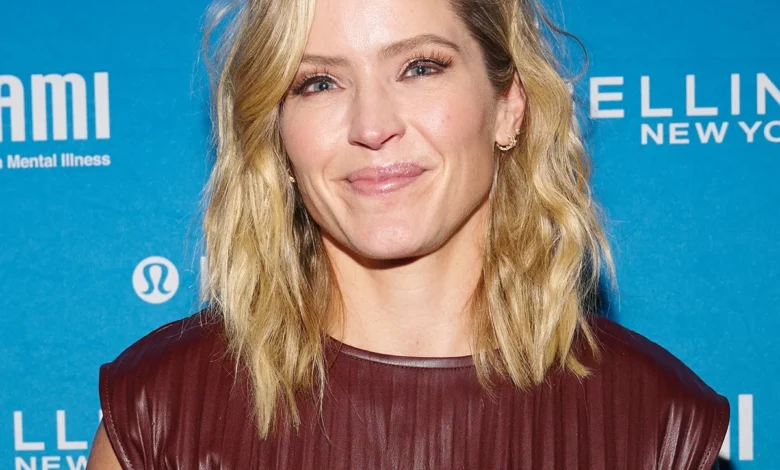
The landscape of daytime television often balances the spontaneous energy of live entertainment with the deeply personal, unpredictable realities of everyday life. For The View co-host Sara Haines, this juxtaposition became starkly evident during the week of September 16, 2026. The 48-year-old television personality and journalist was notably absent from the popular ABC morning talk show, prompting immediate on-air speculation from her fellow co-hosts. The following day, Haines returned to the panel to share a candid and emotional update with viewers, revealing that her sudden absence was due to the passing of her husband Max Shifrin’s father.
The announcement provided a poignant reminder of the vulnerabilities faced by public figures, who frequently navigate profound personal grief under the watchful eye of a national audience. By addressing the situation directly, Haines not only honored her family’s loss but also put to rest the swirling rumors generated by her abrupt departure from the tightly managed production schedule of the daytime talk show.
Main Facts Surrounding the Absence and On-Air Revelation
Sara Haines’ unexpected absence from the September 16, 2026, taping of The View immediately drew the attention of the show’s loyal viewership. During the opening segments of that broadcast, co-hosts Whoopi Goldberg and Joy Behar addressed the empty seat at the table. In their trademark candid style, the veteran hosts attempted to reassure the audience that Haines was not dealing with a personal illness, though their vague explanations inadvertently fueled various rumors and speculations across social media platforms.
Recognizing the need for transparency, Haines returned to the desk on September 17 to clear the air. She explained that she had received the definitive news regarding her father-in-law just moments before the previous day’s broadcast.
"I wanted to share why I was missing yesterday," Haines told the studio audience and her fellow panelists during the September 17 broadcast. "My father-in-law passed away. He’s been in hospice for a week, so we knew it was coming, but I think the second that landed it kind of allowed a load you’re carrying for so long to gush out."
Haines further detailed the overwhelming emotional toll of the experience, describing herself as feeling both "heart sick" and "head sick." Her vulnerability resonated with viewers, highlighting the universal nature of losing a loved one. Reflecting on the broader reality of aging and mortality, she added, "It’s the chapter we’re in, and we all be a part of this club eventually, but, wow, it’s brutal."
Chronology of Events and Hospice Care
The timeline leading up to Haines’ absence spans several weeks of emotional preparation for the Shifrin family. According to the television host, her father-in-law had been receiving end-of-life care in hospice for approximately one week prior to his passing. While hospice care provides a structured environment focused on comfort and pain management, it also plunges families into a prolonged period of anticipatory grief—a psychological state where loved ones mourn an impending loss before it officially occurs.
Anticipatory grief often manifests in chronic exhaustion, emotional strain, and heightened anxiety. For Haines and her husband, Max Shifrin—a prominent attorney—this period required balancing rigorous professional commitments in the media and legal sectors with the emotional demands of supporting an aging parent through his final days.
When the passing finally occurred on September 16, the emotional dam broke. The sudden finality of the event necessitated an immediate pivot away from professional duties. Haines stepped away from her chair on The View to support her husband and their three young children—Alec, 10, Sandra, 8, and Caleb, 7—as the family absorbed the permanent reality of the loss.
Supporting Context on Family Dynamics and Support Systems
The loss strikes particularly close to home for Max Shifrin, whom Haines described during the broadcast as having lost his "North Star." In familial hierarchies, a parent who serves as a guiding anchor often leaves an irreplaceable void upon their passing. Haines emphasized the depth of her husband’s grief, noting that Shifrin had spent significant time away from their home and children to be by his father’s side during the final stages of his illness.
"Max has been gone, he hasn’t seen the kids, and now he’s finally back," Haines shared, offering a glimpse into the logistical and emotional hurdles families face during medical crises. "We’re pouring love into him. But it was the most important person in Max’s life."
As a mother of three, Haines also faces the delicate task of helping her young children process the death of their grandfather. Childhood bereavement requires nuanced communication and a stable emotional environment, placing additional responsibilities on Haines as she manages her return to a high-profile public career. Her ability to seamlessly balance these competing priorities has long been a hallmark of her tenure in morning television, spanning her previous work on Good Morning America and her multi-year run on The View since joining the panel in 2016.
Official Responses and the Lighthearted Clearing of Rumors
The day after the announcement, the atmosphere on The View transitioned from somber reflection back to the supportive, communicative camaraderie that defines the panel. Addressing the rumors that circulated following her unexplained absence, Haines playfully called out her co-hosts for their cryptic handling of the situation on September 16.
"Joy, you’re the queen of, ‘Well, she’s not sick, but she’s somewhere,’" Haines teased Behar during the segment. "You made it sound so interesting I almost didn’t want to ruin it with the truth."
Joy Behar, taking the playful critique in stride, confessed that neither she nor Whoopi Goldberg anticipated that their protective statements would spark intense online speculation.
"I think we started it, Whoopi and I, the rumors," the New Yorker admitted with characteristic wit. "I didn’t want people to think that you were sick."
This lighthearted exchange underscored the unique work environment of The View, where personal tragedies are met with collective empathy, yet the show’s signature banter remains intact. The transparency displayed by the hosts served to quash misinformation quickly, demonstrating effective crisis communication in real time during a live television broadcast.
Broader Impact and the Humanization of Public Figures
The public sharing of grief by television personalities like Sara Haines serves a broader psychological and cultural purpose. In an era dominated by polished social media personas and curated digital highlights, mainstream media figures opening up about raw, universal human experiences—such as the loss of a parent or parent-in-law—humanizes them to millions of viewers.
Mourning within the public eye presents distinct challenges. Public figures must balance their private need for sanctuary and reflection with contractual obligations and audience expectations. When Haines chose to explain her absence honestly rather than hiding behind a vague corporate statement, she validated the experiences of countless viewers navigating similar chapters of life.
Furthermore, the discussion sheds light on the realities of the "sandwich generation"—adults who find themselves simultaneously caring for young children while managing the declining health and eventual passing of aging parents. This demographic faces immense emotional and economic pressures, navigating workplace policies, family caregiving, and mental health maintenance.
As Sara Haines returns to her permanent seat on The View, her openness provides a template for handling loss with grace, dignity, and humor. Supported by her colleagues, her husband, and her children, Haines continues to demonstrate resilience, reinforcing why her authentic connection with the audience remains one of her most enduring professional assets.