The landscape of reality television and culinary competitions is undergoing a significant transition as beloved institutions adapt to shifting talent rosters and behind-the-scenes dynamics. At the forefront of this seasonal evolution is the enduring British phenomenon formerly known globally as The Great British Baking Show. As the series approaches its milestone seventeenth season, production developments have brought fresh faces, intriguing off-screen dynamics, and a renewed focus on the human elements behind the contestants who grace the iconic white tent. Among these narratives, recent revelations regarding past champions and incoming judges have underscored both the triumphs and the hidden vulnerabilities that accompany sudden, intense public exposure.
The Main Facts of Season Seventeen and Judging Changes
The upcoming seventeenth season of the culinary contest, scheduled to premiere on Channel 4 in the United Kingdom and subsequently stream via Netflix in the United States, marks a pivotal moment for the program. The primary catalyst for this shift is the departure of long-standing judge Prue Leith, who announced her exit in January following a highly successful and culturally impactful nine-year tenure. Leith, who initially stepped into the role following the departure of original judge Mary Berry, cited her advancing age and a desire to redirect her energy toward personal pursuits, notably spending summers tending to her garden, as the motivating factors behind her departure at the age of 86.
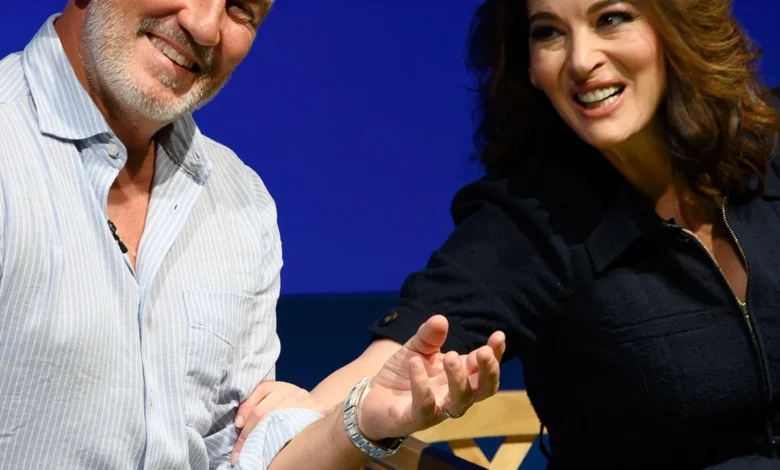
To fill the considerable void left by Leith, producers tapped culinary icon Nigella Lawson to join veteran judge Paul Hollywood. The pairing immediately generated widespread speculation and public curiosity across social media and entertainment publications regarding how two towering figures of British culinary media would share the judging marquee. However, any concerns regarding potential professional friction or personality clashes were quickly dispelled by Lawson herself, who detailed a remarkably smooth transition and an instant rapport with her new colleague.
Chronology of the Transition and Behind-the-Scenes Preparation
The timeline of the judging shake-up began to unfold in January, when Leith formally broadcast her farewell via social media, expressing fondness for her time alongside Hollywood and hosts Alison Hammond and Noel Fielding. Shortly after Leith’s announcement, network executives confirmed that Lawson would step into the white tent for season seventeen.
Mindful of the potential pitfalls of a high-profile television partnership, Lawson proactively sought to establish a collaborative foundation before cameras began rolling. In interviews leading up to the premiere, she revealed that she initiated an informal meeting with Hollywood over drinks to break the ice, deliberately choosing an off-set environment so their first interaction would not be broadcast or constrained by production pressures. Notably, Lawson drew a firm boundary regarding the traditional expectations of the show, opting not to bake for Hollywood during their initial encounter, a decision she humorously characterized as sheer madness.
This strategic ice-breaking session yielded immediate dividends. Lawson discovered that Hollywood possessed a much more playful and self-aware demeanor than his stern, laser-focused television persona suggested. By playfully dubbing him "Professor Precision," Lawson initiated a dynamic of mutual teasing that effectively dismantled any initial intimidation. This off-screen camaraderie translated seamlessly to the set, where Lawson observed that they serve as complementary forces: Hollywood brings direct, technical rigor, while Lawson provides a conversational, sensory-driven appreciation for food, texture, and flavor.
Supporting Data and Context of the Production
The transition from Leith to Lawson represents one of the most substantial casting changes in the history of the franchise, which has maintained remarkable stability in its judging panel across its various network eras. Lawson’s integration required deliberate calibration with production staff. During initial contract and creative discussions with producers, Lawson explicitly outlined her professional boundaries, clarifying that her expertise lies in sensory analysis, storytelling, and culinary appreciation rather than scientific baking precision or professional pastry techniques. Producers reassured her that these distinct traits were precisely what would balance Hollywood’s technical eye, ensuring a comprehensive evaluation of the amateur bakers.
The sixteenth and seventeenth seasons arrive amid a broader cultural ecosystem of televised culinary competitions, where viewer engagement heavily relies on authenticity and empathetic mentorship. The chemistry between Hollywood and Lawson will be tested starting September 22 in the U.K. and September 25 internationally, as a fresh crop of amateur bakers tackles signature, technical, and showstopper challenges designed to evaluate their poise under pressure.
Broader Impact and Implications for Reality Television Talent
The evolution of The Great British Bake Off reflects a broader industry trend regarding the psychological and emotional well-being of individuals who enter the public eye through reality television. While programs of this scale offer unprecedented platforms for culinary professionals and amateur enthusiasts alike, the sudden transition from relative obscurity to international scrutiny frequently exacts a heavy toll.
Recent discussions surrounding the mental health journeys of former winners and participants highlight the invisible pressures accompanying public success. Observers and mental health advocates increasingly emphasize the necessity of robust support systems for reality television contestants, whose lives are permanently altered by the broadcasting of their personal triumphs and vulnerabilities. The openness with which figures across the franchise discuss their internal challenges—ranging from Lawson’s initial apprehensions about filling legendary shoes to past winners confronting frightening medical and psychological diagnoses—signals a gradual cultural shift toward greater transparency regarding mental health in the entertainment industry.
Official Responses and Industry Analysis
Industry analysts view the addition of Nigella Lawson as a masterstroke in brand continuity and audience retention. By selecting a culinary personality whose public persona is already deeply established and universally recognized, the network mitigates the risks typically associated with replacing a foundational talent like Prue Leith. Media studies indicate that audiences tuning into long-running formats crave a delicate balance of nostalgic comfort and refreshing novelty. Lawson’s self-described "wittering" about food paired with Hollywood’s established authority provides a dynamic that honors the show’s traditional framework while introducing a fresh conversational rhythm.
Furthermore, the deliberate pre-filming socialization strategy employed by Hollywood and Lawson serves as a case study in modern television production management. By fostering psychological safety and mutual respect prior to principal photography, production teams can minimize on-set friction, thereby enhancing the collaborative environment necessary to support nervous amateur contestants. As the television landscape continues to diversify its offerings—ranging from investigative documentaries and intense psychological thrillers to lighthearted reality competitions—the enduring appeal of programs like The Great British Bake Off relies fundamentally on the authentic human connections forged both in front of and behind the camera.