Panamint Capital Breaks Ground on Massive 1.2 GW Big Rooter Solar Project at Texas Twin Oaks Coal Site

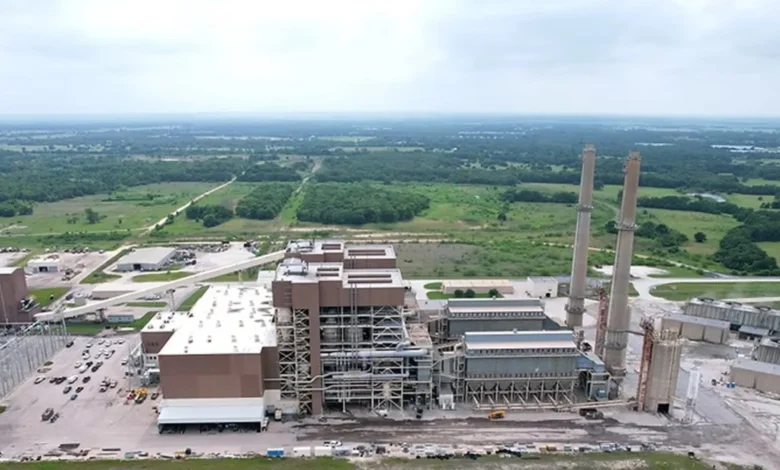
Panamint Capital has officially commenced construction on the Big Rooter Power project, a landmark $1.7 billion solar energy development situated at the Twin Oaks power station in Robertson County, Texas. Positioned strategically between the major metropolitan hubs of Dallas and Houston, the project represents one of the largest solar installations ever built on an existing coal mining site in North America. With a total capacity of 1.2 gigawatts direct current (GWdc), the initiative marks a significant expansion of the Texas energy landscape, though it stops short of a complete transition away from fossil fuels.
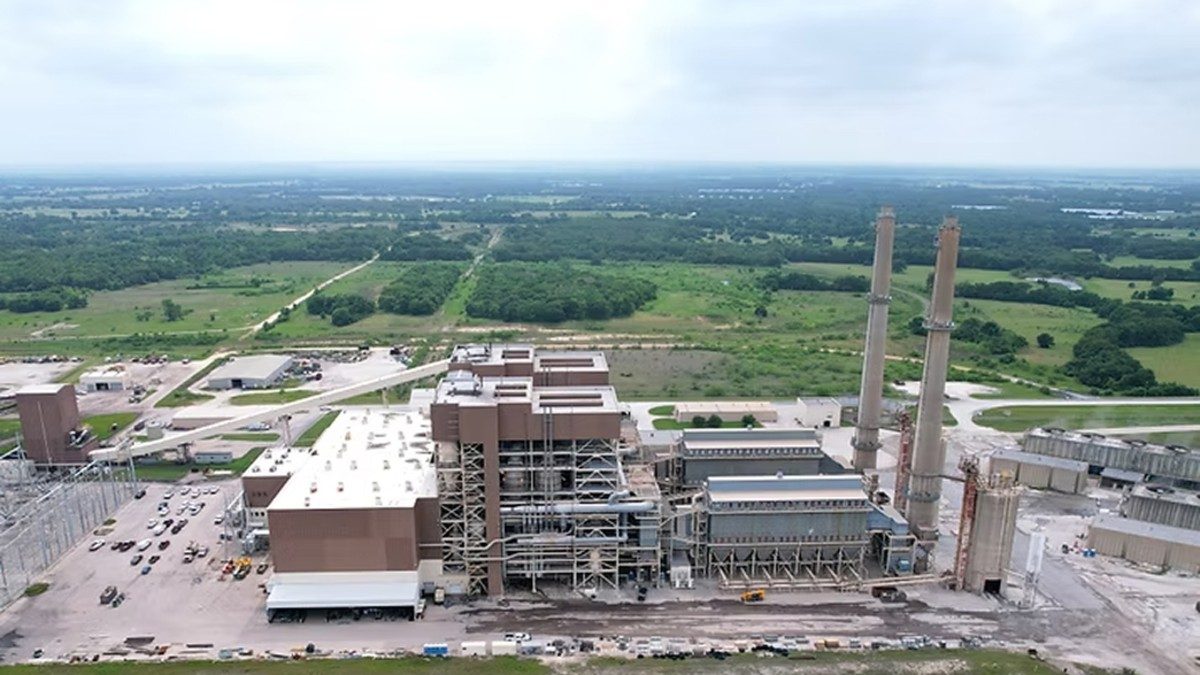
The development is located on the 10,000-acre Twin Oaks complex near Bremond, a site traditionally defined by its 310-megawatt (MW) lignite-fired power plant. Unlike many contemporary renewable energy projects that seek to replace retiring coal infrastructure, the Big Rooter project is designed to operate alongside the existing Twin Oaks coal plant. Panamint Capital has indicated no immediate plans to decommission the lignite facility, opting instead for a co-location strategy that leverages existing infrastructure to meet the soaring electricity demands of the Texas grid.
Project Phases and Construction Timeline
The Big Rooter Power project is being executed in two distinct phases to manage the massive scale of the installation and the logistics of integrating it into the regional power network.

The first phase, known as Big Rooter West, has already broken ground. This segment will provide 491 MWdc of solar capacity. According to project schedules, Big Rooter West is expected to reach commercial operation by August 2028. This initial phase serves as the foundation for the broader complex, establishing the necessary site preparations and preliminary electrical work required for a gigawatt-scale facility.
The second phase, Big Rooter East, is scheduled to begin construction in December 2026. This phase is even larger, with a planned capacity of 658 MWdc. It is slated to come online in August 2029. Once both phases are fully operational, the Twin Oaks site will host approximately 1.5 GW of combined generation capacity, including both its legacy coal operations and the new solar arrays.
The construction effort is expected to provide a significant boost to the local labor market. Panamint Capital estimates that the two phases will collectively generate more than 800 construction jobs. Furthermore, the company anticipates that Big Rooter West alone will contribute more than $66 million to the local economy over its operational lifespan. The project’s economic strategy emphasizes the recruitment of local workers and the utilization of regional vendors to maximize the financial benefits for Robertson County and surrounding communities.
Technical Specifications and Domestic Supply Chain
The Big Rooter project is notable not only for its scale but also for its commitment to domestic manufacturing and advanced energy technology. SOLV Energy has been contracted to lead the engineering, procurement, and construction (EPC) efforts. Their responsibilities include the installation of the solar arrays, the development of a dedicated substation, and the construction of the necessary transmission infrastructure.
A critical component of the project is the use of American-made hardware. Panamint has partnered with First Solar to supply approximately 2 million solar panels. These panels are manufactured at First Solar’s facilities in Ohio, Louisiana, and Alabama, aligning the project with broader national goals to strengthen the domestic renewable energy supply chain.
To maximize the efficiency of these panels, the site will utilize NX Horizon tracking systems provided by Nextracker. These systems allow the solar panels to tilt throughout the day, following the sun’s trajectory to optimize energy capture. The physical infrastructure of the project will also require a massive amount of raw materials, including more than 34,000 tons of U.S.-made steel for the racking and support structures.
In addition to the solar generation, Panamint Capital is integrating significant storage and transmission capabilities into the Twin Oaks site. The developer is currently working on:
- 1.6 GWh of Battery Energy Storage: This large-scale storage capacity is essential for balancing the intermittent nature of solar power and providing grid stability during peak demand periods.
- 20 Miles of New 345 kV Transmission Lines: High-voltage transmission is necessary to move the massive amounts of power generated at the site to the broader Electric Reliability Council of Texas (ERCOT) grid.
- 790 MW of Data Center Capacity: By co-locating data centers directly at the source of generation, Panamint aims to reduce transmission losses and provide a reliable power source for energy-intensive computing operations.
The Strategic Role of the ERCOT Grid
The decision to build such a massive hybrid energy site is driven by the unique dynamics of the Texas energy market. The ERCOT grid, which manages approximately 90% of the state’s electric load, has faced increasing scrutiny and pressure due to rapid population growth, extreme weather events, and the expansion of energy-heavy industries.

Texas has become one of the fastest-growing regions for data centers in the United States, with significant concentration in the Dallas-Fort Worth area. These facilities require vast amounts of reliable, around-the-clock power. The "all-of-the-above" energy strategy employed at Twin Oaks—maintaining coal for baseload power while adding massive solar and battery capacity—is a direct response to these market needs.
Apolka Totth, CEO of Panamint Capital, emphasized that Big Rooter Power represents a vision for maximizing the utility of existing energy infrastructure. By utilizing the 10,000-acre site for multiple forms of generation and storage, the company aims to enhance energy security and support the state’s industrial growth.
Panamint has already secured a long-term power purchase agreement (PPA) for the project. While the specific identity of the "single investment-grade offtaker" has not been disclosed, the contract is designed to run into the 2050s, providing long-term financial stability for the development. Given the inclusion of 790 MW of data center capacity on-site, industry analysts suggest the offtaker could be a major technology firm looking to secure green energy for its operations while maintaining the reliability offered by the site’s hybrid configuration.
Economic and Industrial Implications
The Big Rooter project highlights a growing trend in the energy industry: the redevelopment of "Brightfields." Brightfields are former industrial or contaminated sites, such as coal mines or landfills, that are repurposed for solar energy production. Using the Twin Oaks coal mining site for solar arrays allows Panamint to utilize land that is already permitted for industrial use and is located near existing grid interconnections, significantly reducing the time and cost associated with "greenfield" developments.

From a policy perspective, the project aligns with the incentives provided by the federal Inflation Reduction Act (IRA), which offers tax credits for renewable energy projects that use domestic content and are located in "energy communities"—areas historically reliant on fossil fuel industries for employment and tax revenue. By using U.S.-made panels and steel and hiring local workers, the Big Rooter project is positioned to capitalize on these federal incentives while supporting the economic transition of Robertson County.
However, the continued operation of the Twin Oaks coal plant remains a point of interest for environmental and energy analysts. Lignite, often referred to as "brown coal," is a low-grade fossil fuel with high moisture content and lower energy density than bituminous coal. While many utilities across the United States are retiring lignite plants in favor of natural gas or renewables, the Texas market’s high demand for reliable baseload power has kept several such facilities operational. The integration of 1.6 GWh of battery storage at the site may eventually provide the flexibility needed to reduce reliance on the coal plant, but for now, the two will work in tandem.
Conclusion and Future Outlook
The groundbreaking of Big Rooter Power marks a pivotal moment for Texas energy. As the state grapples with the dual challenges of reducing carbon emissions and meeting a relentless increase in power demand, projects of this scale offer a blueprint for large-scale energy integration. By combining solar, coal, storage, and data center infrastructure, Panamint Capital is attempting to create a self-sustaining energy ecosystem that can withstand the volatility of the modern grid.
As the construction progresses toward the 2028 and 2029 completion dates, the industry will be watching closely to see how the co-location of coal and solar impacts grid performance in the ERCOT region. For Robertson County, the project promises a decade of economic activity and a permanent shift in its identity from a traditional mining community to a diversified energy hub. The success of Big Rooter could encourage similar developments across North America, proving that the infrastructure of the past can serve as a foundation for the energy solutions of the future.
Related posts: