The landscape of the United States automotive market is defined by the enduring dominance of the pickup truck. For decades, the Ford F-Series, Chevrolet Silverado, and Ram 1500 have occupied the top spots on the national sales charts, reflecting a cultural and economic preference for high-utility vehicles. However, as full-size trucks have grown in both physical dimensions and price, a significant portion of the consumer base has begun to signal a desire for more diverse options. This shift is evidenced by the runaway success of the Ford Maverick and the steady interest in the Hyundai Santa Cruz, both of which utilize unibody platforms to offer truck utility with car-like efficiency and maneuverability.
Recent industry developments, including Kia’s confirmation of a body-on-frame pickup and Hyundai’s exploration of more rugged utility concepts, have reignited a conversation among automotive enthusiasts regarding which manufacturers are currently missing from the segment. An analysis of consumer sentiment reveals that while the market is saturated with heavy-duty and full-size options, there is a profound appetite for innovation in the compact, mid-size, and luxury categories.
The Evolution of the American Pickup Segment
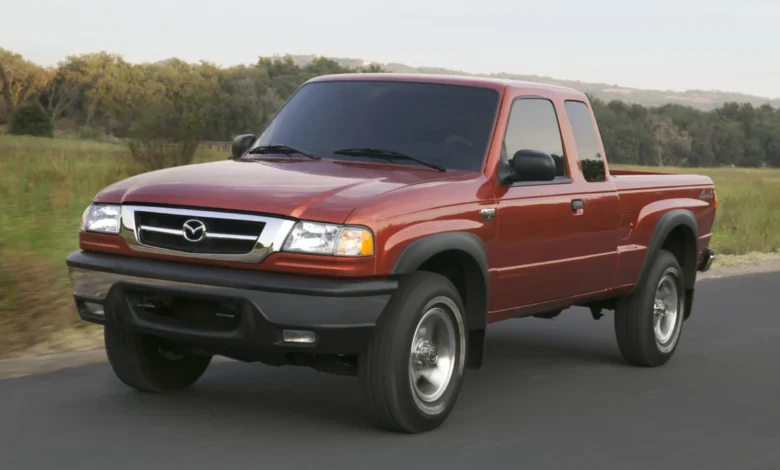
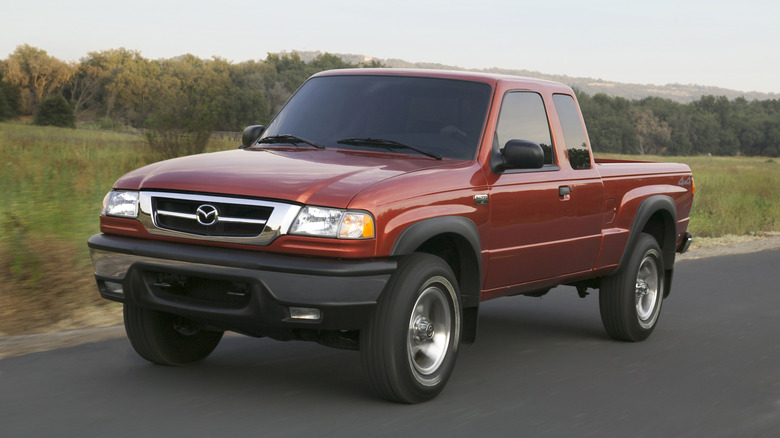
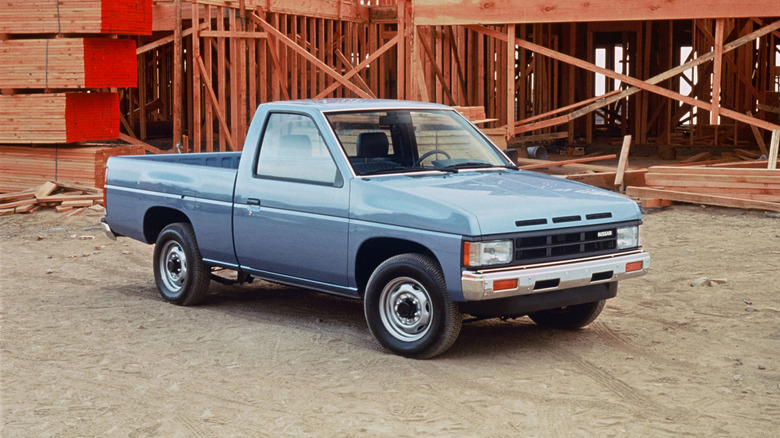
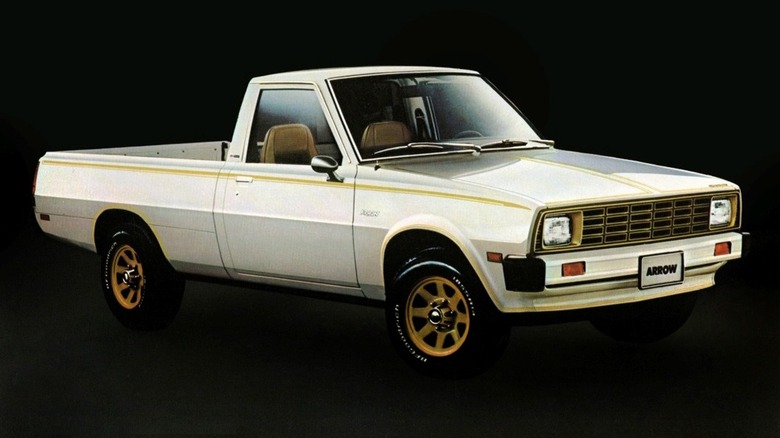
To understand the current demand for new entrants, one must examine the chronology of the truck market. In the 1980s and 1990s, the "mini-truck" was a staple of American roads. Vehicles like the Toyota Hilux (pre-Tacoma), the Nissan Hardbody, and the Mazda B-Series provided affordable, fuel-efficient utility for tradespeople and enthusiasts alike.
By the early 2000s, however, these vehicles began a process of "generational bloat," evolving into the mid-size trucks of today, such as the Toyota Tacoma and Nissan Frontier. These modern iterations are often nearly as large as the full-size trucks of thirty years ago. This evolution left a vacuum at the entry level of the market—a gap that went largely unaddressed until the 2021 debut of the Ford Maverick. The Maverick’s immediate success, characterized by long waitlists and high demand for its hybrid powertrain, proved that American consumers still value smaller footprints and lower price points.
Mazda: The Most Anticipated Return
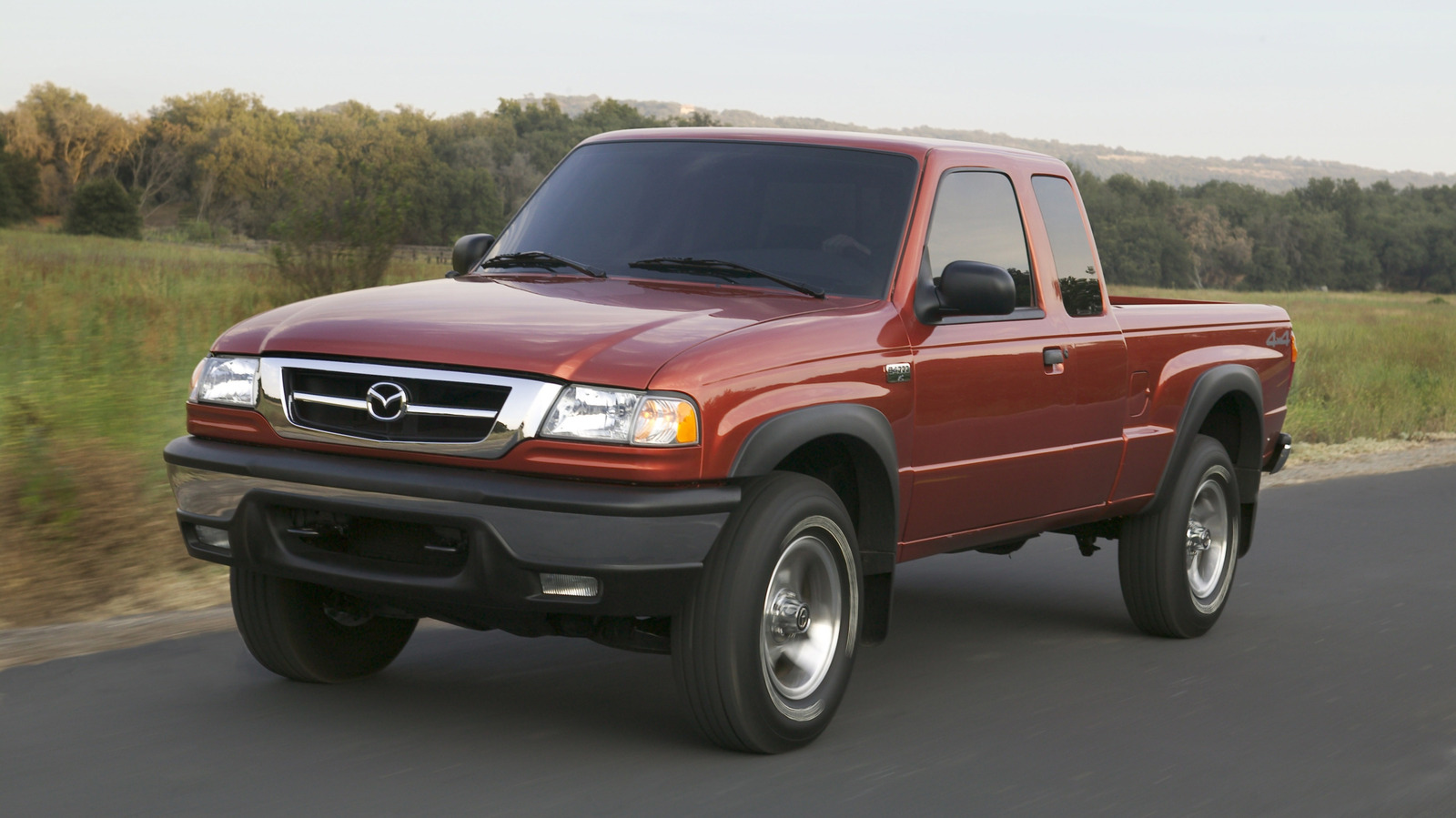
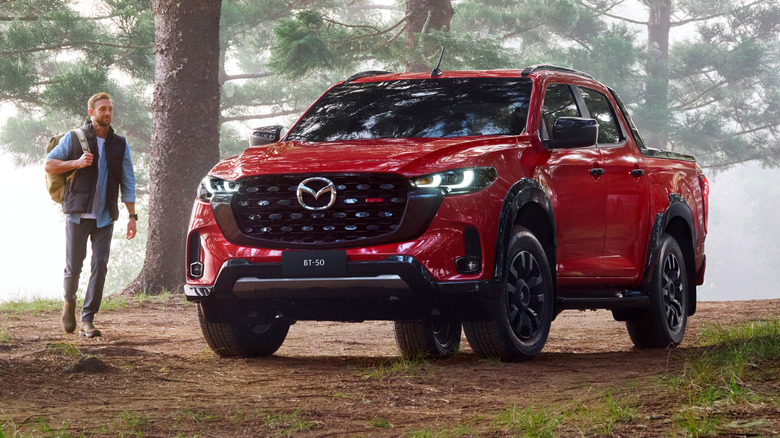
Among the most frequent suggestions for a new pickup entry is Mazda. The Japanese automaker has a storied history in the segment, having produced the B-Series for decades, often in partnership with Ford. While Mazda currently manufactures the BT-50 for international markets in collaboration with Isuzu, the vehicle is not sold in North America due to the "Chicken Tax"—a 25% tariff on imported light trucks—and Mazda’s current focus on its premium SUV lineup.
Industry analysts note that a Mazda truck for the U.S. market would likely need to be a unibody design based on the CX-50 or CX-90 platforms to remain economically viable and consistent with the brand’s "Kodo" design language. A CX-90-based pickup, utilizing Mazda’s new 3.3-liter turbocharged inline-six engine and rear-biased all-wheel-drive system, would position the brand as a premium alternative to the Honda Ridgeline. Consumer interest specifically highlights the potential for a "lifestyle" truck that prioritizes driving dynamics and interior quality, areas where Mazda currently excels.
Nissan and the Opportunity for a Compact Revival
Nissan’s position in the truck market is currently in a state of transition. With the discontinuation of the full-size Titan, the brand is left with the Frontier as its sole offering in the segment. While the Frontier was recently redesigned and has seen a sales resurgence—partially due to the "Hardbody" nostalgia package—it remains a traditional mid-size truck.
Market data suggests that Nissan is well-positioned to recapture the entry-level market with a compact, possibly electrified, pickup. During the 2021 Nissan Ambition 2030 presentation, the company showcased the "Surf-Out" concept, an all-electric compact truck. Leveraging the Leaf or Ariya EV platforms for a small utility vehicle could allow Nissan to undercut competitors on price while appealing to urban buyers who require a bed for recreational gear but do not need the towing capacity of a body-on-frame vehicle.
The Case for Luxury Pickups: Lexus and Range Rover
As the average transaction price for a pickup truck in the U.S. has climbed past $60,000, with top-tier trims from Ford and Ram exceeding $100,000, the distinction between a "work vehicle" and a "luxury vehicle" has blurred. This has led to increased calls for dedicated luxury brands like Lexus and Range Rover to enter the fray.
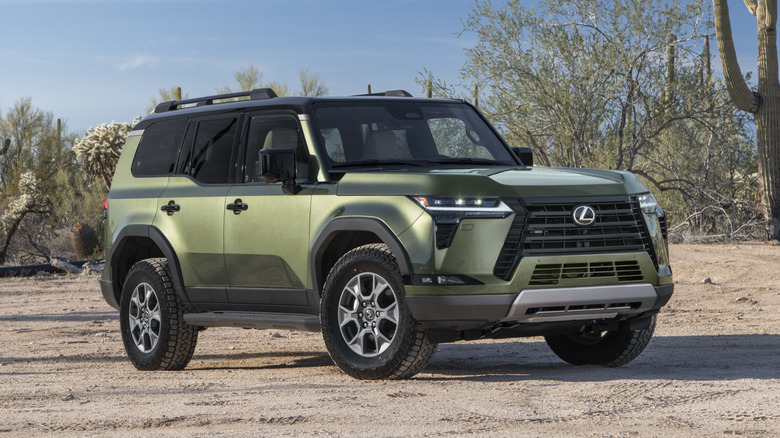
Lexus, in particular, has a logical pathway to production. The brand already utilizes the TNGA-F global body-on-frame platform for the LX 600 and the new GX 550. This platform also underpins the Toyota Tundra and Sequoia. A Lexus-badged pickup would not require a ground-up engineering effort; rather, it would involve a significant interior overhaul and unique exterior sheet metal to match the brand’s aesthetic. Such a vehicle would compete directly with the GMC Sierra Denali Ultimate, targeting a demographic that seeks maximum comfort and prestige without sacrificing the utility of a tow-capable frame.
Similarly, a Range Rover pickup is viewed by enthusiasts as the ultimate "lifestyle" vehicle. While Land Rover has historically produced truck versions of the Defender, a Range Rover-based pickup would focus on the high-end market. Though unlikely from a traditional manufacturing standpoint, the concept follows the trend of high-performance, high-luxury utility seen in vehicles like the Lamborghini Urus or Bentley Bentayga, albeit with a cargo bed.
Toyota’s Potential Expansion
Despite holding a dominant share of the mid-size market with the Tacoma, Toyota is frequently cited as a manufacturer that should expand its truck portfolio. The success of the Ford Maverick has left Toyota—the pioneer of the small, reliable truck—without a direct competitor in the compact space.
Speculation within the industry suggests that Toyota may be developing a "Corolla-based" pickup. Utilizing the TNGA-C platform, which supports the Corolla Cross and RAV4, would allow Toyota to produce a hybrid-standard compact truck with high fuel efficiency. Such a move would be strategically sound, as it would capture younger buyers and those looking to downsize from larger SUVs. At the 2023 Japan Mobility Show, Toyota unveiled the EPU concept, a unibody electric mid-size truck, signaling that the company is actively investigating these alternative segments.
European Entrants and the "Ute" Philosophy
The demand for new trucks also extends to European manufacturers like BMW, Mercedes-Benz, and Volvo. Mercedes-Benz previously attempted a mid-size truck with the X-Class, which was based on the Nissan Navara platform. The project was discontinued in 2020 due to poor sales and a lack of brand identity. However, critics argue that a Mercedes-developed truck, rather than a rebadged partner vehicle, would have fared better.
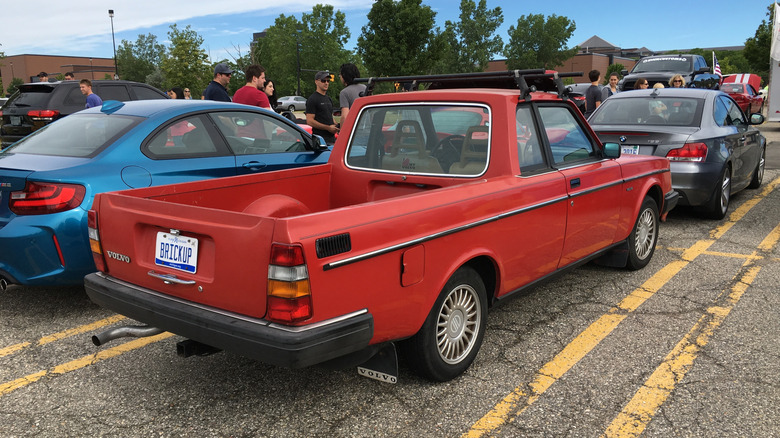
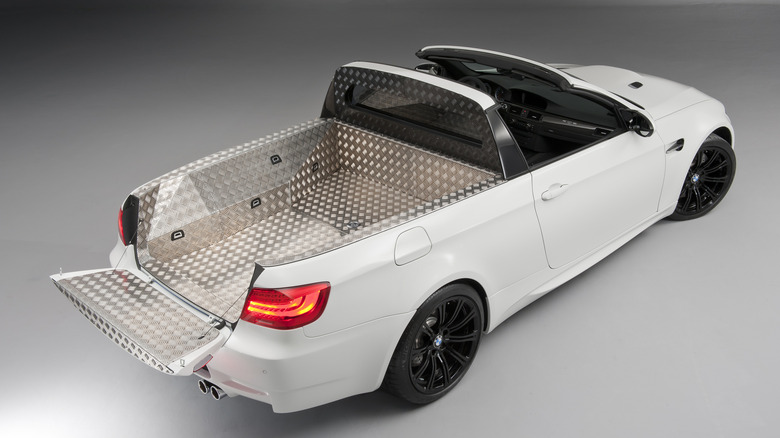
Volvo and BMW are seen as candidates for the "Ute"—a car-based utility vehicle popular in Australia. A Volvo pickup, emphasizing safety and Scandinavian design, would appeal to a niche market of environmentally conscious buyers who need occasional utility. For BMW, the suggestion often revolves around a performance-oriented utility vehicle, perhaps based on the X5 or X7, focusing on the "Sport Activity Vehicle" branding that the company has cultivated for decades.
Economic and Regulatory Implications
The introduction of new pickup trucks is not merely a matter of consumer desire; it is governed by complex regulatory and economic factors. The aforementioned Chicken Tax remains the primary barrier for international manufacturers, necessitating that any truck sold in the U.S. be built in North America (typically the U.S., Canada, or Mexico under USMCA guidelines).
Furthermore, Corporate Average Fuel Economy (CAFE) standards play a significant role. Small, light-duty trucks are subject to different footprint-based fuel economy targets than passenger cars. This regulatory environment is part of why the Ford Maverick Hybrid is so vital to Ford’s fleet average and why any new entrant from Mazda, Toyota, or Nissan would likely prioritize hybrid or electric powertrains.
The Broader Impact on the Automotive Industry
If manufacturers respond to this consumer demand, the impact on the automotive industry will be twofold. First, it will lead to a further erosion of the traditional sedan and hatchback markets, as "truck-lite" vehicles offer the same footprint with more versatility. Second, it will force the "Big Three" American automakers to innovate more aggressively at the lower end of their lineups.
The consensus among consumers and industry observers is that the pickup truck is no longer a monolith. It has fractured into several distinct categories: the heavy-duty workhorse, the full-size family cruiser, the mid-size adventurer, and the compact urban utility vehicle. As brands like Kia and Hyundai prepare to enter the arena with body-on-frame and unibody options, the pressure on established players like Mazda, Nissan, and Toyota to fill the remaining gaps in their portfolios continues to mount. The next five years are likely to see a diversification of the truck market that rivals the SUV explosion of the early 2010s, fundamentally changing the composition of American roadways.
Related posts: