Federal Judge Keeps Multi-Billion-Dollar Digital Equity Program Alive While Striking Down Racial Criteria

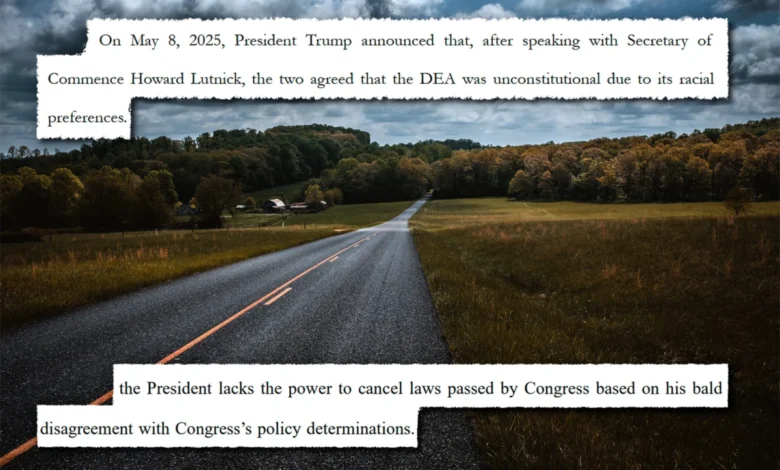
A federal court ruling issued in July has delivered a mixed verdict on the fate of a critical multi-billion-dollar federal initiative designed to bridge the digital divide in the United States. While U.S. District Judge John D. Bates firmly rejected the executive branch’s attempt to unilaterally dismantle the legislation, he simultaneously struck down the program’s race- and ethnicity-based funding criteria, ruling them unconstitutional.
The 35-page judicial opinion preserves the overarching structure of the Digital Equity Act, a $2.75 billion legislative cornerstone enacted under President Joe Biden’s 2021 infrastructure package. Yet, the decision forces a major administrative overhaul, creating a scramble among non-profit organizations, tribal nations, and local governments that rely on the grants to provide digital literacy training and internet access to vulnerable populations.
As federal agencies prepare to reissue modified grant applications by December, the ruling highlights an ongoing legal and political battle over equity programs, federal executive power, and the future of community-level digital infrastructure.
Chronology of a Policy Clash
The conflict surrounding the Digital Equity Act reflects a broader ideological tug-of-war over diversity, equity, and inclusion (DEI) initiatives within federal funding structures.
- November 2021: Congress passes the $2.75 billion Digital Equity Act as part of the broader bipartisan infrastructure framework, pairing it with expansive investments in physical broadband deployment under the "Internet for All" initiative.
- Late 2024: Republican lawmakers, led by figures such as Sen. Ted Cruz (R-Texas), pressure the National Telecommunications and Information Administration (NTIA) to pause competitive grant distribution, arguing that demographic-based preference criteria violate constitutional equal protection principles.
- January 2025: President Donald Trump takes office and signs executive orders targeting government DEI programs, characterizing them as illegal and wasteful. Shortly thereafter, Trump takes to social media to pledge "no more woke handouts" and brands the Digital Equity Act’s grant allocation methodology as unlawful.
- May 2025: The NTIA abruptly halts the distribution of Digital Equity Act grants, throwing state agencies, tribal communities, and advocacy groups into financial uncertainty.
- Summer 2025: The National Digital Inclusion Alliance (NDIA) files a federal lawsuit challenging the administration’s freeze. Meanwhile, during congressional hearings, NTIA head Arielle Roth faces sharp questioning from Democratic lawmakers over administrative delays and policy reversals.
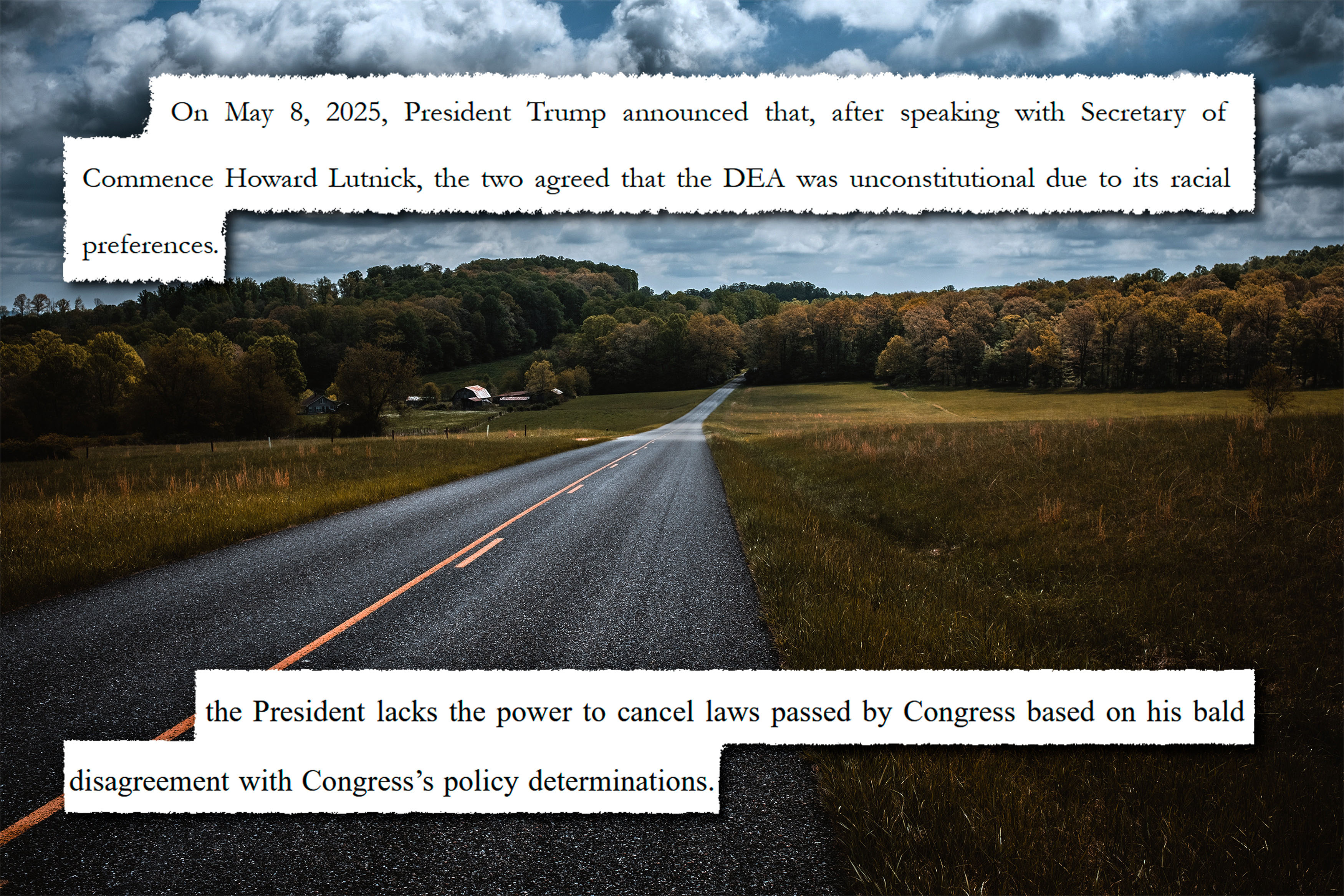
- July 2025: U.S. District Judge John D. Bates issues his ruling. He blocks the administration from killing the statutory program outright, affirming that the executive branch cannot cancel duly enacted legislation merely over policy disagreements. However, he sides with the administration regarding the unconstitutionality of using race or ethnicity as a direct metric for award distribution.
- August and Beyond: Attorneys for the federal government and plaintiffs file joint status reports indicating that the competitive grant program will be revived without racial classifications, with a targeted application relaunch set for December.
Legal Arguments and the Judicial Ruling
At the core of the courtroom battle was the tension between congressional authority and executive enforcement discretion. Lead federal attorney Patrick Butler argued during proceedings that Congress had failed to establish a compelling government interest—such as documented instances of historical discrimination within the specific broadband sector—to justify racial and ethnic classifications in the statute.
Crucially, Butler indicated to the court that if the demographic provisions could be legally severed from the rest of the law, the administration would willingly administer the funds without regard to race.
Judge Bates accepted this reasoning, applying the doctrine of severability. In his opinion, Bates wrote that the president lacks the constitutional authority to unilaterally defund or nullify statutes passed by Congress based on simple policy opposition. At the same time, the court agreed that explicit racial and ethnic criteria within the grant guidelines did not pass constitutional muster under current legal standards governing equal protection.
The ruling has drawn sharp commentary from lawmakers on both sides of the aisle. Sen. Patty Murray (D-Wash.), one of the primary legislative sponsors of the bill, expressed cautious vigilance. In a statement, Murray emphasized that the challenges of internet connectivity are self-evidently concentrated in low-income, rural, and tribal communities, explaining why the initiative originally garnered bipartisan support.
Conversely, critics of the original structure, such as Sen. Cruz, have maintained that categorical preferences overstep constitutional bounds. The NTIA, now led by Administrator Arielle Roth—who previously served as a top telecommunications aide under Cruz—has largely declined to comment on the ongoing administrative adjustments, though court filings confirm that preparations are underway to reopen the application process.

Ground-Level Realities and Socioeconomic Impact
While the legal battle unfolds in federal courtrooms and congressional hearing rooms, the operational pauses have rippled directly into communities that depend on digital literacy programs to navigate daily life.
The Digital Equity Act was explicitly designed to assist historically underserved demographic segments, including low-income households, senior citizens, rural residents, veterans, incarcerated individuals, and racial or ethnic minorities. Recent data underscores the persistence of the digital divide. Pew Research Center polling from 2025 indicates that home broadband subscription rates among Black adults (71%) and Hispanic adults (68%) continue to lag behind those of white (81%) and Asian adults. Furthermore, rural communities consistently report lower rates of reliable high-speed internet access compared to urban and suburban areas.
Organizations like the NDIA were slated to receive nearly $26 million to distribute across more than a dozen subrecipients, including tribal nations like the Oklahoma Cherokee Nation, educational institutions like Portland Community College, and regional nonprofits.
The temporary funding freeze has forced many of these groups to scale back operations. In western Ohio, Jamie Huber, director of community services at the Northwestern Ohio Community Action Commission, described the scramble to sustain digital navigator programs that assist unemployed, homeless, and elderly residents. Huber noted that internet access is no longer a luxury but an absolute prerequisite for basic survival—required to search for housing, secure employment, pay utility bills, and access telehealth portals.
Similarly, in western Pennsylvania, Computer Reach Executive Director Dave Sevick reported staff and operational reductions. The nonprofit, active since 2001, has refurbished and distributed tens of thousands of computers to families identified through local schools and churches, attempting to mitigate the steep costs of hardware and broadband subscriptions.

Implications for Future Federal Policy
The resolution of the NDIA lawsuit and the impending December application relaunch represent a significant turning point, but broader questions remain regarding state-level capacity grants. States such as California, which was awarded a $70 million state capacity grant, face parallel scrutiny from the Department of Justice over whether their distribution frameworks comply with evolving constitutional standards following Supreme Court rulings against affirmative action in higher education.
For digital equity advocates, the outcome is bittersweet. Angela Siefer of the NDIA acknowledged the disappointment of losing specific equity metrics while stressing that the primary objective remains ensuring the survival of the funding stream itself. As federal attorneys work to strip demographic classifications from the program guidelines, agencies across the country are preparing to adapt to a modified application landscape—one where the mandate to connect marginalized populations remains intact, even as the legal mechanisms to achieve it undergo profound transformation.