Apple CEO John Ternus Doubles Down on the iPhone as the Ultimate AI Hub in Historic First Keynote

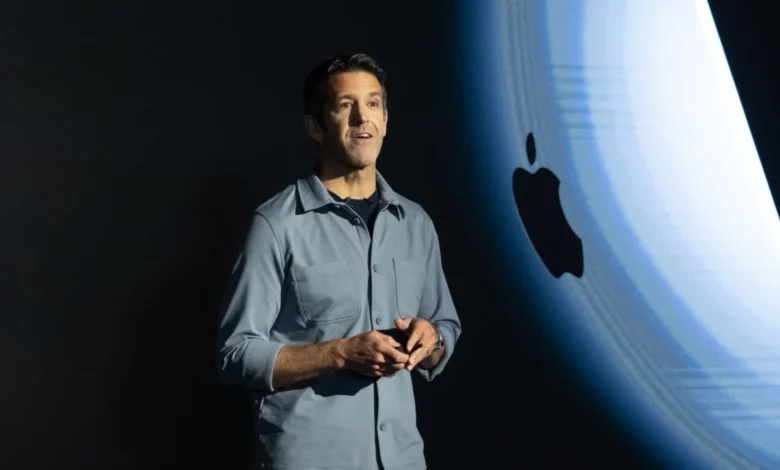
Apple stands at a critical juncture in its corporate evolution as the artificial intelligence era reshapes the global technology landscape. During his inaugural keynote address, newly appointed Apple CEO John Ternus delivered a definitive declaration regarding the company’s flagship product, effectively ending years of internal anxiety and external speculation regarding the post-smartphone horizon. Positioning the device firmly at the heart of Apple’s long-term product strategy, Ternus argued that the iPhone is uniquely engineered to serve as an intelligent personal hub. This bold assertion directly counters contemporary industry narratives suggesting that smartphones are approaching technological obsolescence, while simultaneously charting a departure from the strategic philosophy championed by his predecessor, Tim Cook.
The transition in leadership arrives at a pivotal moment for consumer technology. As artificial intelligence integrates deeply into personal computing, tech analysts and industry pundits have increasingly questioned whether traditional glass-and-metal slabs can survive the onslaught of emerging form factors. Devices powered by ambient computing, spatial interfaces, and specialized AI wearables have been touted in various tech circles as the impending gravediggers of the smartphone. Yet, Ternus’s address served as a calculated rebuttal, framing the iPhone not as a dying relic of the mobile revolution, but as the most formidable and versatile computing apparatus ever devised for the burgeoning age of artificial intelligence.
Echoes of 2001: The Mac, the Digital Hub, and the iPod Precedent
To understand the weight of Ternus’s strategy, industry historians must look back more than two decades to a remarkably similar philosophical defense mounted by Apple co-founder Steve Jobs. In July 2001, during a keynote presentation at Macworld New York, Jobs faced a barrage of skepticism from industry critics who proclaimed that the personal computer was entering its twilight years. Competitors and commentators alike argued that standalone digital devices—ranging from camcorders and personal digital assistants to early MP3 players—would soon render the traditional desktop computer obsolete.
Projecting a tombstone bearing the inscription "Beloved PC" onto the auditorium screen, Jobs systematically dismantled the prevailing bearish consensus. He argued that the PC was not dying, but rather entering its third great age. Crucially, Jobs introduced the concept of the "digital hub," a strategy wherein the Mac would serve as the central coordinating nexus, connecting, managing, and adding value to a constellation of surrounding peripheral devices.
Less than ten months after articulating this vision, Apple unveiled the iPod. The pocket-sized music player answered the market’s lingering questions about the practical limits of personal computing while driving astronomical profit growth and laying the foundational ecosystem architecture that would eventually birth the iPhone in 2007.
Today, as the iPhone approaches its twentieth anniversary, CEO John Ternus is channeling the spirit of that 2001 Macworld presentation. While technology markets wait to see if Apple is quietly incubating a revolutionary wearable device akin to the original iPod, Ternus has firmly rejected the notion that the smartphone’s best days are behind it. Instead, he has elected to fortify the existing foundation, asserting that the hardware ecosystem Apple has spent two decades refining is already the most logical home for advanced artificial intelligence.
The Hardware Advantage in the Compute-Hungry AI Era
The core of Ternus’s argument rests on the unmatched engineering convergence embedded within modern smartphones. During his keynote, the Apple CEO posed a fundamental design question to the audience: If an engineer were tasked with building the ideal personal intelligence hub from scratch, what specifications would be required? The answer, according to Apple’s leadership, closely mirrors the exact component architecture of a contemporary high-end iPhone.
A successful consumer AI hub demands an extraordinary synthesis of computing horsepower, high-resolution sensor arrays, low-latency persistent networking, and local machine learning accelerators. Modern processors—exemplified by Apple’s custom silicon chips such as the A18 Pro—deliver desktop-class performance levels within a thermal envelope small enough to slip into a trouser pocket. This localized processing power is critical for modern artificial intelligence models, which require massive computational bandwidth to execute complex natural language processing, real-time image rendering, and contextual reasoning without incurring the latency and privacy vulnerabilities associated with cloud-only architectures.
Furthermore, the ubiquity and portability of the iPhone grant it an insurmountable advantage over alternative computing categories. While consumers frequently leave laptop computers, tablets, and even specialized smartwatches at home or in the office, the smartphone remains a constant, trusted companion. Market research consistently demonstrates that for billions of global users, the smartphone functions as their primary—and frequently sole—computing device. By leveraging this deeply ingrained user habit, Apple positions its hardware to capture the highest volume of daily AI interactions.
Industry Reception and Competitive Landscape
The tech sector’s response to Ternus’s keynote has been marked by intense debate, reflecting a broader identity crisis within consumer electronics. Over the past several years, numerous venture-backed startups and established hardware competitors have attempted to unseat the smartphone by introducing ambient AI pins, intelligent pendants, augmented reality glasses, and standalone wrist-worn companions. Prominent industry headlines have routinely warned that the smartphone era is drawing to a close, urging legacy manufacturers to pivot aggressively toward post-phone form factors.
Despite these aggressive marketing pushes by competitors, alternative AI wearables have largely struggled to achieve mainstream consumer adoption. High price points, functional limitations, dependency on continuous cellular connectivity, and awkward social ergonomics have relegated most standalone AI gadgets to the status of niche novelties rather than mass-market replacements.
By contrast, Tim Cook’s tenure as CEO was characterized by a deliberate, multifaceted effort to convince Wall Street that Apple was transitioning into a services-driven and diversified hardware ecosystem—expanding heavily into wearables like the Apple Watch and AirPods, alongside digital services, augmented reality development, and financial products. While Cook successfully diversified Apple’s revenue streams, his strategic messaging occasionally created the impression that the iPhone, while still immensely profitable, was a mature asset whose hyper-growth phase had concluded.
Ternus’s strategic pivot diverges from Cook’s cautious diversification messaging by boldly reclaiming the iPhone as the undisputed centerpiece of Apple’s corporate identity. Rather than apologizing for the maturity of the smartphone or rushing to cannibalize its sales with unproven wearable categories, Ternus is leaning directly into the device’s undeniable strengths. In doing so, he is signaling to investors and consumers alike that the iPhone’s evolutionary runway is far from exhausted.
Strategic Implications for the Future of Consumer Technology
The ramifications of Apple’s reaffirmed commitment to the iPhone extend far beyond Cupertino, influencing software developers, component manufacturers, and competing platform giants. As Apple integrates its proprietary AI framework deeply into the iOS operating system, millions of legacy and newly upgraded devices instantly transform into capable agents of machine learning. This massive installed base provides developers with an unprecedented, standardized market for AI-driven applications, ensuring that software innovation remains anchored to the smartphone ecosystem.
For enterprise competitors such as Google, Microsoft, and Samsung, Ternus’s keynote serves as a clear validation of the mobile-centric AI strategy. While companies continue to experiment with ambient computing and spatial hardware, the core battleground for consumer artificial intelligence will evidently be fought on the screens of the devices users already carry.
As John Ternus steps into his role as CEO, his early leadership choices indicate a pragmatic return to core engineering principles combined with a steadfast defense of Apple’s most successful invention. By framing the iPhone as the ultimate personal intelligence hub for the artificial intelligence era, Ternus has successfully quieted the Cassandras of the tech industry. Whether this strategy will yield another multi-decade growth cycle remains to be seen, but for now, Apple has made its stance unmistakable: the smartphone is not stepping aside for the future—it is claiming it.