Crate & Barrel CEO plans a 50-store expansion to win customers from rivals: ‘It’s absolutely a market steal play.’ | Fortune

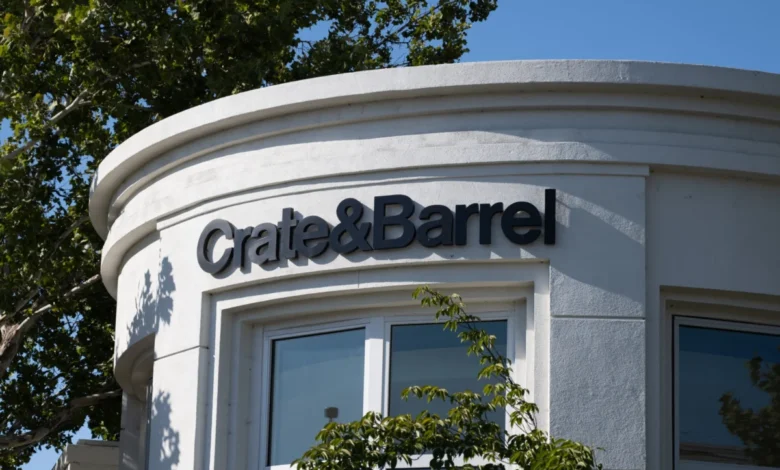
Since stepping into the role of CEO at Crate & Barrel in 2020, Janet Hayes has navigated one of the most volatile periods in the history of the home furnishings industry. Inheriting the top post during the onset of a global pandemic, Hayes faced an immediate cascade of challenges: shuttered retail locations, snarled international logistics, and shifting consumer spending habits. However, rather than retreating into a defensive posture, Hayes has leveraged these disruptions to fundamentally re-engineer the company’s operations. As the furniture sector currently faces a period of stagnation in the United States, Hayes is pivoting toward an offensive strategy aimed at capturing market share from competitors through a combination of supply chain diversification, technological integration, and an ambitious retail footprint expansion.
A Chronology of Crisis and Transformation
The timeline of Hayes’ tenure is marked by a deliberate transition from reactive crisis management to strategic growth. In 2020, the retail landscape was upended by COVID-19, which caused a sudden spike in demand for home goods followed by severe supply chain bottlenecks.
By 2021, as global trade faced repeated tariff shocks and port congestion, Hayes initiated a comprehensive audit of the company’s sourcing model. Recognizing that reliance on a narrow geographic footprint was a structural weakness, she began the process of diversifying the supplier base. A key pillar of this strategy was shifting production away from traditional hubs and increasing sourcing from Vietnam. Simultaneously, the company began "reshoring" or near-shoring specific categories, most notably moving a larger portion of upholstery manufacturing back to the United States to reduce transit times and mitigate exposure to trans-Pacific shipping volatility.
In 2022 and 2023, the focus shifted toward infrastructure. The company underwent a top-to-bottom overhaul of its digital ecosystem, implementing advanced warehouse management software and sophisticated demand-forecasting tools. By integrating these systems, Crate & Barrel improved its ability to position inventory closer to high-demand regions, thereby reducing shipping costs and improving delivery timelines for consumers.
Supporting Data and Financial Context
Crate & Barrel, a subsidiary of the privately held German retail giant Otto Group, operates in a sector currently defined by low growth. According to recent data from the U.S. Census Bureau and furniture industry analysts, the home furnishings category has seen a plateau in consumer spending following the pandemic-era boom. Despite this, the Otto Group reported a 1.6% revenue increase for Crate & Barrel in the previous fiscal year, a figure that, while modest, outpaces the general contraction seen among several mid-market furniture rivals.
The company’s strategy for the next five years is rooted in a "market steal" approach. Hayes has outlined a roadmap to open 30 new Crate & Barrel and CB2 locations within the next three years, followed by an additional 20 stores in the subsequent two years. This expansion is significant, as it adds 50 locations to the existing fleet of approximately 100 stores—a nearly 50% increase in brick-and-mortar presence at a time when many retailers are consolidating their physical footprints.
Operational Shifts: The "Market Steal" Strategy
Hayes, whose background includes senior leadership roles at Williams-Sonoma and Nike, has focused on flattening the corporate hierarchy to increase organizational agility. In the furniture industry, where trends can shift rapidly and supply chain lead times are notoriously long, the ability to make data-driven decisions quickly is a competitive advantage.
Beyond logistics, the consumer-facing side of the business has been redesigned to appeal to an inflation-weary demographic. The integration of "buy-now, pay-later" (BNPL) payment options serves as a direct response to the rising cost of living, allowing consumers to spread the cost of high-ticket items over several months. This move reflects a broader trend in retail, where financing options are becoming a prerequisite for maintaining conversion rates on big-ticket furniture items.
During a recent visit to the new CB2 flagship in the Chelsea district of New York, Hayes highlighted the aesthetic and quality-focused changes meant to differentiate the brand. "We are building better quality products," Hayes stated. By introducing warmer wood tones, more comprehensive textile swatches, and expanded rug displays, the company is attempting to elevate the in-store experience to justify premium pricing and attract a more discerning clientele.
Fact-Based Analysis: The Risks and Implications
The aggressive expansion plan carries inherent risks, particularly in a high-interest-rate environment where consumer discretionary spending is under pressure. Building and staffing 50 new retail locations requires significant capital expenditure. However, the logic behind the expansion appears to be predicated on the consolidation of the furniture market. As smaller, less efficient retailers struggle to manage their inventories or maintain margins, the companies with the most robust supply chains and the best brand positioning are expected to absorb their market share.
The reliance on technology to "map" the supply chain is a defensive moat. By having better visibility into where products are manufactured and how they move through the ocean freight network, Crate & Barrel is less susceptible to the "bullwhip effect"—a phenomenon where small fluctuations in retail demand cause massive disruptions in the supply chain.
Moreover, the shift toward higher-quality materials and an elevated in-store experience indicates a move upmarket. By positioning itself as a "bridge" between mass-market furniture and ultra-luxury custom pieces, Crate & Barrel is attempting to insulate itself from the price-sensitive bottom of the market, where competition is most intense and margins are razor-thin.
Industry Perspective and Broader Impact
Industry observers note that Hayes’ philosophy—"Don’t let a good crisis go to waste"—has been the guiding principle for many successful retail turnarounds. By using the instability of the pandemic as a catalyst for internal restructuring, she has effectively forced the organization to shed legacy inefficiencies.
However, the challenge remains the culture. Hayes has emphasized that while logistical mapping and vendor selection are vital, the execution rests on the human element. Flattening the decision-making process is designed to empower employees at the store and regional levels to react to local market trends without waiting for centralized approval. This decentralized approach is a departure from traditional retail management, which often relies on a "command and control" structure from the corporate office.
The implication for the wider furniture industry is clear: the era of "business as usual" is over. Competitors that rely on traditional, slow-moving supply chains and rigid retail models are likely to find themselves at a disadvantage. As Crate & Barrel moves forward with its expansion, the success of this strategy will likely serve as a case study for how legacy retailers can modernize in the face of macroeconomic headwinds.
Looking Ahead
As Crate & Barrel prepares for the next phase of its growth, the leadership team must balance the costs of aggressive physical expansion with the need for continued digital investment. The retail environment remains unpredictable, with potential for further geopolitical instability affecting trade routes and inflation influencing consumer sentiment.
Nevertheless, Hayes’ approach suggests a high level of confidence in the brand’s current trajectory. By betting on a combination of increased physical presence, supply chain resilience, and a commitment to product quality, the company is positioning itself not merely to survive the current economic cycle, but to emerge as a more formidable force in the home furnishings market. Whether this "market steal" play proves successful will be determined by the company’s ability to maintain its operational discipline while scaling its retail footprint in a highly competitive and fragmented industry.