Congressional Democrats Demand Transparency From Trump Administration Over Delays and Cuts to $50 Billion Rural Health Fund

Washington — A coalition of congressional Democrats is intensifying pressure on the Trump administration, demanding definitive answers and heightened financial transparency following an unexplained nine-day delay in the distribution of annual awards from a critical $50 billion federal fund designed to bolster healthcare infrastructure across rural America.
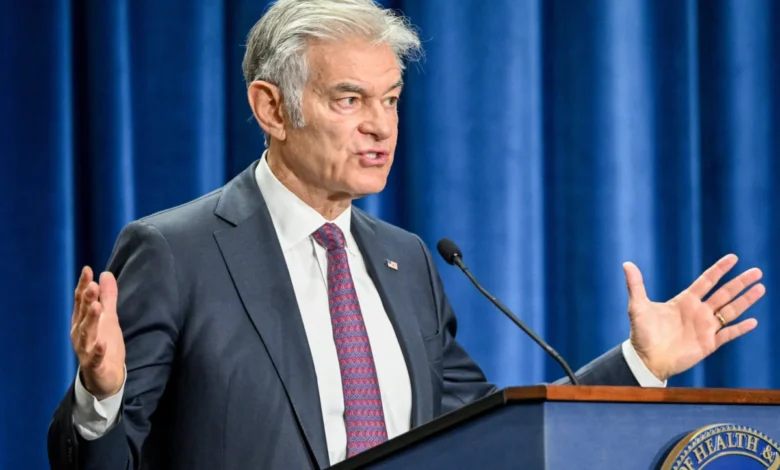
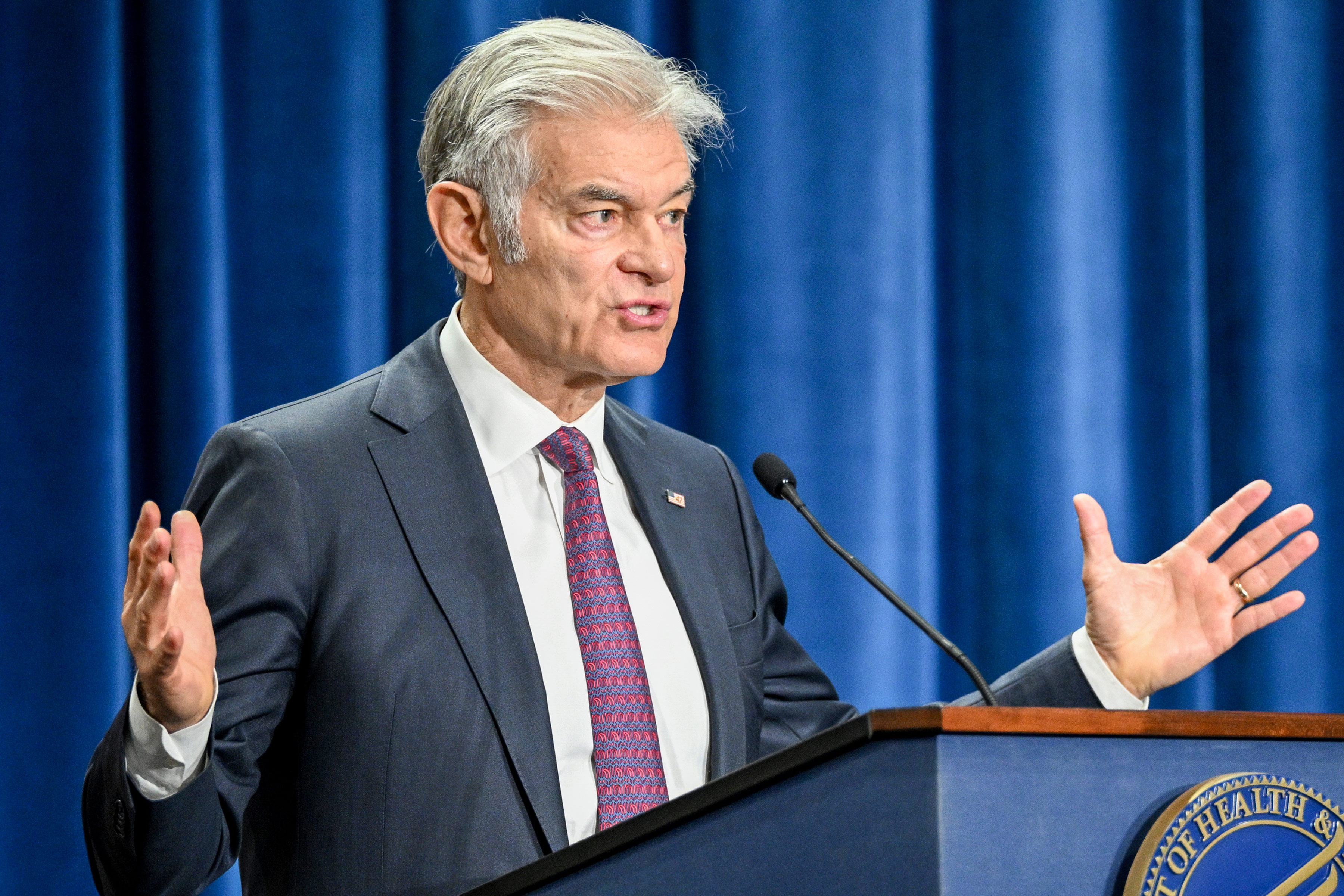
Describing the current state of rural medicine as an "acute crisis," 18 bipartisan and Democratic members of Congress dispatched a formal oversight letter late Thursday to Centers for Medicare & Medicaid Services (CMS) Administrator Mehmet Oz. The congressional missive sharply criticizes what signatories term an "alarming lack of public transparency" surrounding the distribution metrics. Furthermore, lawmakers warned that the monumental fund currently "lacks sufficient guardrails to protect rural hospitals at greatest risk of closure," raising profound questions about whether taxpayer dollars are reaching frontline medical providers or being diverted to administrative overhead and corporate consultants.
The controversy centers on the second-year allocations of the Rural Health Transformation Program, a multi-year initiative established in the wake of sweeping federal budgetary legislation. As lawmakers and healthcare advocates scrutinize the shifting numbers, the fallout highlights deep anxieties over the financial viability of America’s rural healthcare safety net.
Main Facts and Legislative Background
The Rural Health Transformation Program was originally enacted by Republican lawmakers last summer as a legislative offset—often described by critics as a legislative sweetener—meant to counterbalance the severe fiscal ramifications of President Donald Trump’s signature budget and tax reconciliation package. Among the law’s most controversial provisions were an estimated $137 billion in federal Medicaid spending cuts slated to hit rural communities over a ten-year horizon.
Because rural hospitals, community health clinics, and vulnerable populations disproportionately rely on Medicaid reimbursements, supplemental food assistance, and federal grants, healthcare experts have repeatedly questioned the long-term efficacy of the $50 billion injection. The fund distributes money at a rate of $10 billion per year over a five-year lifecycle.
In its inaugural year, states scrambled through a compressed, seven-week application window to compete for their initial share of the capital. Awards during the first year ranged widely from $147 million to $281 million per state, distributed via a complex federal scoring matrix overseen by CMS and its newly formed Office of Rural Health Transformation.
However, as the program entered its second year, fluctuations in state funding allocations have ignited political friction. Most states experienced modest funding adjustments of less than 2%, with North Dakota and Iowa recording the largest gains. Conversely, states such as New Jersey, Florida, and Vermont absorbed the steepest reductions.
Lawmakers representing states that experienced funding cuts have spearheaded the current congressional pushback. Representative Nikki Budzinski of Illinois noted that her state suffered a roughly 1.5% reduction—amounting to $3 million less than its $193.4 million first-year allocation—without receiving any formal justification from federal regulators.
Chronology of Delays and Administrative Hurdles
The friction between Capitol Hill and the executive branch has been exacerbated by administrative bottlenecks and missed deadlines.
According to statutory guidelines and initial schedules, the second-year rural health awards were formally scheduled to be announced by October 31. However, just one day prior to the deadline, on October 30, CMS issued an unexpected notification stating that agency officials had "discovered an additional administrative process requirement" that necessitated a pause in the announcement schedule.
The nine-day delay culminated in the formal release of the $10 billion second-year awards on November 9. The postponement was first reported by KFF Health News, drawing immediate scrutiny from state leaders and federal lawmakers who rely on predictable funding streams to budget for regional healthcare needs.
This recent delay is merely the latest chapter in a prolonged tug-of-war between Congress and health officials regarding the implementation of the transformation program. The chronology of congressional oversight includes:
- July 2025: Shortly after the enactment of the federal budget law, congressional Democrats sent an initial inquiry to Health and Human Services (HHS) Secretary Robert F. Kennedy Jr. regarding the rollout strategy for the rural health fund.
- November 2025: Representative Budzinski reached out directly to CMS Administrator Mehmet Oz on behalf of Illinois stakeholders to secure clarity on state-level distributions.
- June 2026: A bipartisan group of lawmakers—including Senator Michael Bennet (D-Colo.), Senator Susan Collins (R-Maine), Senator Alex Padilla (D-Calif.), and Senator John Hickenlooper (D-Colo.)—sent a formal letter urging that remaining funds be aggressively targeted toward emergency rescue operations for failing rural hospitals and clinics.
- Late October 2026: CMS announces an administrative delay just 24 hours before the statutory announcement deadline for year-two funding.
- November 9, 2026: CMS officially unveils the $10 billion second-year allocations. Simultaneously, the National Rural Health Association (NRHA) releases a critical assessment letter outlining systemic flaws in the program’s execution.
- Late November 2026: Eighteen members of Congress dispatch an oversight letter to Administrator Oz demanding detailed answers by November 25, alongside requests for formal briefings and a searchable public spending database.
According to Representative Budzinski, federal health agencies have failed to provide comprehensive responses to any of these prior congressional inquiries, leaving state lawmakers in the dark regarding appeals processes and performance evaluations.
Supporting Data and Divergent State Impacts
The distribution formulas governing the Rural Health Transformation Program have produced notable winners and losers across the country. While the overarching intent of the $50 billion fund is to modernize care delivery and prevent systemic collapse, the granular mechanics of the scoring system have left several states grappling with unexpected budgetary shortfalls.
Data compiled from the second-year rollout indicates that North Dakota reaped the most significant financial gains relative to its baseline, while New Jersey sustained the most substantial reduction. Other states, such as Alabama and Colorado, saw their allocations trimmed by millions of dollars, creating acute administrative challenges for local health authorities.
Representative Terri Sewell of Alabama, whose state experienced a $4.1 million funding drop, joined Budzinski and Senator Bennet in leading the latest congressional oversight effort. State leaders argue that any reduction in base funding—coupled with administrative delays—undermines their ability to plan for the cascading impacts of simultaneous federal funding cuts.
Furthermore, healthcare analysts point to the persistent threat of hospital closures as evidence that current funding mechanisms are failing to protect vulnerable institutions. Data curated by the Cecil G. Sheps Center for Health Services Research at the University of North Carolina indicates that at least five rural hospitals have closed or drastically converted into lower-level emergency facilities since the inception of the rural fund. Among them is a facility in Michigan that was forced to shutter inpatient beds and pivot exclusively to emergency triage services to stave off total financial collapse.
Official Responses and Industry Concerns
Neither CMS nor the newly established Office of Rural Health Transformation provided timely responses to inquiries ahead of publication deadlines. However, healthcare advocacy groups have voiced mounting alarm over how the billions in federal funding are ultimately being utilized on the ground.
Cara James, president and chief executive officer of Grantmakers in Health, addressed the systemic vulnerabilities of the program during a Milken Institute policy event, characterizing the fund metaphorically as "retail therapy for Congress." James cautioned that because the overarching tax and budget legislation simultaneously slashed Medicaid and nutritional assistance programs, the temporary injections of rural health funding would be insufficient to sustain struggling communities over the long term.
"If it’s even getting to the communities," James added, summarizing a pervasive fear among healthcare providers regarding administrative leakage.
Similar concerns were echoed by Alan Morgan, CEO of the National Rural Health Association. In a detailed assessment letter sent to federal officials on November 9, the NRHA emphasized that while state leaders are earnestly attempting to channel federal dollars to local hospitals and clinics to maintain essential care delivery, a troubling lack of visibility persists.
Morgan noted that the association’s analysis cannot definitively determine what proportion of the multi-billion-dollar fund directly supports local clinical operations versus how much is absorbed by outside entities, such as large management consulting firms and technology contractors.
"We need the methodology behind how states win and lose money to be articulated in a way that success can be replicated by all states going forward," Morgan said, calling for greater standardization and transparency in federal evaluations.
Broader Economic and Healthcare Implications
The ongoing dispute over the Rural Health Transformation Program underscores a fundamental tension in modern federal health policy: the challenge of balancing macro-level budgetary restructuring with the fragile micro-economics of rural healthcare delivery.
Rural hospitals operate under exceptionally thin profit margins, burdened by an aging, sicker demographic, higher uninsured rates, and persistent workforce shortages. When federal Medicaid cuts intersect with delayed grant allocations and opaque scoring metrics, the cumulative impact can push marginal facilities past the brink of insolvency.
In their November oversight letter, the 18 congressional signatories pressed Administrator Oz on several granular policy questions, demanding to know:
- Why specific states experienced unexpected funding reductions between year one and year two.
- What formal appeals processes are available to states seeking adjustments to their funding allocations.
- Whether CMS will establish a transparent, searchable public database to track the exact disbursement and utilization of every dollar allocated under the program.
- How federal evaluators measure state performance to determine future award distributions.
As Democrats prepare to assume control of congressional leadership committees—with Representative Budzinski slated to chair the expansive New Democrat Coalition—the pressure on executive health agencies is expected to intensify significantly in the upcoming legislative session.
For now, rural healthcare providers, state health officials, and congressional watchdogs await a substantive response from CMS as the deadline set by lawmakers looms, with the ultimate survival of America’s rural medical safety net hanging in the balance.
Related posts: