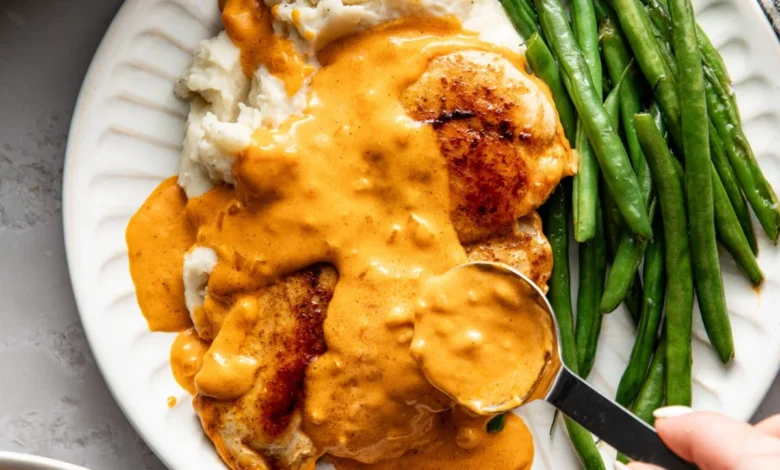
The intersection of comfort-oriented dining and time-efficient meal preparation has emerged as a significant trend in contemporary domestic gastronomy. Central to this movement is the increasing popularity of pan-fried protein dishes integrated with complex, flavor-dense sauces, exemplified by the rising demand for Cajun-inspired culinary applications. Recent data from consumer food behavior studies indicate that weeknight dinners—traditionally defined as meals prepared within 30 to 45 minutes—are undergoing a transformation, with home cooks prioritizing restaurant-quality flavor profiles in simplified, accessible formats.
The Evolution of the Weeknight Dinner
Historically, the weekday meal was characterized by utilitarian preparation. However, the post-pandemic landscape has shifted the home kitchen into a primary space for both sustenance and emotional regulation. Nutritional sociologists have noted that the "cozy" meal—a term frequently used to describe high-satiety, warm, and flavor-rich comfort food—serves as a critical psychological anchor for families navigating high-stress work-life balances. The preparation of a Cajun cream sauce, which utilizes a base of aromatics such as shallots combined with heavy cream and specific spice blends, represents an effort to replicate the sensory experience of upscale dining within the domestic sphere.
Technical Composition of the Dish
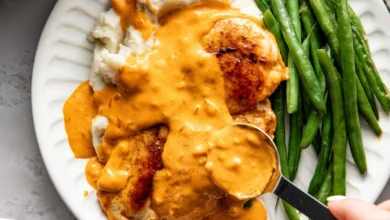
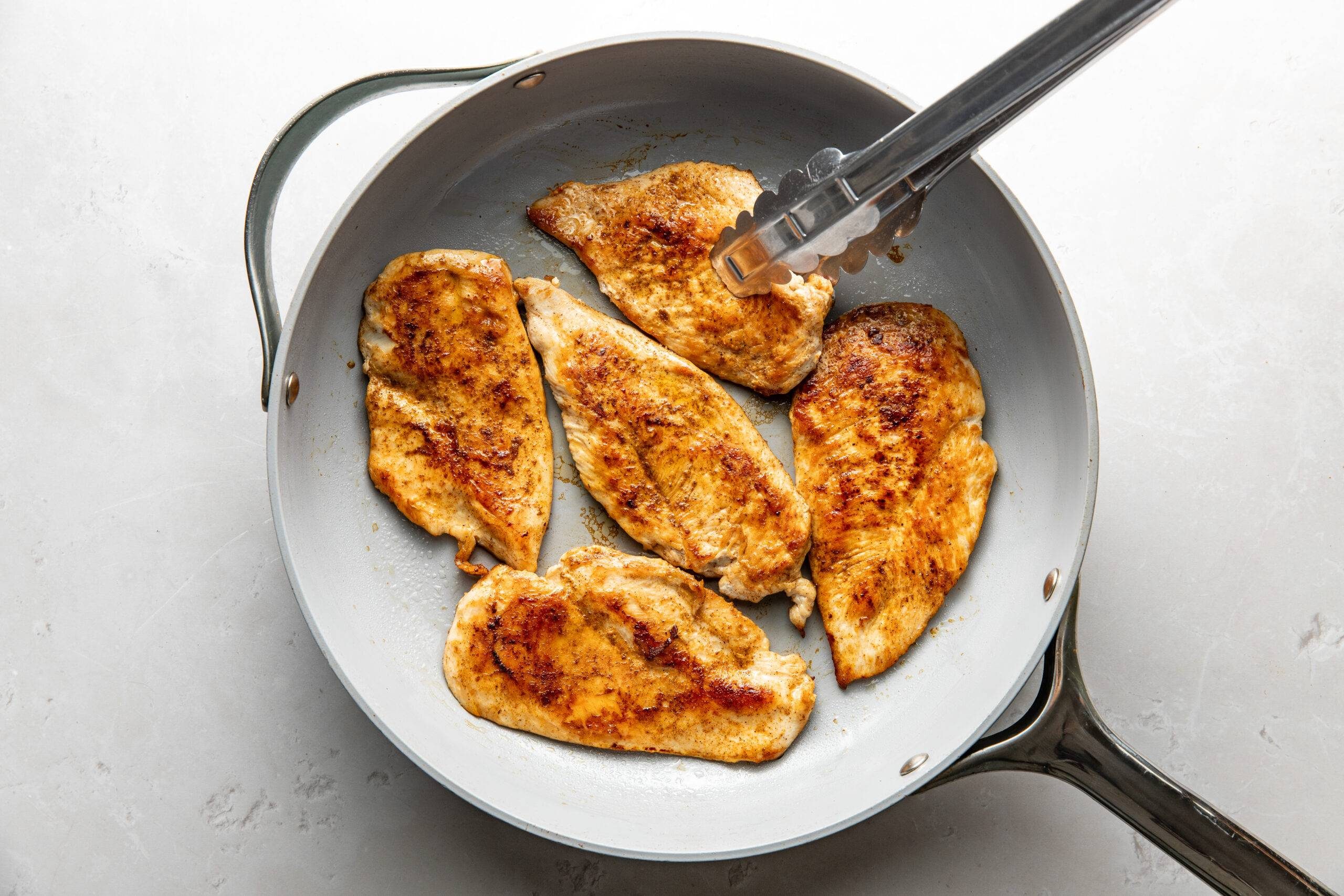
The preparation of pan-fried chicken with a Cajun cream sauce relies on a specific sequence of thermodynamic and chemical processes. The process begins with the Maillard reaction, where the protein (chicken) is seared at high heat to create a complex flavor profile on the surface of the meat.

The subsequent sauce development involves three distinct phases:
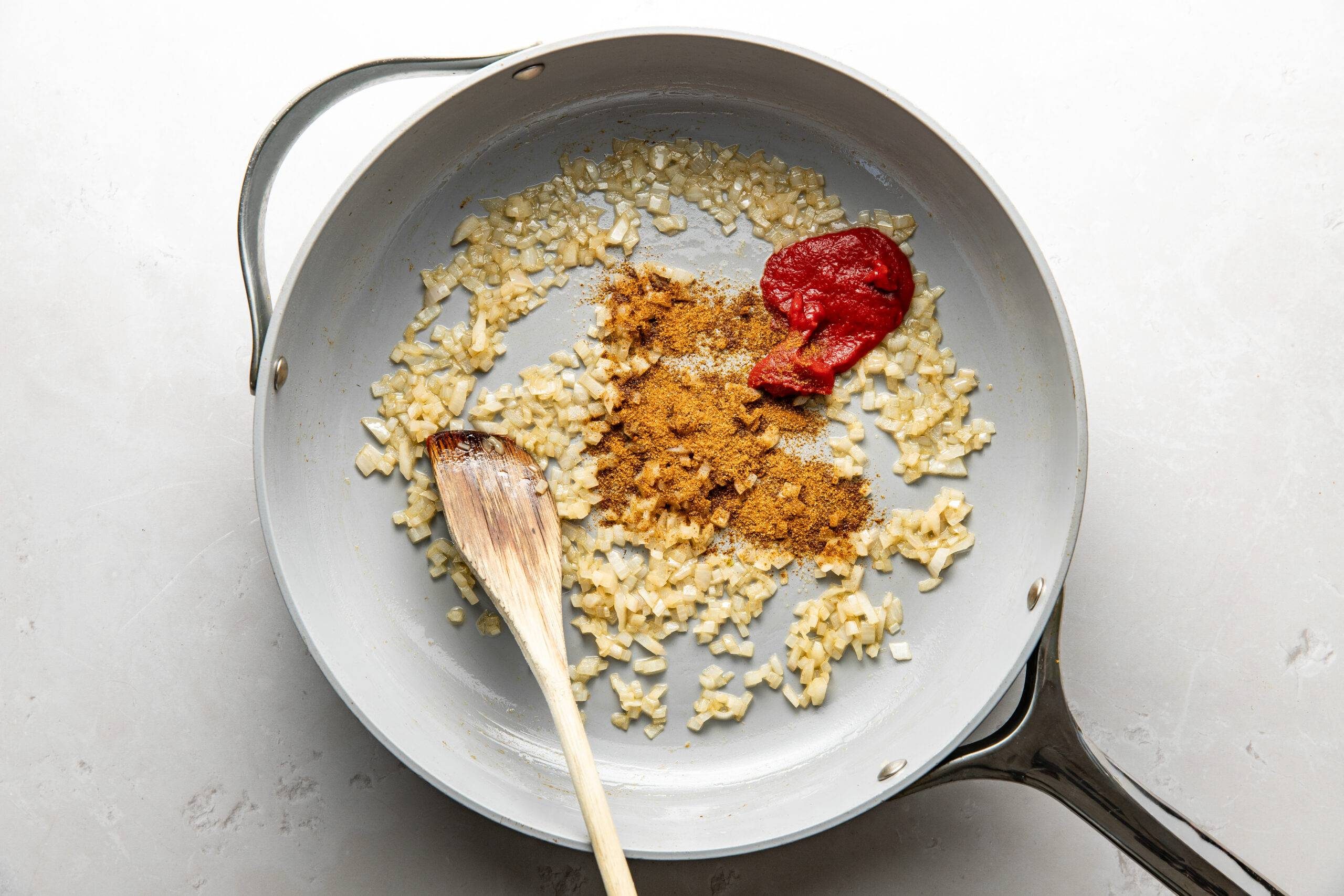
- Aromatic Base: The use of shallots, whether finely minced or mandoline-sliced for texture, serves as the foundation. These are sautéed to release sulfur-based compounds that provide a savory depth.
- Spice Infusion: The incorporation of Cajun seasoning—typically a blend of paprika, garlic powder, onion powder, cayenne pepper, and dried herbs—requires careful heat management to prevent the bitterness of scorched spices.
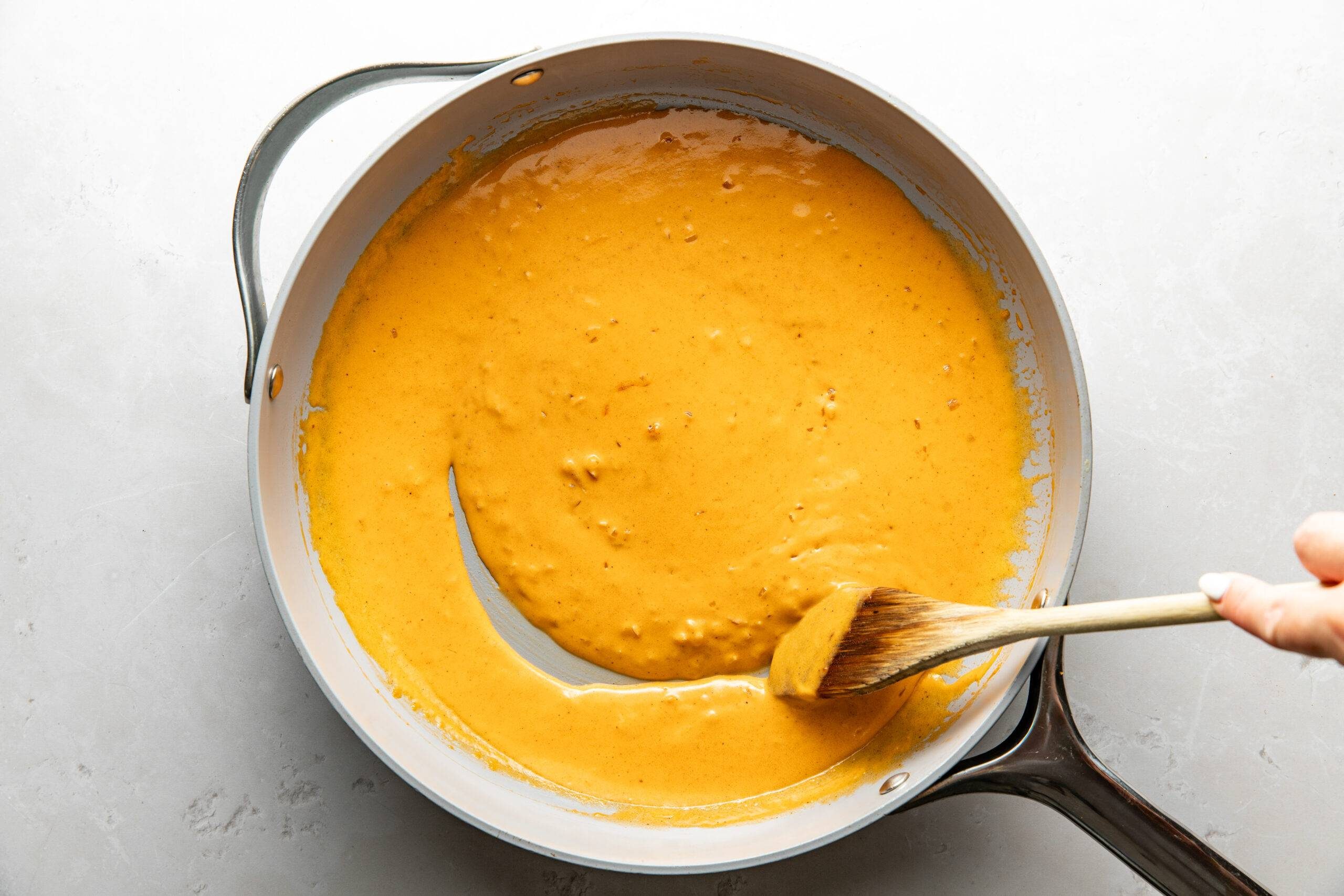
- Emulsification: The addition of heavy cream and stock creates a stable emulsion. When simmered, the water content reduces, and the fat molecules from the cream coat the chicken, ensuring a consistent flavor distribution.
Comparative Preparation Methods
The flexibility of modern cooking technology has expanded the procedural options for this dish. While the traditional skillet method allows for the deglazing of the pan—incorporating the flavorful brown bits (fond) left by the chicken directly into the sauce—alternative methods such as air-frying have gained significant traction.
Comparative analysis shows that while pan-frying offers a superior texture through direct heat contact with fats, the air fryer reduces total oil consumption by approximately 40% while maintaining a comparable internal moisture level. For busy households, the air fryer’s automated temperature control, typically set at 375 degrees Fahrenheit for 10 to 12 minutes, provides a standardized outcome that reduces the margin of error for the home chef.
Culinary Adaptations and Dietary Inferences
A notable trend in recent food blogging and culinary reporting is the "versatility index" of specific sauce recipes. Culinary experts suggest that a well-balanced Cajun cream base is not limited to poultry. Investigations into the adaptability of this sauce indicate that it serves as an efficient poaching medium for various proteins. For example, substituting chicken with jumbo shrimp requires a shorter cooking duration, as the shrimp can effectively poach in the residual heat of the sauce, reducing the total preparation time by roughly 15 minutes compared to chicken.

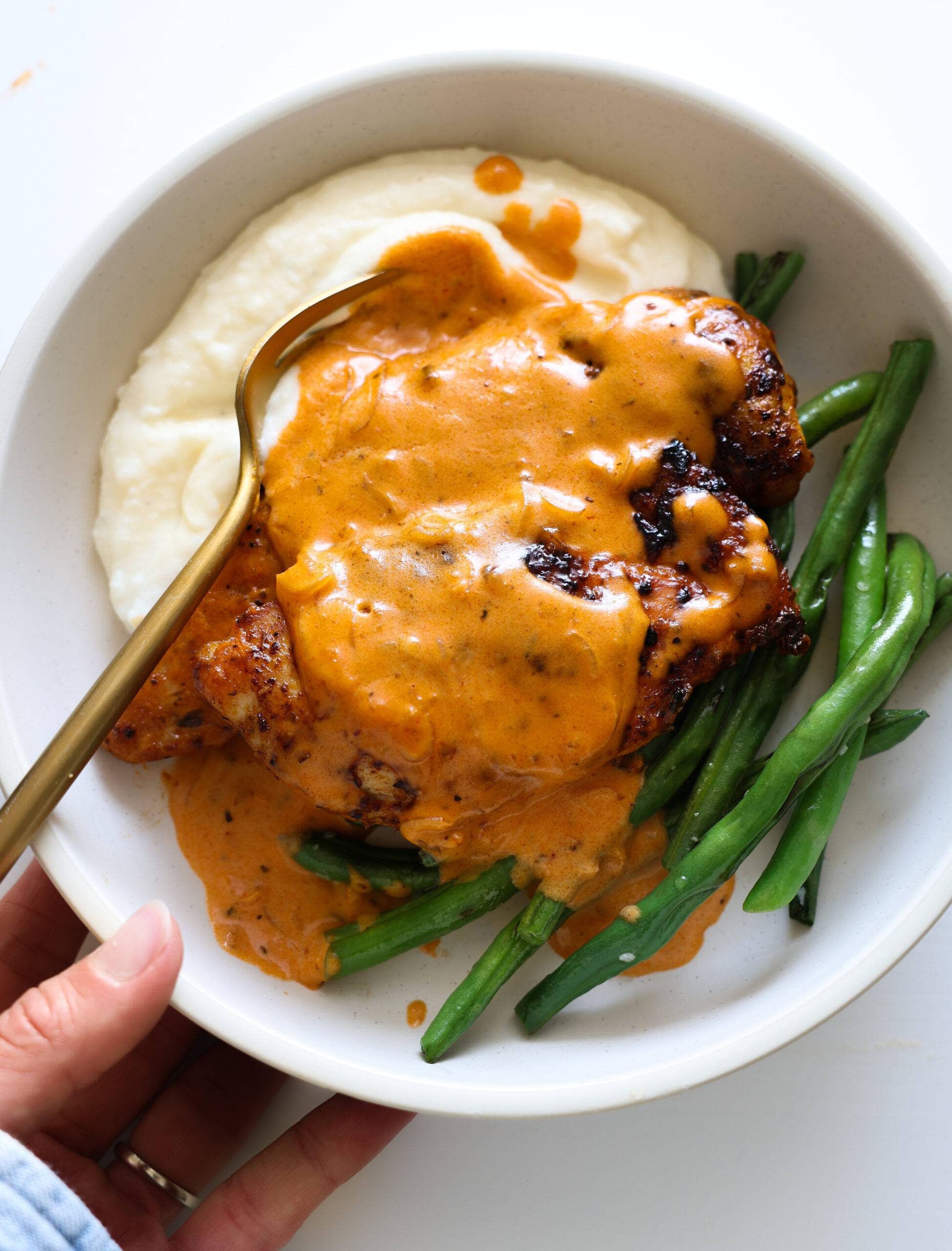
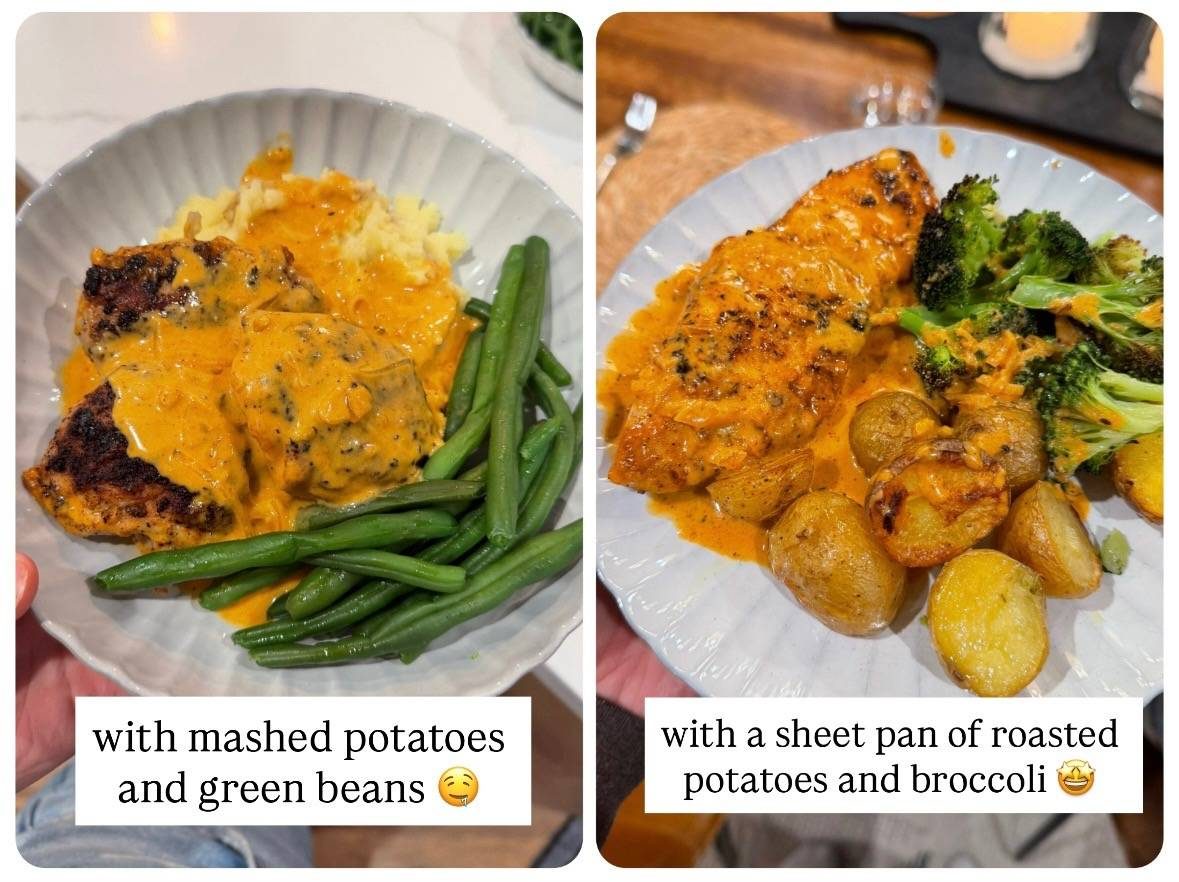
Furthermore, the integration of side dishes like mashed potatoes and green beans suggests a focus on the "balanced plate" philosophy. The starchy, neutral profile of potatoes acts as a palate cleanser against the high-fat, high-sodium content of the Cajun sauce, providing a nutritional contrast that is essential for a complete meal.
Broader Economic and Lifestyle Implications
The shift toward preparing these dishes at home has measurable economic implications. According to recent reports on consumer spending, the average cost of preparing a chicken-based meal with fresh sides for a family of four is approximately 60% lower than the cost of a comparable meal ordered from a mid-tier restaurant.
Beyond the direct financial savings, the "living room dining" trend—where families move away from formal dining tables to more relaxed environments—reflects a broader social shift. This behavior is often associated with a desire to dismantle the formality of the traditional dinner hour, replacing it with environments that facilitate bonding, such as communal media consumption. This environment, when combined with the sensory satisfaction of a comfort-focused meal, is cited by family therapists as a key factor in strengthening domestic cohesion.
Expert Perspectives on Home Cooking Trends
Industry experts have observed that the accessibility of digital tutorials—specifically short-form video content—has significantly lowered the barrier to entry for complex techniques. By visualizing the reduction of the cream sauce or the proper browning of shallots, home cooks are more likely to attempt recipes they would have previously deemed "professional-only."
"The rise of the ‘showstopper’ weeknight dinner is a direct response to the democratization of culinary information," notes one food industry analyst. "When a home cook sees a high-definition video of a sauce thickening, the intimidation factor drops. It moves the recipe from a theoretical list of ingredients to a replicable, tangible outcome."
Future Outlook: Sustainability and Seasonal Shifts
As seasons transition, the preference for heavy, cream-based sauces typically wanes in favor of lighter, acidic profiles. However, the "Cajun cream" archetype remains a resilient favorite due to its heavy reliance on pantry staples that remain available year-round. Future iterations of this dish are expected to lean further into sustainable ingredient sourcing, with a projected increase in the use of plant-based creams and locally sourced, seasonal vegetables as the foundation for the side dishes.
The adoption of such recipes underscores a broader cultural trend: the movement toward "meaningful convenience." Consumers are no longer satisfied with merely fast food; they seek a fusion of efficiency and high-quality sensory reward. The success of dishes like Cajun-style chicken, which offers a robust, complex, and comforting experience within a standard hour of labor, is a testament to the evolving expectations of the modern home chef. As technology continues to integrate with the kitchen, the ability to produce restaurant-grade outcomes with minimal effort will likely remain the gold standard for residential culinary success.