For millions of commuters, students, and professionals, the daily ritual of winding down with audio content—podcasts, audiobooks, or guided meditations—has become a cornerstone of modern sleep hygiene. However, this habit has long been plagued by a technical inefficiency: the inability of audio devices to recognize when a listener has transitioned from wakefulness to sleep. Consequently, users frequently wake up to find their progress bars advanced hours beyond their last conscious memory, leading to a tedious process of manual backtracking. This challenge has recently been addressed through a sophisticated integration of sensor technology and software optimization within Apple’s hardware ecosystem.
The Technological Evolution of Audio Playback
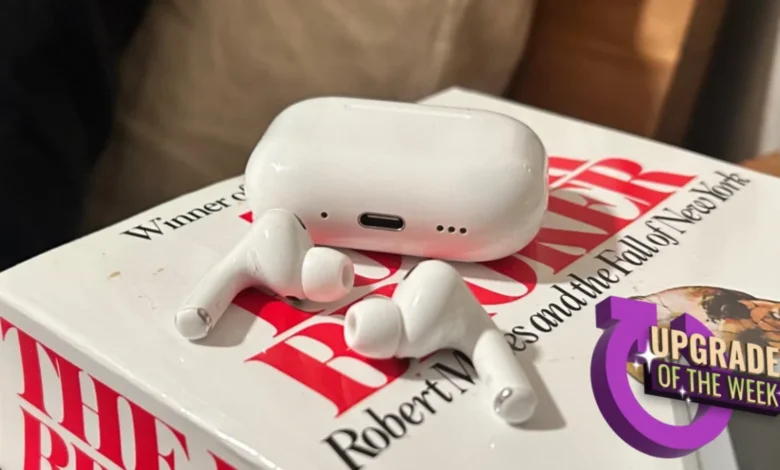
The introduction of the "Pause Media When Falling Asleep" feature, which debuted alongside the release of iOS 26 in the fall of 2025, marks a significant shift in how consumer audio hardware interacts with biological states. While previous iterations of wireless earbuds relied on rudimentary proximity sensors to detect if a device was in an ear, the new generation of Apple hardware—specifically the AirPods Pro 3, AirPods 4, and the recently launched AirPods 5—utilizes a high-precision accelerometer array to monitor subtle changes in user movement and physical state.
This innovation represents the culmination of years of research into "active state monitoring." By leveraging the same underlying technology that powers fall detection in the Apple Watch, the earbuds can differentiate between the restless movement of an active listener and the characteristic physical stillness of an individual entering the first stages of NREM (non-rapid eye movement) sleep. When the system detects the onset of these specific stillness patterns, it triggers an automated command to the host device to pause playback, effectively preserving the user’s position in their media library.
Chronology of Development
The integration of this feature did not occur in a vacuum; it follows a multi-year trajectory of Apple attempting to position its audio hardware as an essential component of personal health and wellness.

- 2022-2023: Apple began laying the groundwork for spatial awareness and advanced noise cancellation, which gained popularity among consumers using earbuds for sleep to block out environmental noise.
- Late 2024: Industry analysts observed a pivot in patent filings from Apple, focusing on "wearable biological data acquisition." These patents hinted at utilizing existing hardware sensors to monitor user vitals without the need for additional medical-grade equipment.
- September 2025: During the launch event for the AirPods Pro 3 and the roll-out of iOS 26, Apple officially introduced the "Pause Media When Falling Asleep" feature.
- November 2026: Widespread adoption of the feature has now reached a maturity phase, with the latest hardware updates confirming compatibility across the broader AirPods lineup, including the standard AirPods 4 and the recently released AirPods 5.
Supporting Data and User Experience Metrics
Market research indicates that the demand for "smart" sleep aids has grown by approximately 15% year-over-year. Prior to the release of this feature, a survey of podcast listeners revealed that over 65% of users reported frustration with their inability to manage playback overnight, often citing the loss of their place in long-form audio as a primary annoyance.
The technical efficacy of the feature is rooted in the latency of the accelerometer’s data sampling. By sampling motion at a rate of 100Hz, the earbuds can establish a baseline of "awake" activity levels. When the device remains within a 5% variance of total stillness for a sustained period—typically between 60 and 120 seconds—the software initiates the sleep protocol. This high degree of sensitivity ensures that the feature does not trigger prematurely while the user is simply lying still, such as while reading a book or watching television.
Official Perspectives and Industry Context
While Apple has kept the proprietary algorithms governing the "Pause Media" feature confidential, industry experts suggest this move is part of a broader strategy to dominate the "wearables as health tech" sector. "The move from being a simple audio output device to a peripheral that understands the user’s physiological state is the next logical step for the wearable industry," notes Dr. Aris Thorne, a specialist in consumer electronics interfaces. "By automating the management of media, Apple is reducing the cognitive load on the user, which is precisely the value proposition that drives long-term customer loyalty."
Competitors in the "sleep earbud" market, such as those producing dedicated, foam-based buds designed strictly for comfort and sleep tracking, now face a significant challenge. Previously, these devices were the only option for consumers seeking automated shut-off features. With the integration of this capability into mainstream, high-fidelity earbuds, the necessity for a secondary, specialized device has diminished significantly for the average consumer.
Broader Implications for Sleep Hygiene
The implications of this technology extend beyond mere convenience. Sleep experts have long warned against the dangers of "revenge bedtime procrastination"—the tendency to stay up later than intended to consume media. By providing a "soft stop" to the listening experience, the AirPods’ new feature helps create a psychological boundary, signaling to the brain that the period of engagement has concluded.

Furthermore, the data-driven approach to sleep hygiene is becoming increasingly personalized. While the AirPods do not currently provide the granular sleep-cycle reporting found in medical-grade polysomnography, they serve as a passive monitor that requires zero user input. This friction-less design is critical; the more effort required to manage a sleep aid, the less likely a user is to utilize it consistently.
Future Trajectory of Wearable Intelligence
Looking ahead, the success of the "Pause Media When Falling Asleep" feature sets a precedent for future OS updates. Industry insiders anticipate that subsequent iterations of iOS could integrate this feature with other health-tracking applications. For example, if the AirPods detect that a user is consistently falling asleep within a specific timeframe, the iPhone could automatically trigger "Sleep Focus" mode, dimming the screen, silencing notifications, and adjusting home smart-lighting systems—all triggered by the simple act of the user drifting off.
As the line between consumer electronics and health-monitoring devices continues to blur, the primary challenge for manufacturers will remain privacy. Apple has emphasized that the motion data collected by the earbuds is processed locally on the device (on-device processing), ensuring that physiological patterns are not uploaded to cloud servers. This commitment to privacy is essential for maintaining consumer trust as the depth of data collection increases.
In conclusion, the development of intelligent, sensor-driven audio management represents a significant upgrade in the utility of consumer wearables. By solving a long-standing point of friction in the user experience, companies like Apple are successfully transforming mundane daily habits—like listening to a podcast—into a more cohesive, technologically integrated lifestyle. As hardware continues to evolve, the capacity for our devices to anticipate our needs without explicit instruction will likely define the next decade of personal technology, moving us closer to a future where our devices function less as tools and more as seamless extensions of our daily routines.