The Rise of Batch Preparation as a Domestic Efficiency Tool
The concept of freezer-friendly meal prep is not new, but it has undergone a significant evolution in recent years, moving from simple leftovers to sophisticated culinary planning. The practice involves assembling raw or partially prepared ingredients into vacuum-sealed or freezer-safe bags, which are then stored at sub-zero temperatures. This method allows for a rapid transition from frozen state to finished meal, utilizing versatile kitchen appliances such as slow cookers, electric pressure cookers (Instant Pots), and standard stovetops.
Nutritionists and lifestyle experts suggest that this model provides several distinct advantages. Primarily, it reduces the frequency of spontaneous, often less-nutritious, fast-food consumption. By having pre-portioned meals ready, individuals can avoid the “decision fatigue” that often occurs at the end of a workday. Furthermore, the ability to utilize multiple cooking methods—specifically the flexibility between slow-cooking for convenience and pressure-cooking for speed—ensures that the system can accommodate varying schedules.
Chronology of the Modern Meal Prep Movement
The shift toward organized freezer meal systems can be traced back to the early 2010s, coinciding with the rise of digital recipe sharing and the widespread adoption of the Instant Pot. Initially, these methods were largely localized to niche parenting and home-economics blogs. However, as the economic climate shifted in the post-pandemic era, with rising food costs and increased awareness of household energy efficiency, the practice gained broader mainstream appeal.
In October, the seasonal transition typically prompts a shift in culinary preferences toward comfort-based, heartier ingredients. The current cycle of freezer meal preparation focuses on recipes that utilize seasonal staples, such as orchard-grown apples, hardy root vegetables, and protein-heavy bases like chicken and legumes. This October marks a notable uptick in searches for “efficient batch cooking” and “freezer-to-crockpot recipes,” signaling a broader societal move toward reclaiming domestic labor time.
Analysis of Seasonal Meal Components
A review of current successful freezer-meal models reveals a reliance on four core categories: breakfast items, poultry-based proteins, legume-based plant proteins, and nutrient-dense soups.

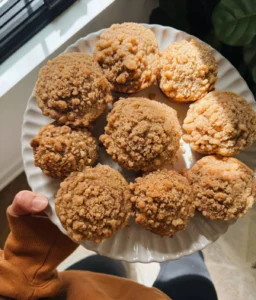
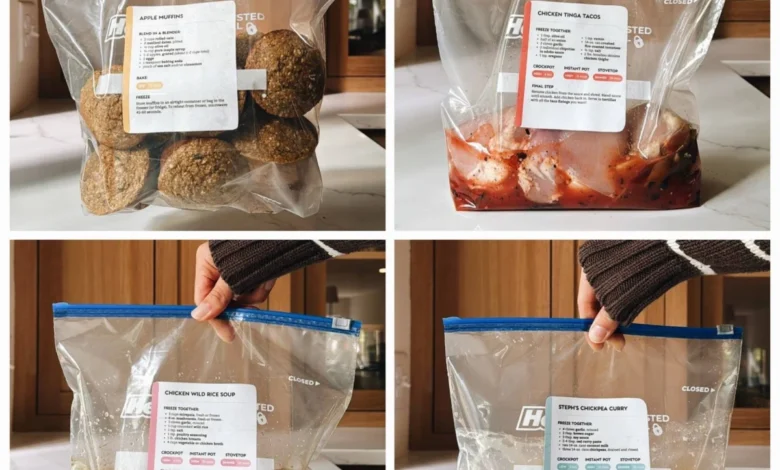
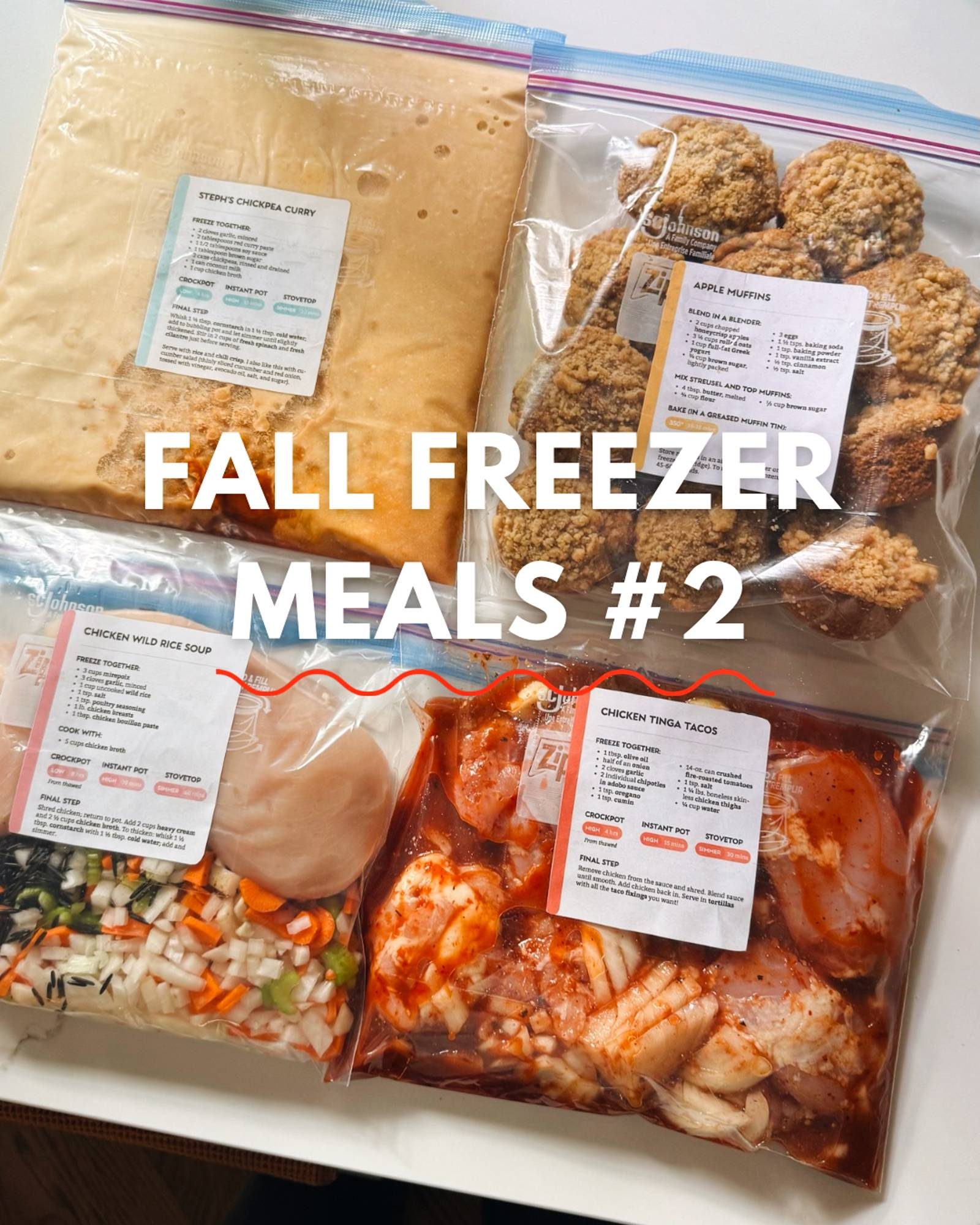
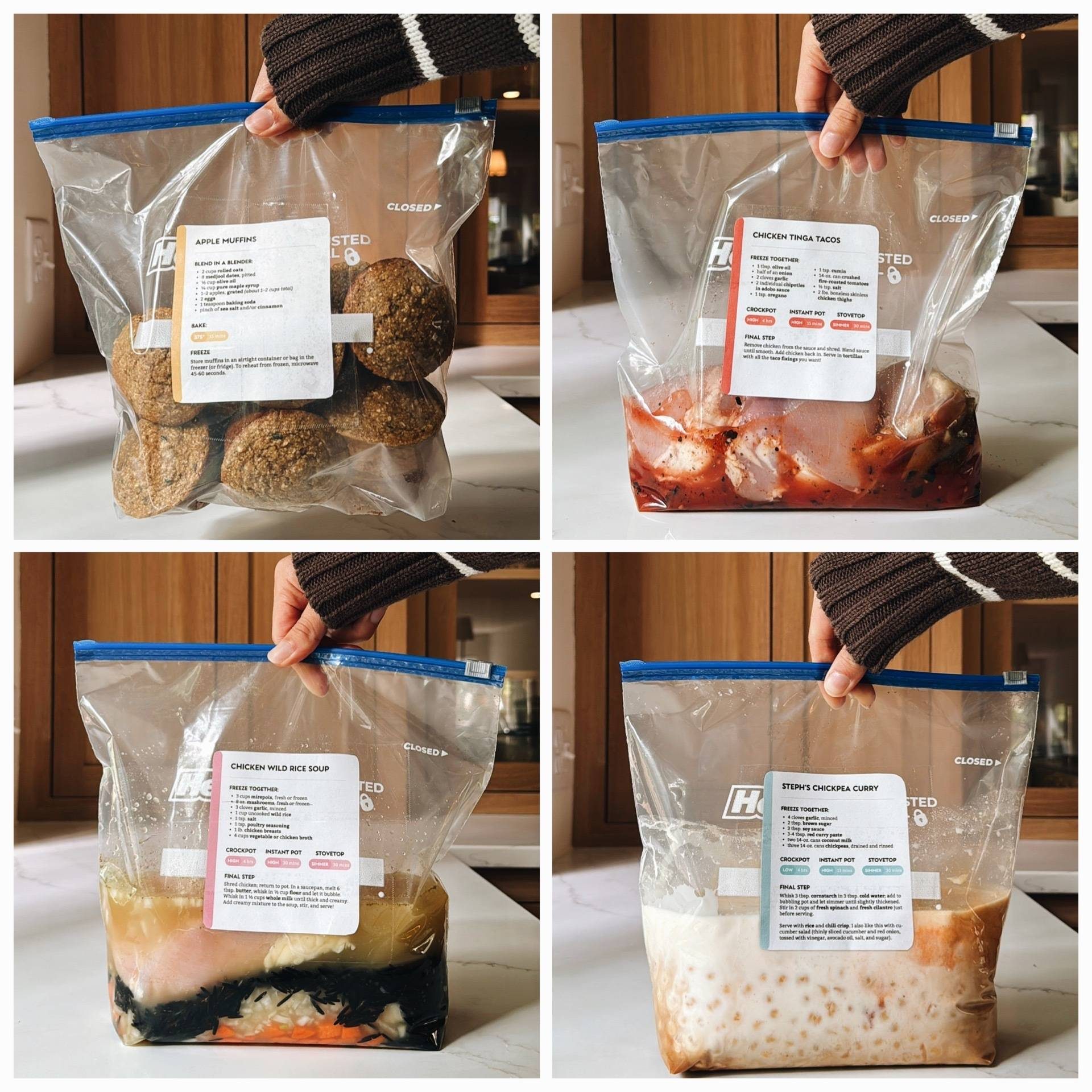
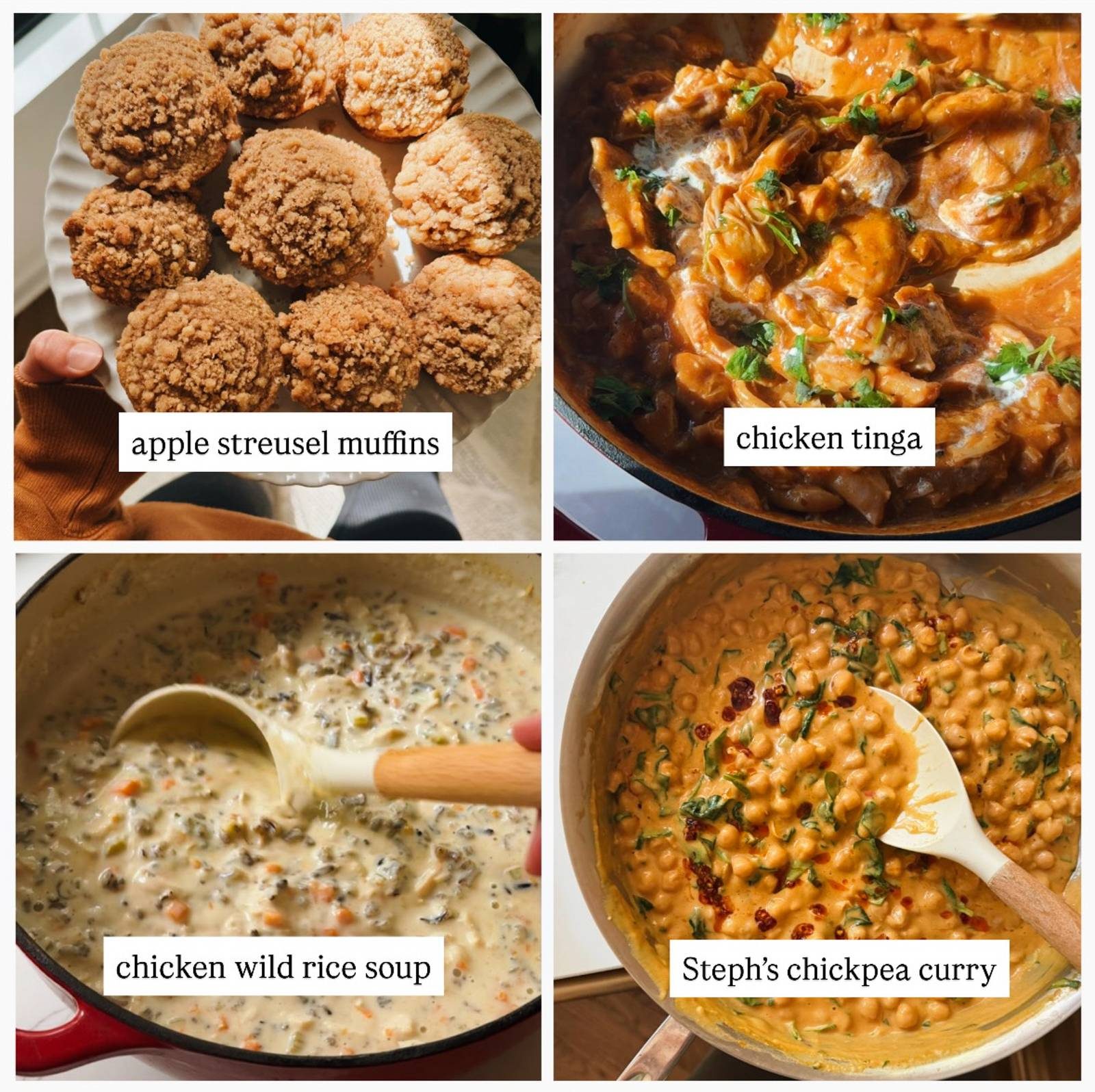
- Breakfast Staples: Baked goods, such as apple-infused muffins, are prioritized for their ability to withstand the freezing and reheating process without losing structural integrity. When properly sealed, these items maintain their moisture profile for up to 30 days.
- Poultry-Based Entrées: Chicken remains a primary choice due to its high protein content and adaptability. Recipes such as Chicken Tinga Tacos demonstrate the utility of concentrated sauces; by freezing the protein in its marinade or braising liquid, the meat remains hydrated during the extended cooking process.
- Legume-Based Proteins: Chickpea-based curries represent a shift toward high-fiber, shelf-stable plant proteins. These recipes are particularly effective for freezer storage because their flavor profile—often dominated by aromatics like ginger, garlic, and cumin—actually improves as the ingredients meld during the freezing process.
- Volume-Driven Soups: Chicken wild rice soup serves as a prime example of high-yield meal prep. By preparing the broth and base in bulk, families can produce up to ten servings in a single cycle, maximizing both kitchen space and energy efficiency.
Logistical Benefits of Standardized Prep
The primary challenge for home cooks attempting large-scale prep is the coordination of grocery procurement and the logistics of the assembly line. Professionals in the field recommend the use of standardized labels and dedicated grocery lists to prevent ingredient waste. The integration of printed instructional cards attached to storage bags serves a dual purpose: it acts as a visual inventory control and eliminates the need for digital device interaction during the cooking phase, thereby reducing the likelihood of cross-contamination in the kitchen.
From a cost-analysis perspective, purchasing ingredients in bulk for specific recipes—such as buying large quantities of onions, broth, and chicken—has been shown to reduce the per-meal cost by approximately 15% to 20% compared to individual shopping trips for single dinners.
Nutritional and Safety Considerations
When adopting a monthly freezer meal strategy, food safety remains the paramount concern. The United States Department of Agriculture (USDA) advises that food kept at 0°F (-18°C) or lower is technically safe indefinitely. However, to maintain the highest quality of texture and flavor, most meals should be consumed within three months.
The “thaw-and-cook” versus “cook-from-frozen” debate is often settled by the appliance used. Pressure cookers, for instance, are uniquely suited for frozen blocks of food, as they can safely transition the ingredients through the “danger zone” (40°F to 140°F) rapidly. Conversely, slow cookers require more caution; it is generally recommended that large, dense items be thawed in the refrigerator for 24 hours prior to starting a slow-cook cycle to ensure the internal temperature of the food rises quickly enough to prevent bacterial growth.
Broader Implications for Household Management
The adoption of these systems suggests a larger cultural shift in how modern families view the “second shift” of household chores. By treating dinner preparation as a logistical operation rather than a nightly artistic endeavor, households are finding more time for rest and non-domestic pursuits.
Experts in organizational behavior have noted that when households implement “batching” techniques—not just for food, but for laundry, cleaning, and financial management—the psychological stress associated with domestic upkeep decreases significantly. The freezer meal system, therefore, acts as a microcosm of a larger trend: the professionalization of home management.
Conclusion and Future Outlook
As we move deeper into the final quarter of the year, the reliance on high-efficiency, low-maintenance cooking solutions is expected to grow. The integration of technology, such as automated inventory apps, combined with the traditional, proven methods of freezer-bag preparation, creates a hybrid model that suits the demands of a modern workforce.
While the recipes for apple muffins, chicken tinga, and chickpea curry are specific to the autumnal palate, the underlying strategy is universal. Whether it is through the use of specific cooking durations for stovetop or pressure cooker methods, or the simple act of labeling bags to streamline the process, the goal remains consistent: the reduction of friction in daily life. For those seeking to replicate this system, the success lies in the preparation of the grocery list and the commitment to a singular, focused hour of assembly. By removing the guesswork from dinner, the modern home cook is not just saving time—they are curating a more sustainable and less chaotic domestic environment.