Karoline Leavitt Offers Professional Perspective on the Brief Tenure of Katie Zacharia as White House Press Secretary

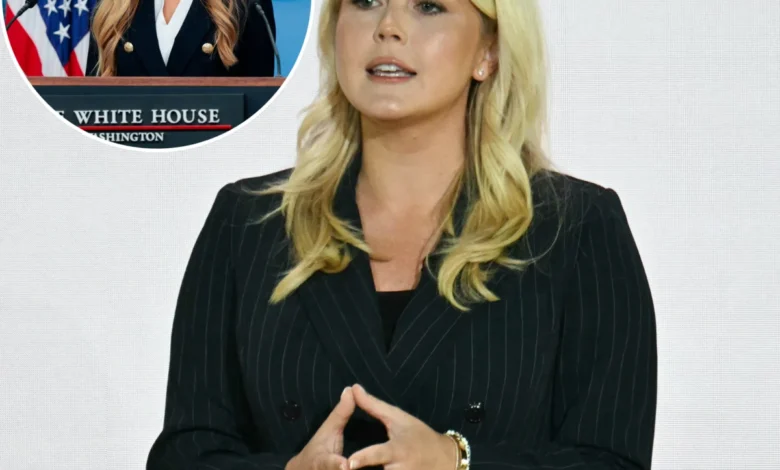
The revolving door of the Trump administration’s communications office has once again captured national attention following the abrupt departure of Katie Zacharia. After serving just five days in the high-pressure role of White House Press Secretary, Zacharia’s tenure concluded, prompting a reflective response from her predecessor, Karoline Leavitt. During an appearance on the October 23 episode of Real Time With Bill Maher, Leavitt—who stepped down from the position in August to focus on family commitments—offered a measured defense of the difficulty inherent in the role, emphasizing the extreme scrutiny that comes with the podium.
The transition, which saw Zacharia exit the administration on October 16, has reignited discussions regarding the vetting processes for senior executive branch officials and the specific demands of the Trump-era press office. While the White House has remained tight-lipped regarding the specific mechanics of the departure, the brevity of the appointment has left political analysts and observers to examine the broader implications for the administration’s communications strategy.
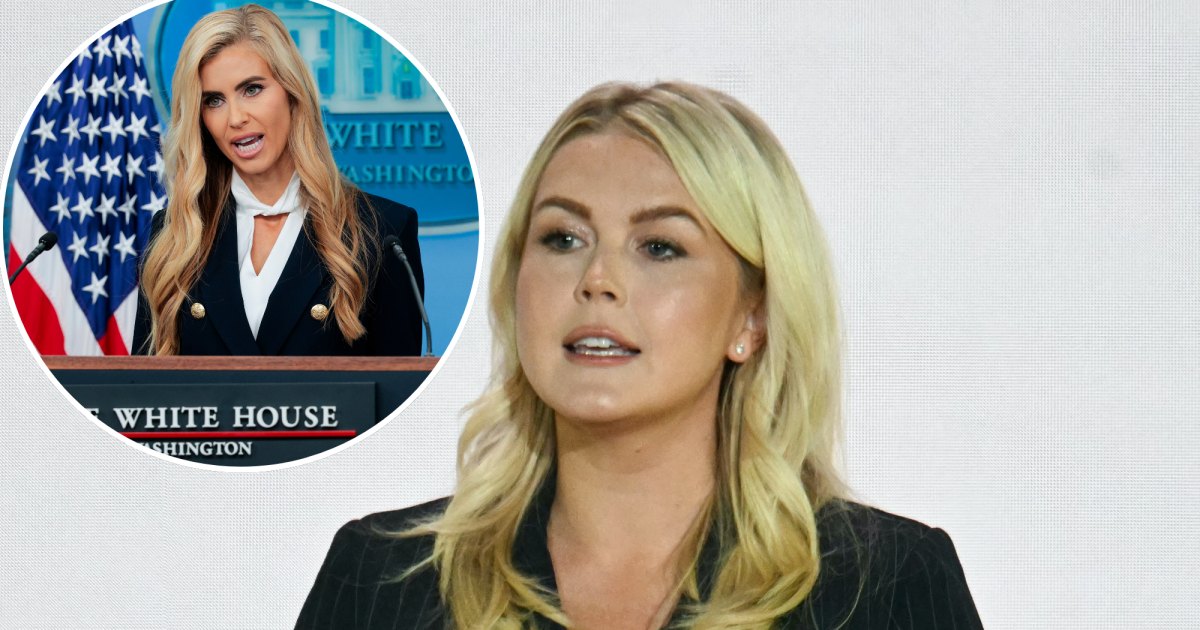
A Chronology of the Transition
The timeline of events surrounding the vacancy began in August 2026, when Karoline Leavitt, a long-time loyalist to President Donald Trump, officially stepped down from her role. Her departure was described as a voluntary move intended to provide her with more time for family obligations. Following a brief search period, the administration announced the appointment of Katie Zacharia, a 41-year-old attorney, to take the helm.
Zacharia’s introduction to the White House briefing room occurred on October 13. Her first and only appearance at the podium lasted approximately 14 minutes, during which she fielded questions from a limited number of media outlets. However, the tenure was short-lived. By October 16, reports emerged that Zacharia was no longer fulfilling her duties as press secretary. The official confirmation of her exit followed shortly thereafter, marked by a public statement from Zacharia herself via social media. In her post, she expressed gratitude for the opportunity and reaffirmed her loyalty to the President, describing him as a "hardworking man" and lamenting a lack of public appreciation for his administration’s accomplishments.
The Challenges of the Podium: A Historical Perspective
In her interview with Bill Maher, Leavitt provided necessary context for the position, noting that only 37 individuals in the history of the United States have served as the White House Press Secretary. This select group acts as the primary conduit between the President and the American public, a task that has become exponentially more complex in the digital and 24-hour news cycle era.
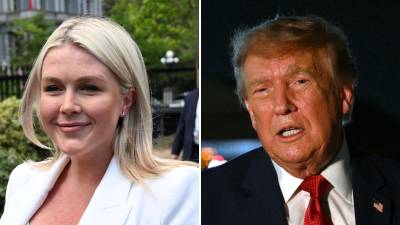
"It’s a tough job. It’s a very tough job," Leavitt remarked. "People say it’s one of the hardest jobs in Washington, D.C., and I give anyone who steps up to that podium credit. That pressure in that room is enormous."
The role is unique in that it requires an individual to balance the President’s personal messaging, the policy goals of the administration, and the often-adversarial nature of the White House press corps. Historically, the tenure of a press secretary has fluctuated based on the political climate and the relationship between the administration and the media. During the first Trump term, the administration saw high turnover, which set a precedent for rapid shifts in communications leadership. The 2026 departure of Zacharia aligns with the administration’s historical trend of seeking individuals who can navigate high-intensity environments while maintaining a strict adherence to the President’s vision.
Scrutiny of Professional Qualifications
A significant portion of the public discourse following Zacharia’s departure centered on questions regarding her professional background. In the days following her debut at the podium, media outlets attempted to verify her standing as an attorney. Reports suggested that a search for a valid law license under her name in the United States yielded no immediate results.
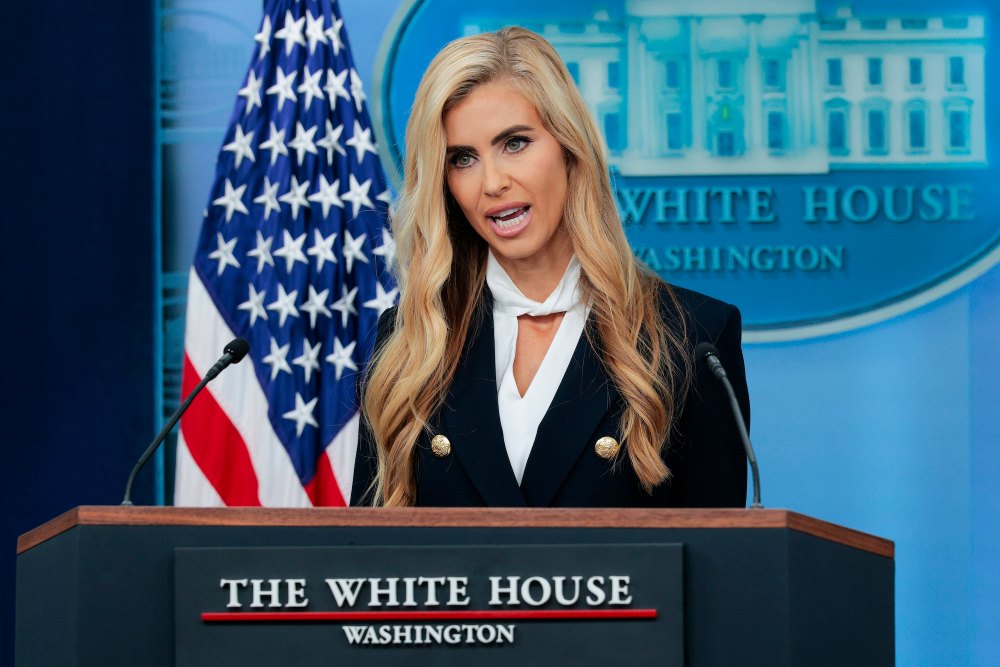
Public records indicate that Zacharia is an alumna of the Pepperdine Caruso School of Law. In the wake of the speculation, it was noted that she had claimed to have passed the bar examination during a period of professional residency in China. While the White House did not formally address these inquiries, the intensity of the reporting likely contributed to the heightened scrutiny surrounding her role. Prior to her departure, White House spokesman Steven Cheung had issued a statement describing Zacharia as "uniquely qualified and whip-smart," emphasizing her capacity to articulate the administration’s policy agenda.
The Search for a Successor
With the position once again vacant, the administration is reportedly reviewing a slate of potential candidates. Leavitt, while no longer in the office, remains a trusted voice within the Trump orbit. She noted during her interview that the President has "a lot of options" and described the position as both "great" and "fun" for the right candidate.
The search process for a new press secretary is indicative of the administration’s focus on finding a spokesperson who can not only manage the press but also effectively utilize social media and alternative media platforms to bypass traditional gatekeepers. As the administration enters the latter half of the year, the stability of the communications office is viewed as critical to the successful implementation of the President’s legislative and regulatory agenda.

Implications for the White House Communications Strategy
The rapid turnover at the podium serves as a case study for the current administration’s approach to human capital and public relations. For political scientists and communications experts, the incident highlights several key trends:
- High-Stakes Vetting: The scrutiny placed on Zacharia’s credentials suggests that the media environment for executive appointments has become increasingly investigative. Future candidates will likely undergo more rigorous vetting by both the administration and independent investigative journalists.
- The "Trumpian" Communications Model: The expectation for a press secretary under President Trump is unique; it requires a blend of ideological alignment, personal loyalty, and the ability to operate under extreme public pressure. This narrows the pool of candidates significantly.
- The Role of the Press Corps: The 14-minute briefing provided by Zacharia reflects the changing nature of the White House press briefing. Increasingly, press secretaries are utilizing shorter, more focused interactions with the media, or relying on social media and direct-to-consumer video content to reach their base, rather than the traditional, lengthy daily press briefings of previous decades.
Conclusion: Looking Ahead
As the White House moves to fill the vacancy, the focus will undoubtedly shift toward ensuring that the next appointee is not only capable of handling the logistical demands of the job but is also prepared to withstand the intense public and media scrutiny that follows. The grace with which Karoline Leavitt spoke of her successor’s brief tenure suggests a recognition of the collective burden shared by those who have occupied the podium.
For now, the administration remains focused on its core objectives, with the expectation that a new, permanent voice for the White House will be introduced in the coming weeks. The incident involving Katie Zacharia will likely be remembered as a brief but illustrative chapter in the ongoing narrative of the 2026 administration, reinforcing the reality that in the world of high-stakes Washington politics, the only constant is the pressure of the job itself. As the search continues, the administration maintains that it has a deep bench of qualified talent ready to step into the spotlight and continue the work of communicating the President’s message to the nation.
Related posts: