Non-Invasive Ear Nerve Stimulation Device Shows Promise in Treating Severe Drug-Resistant Hypertension

Hypertension, or high blood pressure, remains one of the most pervasive and formidable challenges in modern global healthcare. Often dubbed the "silent killer," the chronic condition places continuous, damaging strain on the cardiovascular system, accelerating atherosclerosis and significantly elevating the absolute lifetime risk of catastrophic health outcomes, including myocardial infarctions, ischemic and hemorrhagic strokes, terminal heart failure, and chronic kidney disease. While an extensive arsenal of pharmacological interventions exists—spanning diuretics, beta-blockers, ACE inhibitors, angiotensin receptor blockers, and calcium channel blockers—a substantial proportion of the global patient population fails to achieve clinically recommended blood pressure targets despite strict adherence to multi-drug regimens. This clinical roadblock, frequently defined as treatment-resistant or uncontrolled hypertension, has catalyzed intense scientific exploration into alternative, non-pharmacological, and device-based therapeutic modalities.
Addressing this urgent medical need, recent clinical investigations have turned toward neuromodulation: the targeted alteration of nerve activity through electrical or chemical agents. In a landmark study recently published in Hypertension, a peer-reviewed journal of the American Heart Association, researchers at Queen Mary University of London evaluated a novel, non-invasive electroceutical device designed to deliver gentle electrical impulses to specific neural pathways within the outer ear. The pioneering clinical trial, known as the SCRATCH-HTN trial, successfully demonstrated that the technology is exceptionally safe, highly tolerable for everyday use, and remarkably practical for self-administration in a domestic setting. Although the device did not achieve a statistically significant overall reduction in blood pressure across the entire unselected trial cohort when compared to a sham control, prespecified subgroup analyses revealed compelling, encouraging drops in blood pressure among participants presenting with more severe, entrenched baseline hypertension. These foundational findings suggest that targeted transcutaneous nerve stimulation of the ear could eventually emerge as a transformative, accessible therapeutic tool for individuals whose high blood pressure remains stubbornly refractory to traditional pharmaceutical therapies.
The Mechanisms of Neuromodulation: Hacking the Autonomic Nervous System
To understand the operational premise of the investigational device, one must examine the intricate physiology of the human autonomic nervous system. This vast, complex network acts as the body’s internal control center, involuntarily regulating critical physiological processes without conscious oversight. These automatic functions include basal metabolic rate, glandular secretion, gastrointestinal motility, cardiac output, and peripheral vascular resistance. The autonomic nervous system is bifurcated into two primary, opposing branches: the sympathetic nervous system, which governs the acute "fight-or-flight" response, and the parasympathetic nervous system, which manages "rest-and-digest" homeostasis.
In individuals suffering from chronic essential and resistant hypertension, the sympathetic nervous system is frequently hyperactive. This pathological overdrive triggers chronic vasoconstriction—the narrowing of blood vessels—while simultaneously signaling the heart to pump with greater force and frequency, and commanding the kidneys to retain excess sodium and water. Combined, these physiological anomalies drive blood pressure relentlessly upward. Conventional medications attempt to block these downstream chemical signals using pharmacological agents, but they frequently encounter limitations due to adverse side effects, patient non-compliance, or biological resistance pathways.
Neuromodulation bypasses the chemical delivery model by directly interfacing with the body’s neural circuitry. The external ear, or auricle, possesses a unique anatomical advantage: it is one of the very few regions on the human body with superficial cutaneous representation of the vagus nerve, specifically via the auricular branch. The vagus nerve is the principal architect of the parasympathetic nervous system, playing an indispensable role in slowing heart rate, reducing inflammation, and dampening sympathetic overactivation.
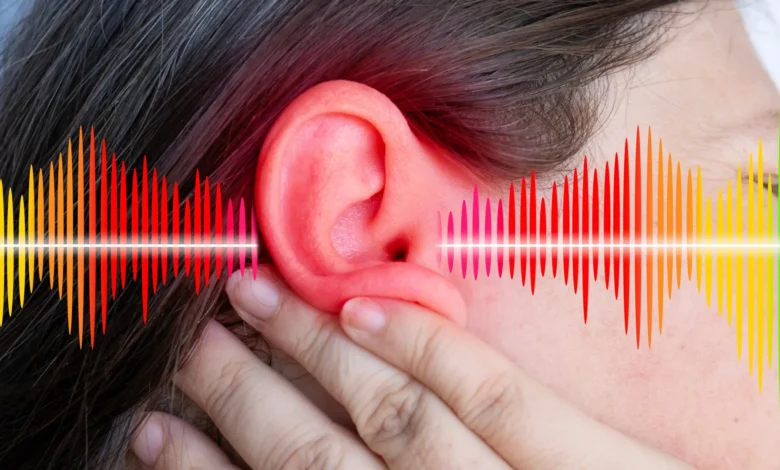
By applying mild, carefully calibrated electrical currents to the tragus—the small, prominent flap of cartilage positioned immediately in front of the ear canal—researchers can selectively stimulate these auricular nerve fibers. This non-invasive transcutaneous autonomic neuromodulation (tAN) aims to recalibrate central autonomic processing, dampening the hyperactive sympathetic tone responsible for driving chronic vasoconstriction and elevated blood pressure. Because this intervention relies entirely on surface-level electrical signaling, it eliminates the need for invasive surgical implantation, thereby mitigating the infection risks, procedural costs, and patient anxieties historically associated with deep-brain or vagal nerve stimulators.
Engineering and Design: The Afferent Medical Solutions Handheld Unit
The experimental device utilized in the SCRATCH-HTN trial was engineered and developed by medical technology innovator Afferent Medical Solutions. Designed with human factors and patient ergonomics at the forefront, the apparatus transitions neuromodulation therapy from a strictly clinical environment into the comfort of the patient’s home.
The system centers on a lightweight, portable handheld controller linked to two specialized, hypoallergenic clips. These clips are anatomically contoured to securely attach to the tragus of the ear, ensuring optimal electrode-to-skin contact without causing localized trauma, skin irritation, or discomfort during extended wear. Once properly positioned, the device delivers a pre-programmed, tightly regulated series of low-voltage electrical pulses designed to stimulate the underlying nerve branches safely and consistently.
The engineering emphasis on self-administration is a critical factor in modern chronic disease management. For any therapeutic device to succeed outside of a controlled medical facility, it must possess a high degree of usability, intuitive controls, and robust safety margins. The Afferent Medical Solutions apparatus incorporates automated impedance checking, preventing the delivery of electrical currents if poor contact is detected, and features hard-locked session timers that restrict usage to prescribed parameters. This user-centric design philosophy directly contributed to the high adherence rates observed throughout the clinical trial timeline, proving that patients can successfully integrate bioelectronic therapies into their daily routines without professional medical supervision.
Chronology and Methodology of the SCRATCH-HTN Trial
The path to publishing the SCRATCH-HTN findings represents a rigorous, multi-year scientific endeavor funded primarily by the United Kingdom’s National Institute for Health and Care Research (NIHR). The trial was designed as a prospective, double-blind, randomized, sham-controlled study—the gold standard of clinical investigation.
The trial successfully enrolled 63 carefully selected participants diagnosed with uncontrolled hypertension. A strict inclusion criterion dictated that every participant must already be prescribed at least one standard blood pressure-lowering medication, yet their clinical readings consistently remained above the established safe threshold recommendations set by international cardiology bodies. This specific inclusion parameter ensured that the study targeted the exact demographic most in need of novel therapeutic avenues: patients experiencing pharmaceutical treatment failure.
Following baseline health screenings, ambulatory blood pressure monitoring, and baseline clinical evaluations, the cohort was randomly segregated into two distinct study arms:
- The Active Treatment Group: Participants who received genuine, functional electrical stimulation targeting the auricular branches of the autonomic nervous system via the tragus clips.
- The Sham Control Group: Participants who utilized an identical-appearing device programmed to deliver a non-functional placebo signal, mimicking the physical sensation and operational routine of the active device without delivering therapeutic electrical neuromodulation.
This rigorous double-blind, sham-controlled design is essential in hypertension trials to account for the well-documented placebo effect, regression to the mean, and the psychological impact of participating in an active health monitoring program.
The therapeutic intervention followed a structured, tapering timeline across a 12-week evaluation period:
- Weeks 1 through 2 (Intensive Phase): Participants in both cohorts utilized their assigned devices for a prescribed duration of 30 minutes daily. This intensive initial phase was engineered to test both the immediate biological responsiveness of the nervous system and the early safety, tolerability, and adherence limits of the human subjects.
- Weeks 3 through 12 (Maintenance Phase): To evaluate long-term practicality and sustained physiological impact, the required usage frequency was reduced to a single 30-minute session per week.
Throughout this timeline, researchers closely monitored patient safety profiles, tracked device adherence via internal digital logs, and conducted serial clinical blood pressure assessments.
Clinical Findings: Overall Results and Subgroup Discoveries
Upon the conclusion of the 12-week intervention window, data aggregation and statistical analysis yielded a complex, nuanced picture of the device’s clinical efficacy.
When researchers analyzed the primary endpoint—comparing overall blood pressure reductions across the entire, unselected trial population—the results showed no statistically significant difference between the active stimulation group and the sham control group. Both cohorts experienced minor fluctuations in blood pressure readings, but the net divergence between genuine electrical neuromodulation and the placebo device did not cross the rigorous threshold required to claim broad therapeutic superiority for the general hypertensive population.
However, clinical trials frequently yield vital insights when researchers peer beneath the aggregate data through prespecified subgroup analyses—statistical evaluations planned before the trial commenced, rather than data-snooping exercises performed after reviewing the results. When the Queen Mary University of London research team isolated the subset of participants who entered the trial with baseline readings indicating more severe, advanced hypertension, a remarkably different pattern emerged.
In this specific, high-risk subgroup, participants receiving active electrical nerve stimulation demonstrated a pronounced, statistically meaningful reduction in blood pressure when compared directly against their peers in the sham control arm. This divergence implies that while mild or borderline hypertension may be adequately managed by lifestyle modifications or single-agent pharmaceuticals—rendering additional neuromodulation statistically redundant—severe, treatment-resistant hypertension may involve pathological autonomic overactivation that uniquely responds to targeted vagal-nerve stimulation.
Expert Analysis and Official Statements
The implications of the SCRATCH-HTN trial have generated considerable dialogue within the global cardiovascular research community. Dr. Ajay Gupta, Chief Investigator, Clinical Reader at Queen Mary University of London, and Consultant Physician at Barts Health NHS Trust, served as the principal academic driving the investigation. Dr. Gupta articulated the dual nature of the findings with scientific pragmatism and cautious optimism.
"This is an exciting, highly patient-acceptable technology that could ultimately provide a cheap, scalable solution for millions," Dr. Gupta stated during the release of the trial results. "Although the trial did not achieve significance across the broad unselected group, those with more severe hypertension exhibited a clear blood pressure reduction in the active group compared to sham."
Underscoring the novelty of the research, Dr. Gupta added: "As the first and most thorough study of its kind, this points towards important new research directions that could help us understand whether non-invasive neuromodulation can benefit particular groups of patients with uncontrolled hypertension."
Independent cardiologists and clinical epidemiologists reviewing the published data have echoed Dr. Gupta’s assessment. The demonstration that a non-invasive, patient-administered bioelectronic device can safely alter hemodynamics in treatment-resistant patients opens an entirely new frontier in cardiovascular medicine, often referred to as "electroceuticals." Unlike pharmaceutical developments, which require complex chemical synthesis, extensive liver metabolization, and carry systemic toxicity risks, bioelectronic devices offer localized, programmable, and instantly reversible interventions.
Broader Impact and Future Research Directions
Despite the encouraging signals observed in patients with severe hypertension, the medical community emphasizes that the SCRATCH-HTN trial represents an exploratory proof-of-concept milestone rather than an immediate clinical breakthrough ready for widespread prescription.
Several critical limitations must be addressed in subsequent investigations:
- Sample Size: The SCRATCH-HTN trial enrolled 63 participants. While statistically sufficient for a pilot study evaluating safety and feasibility, this cohort size is too small to definitively establish broad clinical efficacy or to safely guide therapeutic guidelines for specific demographic subgroups.
- Duration: The 12-week timeframe provided valuable short-term data, but chronic hypertension is a lifelong condition requiring decades of continuous management. Long-term studies are required to determine whether the blood pressure-lowering effects of ear nerve stimulation persist over years or if the autonomic nervous system eventually develops neural habituation, rendering the stimulation ineffective over time.
- Responder Identification: The stark contrast between the unselected cohort and the severe hypertension subgroup highlights an urgent need for predictive biomarkers. Clinicians must discover reliable physiological indicators that can accurately identify which specific patients possess the anatomical and neurological profile required to respond positively to transcutaneous autonomic neuromodulation.
To answer these pressing questions, researchers are already planning subsequent, larger-scale phase III randomized controlled trials. These upcoming studies will likely feature expanded patient enrollments, longer follow-up periods, and diverse demographic representations to validate the subgroup findings observed in the London trial.
If future trials successfully replicate and expand upon these promising outcomes, the clinical landscape for resistant hypertension could undergo a profound transformation. A small, inexpensive, non-surgical device capable of safely re-engineering autonomic tone at home would alleviate the immense morbidity and mortality burden associated with uncontrolled high blood pressure. For the millions of patients worldwide caught in the frustrating cycle of escalating medication dosages and persistent hypertension, ear nerve stimulation represents a beacon of scientific innovation on the horizon of modern medicine.