NASA’s Nancy Grace Roman Space Telescope Captures First Test Images as Commissioning Phase Begins

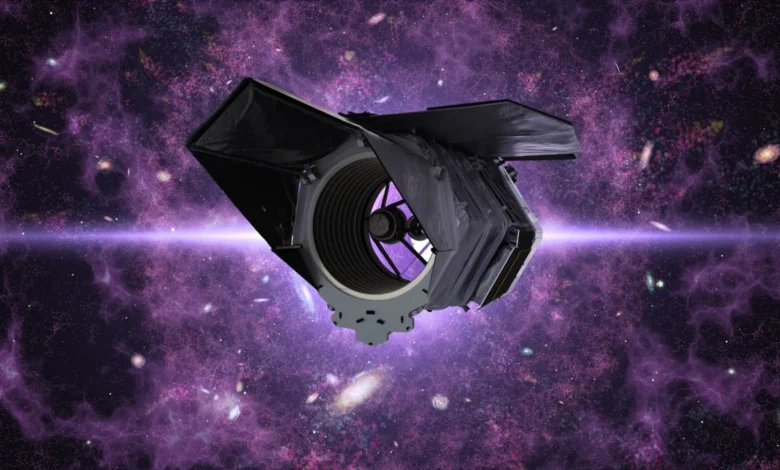
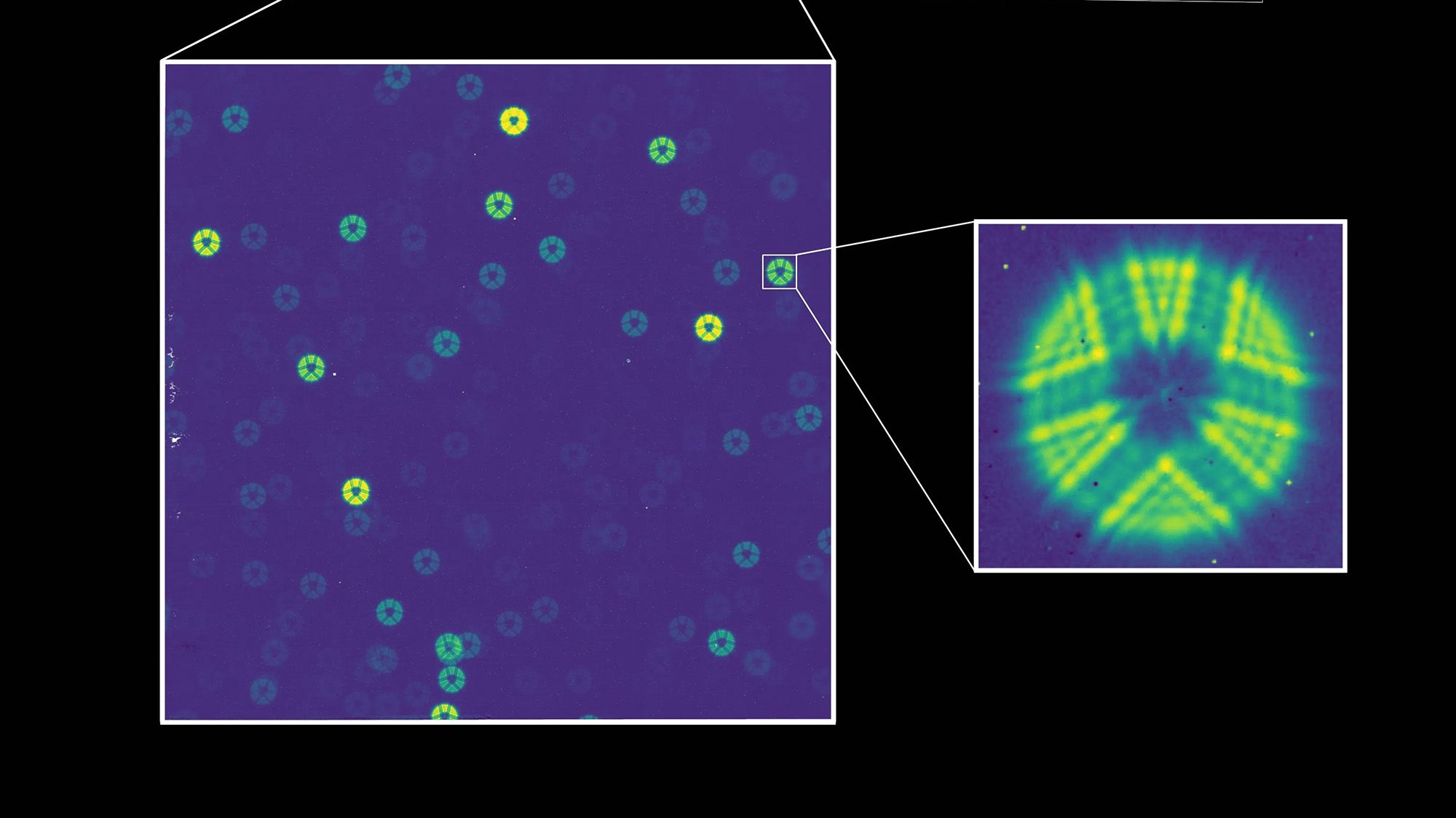
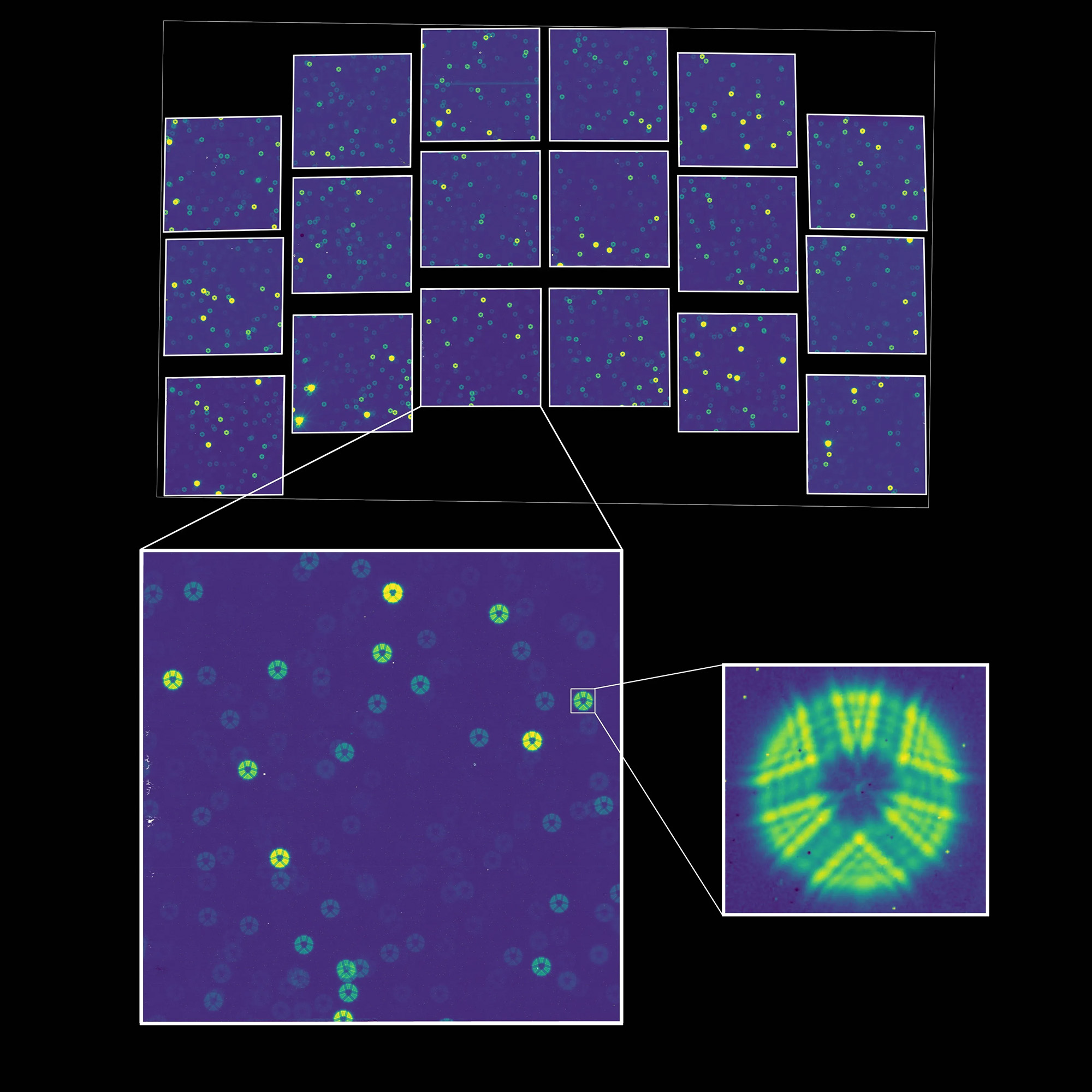
NASA’s next-generation orbital observatory, the Nancy Grace Roman Space Telescope, has reached a significant operational milestone by capturing its first light-test images. Released on September 15, 2026, these initial observations provide a glimpse into the observatory’s profound potential, showing a dense, star-filled region of the cosmos rendered as distinct green rings of light. While the images are currently undergoing a rigorous calibration process, they signal the beginning of a new era in infrared astronomy, promising to revolutionize our understanding of dark energy, exoplanets, and the large-scale structure of the universe.
The Dawn of a New Observational Era
The Nancy Grace Roman Space Telescope—named in honor of the "Mother of Hubble" and NASA’s first chief of astronomy—is designed to function as a wide-field survey mission. Unlike the James Webb Space Telescope (JWST), which excels at deep, high-resolution imaging of specific targets, Roman is engineered for breadth. Its primary mission objective is to conduct massive surveys of the sky, allowing astronomers to map the distribution of galaxies and stars across vast expanses of space with unprecedented efficiency.
The images released this week serve as a critical "check-up" for the telescope’s internal optical systems. By pointing the instrument at a target field, engineers at NASA’s Goddard Space Flight Center were able to verify that the mirrors and sensors are aligned correctly. The appearance of the stars as "green rings" is an expected artifact of the initial focus settings, which will be progressively sharpened over the coming months. As the instrument reaches its full operational capability, it will provide imagery with the same level of clarity as the Hubble Space Telescope but across a field of view that is approximately 100 times larger.
Chronology of the Mission
The journey to these first images has been a decade-long endeavor in engineering and collaborative science. The mission’s development timeline reflects the complexity of modern orbital telescopes:
- 2010s: Conceptualization and design phases begin, utilizing existing hardware technology initially intended for other purposes, which allowed for a more cost-effective development cycle.
- 2020: The telescope is officially named after Dr. Nancy Grace Roman, acknowledging her pivotal role in shaping the Hubble Space Telescope program.
- 2024–2025: Final assembly and rigorous ground-based testing at NASA’s facilities ensure the telescope can survive the rigors of launch and the extreme thermal environment of the L2 Lagrange point.
- Early 2026: Launch and transit to the second Lagrange point (L2), followed by a phased deployment of the sunshield and communications arrays.
- September 15, 2026: Completion of initial optical alignment, resulting in the successful capture of the mission’s first light-test images.
Technical Specifications and Supporting Data
The power of the Roman Space Telescope lies in its Wide Field Instrument (WFI). The telescope is equipped with a 2.4-meter primary mirror, identical in diameter to the mirror on Hubble. However, the integration of modern detector arrays allows it to capture significantly more data per exposure.
The WFI features a 300-megapixel camera, which, when combined with the telescope’s unique optical design, allows it to survey the sky at a rate 1,000 times faster than Hubble. This capability is essential for the mission’s primary goals:
- Dark Energy Investigation: By observing thousands of Type Ia supernovae and measuring the gravitational lensing of millions of galaxies, Roman will help scientists determine if dark energy’s density has changed over the history of the universe.
- Exoplanet Census: Using the gravitational microlensing technique, the telescope will be able to detect Earth-mass planets orbiting distant stars, even those located in the cold, outer reaches of planetary systems where other methods struggle to identify candidates.
- Galactic Archaeology: The wide-field view will enable astronomers to perform a comprehensive survey of the Milky Way, identifying stellar populations and structures that have remained hidden until now.
Official Responses and Strategic Significance
NASA project scientists have characterized the initial test imagery as a resounding success for the mission’s engineering team. "The fact that the optics aligned within our tolerance thresholds is a testament to the decades of meticulous planning that went into this design," stated a lead engineer at the Goddard Space Flight Center.
The scientific community has responded with enthusiasm, noting that the combination of Roman’s survey capabilities and the depth of JWST will provide a complementary view of the universe. While JWST can peek into the very early history of the universe to study the first galaxies, Roman will provide the statistical "big picture" data needed to place those observations in a broader cosmological context. This synergy is expected to yield insights that would have been impossible with a single observatory.
Broader Implications and Future Outlook
The implications of the Roman mission extend beyond mere discovery; they represent a fundamental shift in how NASA conducts observational science. By focusing on wide-field surveys, the mission will produce a massive volume of data—an estimated 20 terabytes per day—that will necessitate the use of advanced machine learning and artificial intelligence for analysis. This data-heavy approach will not only change how astronomers work but will likely yield "citizen science" opportunities on a scale never before seen.
As the commissioning phase continues through the remainder of 2026, the team will perform fine-tuning of the telescope’s thermal stability and focus mechanisms. The public can expect a steady stream of increasingly detailed images as the telescope prepares for its full-scale science mission. Once the instrument is fully calibrated, it will begin the High Latitude Wide Area Survey, a multi-year project that will create a 3D map of the universe, providing the raw material for studies in cosmology and galaxy evolution for decades to come.
The success of these initial tests serves as a vital proof-of-concept for the hardware. By proving that the telescope can hold focus and accurately capture light from the distant corners of the sky, NASA has cleared the final major hurdle before the scientific community can begin the ambitious surveys planned for the mission’s primary lifecycle. In the coming months, the focus will shift from technical verification to the first wave of scientific observations, marking the official start of a mission that promises to reshape our understanding of the dark and mysterious forces that govern the cosmos.
The Legacy of Nancy Grace Roman
The mission stands as a fitting tribute to the woman who championed the idea of a space-based observatory in the late 1950s and 1960s, at a time when such a concept was viewed with skepticism by the scientific establishment. Dr. Roman’s vision—that we could look past the blurring effects of Earth’s atmosphere—is now fully realized in the form of this high-tech successor to Hubble. With the successful capture of its first images, the Nancy Grace Roman Space Telescope has effectively opened a new eye on the universe, ensuring that the legacy of discovery continues to expand into the farthest reaches of space and time.
The astronomical community now turns its gaze toward the L2 point, waiting for the full potential of this massive survey machine to be unleashed. As the initial "green rings" are replaced by sharp, high-resolution views of the deep sky, the data returned by Roman will undoubtedly become the bedrock of 21st-century astrophysics, challenging existing models of dark energy and offering a more complete census of the planetary systems inhabiting our galaxy.