Steve Winter and the Lens of Conservation: Capturing the Elusive Big Cats of the Modern Wilderness

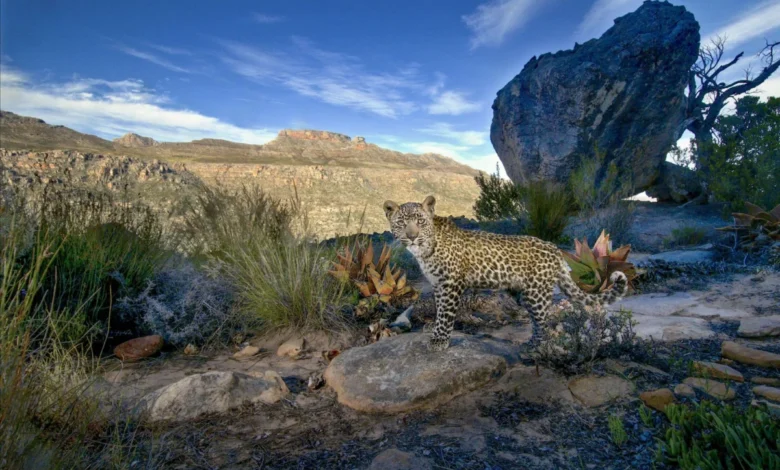
For decades, photojournalist Steve Winter has traveled across the globe, embedding himself in remote environments to document the lives of the world’s most elusive big cats. His work, frequently featured in National Geographic, has brought the plight of apex predators to the forefront of global conservation discourse. Yet, perhaps his most iconic image—a sleek cougar prowling in the shadow of the Hollywood sign—serves as a poignant reminder that the wilderness is not always thousands of miles away. It exists on the periphery of our urban sprawl, forcing a complex and often perilous coexistence between humans and wildlife.
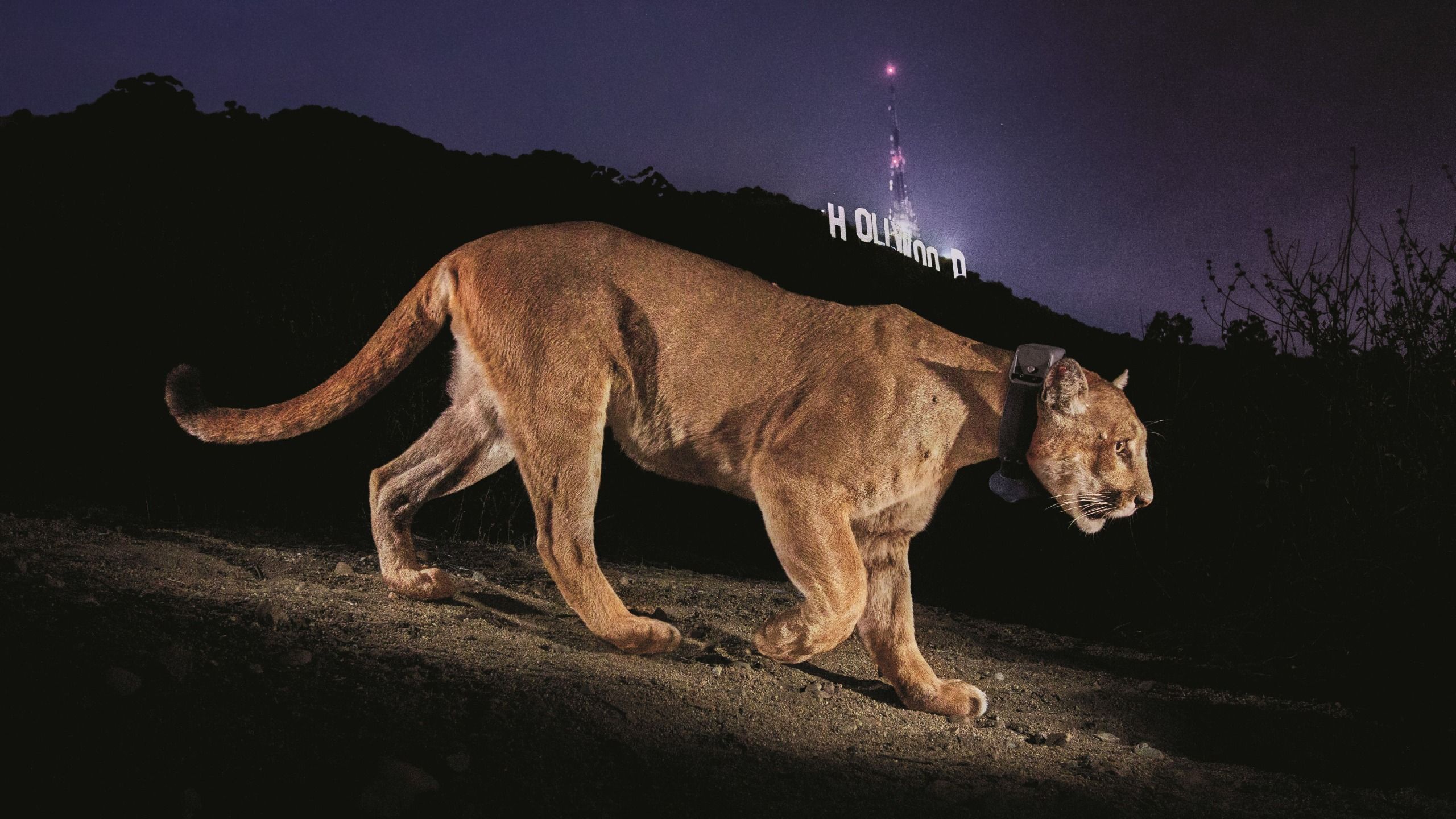
The journey to capturing that definitive image of P-22, the famous Griffith Park mountain lion, was not an act of spontaneous discovery. It was the culmination of 15 months of meticulous planning, technical innovation, and collaboration with biologists like Jeff Sikich. This endeavor highlights a significant pivot in Winter’s career, one that saw him transition from a generalist photographer to a specialist whose work bridges the gap between high-stakes journalism and rigorous scientific inquiry.
The Evolution of a Wildlife Photographer
Steve Winter’s professional trajectory is a testament to the idea that expertise is cultivated rather than innate. He did not photograph an animal professionally until he was 34 years old, a late start by the standards of modern photojournalism. In an interview with Live Science, Winter reflected on the unlikely path that led him to his life’s work. "If anybody had said, ‘You’re going to work with big cats for 25 years of your career,’ I would have said, ‘No, I don’t know anything about big cats,’" Winter noted.
The transformation, he explained, was rooted in humility and a willingness to learn from those on the ground. By aligning his camera lens with the research of field scientists and the insights of local communities, Winter found a way to translate abstract conservation data into visceral, emotional imagery. This collaborative approach has since become his hallmark, allowing him to document animals that are inherently difficult to track, let alone photograph.
The P-22 Phenomenon: Wildlife in the Urban Fringe
The photograph of P-22 is more than a technical triumph; it is a cultural touchstone that encapsulates the "urban wild." P-22 became a global celebrity, a symbol of the resilience of nature in the face of relentless human encroachment. The mountain lion had successfully traversed two of Southern California’s busiest freeways—the 405 and the 101—to reach the isolated sanctuary of Griffith Park.
The camera trap project, executed in partnership with the National Park Service (NPS), involved placing motion-sensitive cameras across the park’s rugged terrain. For 15 months, the team monitored movement patterns, analyzed scat, and utilized GPS collar data to anticipate the cat’s nocturnal routines. The final result—a perfectly composed shot of the cougar framed against the iconic Hollywood sign—challenged the public perception of Griffith Park as purely a recreational space. It forced Angelenos to acknowledge that they were sharing their backyard with an apex predator.
Supporting Data and Scientific Context
The survival of cougars in Southern California is a subject of intense scientific study. According to data from the National Park Service’s long-term mountain lion study, the Santa Monica Mountains and surrounding urban islands are increasingly becoming "genetic prisons" for these cats. The primary threat to their survival is not just loss of habitat, but habitat fragmentation.
Studies suggest that the mortality rate for mountain lions in this region is alarmingly high due to vehicle strikes and the ingestion of anticoagulant rodenticides. The latter often moves up the food chain, poisoning the lions as they prey on small mammals. Between 2002 and 2022, the NPS documented dozens of mountain lion deaths within the study area, with nearly all adult males showing evidence of exposure to these toxins. The case of P-22 served as the catalyst for public awareness, eventually leading to the approval and construction of the Wallis Annenberg Wildlife Crossing—the largest of its kind in the world—designed to reconnect fragmented habitats across the 101 freeway.
Chronology of a Conservation Milestone
- 2012: P-22 is identified by biologists in Griffith Park, a small, isolated wilderness surrounded by urban sprawl.
- 2013: Steve Winter and biologist Jeff Sikich initiate an intensive camera-trap project to document P-22’s presence and behavior.
- November 2013: National Geographic publishes Winter’s feature, which includes the iconic night shot of P-22 standing before the Hollywood sign.
- 2014–2020: The "P-22 effect" gains momentum; public interest in wildlife corridors spikes, and legislative efforts to secure funding for crossings begin in earnest.
- 2022: P-22 is euthanized after suffering severe injuries from a vehicle strike and deteriorating health, sparking a massive public outpouring of grief.
- 2023–Present: Construction continues on the Wallis Annenberg Wildlife Crossing, viewed as the permanent legacy of the discourse started by P-22’s documented presence.
The Role of Imagery in Public Policy
The impact of Winter’s photography transcends aesthetics. In the realm of conservation, imagery is a vital tool for policy change. When the public sees a mountain lion in the shadow of a global cultural icon, the narrative shifts from "wildlife management" to "coexistence."
Government agencies and NGOs have utilized these images to secure millions of dollars in private and public funding. By visualizing the invisible—the paths these animals take, their nocturnal habits, and their vulnerability to human-made infrastructure—Winter has provided the visual evidence required to sway public opinion. His work effectively "humanizes" the predator, making the conservation of these animals a personal concern for the residents of urban environments.
Implications for Future Conservation
The broader implication of the P-22 saga and Winter’s work is the shifting paradigm of conservation biology. Historically, conservation focused on remote, protected areas. Today, there is a growing recognition that urban planning must incorporate "wildlife-friendly" infrastructure.
Ecologists now emphasize the importance of connectivity. As cities expand, the "edge effect"—the boundary where urban and wild spaces meet—becomes the primary battlefield for biodiversity. The success of future conservation efforts will depend on the ability of urban planners to integrate green corridors that allow for the migration of apex predators, ensuring that the gene pools of isolated populations remain robust.
A Legacy of Advocacy
Steve Winter’s career serves as a bridge between the clinical rigor of biology and the emotional reach of journalism. By capturing the image of P-22, he did not just record a moment in time; he created a narrative that forced a major metropolitan area to reconsider its relationship with the natural world.
As we move further into a century defined by rapid urbanization and climate instability, the role of visual storytelling in science communication will only grow in importance. Winter’s transition from a late-blooming photographer to a globally recognized voice for conservation proves that deep engagement with a subject—whether it is a mountain lion in a city park or a leopard in the Himalayas—is the most effective way to inspire meaningful, lasting change.
His work continues to remind us that the wilderness is not a destination to be visited, but a living, breathing entity that we must learn to accommodate, protect, and respect, even within the shadows of our most famous landmarks.