‘If you do want to be a criminal, there is no better place to do it’: Author Rose George dives into the dark…

The Anatomy of a Marine Crisis
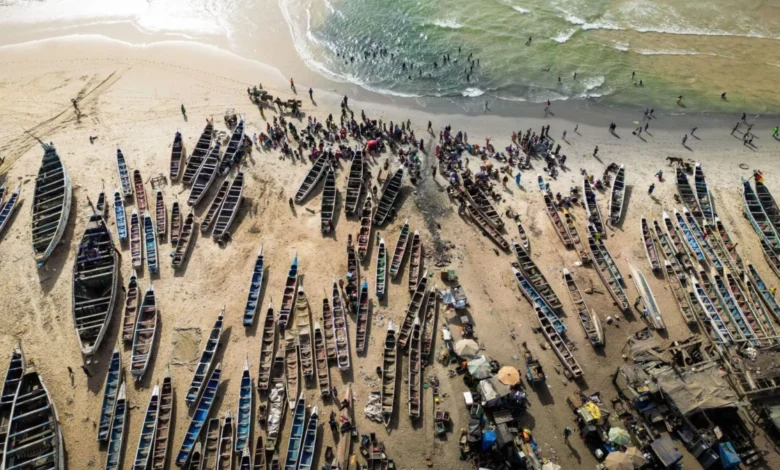
The global fishing industry functions as a massive, often opaque, engine of extraction. According to the Food and Agriculture Organization (FAO) of the United Nations, more than a third of global fish stocks are now classified as overfished. This means that these populations are being harvested at a rate faster than they can reproduce, leading to a steady decline in biomass.
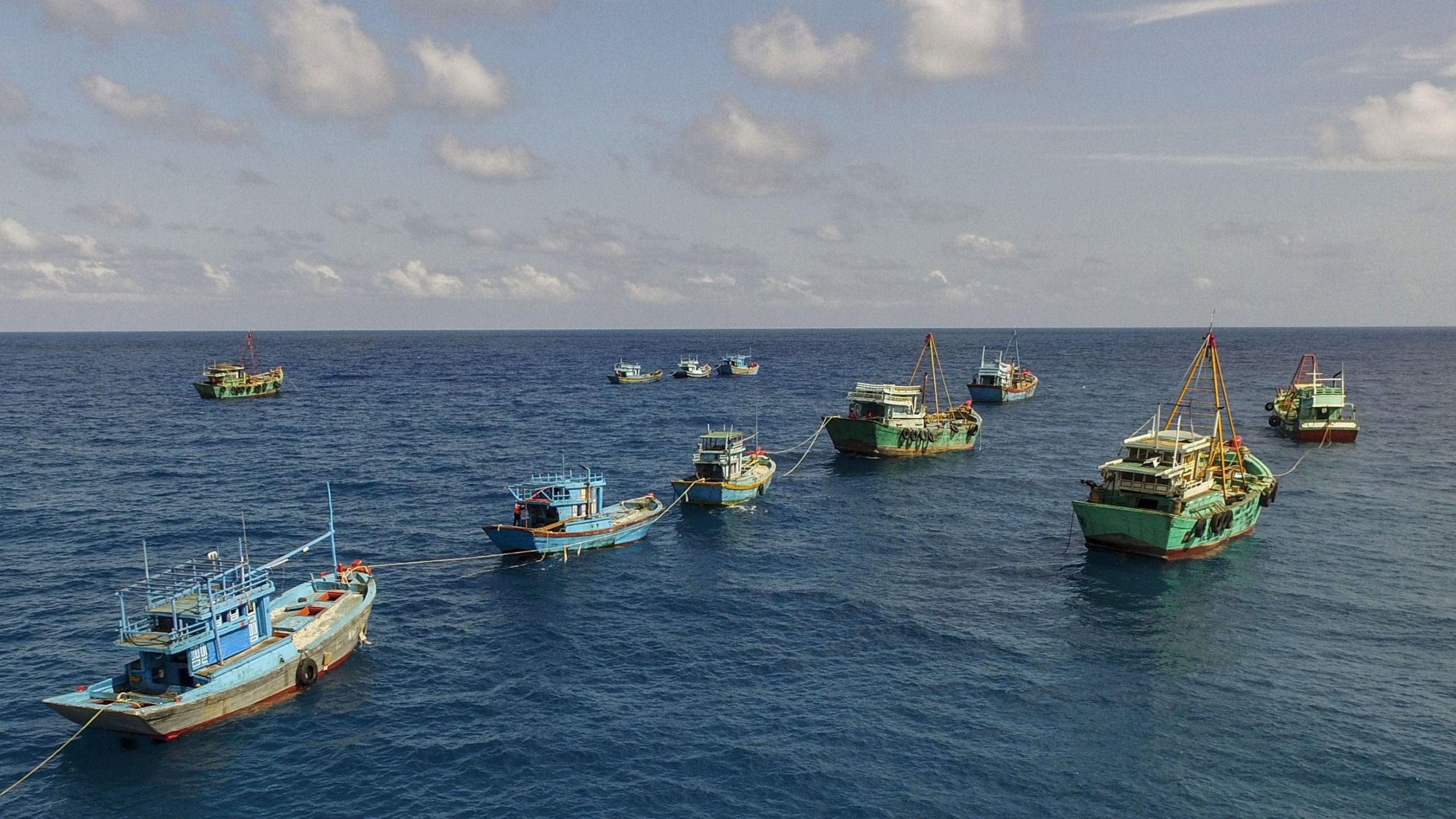
The problem is compounded by IUU fishing, a clandestine sector that evades international maritime laws. IUU vessels frequently operate in protected waters, ignore quota limitations, and employ destructive gear that indiscriminately captures non-target species, a process known as bycatch. By operating in the shadows, these vessels undermine legitimate conservation efforts and jeopardize the livelihoods of small-scale, artisanal fishers who rely on healthy ecosystems for their survival.
A Chronology of Declining Stocks
The trajectory of the current crisis can be traced back to the mid-20th century, when technological advancements in sonar, industrial refrigeration, and larger vessel capacity fundamentally transformed fishing from a localized activity into a global industrial pursuit.
- 1950s–1970s: The era of "big expansion." Governments heavily subsidized the construction of massive fleets, leading to the rapid depletion of once-abundant stocks like Atlantic cod.
- 1992: The total collapse of the Newfoundland cod fishery. This event served as a sobering global wake-up call, proving that even the most abundant fish populations are susceptible to total commercial extinction.
- 2000s–2015: The rise of satellite tracking and global awareness. Organizations like Global Fishing Watch began using AIS data to track vessel movements, exposing the sheer scale of activity in remote parts of the ocean.
- 2020–Present: The "triple threat" phase. Industry analysts note that climate change, pollution, and plastic waste have converged with overfishing to create a state of permanent ecological stress in many maritime regions.
Environmental and Biological Shifts
Climate change is effectively "rewriting" the geography of the ocean. As surface temperatures rise, marine species are migrating toward the poles in search of cooler, more oxygen-rich waters. This movement creates geopolitical tension, as fish populations shift across international maritime boundaries, often leading to disputes over who holds the rights to harvest them.
Furthermore, recent peer-reviewed studies published in journals such as Science of the Total Environment indicate that fish are physically shrinking. Higher water temperatures increase the metabolic rates of fish, requiring more oxygen. Because smaller fish have a higher surface-area-to-volume ratio, they are more capable of obtaining oxygen in warming waters. This reduction in size has a cascading effect on the food web, as smaller fish are less productive and provide fewer nutrients for the predators—including humans—that rely on them.
Perspectives from the Field
In her new book, Every Last Fish, journalist Rose George brings a critical, investigative eye to these issues. Building on her previous work, Deep Sea and Foreign Going, which exposed the inner workings of the shipping industry, George pivots to the fishing sector to highlight the "invisibility" of the industry. Her research suggests that the distance between the consumer and the source of their food has allowed for a lack of transparency that protects bad actors.
Conservationists and marine biologists argue that the status quo is unsustainable. "We are operating under the illusion that the ocean is an infinite pantry," says one anonymous expert in international maritime policy. "The reality is that we are depleting the capital of the ocean, not just the interest. Once these stocks hit a certain threshold, the recovery time is not measured in years, but in decades or centuries."
Economic and Global Implications
The implications of the current fishing crisis extend far beyond environmental loss. Food security for millions of people, particularly in developing nations, is tethered to the health of the ocean. In many coastal regions, fish provide the primary source of animal protein and a vital pathway out of poverty. When stocks collapse, the socio-economic fallout is immediate, leading to increased food prices, loss of employment, and potential regional instability.
From a regulatory standpoint, international bodies are struggling to keep pace. The high seas—areas outside of national jurisdiction—remain the "Wild West" of the fishing world. While treaties like the recently adopted High Seas Treaty aim to protect marine biodiversity, the enforcement of such agreements remains a significant hurdle. Without a robust, global monitoring system, the incentive for vessels to continue illegal practices remains high.
Moving Toward Sustainability
Addressing the crisis requires a multi-faceted approach. Experts suggest that the focus must shift from pure yield-based management to ecosystem-based management. This includes:
- Marine Protected Areas (MPAs): Establishing large-scale no-take zones where marine life can recover and spill over into surrounding areas.
- Subsidy Reform: Redirecting the billions of dollars currently spent on fuel subsidies for industrial fishing fleets toward sustainable aquaculture and restoration projects.
- Traceability Technology: Implementing "blockchain for fish" initiatives, where consumers can track the journey of their seafood from catch to plate, ensuring it was harvested legally and sustainably.
The work of authors and journalists like Rose George serves as a necessary intervention in this discourse. By stripping away the layers of complexity surrounding the industry, they bring the reality of our consumption into the light. The path forward is clear: if the objective is to ensure that the ocean remains a viable resource for future generations, the current model of hyper-industrialized extraction must be fundamentally re-evaluated. The transition will be difficult, requiring international cooperation, technological investment, and a shift in consumer behavior, but the alternative—a barren, silent sea—is a price that the global community cannot afford to pay.