BYD Accelerates Global Push with Major Hiring Spree at Xi’an Hub as Export Demand Overtakes Domestic Slump

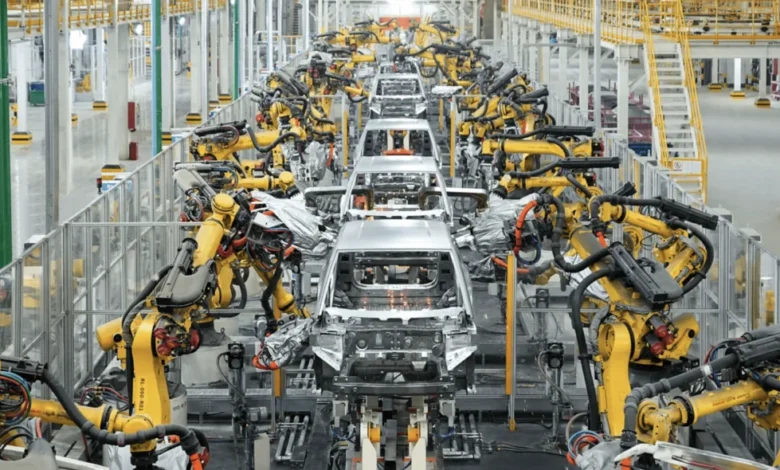
The global automotive landscape is witnessing a profound shift in manufacturing dynamics, perfectly encapsulated by the recent strategic maneuvers of Chinese new energy vehicle (NEV) giant BYD. The company has initiated a massive recruitment drive, seeking over 8,000 skilled workers across its multiple facilities within the Xi’an production base. As BYD’s largest manufacturing hub worldwide, the Xi’an complex has become the focal point of a broader corporate strategy: leveraging domestic industrial might to fuel an unprecedented international export boom. This aggressive hiring campaign underscores how surging overseas demand is successfully absorbing manufacturing capacity that a hyper-competitive, slowing domestic market can no longer entirely fill.
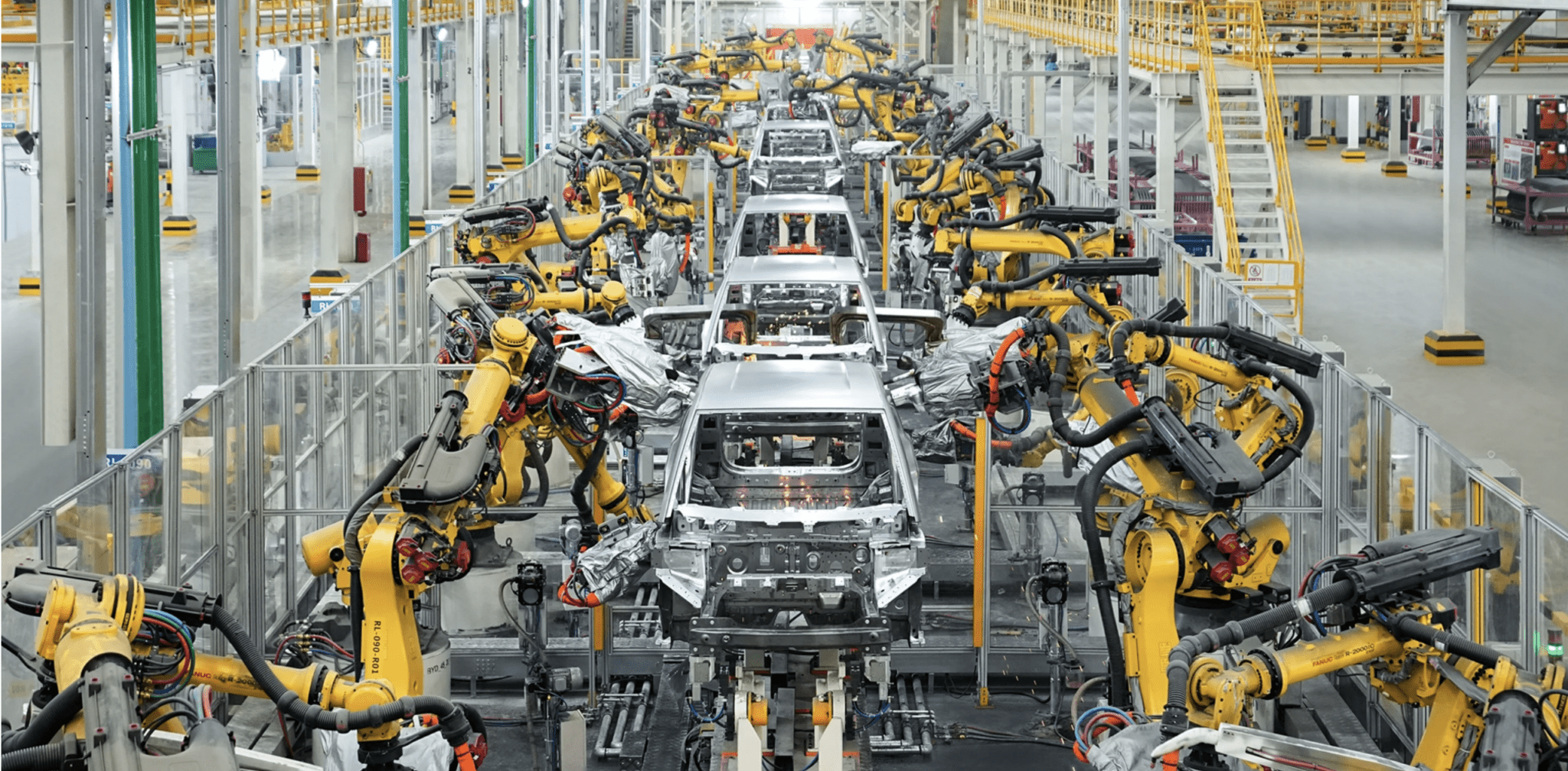
According to recruitment notices circulated by local employment agencies and detailed by industry publication Yicai, the latest hiring push is designed to keep assembly lines running at maximum velocity. The Xi’an site features a combined annual capacity of up to 1.5 million vehicles spread across four distinct factory phases, and the complex successfully rolled out more than one million vehicles throughout 2024 alone. However, maintaining this colossal output requires a steady influx of specialized talent, particularly as the company navigates the complexities of a rapidly globalizing footprint.
A Timeline of Operational Turbulence and Recovery
The road to this aggressive hiring spree has been marked by significant operational shifts and technological upgrades. Earlier this year, BYD’s production lines experienced notable bottlenecks. The primary catalyst for these constraints was the company-wide transition to its second-generation Blade Battery cells, an advanced energy storage technology that required substantial retooling and upgrades across multiple manufacturing stages.
During this period of constrained output, BYD was forced to temporarily scale down its workforce in Xi’an. To optimize its operational efficiency, the automaker strategically transferred segments of its local labor force to rapidly expanding manufacturing hubs in Zhengzhou, Hefei, and the Shenzhen-Shanwei cooperation zone.
According to Feng Lei, head of the industrial research institute at market research firm HSMAP, who spoke with Yicai, all four Xi’an manufacturing phases have now successfully resumed normal, uninterrupted production schedules. However, this operational recovery—coinciding precisely with an unprecedented wave of surging export orders—has thrust labor shortages back to the forefront of the company’s operational challenges. The demand for human capital has thus transitioned from a regional balancing act into an urgent imperative to fulfill international delivery quotas.
Regional Data and Production Turnaround
Regional economic data from Shaanxi province, where the Xi’an hub is anchored, vividly illustrates this dramatic operational turnaround. Driven by the temporary battery transitions and localized market adjustments, vehicle production across broader Shaanxi plummeted by nearly 50% year-on-year during the first seven months of the year.
The subsequent rebound, however, has been swift and substantial. Official figures from China’s National Bureau of Statistics reveal that vehicle output in Shaanxi reached 138,900 units in August alone. This represents a staggering 55.4% increase from July figures and, crucially, a 17.9% growth compared to the same period in the previous year. This statistical recovery serves as direct macroeconomic proof that the Xi’an base has successfully overcome its earlier bottlenecks and returned to high-volume manufacturing.
To sustain and expand this momentum, BYD’s current recruitment drive is heavily targeted. Rather than seeking general, unskilled labor, the company is actively vetting candidates for high-skill positions specializing in critical manufacturing stages, including welding, painting, and final vehicle assembly. To attract top-tier talent in a competitive job market, the automaker is offering competitive remuneration packages, including signing bonuses of up to CN¥6,000 (approximately US$890) and monthly wages reaching CN¥10,000. These figures reflect the high level of technical proficiency required to maintain quality standards across the high-volume models produced in Xi’an, which include vehicles from BYD’s popular Dynasty and Ocean lineups, alongside select output from its burgeoning portfolio of premium brands.
The Divergence of Domestic and Overseas Sales
The structural necessity behind BYD’s manufacturing push is laid bare by the company’s comprehensive sales data for August. During that month, BYD achieved a record-shattering milestone by selling 440,293 new energy vehicles globally, representing an 18.2% increase compared to the same month in the previous year.
A granular analysis of these sales figures, however, reveals a striking divergence between domestic and international market performance. Overseas sales acted as the undisputed engine of growth, skyrocketing by 134.5% year-on-year to reach a record 189,466 vehicles. Conversely, domestic sales within China experienced a contraction, falling by 14.3% over the same timeframe due to intense, margin-crushing price wars and saturated local demand.
Analyst Feng Lei noted that while production at the Xi’an base is fully capable of returning to its historical peak, the nature of that production has fundamentally shifted. Export-facing vehicle models are currently operating on continuous, full-capacity schedules to satisfy international buyers. Meanwhile, production lines dedicated to the domestic market continue to grapple with fierce local competition, making a holistic return to peak annual output across all categories a more complex, nuanced objective.
Vertical Integration and the Global Supply Chain
The massive labor recruitment in Xi’an highlights a vital, often misunderstood aspect of BYD’s global strategy: the company’s overseas expansion is not replacing its domestic manufacturing core; rather, it is entirely dependent upon it. Despite building assembly plants in various international markets, BYD maintains a heavily vertically integrated supply chain rooted firmly within China.
Core automotive components—including proprietary Blade Batteries, advanced e-Platform 3.0 powertrains, and sophisticated integrated electronic control systems—continue to be manufactured within China’s domestic industrial ecosystem, regardless of where the final vehicle assembly ultimately takes place. This centralized approach allows BYD to maintain strict quality control, proprietary technological secrecy, and unmatched cost efficiencies that give it a distinct competitive edge abroad.
This operational reality has occasionally clashed with regional political and industrial aspirations. Earlier in September, Alfredo Altavilla, BYD’s Special Adviser for Europe, made headlines by emphatically asserting that everything BYD intends to sell in the European market will eventually be manufactured locally. To achieve this ambitious vision, Altavilla estimated that the company will ultimately require three dedicated vehicle assembly plants and a localized battery factory within Europe.
However, a closer examination of BYD’s current international footprint reveals a more pragmatic, measured approach. Existing regional plants located in strategic emerging markets such as Thailand, Brazil, and Hungary function primarily as tariff-compliant final assembly facilities. These overseas outposts rely heavily on core components shipped directly from major domestic manufacturing hubs like Xi’an, rather than operating as fully independent, localized manufacturing ecosystems.
Broader Economic Implications and Vulnerabilities
This deeply integrated operational architecture carries significant strategic implications for the global automotive market. Because BYD’s international growth remains inextricably tied to the health and efficiency of its domestic production capacity, the company’s vulnerability profile is uniquely centralized.
Consequently, any future operational constraints or bottlenecks at foundational hubs like Xi’an—whether triggered by technological upgrades, regulatory shifts, labor shortages, or component supply chain disruptions—would not remain localized issues. Instead, they would almost certainly manifest as immediate export delays for international consumers, registering in European, Asian, and Latin American markets long before becoming apparent as regional manufacturing problems.
As BYD continues to scale its international presence, the success of its global ambitions will rely heavily on the continuous, uninterrupted hum of the production lines in Xi’an. By aggressively addressing its current labor demands and capitalizing on the insatiable global appetite for affordable, high-technology new energy vehicles, BYD is effectively rewriting the playbook for how a domestic Chinese automaker can transform localized industrial capacity into a dominant global manufacturing empire.
Related posts: