The transition into autumn necessitates a strategic shift in professional wardrobes, moving away from rigid, formal tailoring toward more versatile, relaxed silhouettes. As the fashion industry observes a distinct trend toward "soft tailoring," the slouchy blazer has emerged as the defining garment of the 2026 fall season. Balancing the requirements of corporate professionalism with the comfort of contemporary casual wear, this item has become a focal point for fashion analysts and retail experts alike.
The Evolution of Professional Attire
The shift toward the slouchy blazer is not an isolated trend but rather a reflection of the evolving post-pandemic workplace. Over the past four years, office dress codes have become increasingly fluid. Data from the 2026 Fall Retail Sentiment Report indicates that demand for "structured" apparel has declined by 18% compared to 2022 figures, while interest in "relaxed luxury" and "oversized silhouettes" has surged by 34%.
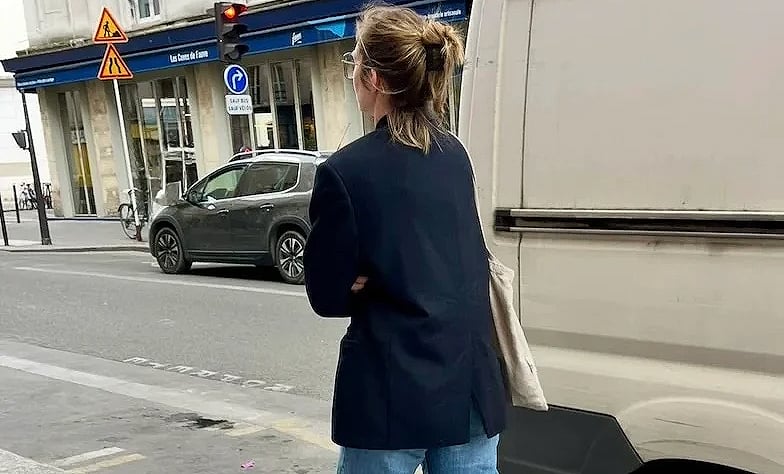
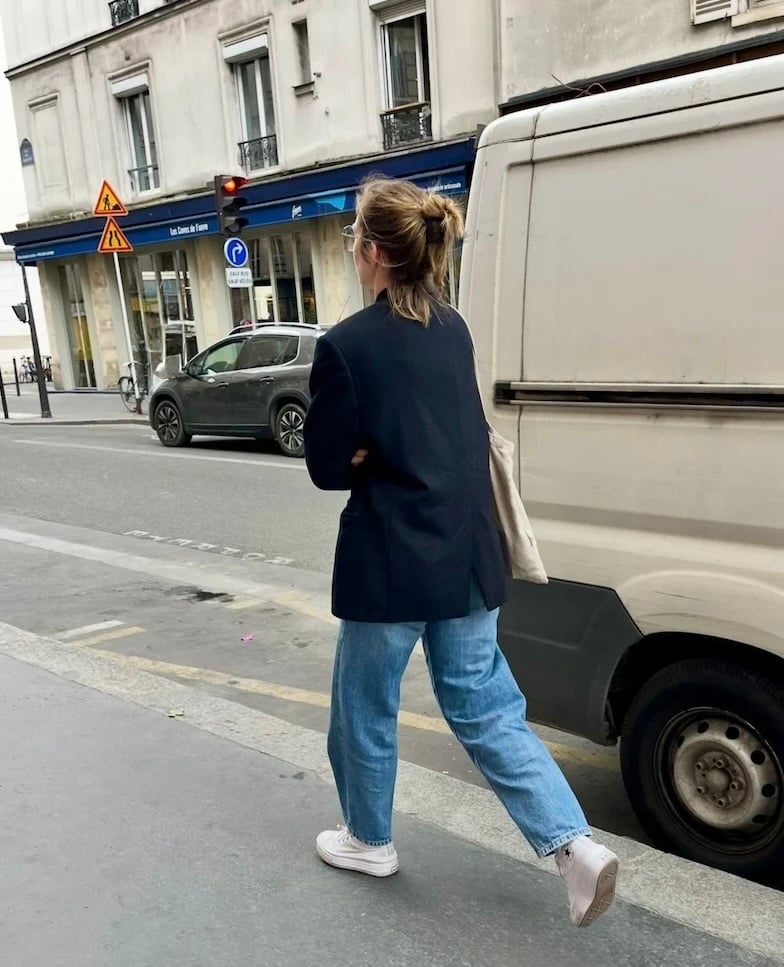
For professionals in client-facing roles—such as therapists, consultants, and creative directors—the challenge lies in projecting authority without appearing inaccessible. The slouchy blazer solves this by utilizing softer fabrics, dropped shoulders, and unlined constructions that allow for movement. This movement away from the "riding jacket" aesthetic, which dominated early 2010s office fashion, signals a cultural move toward authenticity in the workplace.
Market Dynamics and Retail Trends
The current retail landscape shows that brands are responding to this demand by adjusting their manufacturing processes to prioritize comfort-first tailoring. The ongoing "Insiders Event" at Madewell, for instance, serves as a case study for current consumer behavior. Industry analysts note that discounts exceeding 40% on seasonal staples—such as brown and blue relaxed blazers—are strategically timed to align with the September shift in consumer purchasing habits.
This pricing strategy reflects broader economic adjustments. As inflation continues to influence mid-market consumer spending, retailers are leveraging significant markdowns to maintain inventory velocity. Similarly, the clearance of high-end items, such as the 65% reduction on select Rag & Bone inventory, demonstrates a market-wide push to transition summer-to-fall transition pieces before the onset of winter collections.
Chronology of the Slouchy Silhouette
- Spring 2026: Fashion houses in Paris and Milan debuted deconstructed blazers during runway presentations, emphasizing wide lapels and fluid, lightweight wools.
- Summer 2026: Retailers began stocking "soft-shoulder" variations of the classic blazer, replacing traditional padding with natural fiber interfacings.
- September 2026: The widespread adoption of the "T-shirt, blazer, and jeans" uniform solidified the slouchy blazer as a core autumn staple.
- Late September 2026: Secondary markets and vintage retailers reported an increase in demand for pre-loved tailoring, particularly houndstooth and plaid patterns, as consumers sought sustainable alternatives to new production.
Expert Insights on Styling and Fit
The consensus among fashion stylists is that achieving the "relaxed" look is fundamentally about sizing and fabric weight. Alison Piepmeyer, a noted style consultant, emphasizes that consumers should lean into intentional oversizing. "Sizing up is the primary method to avoid the ‘stuffy’ look associated with traditional business wear," Piepmeyer noted in recent commentary.
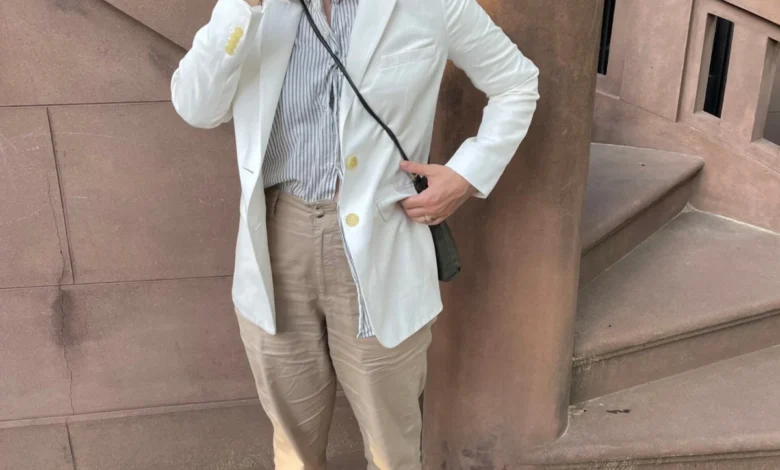
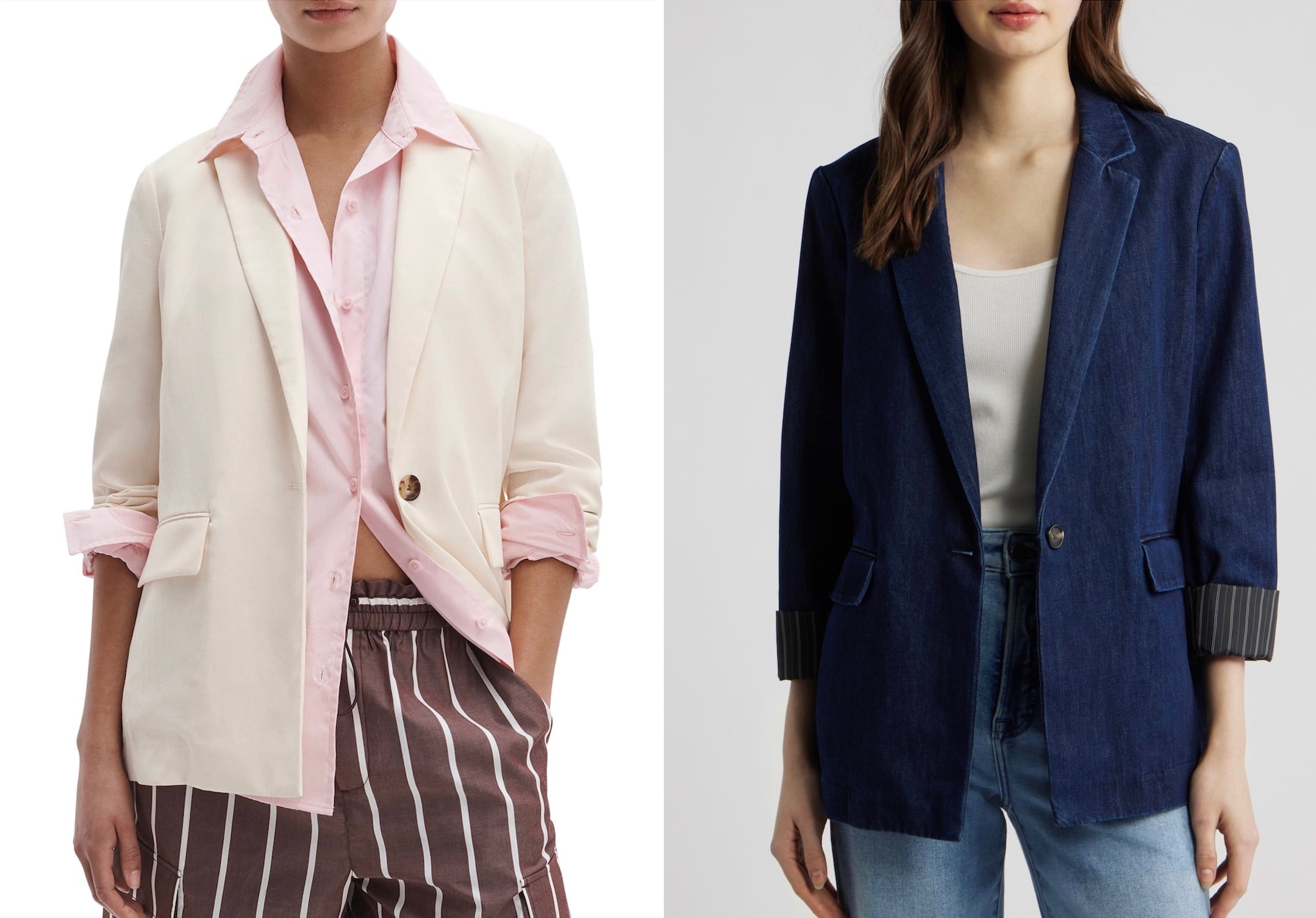
This approach serves a dual purpose: it creates a modern aesthetic and enhances the versatility of the garment. An oversized blazer can accommodate layering, which is essential for the variable temperatures of the autumn season. Whether paired with a cotton turtleneck, a thin knit sweater, or a classic striped shirt, the garment serves as a flexible foundation for various professional environments.
The Sustainability Factor: Pre-Loved and Second-Hand Markets
The rise in interest for pre-owned blazers represents a significant trend in the circular economy. Experts suggest that "kissing many frogs"—the process of filtering through second-hand inventory to find a quality vintage blazer—is increasingly becoming the standard for fashion-conscious shoppers.
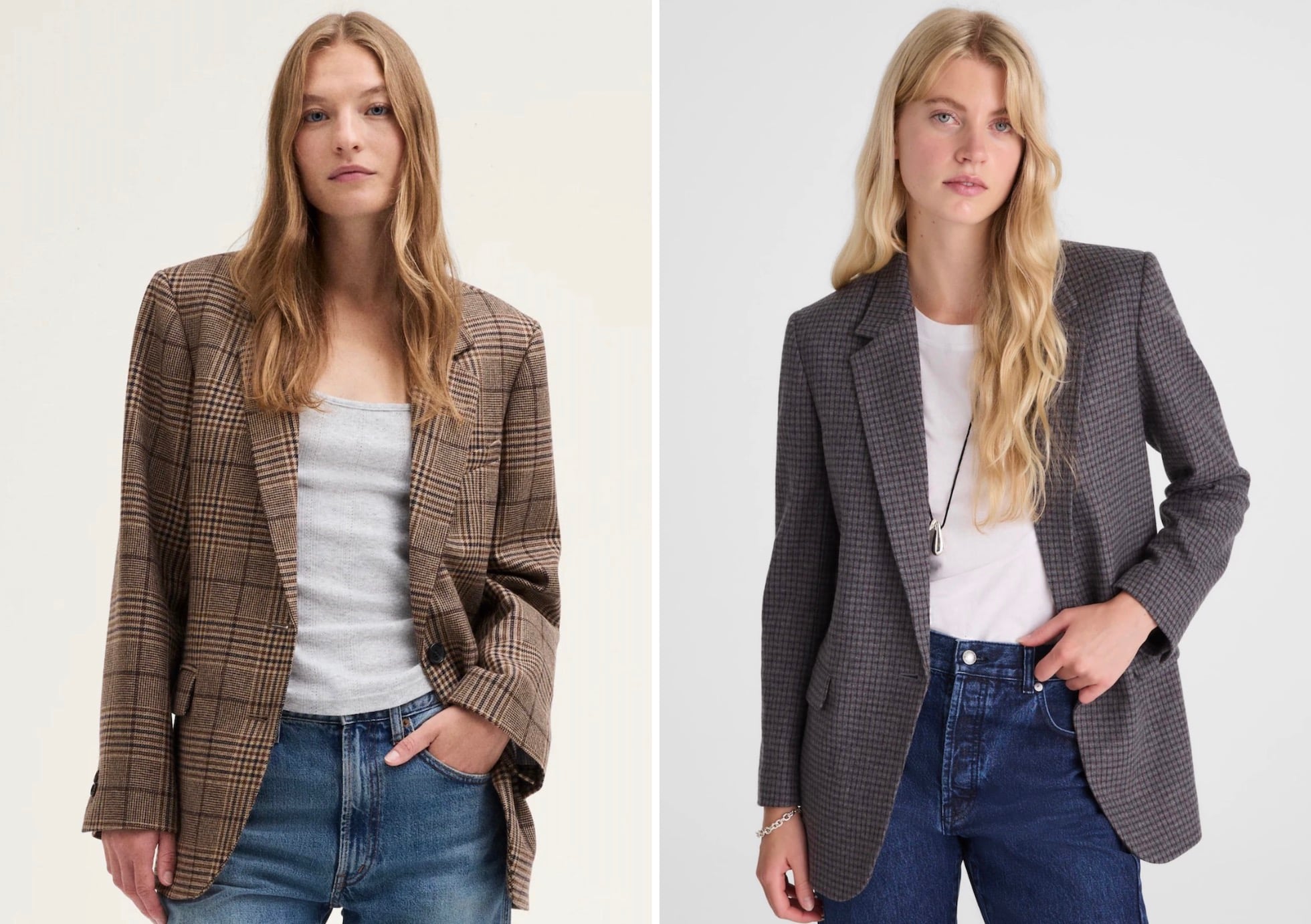
Platforms specializing in vintage apparel report that buyers are specifically seeking older, high-quality wool structures that have softened over time. This preference for "broken-in" garments mirrors the fashion industry’s current obsession with items that possess historical character rather than the stiff, mass-produced items found in contemporary fast-fashion outlets. For the consumer, this requires a shift in mindset: prioritizing fabric quality and fit over brand-new labels.
Economic and Cultural Implications
The popularity of the slouchy blazer suggests a permanent departure from the "power suit" era. Culturally, the garment represents a rejection of performative formality. By prioritizing soft shoulders and foldable cuffs, professionals are signaling a preference for comfort and adaptability.
From a macroeconomic perspective, the surge in sales for these specific items highlights the importance of the "work uniform" concept. In an era of hybrid work models, employees are curating smaller, higher-quality wardrobes that serve multiple purposes. The blazer is the anchor of this strategy, bridging the gap between a video conference call and a casual after-work engagement.
Conclusion and Future Outlook
As the 2026 autumn season progresses, the slouchy blazer is expected to remain the primary choice for office-ready attire. Retailers will likely continue to emphasize "ease of wear" in their marketing, focusing on versatility and fabric softness. For those seeking to invest in this staple, the advice remains consistent: prioritize natural materials, consider the benefits of sizing up, and do not overlook the potential of the pre-loved market for finding unique, durable pieces.
As we look toward the upcoming winter season, it is anticipated that these blazers will be layered under heavier coats, suggesting that the silhouette will maintain its relevance well into the next quarter. Whether one opts for the structured luxury of a high-end designer piece or the accessibility of a discounted seasonal item, the slouchy blazer serves as a testament to the modern worker’s demand for a wardrobe that is as flexible as their schedule.