The Rise of the Men’s Zip-Up Sweater: From Functional Leisurewear to High-Fashion Staple

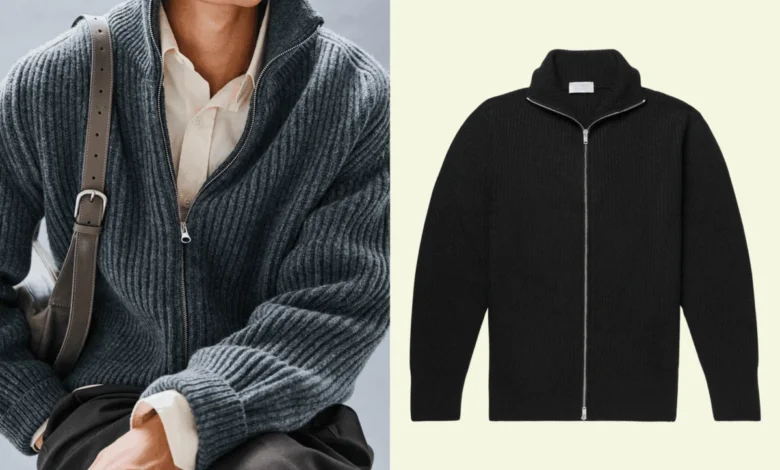
For decades, the men’s zip-up sweater occupied a specific, unchanging niche in the global wardrobe. Often associated with retired fathers, weekend landscapers, and Silicon Valley executives who prioritized comfort over tailoring, the garment was long dismissed by style critics as an emblem of anti-fashion. Whether styled as a quarter-zip, a full-zip cardigan, or a funnel-neck pullover, zip-up knitwear was viewed as functional outerwear rather than a canvas for sartorial expression.
However, the contemporary menswear landscape has undergone a sweeping transformation. As fashion cycles increasingly embrace irony, comfort, and cross-genre styling, zip-up sweaters have emerged as one of the most versatile and sought-after items in modern retail. Driven by a combination of generational nostalgia, shifting workplace dress codes, and avant-garde re-interpretations by global design houses, the once-maligned garment is now a definitive staple of modern menswear.
The Cultural Shift and Generational Reappropriation
The rehabilitation of the zip-up sweater is part of a broader cultural movement that redefines utility and comfort as high fashion. Over the past several seasons, younger consumers have begun mining the wardrobes of older generations—a phenomenon accelerated by social media aesthetics such as "old money" and "corpcore." What was once considered the uniform of suburban mundane life has been recontextualized by style-conscious dressers who appreciate the garment’s inherent contradiction: it is simultaneously fussy and relaxed, formal and casual.
Independent European labels have played a pivotal role in this aesthetic pivot. Brands operating out of fashion capitals like Copenhagen and Stockholm have systematically subverted the traditional corporate uniform. By introducing relaxed silhouettes, tactile surfaces, and unexpected fabric blends, labels such as Mfpen and Our Legacy have stripped the zip-up sweater of its suburban connotations, embedding it instead within the lexicon of contemporary minimalist design.
Concurrently, heritage brands that have produced zip-up knitwear for generations—including Ralph Lauren, L.L.Bean, and John Smedley—are reporting surges in demand from younger demographics. Consumers are either raiding their parents’ closets for authentic vintage pieces or investing in modern iterations that offer updated fits and sustainable fabric sourcing.
Anatomy of a Hybrid Garment: Versatility Across Style Tribes
The enduring appeal of the modern zip-up sweater lies in its cross-genre adaptability. Unlike structured tailoring or graphic streetwear, a well-constructed zip-up knit functions as a sartorial chameleon, seamlessly transitioning across disparate fashion subcultures.
In a traditional prep context, a fine-gauge merino wool quarter-zip can be layered over an oxford cloth button-down and paired with pleated trousers, offering a sophisticated nod to mid-century campus style. Conversely, the same garment can be integrated into a punk or skate-inspired wardrobe when styled oversized, worn unzipped over a vintage graphic tee, and paired with baggy cargo pants or distressed denim. For outdoor enthusiasts—often grouped under the "gorpcore" aesthetic—heavy-gauge wool zip-ups and technical half-zips provide the essential layering capabilities required for transitioning between varying climates.
Furthermore, the hardware itself has become a focal point of design. Two-way zippers allow wearers to adjust the drape and silhouette of the sweater, creating intentional pooling at the waist or revealing underlying layers. Funnel necks and stand collars, when unzipped, collapse into structured lapels that mimic the appearance of a traditional collar, adding a layer of architectural interest previously absent from standard knitwear.
Curated Selection: The Best Men’s Zip-Up Sweaters for the Season
As the market for zip-up knitwear expands, manufacturers are offering options across a wide spectrum of price points, materials, and designs. Industry experts and retail analysts have categorized the top offerings into distinct categories based on quality, construction, and value.
The Best Overall: Mfpen Covet Ribbed Cotton-Jersey Zip-Up Sweatshirt
Priced at approximately $335 and available via retailers such as Mr Porter, the Mfpen "Covet" sweatshirt exemplifies the contemporary approach to zip-up knitwear. Constructed with a relaxed, off-the-shoulder fit that avoids excessive boxiness, it features a versatile two-way zipper and a textured surface reminiscent of corduroy. Its design allows it to bridge the gap between corporate utility and casual streetwear, functioning effectively over a striped button-down or beneath a heavy canvas chore coat.
The Best Affordable Option: Uniqlo Souffle Yarn Half-Zip Sweater
For consumers seeking luxury aesthetics at an accessible price point, Uniqlo’s Souffle Yarn Half-Zip Sweater—priced at $60—offers a compelling alternative. Utilizing a specially brushed synthetic and natural yarn blend that mimics the plush, fuzzy texture of mohair or alpaca, the garment provides significant tactile depth without the associated cost. Cut in a relaxed silhouette optimized for layering, it delivers warmth and versatility across multiple colorways.
The Best Luxury Full-Zip Upgrade: John Smedley Mallam Ribbed Recycled-Cashmere and Merino Wool-Blend Cardigan
At the higher end of the market, heritage British knitwear brand John Smedley offers the Mallam cardigan, retailing for around $720. Based in Derbyshire for over two centuries, the brand combines equal parts recycled cashmere and merino wool to create a garment that balances durability with a soft, lightweight hand-feel. Designed to withstand rigorous wear while maintaining a refined profile, the ribbed knit features a funnel neck that folds into a clean collar when unzipped.
The Best Luxury Quarter-Zip Upgrade: Todd Snyder Merino Quarter-Zip Sweater
Todd Snyder has refined its knitwear offerings in recent seasons, shifting from bold mid-century patterns toward a more restrained, minimalist palette. The Merino Quarter-Zip, priced at $278, utilizes silky, high-loft merino wool in sophisticated colorways such as olive green. Subtle structural details, including contrasting knits between the torso and saddle-shoulder sleeves, elevate the piece, making it suitable for pairing with high-waisted pleated trousers or casual cargo pants.
The Best Chunky Knit: S.N.S. Herning Robust Merino Wool Zip-Up Sweater
Designed for maximum durability and warmth, the "Robust" zip-up from Danish heritage brand S.N.S. Herning retails for approximately $490. Crafted using a traditional five-gauge multidimensional knit and 100% pure merino wool, the sweater is engineered to endure harsh weather conditions, recalling the brand’s historical ties to North Sea maritime workers. Its heavy structure and seamless stitch shifts at the shoulders project a commanding silhouette, whether worn beneath a leather jacket or paired with relaxed-fit trousers.
Additional Notable Mentions
The market also features specialized alternatives tailored to niche styling preferences. Frizmworks offers a collarless ribbed wool-blend zip-up cardigan ($240) that provides a clean neckline suited for layering under heavy topcoats. Drake’s bridges the gap between classic sportswear and tailoring with its striped cotton-jersey half-zip polo ($345), merging the conventions of a rugby shirt with the versatility of a zip-up. For extreme weather and outdoor utility, District Vision’s logo-appliqué half-zip shell jacket ($200) offers lightweight nylon construction designed for dynamic movement. Meanwhile, heritage stalwarts like Ralph Lauren continue to anchor the market with reliable staples such as the Estate-Rib Quarter-Zip Pullover ($135).
Methodology: How Products Are Evaluated
The evaluation of menswear staples requires a balance of subjective style appreciation and objective quality assessment. Industry review boards typically analyze apparel across three primary pillars: quality of materials and sourcing, construction craftsmanship, and price-to-value ratio.
Evaluating knitwear involves inspecting fiber density, seam integrity, hardware durability, and the ethical sourcing of raw materials such as wool and cashmere. While rapid trend cycles make physical sampling of every market entry challenging, analysts rely on established brand histories, textile transparency, and consumer feedback to determine market viability. The resulting selections represent a cross-section of the industry, ranging from legacy manufacturers to contemporary design disruptors.
Broader Industry Implications and Future Outlook
The resurgence of the zip-up sweater reflects a broader macroeconomic and cultural shift in consumer behavior. As hybrid work models persist and formal office dress codes continue to relax, consumers are increasingly demanding apparel that bridges the gap between professional presentation and domestic comfort.
Retail data indicates that knitwear sales remain resilient, driven by consumer willingness to invest in multi-seasonal staple pieces rather than disposable fast-fashion trends. The adaptability of the zip-up sweater positions it as a resilient asset in modern retail portfolios. As designers continue to experiment with novel fabric blends, asymmetrical closures, and hybrid silhouettes, the zip-up sweater has solidified its transition from an overlooked closet relic to an essential pillar of contemporary menswear.