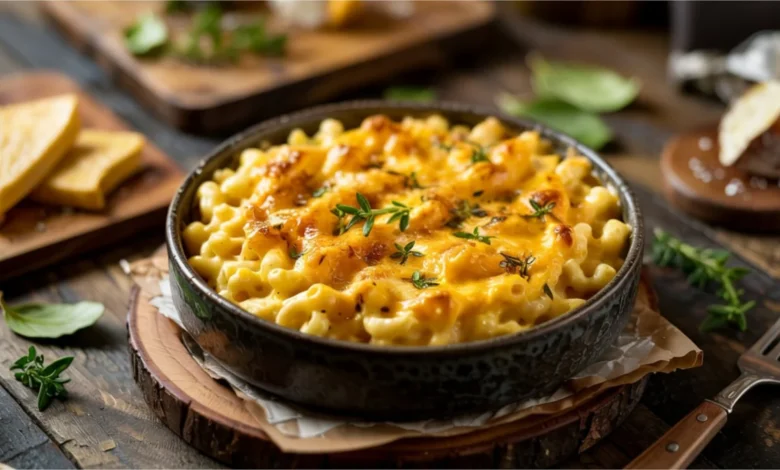
Few dishes evoke the universal comfort of homemade macaroni and cheese. Rich, creamy, and carb-forward, the classic American staple has served as a culinary cornerstone for generations, providing an unmatched sense of indulgence and nostalgia. However, traditional mac and cheese recipes rarely align with modern nutritional recommendations. High in saturated fats, sodium, and refined carbohydrates, a standard plate of macaroni and cheese often lacks the essential vitamins, minerals, and dietary fiber required for a balanced diet.
While home cooks have long attempted to remedy this nutritional deficit by tossing in chopped broccoli florets, peas, or spinach, these visible additions frequently alter the textural integrity and familiar aesthetic of the dish, occasionally drawing resistance from picky eaters or purists alike. To bridge the gap between wholesome nutrition and decadent comfort food, culinary experts and nutritionists are increasingly championing a simple, budget-friendly culinary hack: incorporating blended sweet potato directly into the cheese sauce. This unassuming root vegetable seamlessly melts into the background, providing the rich, velvety mouthfeel and vibrant golden-orange hue of a classic cheese sauce while delivering a robust profile of health benefits without compromising taste.
The Nutritional Science Behind the Sweet Potato Integration
The integration of sweet potatoes into comfort food is not merely a passing culinary trend; it is backed by substantial nutritional science. Sweet potatoes (Ipomoea batatas) are exceptionally nutrient-dense, recognized globally by public health organizations for their high concentrations of essential micronutrients and bioactive compounds.
According to nutritional data from the United States Department of Agriculture (USDA), just a half-cup serving of cooked, mashed sweet potato supplies more than 100% of the recommended daily intake of vitamin A, primarily in the form of beta-carotene, a powerful antioxidant responsible for the vegetable’s vivid coloration. Beta-carotene plays a critical role in supporting ocular health, immune function, and cellular integrity. Furthermore, sweet potatoes are a rich source of vitamin C, potassium, manganese, and B-complex vitamins, which collectively contribute to metabolic regulation and cardiovascular health.
Beyond standard micronutrients, sweet potatoes offer significant advantages for gastrointestinal health. They are an abundant source of both soluble and insoluble dietary fiber. Insoluble fiber adds bulk to stool and promotes regular intestinal motility, while soluble fiber acts as a prebiotic, feeding the beneficial bacteria residing in the human gut microbiome. Maintaining a healthy microbiome has been increasingly linked by clinical researchers to improved immune response, metabolic efficiency, and even cognitive function through the gut-brain axis.
Nutritional variations also exist among different sweet potato cultivars. While orange-fleshed sweet potatoes are prized for their beta-carotene content, purple varieties boast high levels of anthocyanins—powerful antioxidants also found in blueberries and red cabbage—which have been associated with reduced systemic inflammation and improved cognitive longevity. White-fleshed sweet potatoes, while lower in beta-carotene, still offer substantial fiber and mineral content. By incorporating any variety of sweet potato into a heavy cream- and cheese-based sauce, home cooks can effectively lower the overall glycemic index of the meal while introducing vital dietary components.
Culinary Techniques: How to Implement the Upgrade
Integrating sweet potatoes into a homemade macaroni and cheese recipe requires minimal culinary adjustment, offering flexibility depending on available prep time and dietary goals. Culinary professionals generally outline two primary methods for incorporating the vegetable into the dish.
The first and most straightforward approach involves blending cooked sweet potato directly into a traditional cheese sauce. For home cooks who rely on a cherished, time-tested recipe—such as a classic mornay sauce built on a butter-and-flour roux—adding puréed sweet potato at the whisking stage requires little modification. The sweet potato acts as an emulsifier, enhancing the natural creaminess of the melted cheddar or Gruyère without imparting an overwhelming vegetal flavor.
To achieve optimal results, the sweet potatoes must be cooked until thoroughly tender. Home cooks can choose between roasting and boiling, each offering distinct advantages. Roasting sweet potatoes at medium-high heat caramelizes the natural sugars within the vegetable, concentrating its flavor and imparting a subtle richness that complements sharp cheeses. Conversely, scientific studies in food preparation indicate that boiling root vegetables can help preserve certain water-soluble antioxidants and ensures a smoother, more uniform texture when puréed, while also rendering the starches easier to digest.
The second method bypasses the traditional roux entirely, utilizing the puréed sweet potato as the foundational thickener for the sauce. This technique is particularly advantageous for individuals seeking a more substantial vegetable boost or those looking to reduce the heavy fats typically associated with traditional flour-and-butter bases. By combining cooked sweet potato in a high-speed blender with a liquid base—such as low-sodium vegetable or chicken stock, milk, or a splash of heavy cream—alongside seasonings like garlic powder, smoked paprika, and mustard powder, cooks can create a velvety, nutrient-dense emulsion. This vegetable-forward sauce is then folded directly into al dente pasta, combined with generous portions of grated cheese, and baked until bubbling and golden brown.
Broader Industry Implications and Consumer Shifts
The growing popularity of hidden-vegetable enhancements in comfort foods reflects a broader shift in consumer behavior within the culinary and packaged-food industries. As contemporary consumers increasingly prioritize functional nutrition—seeking out foods that offer health benefits beyond basic sustenance—home cooking trends have mirrored commercial innovations.
Food manufacturers have spent the past decade reformulating processed boxed macaroni and cheese products to include cauliflower-based pasta, legume-derived noodles, and vegetable powders. However, culinary instructors and food scientists note that home-cooked alternatives utilizing whole foods like sweet potatoes offer superior flavor profiles and allow consumers to retain complete control over ingredient quality and sodium levels.
Furthermore, economic factors play a substantial role in the adoption of this culinary hack. Sweet potatoes remain one of the most economically accessible produce items in global markets, making nutrient-dense upgrades financially viable for households navigating inflation and rising grocery costs. By replacing a portion of expensive dairy fats or heavy cream with nutrient-rich root vegetables, home cooks can achieve a luxurious, satiating texture while stretching their food budgets.
As culinary education continues to emphasize approachable ways to improve home cooking, the integration of nutrient-dense vegetables into staple comfort foods demonstrates that health and indulgence are not mutually exclusive. Whether utilized to introduce essential vitamins to children or simply to enhance the nutritional profile of a weeknight dinner, the sweet potato upgrade offers a practical, science-backed solution that honors the enduring appeal of classic macaroni and cheese.