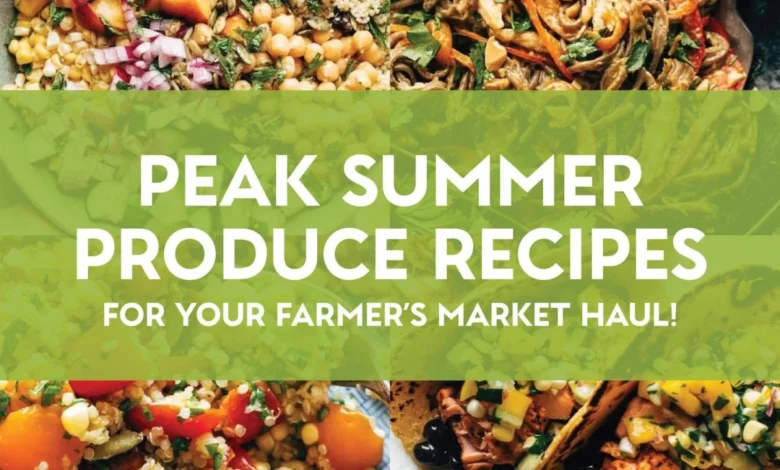
The arrival of the summer solstice marks the beginning of peak harvest season for farmers’ markets across North America, presenting both a culinary opportunity and a logistical challenge for home cooks. As temperatures rise, the availability of high-yield crops—including sweet corn, heirloom tomatoes, zucchini, stone fruits, and bell peppers—reaches its zenith. While this bounty offers significant nutritional and economic benefits, it often leaves consumers with a surplus that requires rapid utilization to avoid food waste. This guide analyzes methods for integrating seasonal ingredients into efficient, high-volume meal preparation, focusing on culinary techniques that maximize shelf life and flavor profiles.

The Economics of Seasonal Consumption
The agricultural cycle dictates that summer is the most productive period for small-to-mid-sized farms. According to the United States Department of Agriculture (USDA), the seasonal availability of produce not only reduces the carbon footprint associated with long-distance food transportation but also offers higher nutrient density compared to off-season imports. However, the perishable nature of these items creates a "glut" phenomenon, where supply significantly outpaces immediate consumption needs.
Data suggests that the average household loses approximately 30% of its produce purchases to spoilage. To mitigate this, professional chefs and nutritionists emphasize "immediate processing." This involves preparing staples—such as marinades, dressings, and sauces—within 24 hours of purchase to extend the utility of the produce. By shifting from passive storage to active processing, households can reduce food waste while stabilizing their weekly grocery expenditures.
Chronological Approaches to Summer Meal Prep
To effectively manage a large volume of summer produce, meal planning should follow a chronological order of perishability.
Phase 1: Immediate Utilization (Days 1–2)
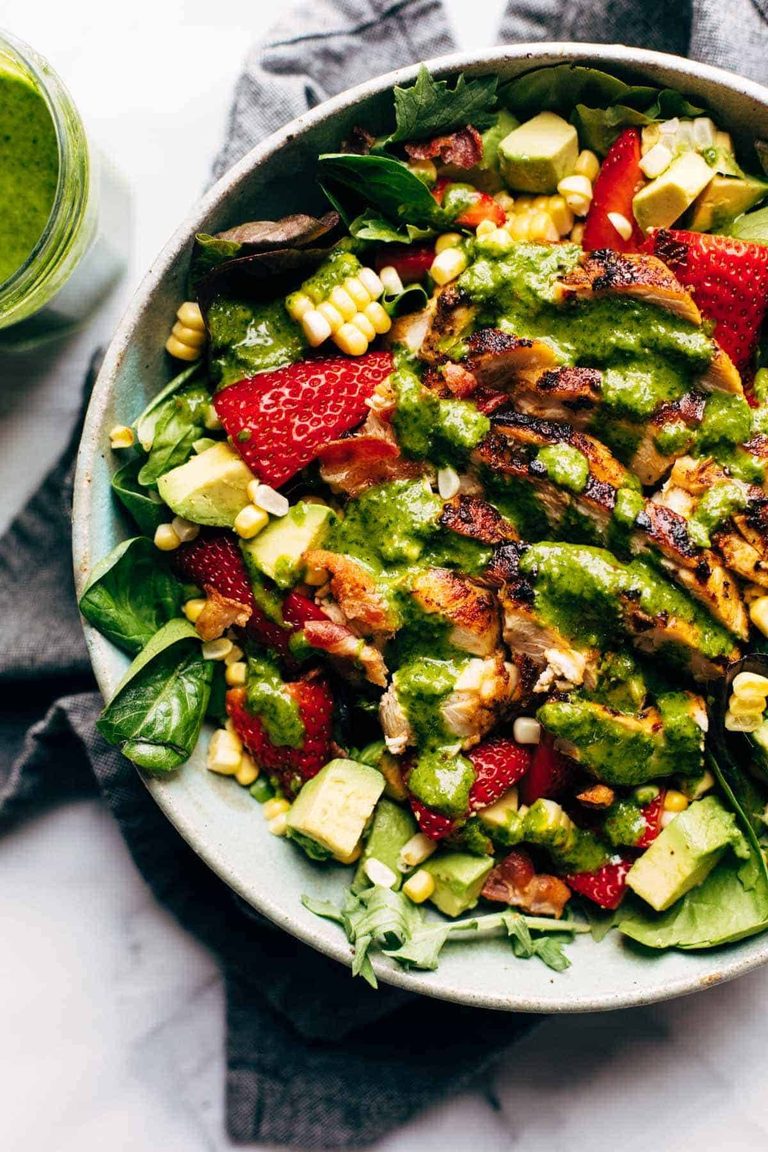
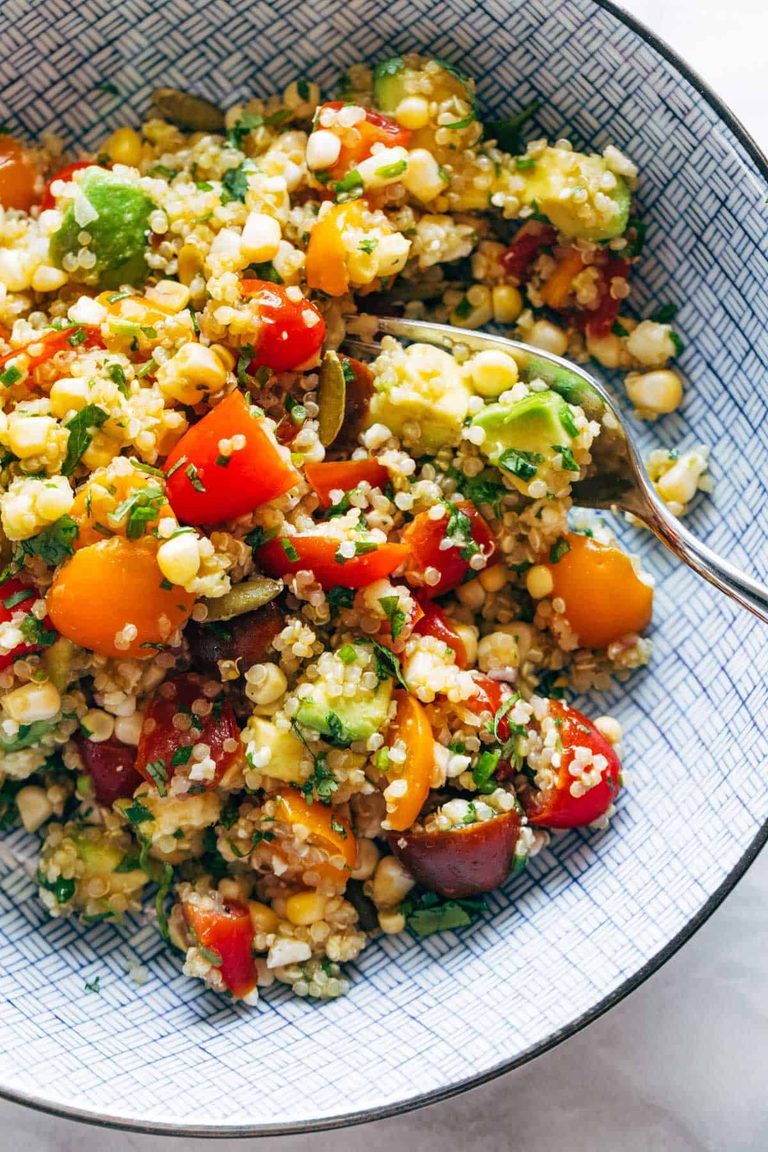
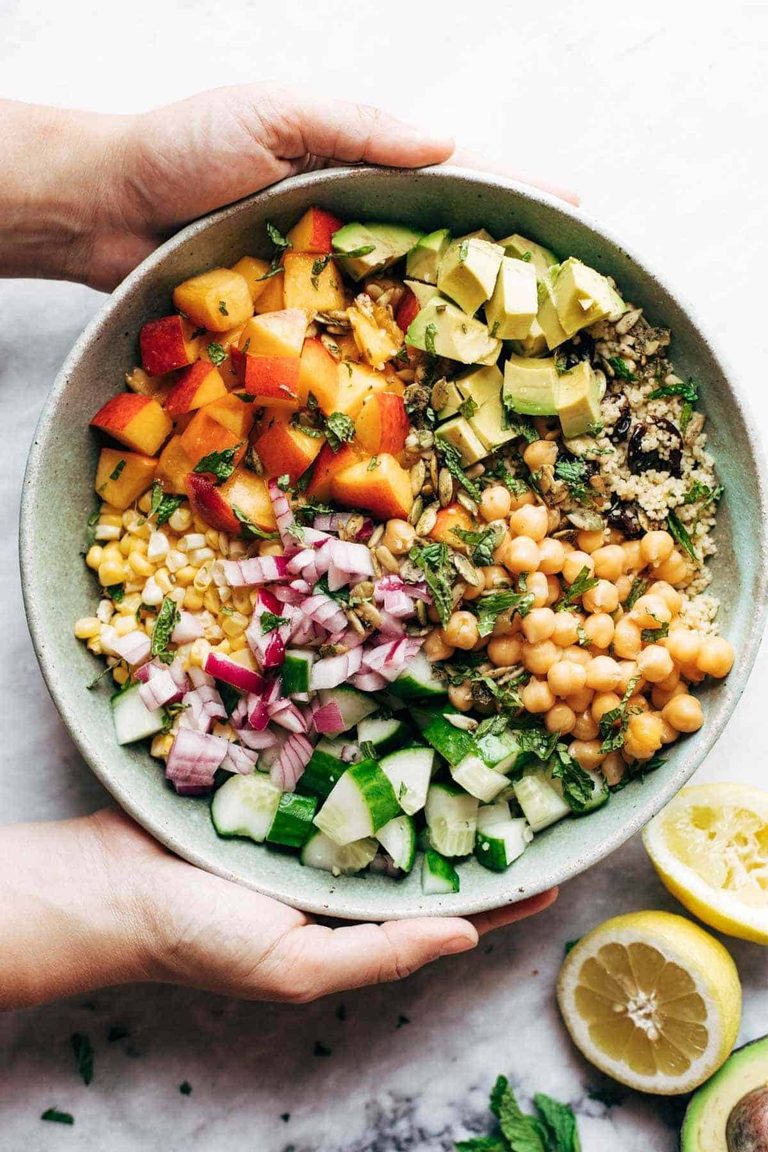
Leafy greens, soft berries, and delicate herbs have the shortest shelf life. These items should be prioritized in fresh preparations. The "Summer Chipotle Chicken Cobb Salad" or "Couscous Summer Salad" are ideal candidates for this window. By incorporating fresh strawberries or tender greens immediately, cooks ensure the highest quality of the final dish while clearing refrigerator space for more robust vegetables.

Phase 2: Mid-Week Processing (Days 3–5)
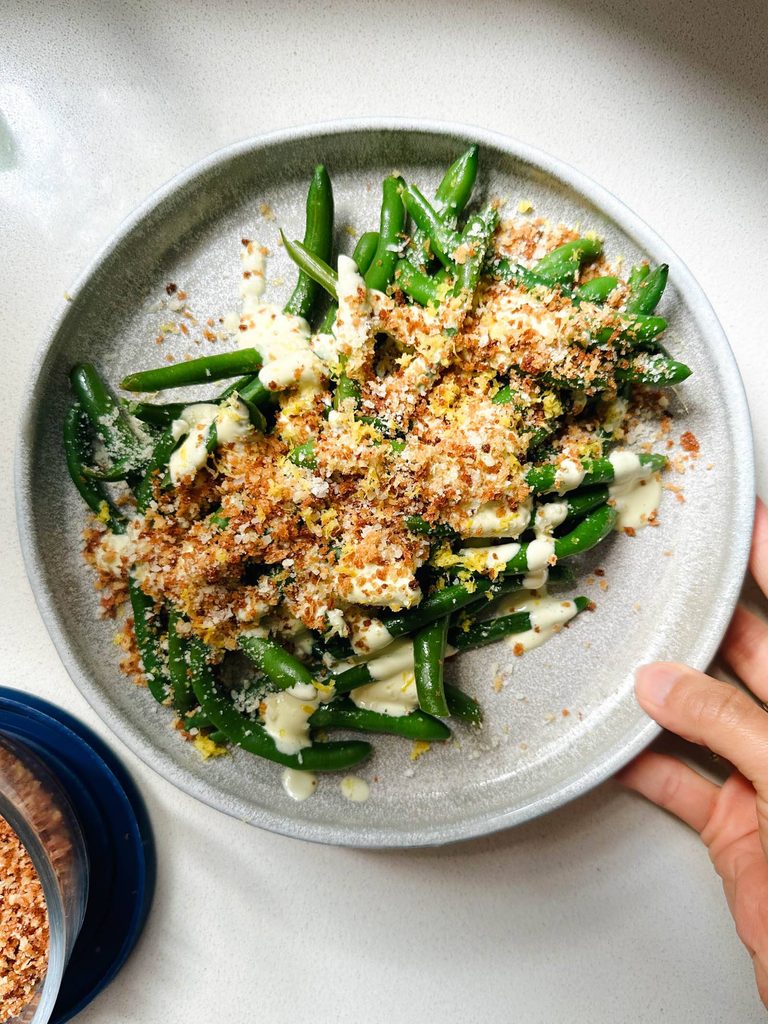
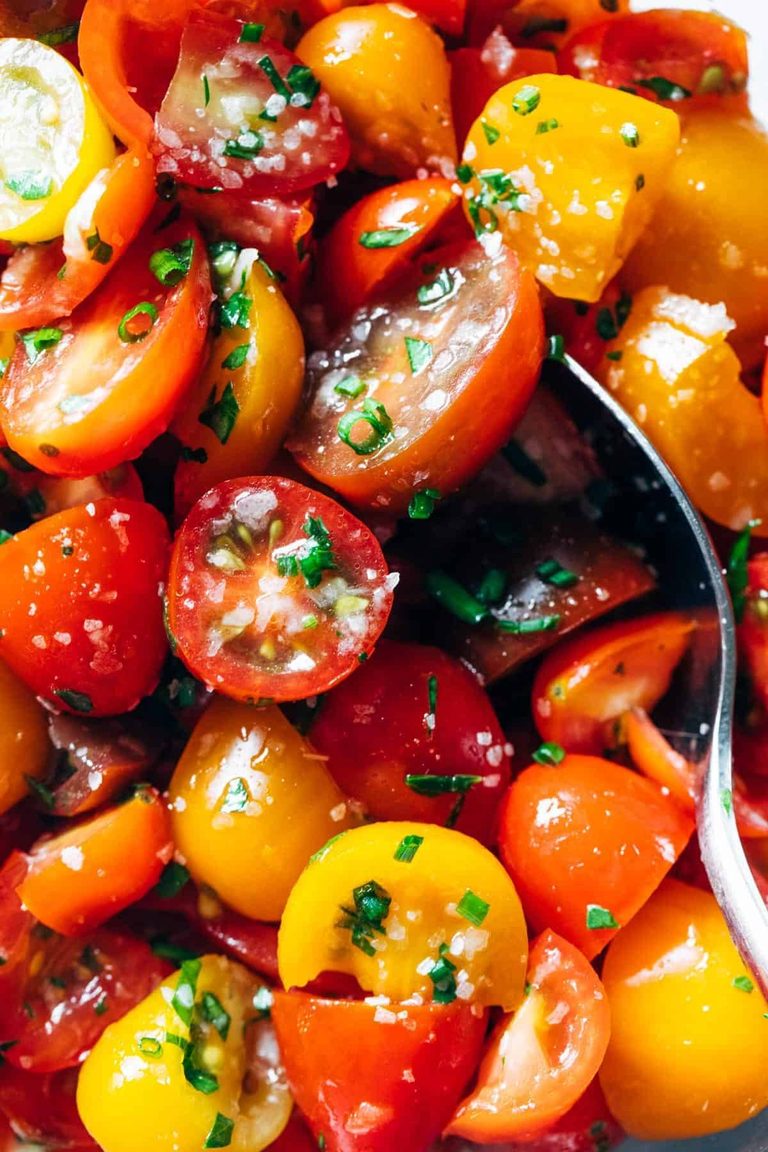
Vegetables with higher structural integrity, such as zucchini, bell peppers, and cucumbers, can withstand a few days of refrigeration. These are best utilized in cooked applications or marinated dishes. The "5-Ingredient Marinated Tomatoes" or "Avocado Caesar Green Beans" serve as high-efficiency side dishes that maintain their texture during this period.
Phase 3: Preservation and Batch Cooking (Days 5–7)
Items that are nearing the end of their peak freshness should be transitioned into cooked, shelf-stable, or freezer-ready formats. Zucchini, for instance, is highly versatile; it can be integrated into "Feel-Good Zucchini Muffins" or "Almond Butter Chocolate Chip Zucchini Bars." These snacks provide a secondary life for produce that might otherwise be discarded.
Analytical Overview of Culinary Techniques
Modern culinary trends have shifted toward "blitz" preparations, where high-speed blending or rapid roasting is used to transform large quantities of produce into concentrated flavor bases.
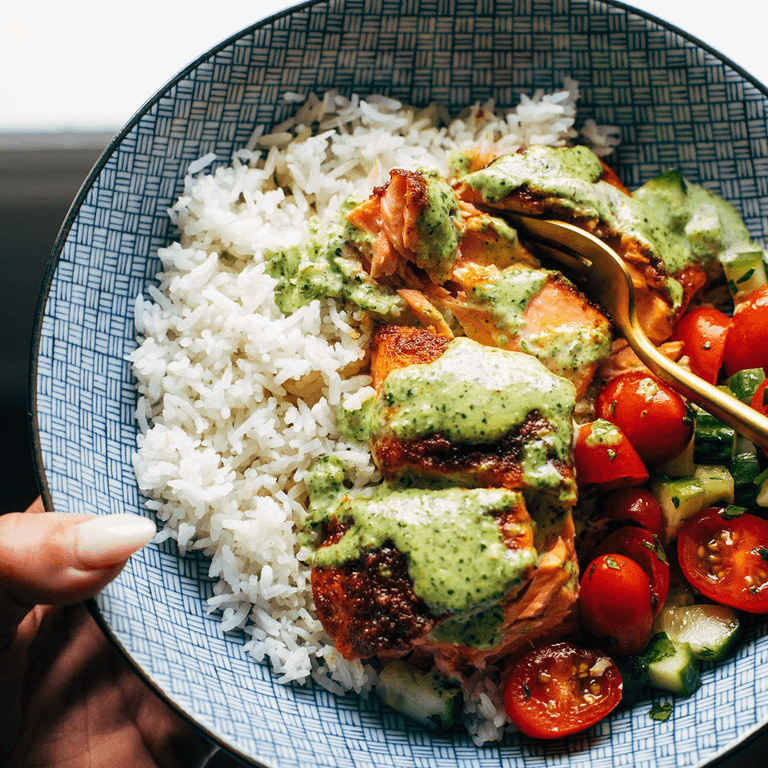
- Emulsion-Based Sauces: The "5 Minute Magic Green Sauce," utilizing avocado and cilantro, acts as a multi-purpose condiment. When prepared in bulk, these sauces serve as flavor foundations for proteins like salmon or chicken, significantly reducing the time required for subsequent weeknight dinners.
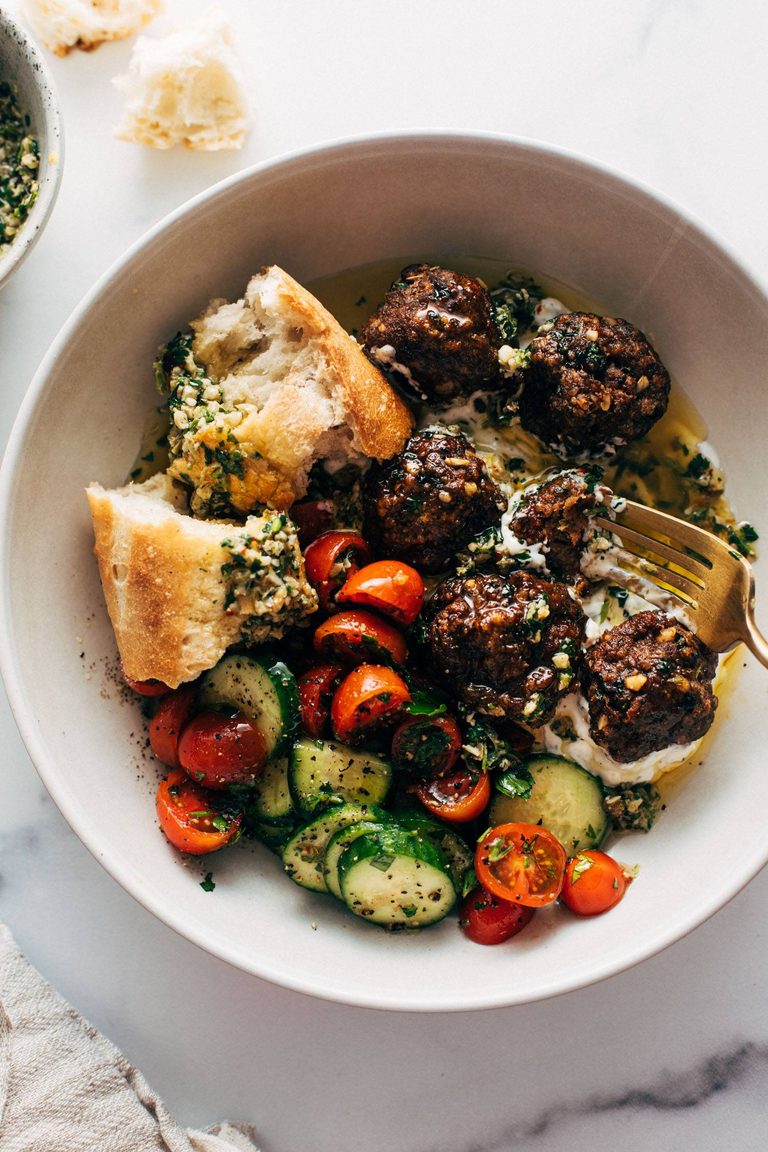
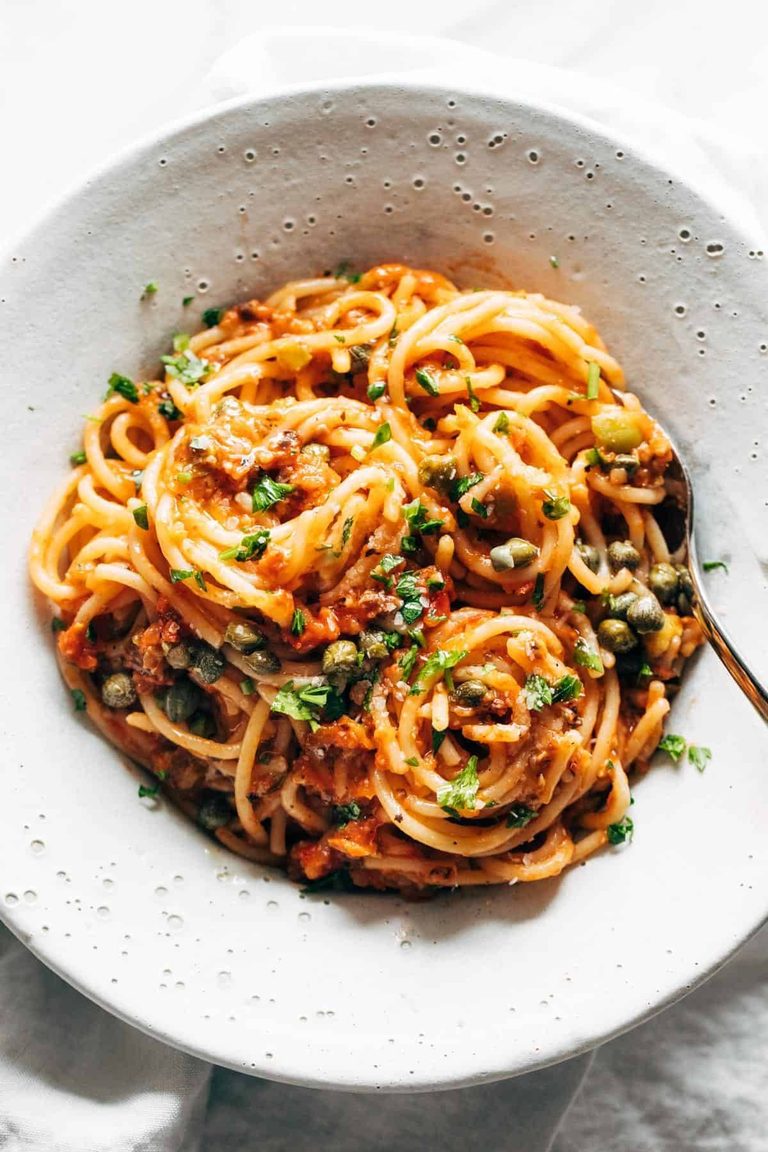
- Sheet Pan Roasting: The use of high-heat roasting for vegetables—such as the "Roasted Tomato Puttanesca" or "Sheet Pan Meatballs with Tomato Salad"—allows for the simultaneous preparation of multiple ingredients. This method is statistically more energy-efficient than stovetop frying and results in a standardized texture for varied vegetable types.
- Fermentation and Pickling: Quick-pickling techniques, such as the "Pickled Strawberries" method, represent an emerging trend in home preservation. By submerging fruit in a vinegar-based brine, the shelf life is extended from days to weeks, providing a unique flavor profile that adds value to basic ingredients.
Nutritional and Dietary Implications
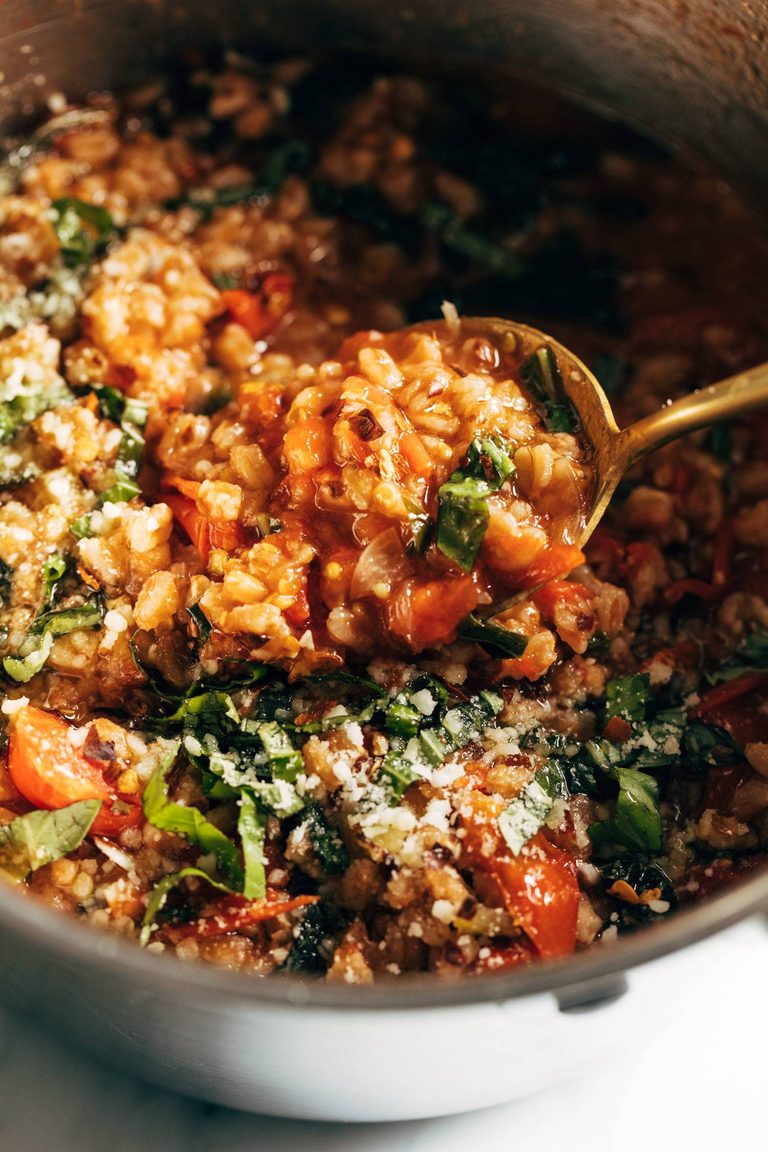
The focus on plant-forward, seasonal eating aligns with broader public health initiatives. Incorporating a variety of colored vegetables—tomatoes (lycopene), peppers (Vitamin C), and zucchini (potassium)—into daily meals is associated with improved cardiovascular health. Furthermore, the inclusion of whole grains like quinoa or farro, as seen in the "One-Pan Farro with Tomatoes and Kale," ensures that these summer meals are nutritionally balanced, providing complex carbohydrates and fiber alongside the seasonal micronutrients.
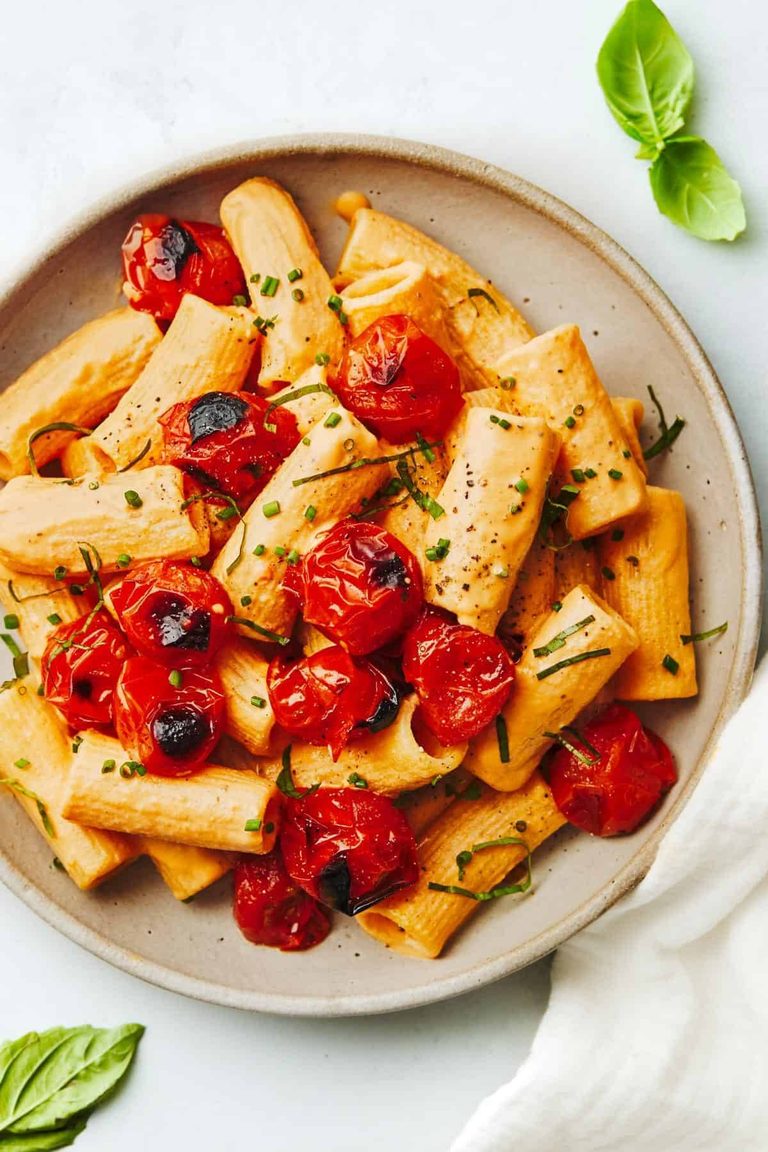
For those adhering to specific dietary requirements, the versatility of these recipes is notable. The "Creamy Vegan Red Pepper Pasta" illustrates that plant-based, dairy-free alternatives can achieve the same sensory characteristics as traditional cream sauces through the use of roasted pepper emulsions.
Institutional and Consumer Reactions
While the farmer’s market movement continues to grow, consumer feedback highlights a recurring barrier: the perceived difficulty of preparing fresh, raw produce. Industry analysts note that "recipe fatigue" is a primary reason consumers return to processed convenience foods despite their intent to eat locally.
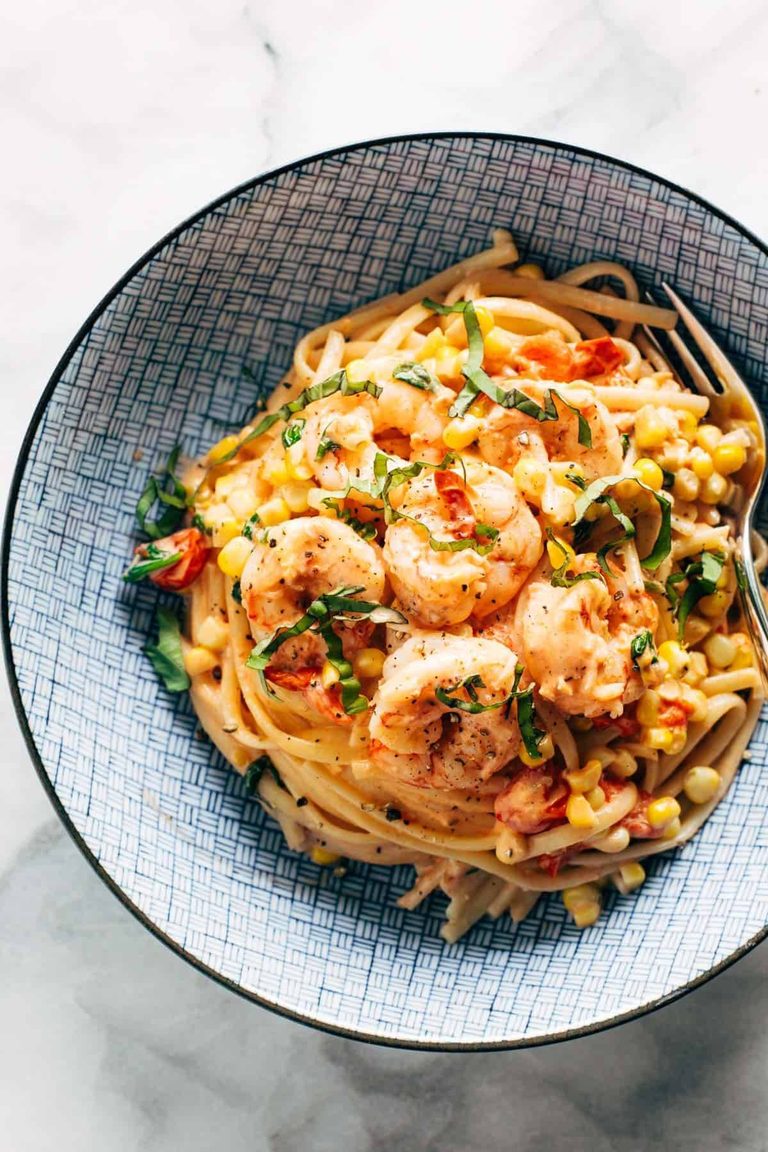
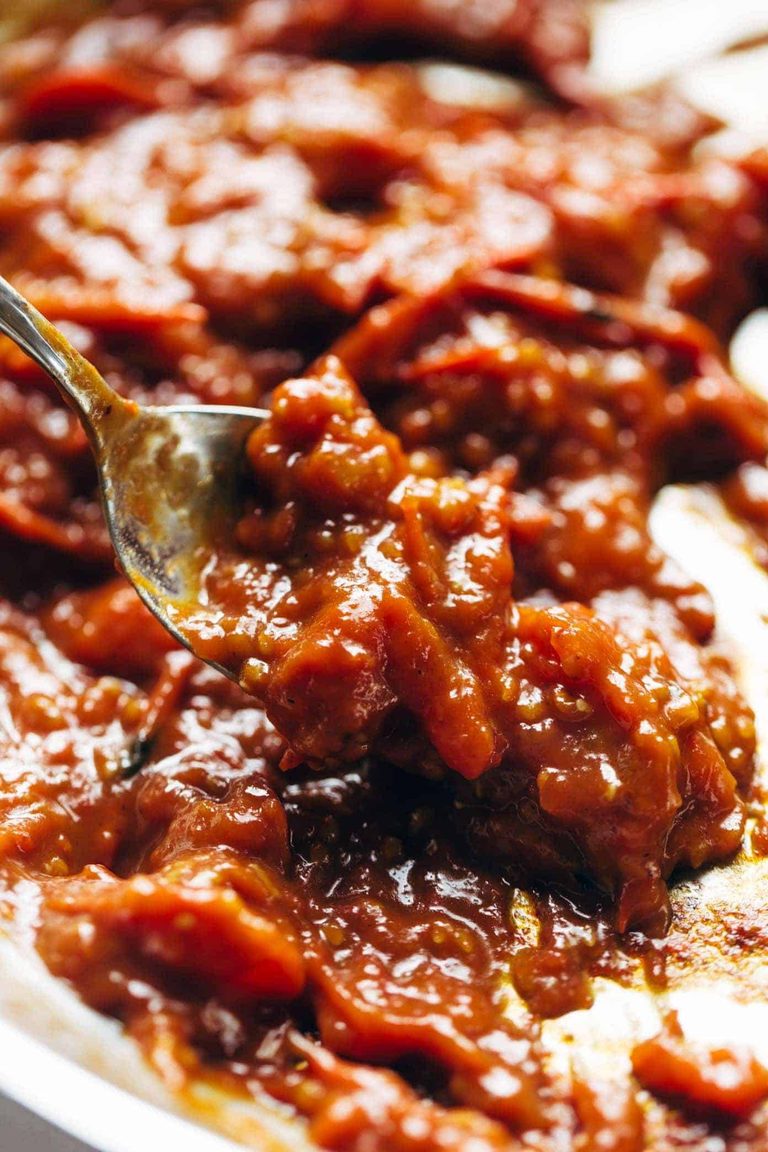
In response, many culinary experts are advocating for "Modular Meal Prep." Instead of cooking complex, singular meals, consumers are encouraged to prep "components"—such as a basic garlic butter tomato sauce, a standard basil sauce, or a batch of marinated grains. These components can then be assembled in various ways throughout the week, such as topping "Garlic Shrimp and Tomatoes with Parmesan Orzo" or using the same sauce for a "Burst Tomato and Zucchini Spaghetti."
Broader Impact: Sustainability and Local Support
Supporting local farmers through the purchase of summer crops has a measurable impact on regional economic stability. When consumers purchase directly from growers, a higher percentage of the dollar remains within the local community. Furthermore, the "farm-to-table" ethos reduces the reliance on industrial supply chains, which are susceptible to systemic shocks.
From an environmental standpoint, the focus on seasonal consumption is a core pillar of sustainable living. By aligning household consumption with the natural growth cycles of the region, households contribute to a more balanced demand for agricultural products. This, in turn, allows farmers to plan their crops more effectively, reducing the instances of unsold, wasted harvest—a significant issue in global food systems.
Conclusion: Strategic Implementation
To successfully navigate the summer harvest, consumers should view their grocery hauls not as a series of individual ingredients, but as a resource to be managed. The transition from viewing produce as a "problem to solve" to a "strategic asset" for dinner preparation is the key to culinary success.
By employing a systematic approach—prioritizing the most perishable items, utilizing high-heat cooking for batch production, and leveraging versatile sauces—home cooks can enjoy the diversity of summer produce without the associated waste. As the season progresses, the ability to adapt these foundational recipes to the changing availability of crops will ensure a consistent, nutritious, and economically sound dining experience through the final weeks of the harvest.
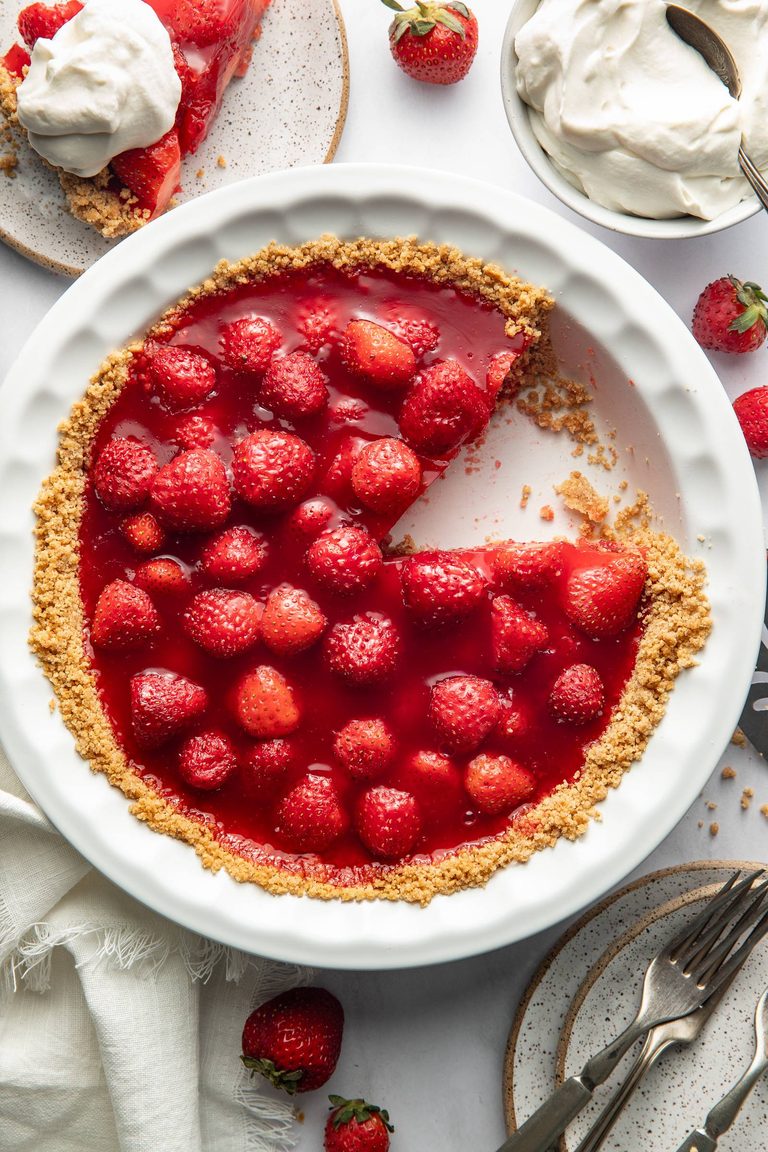
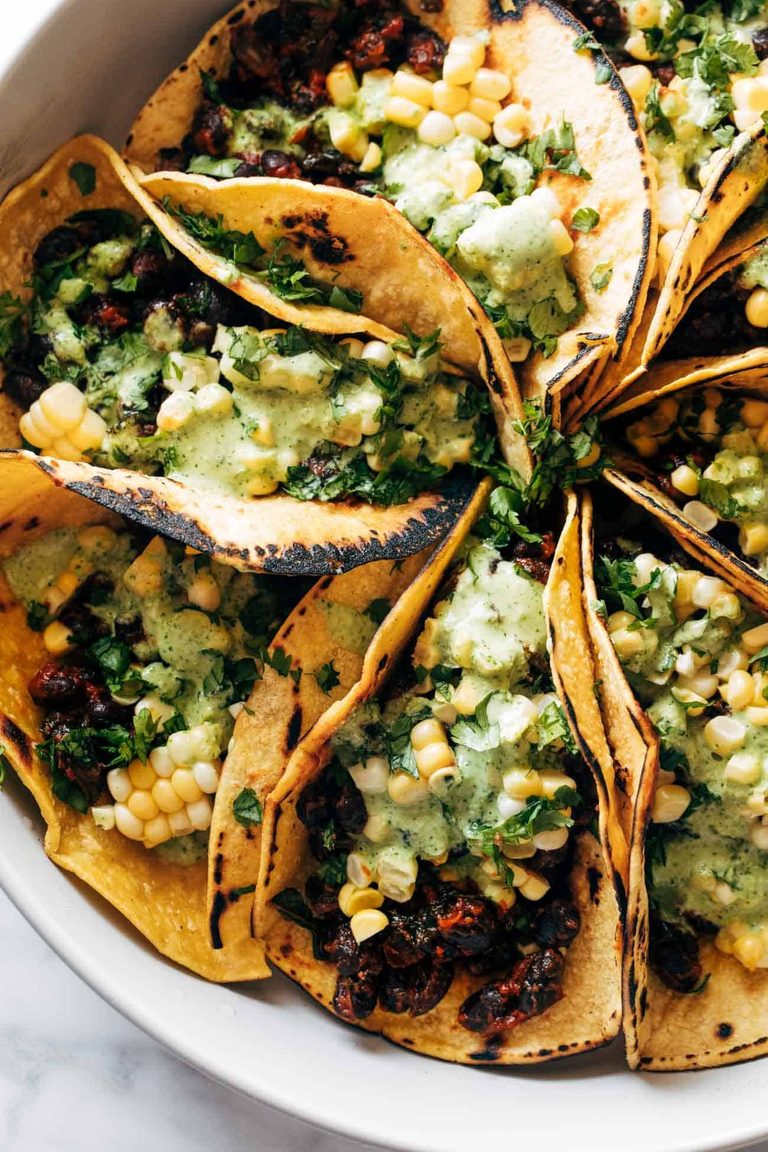
The diversity of the recipes outlined, from "Smoky Beans & Greens Tacos" to "Easy Strawberry Pie," demonstrates that there is no limitation to the culinary expressions possible with summer produce. The ultimate objective remains the same: to minimize waste, maximize flavor, and honor the seasonal labor of the farmers who provide the foundation for these meals. Through thoughtful planning and efficient preparation, the challenges of a full market basket can be transformed into a sustained, healthy, and high-quality culinary experience.