The transition from late August into September frequently presents a meteorological paradox for consumers across North America. As the calendar page turns and retailers begin stocking heavy knitwear and promotional materials for seasonal coffee beverages, localized heatwaves often push ambient temperatures past ninety or even one hundred degrees Fahrenheit. This sensory dissonance—craving the rich, spiced profiles of autumn while battling persistent summer humidity—has spurred a notable culinary trend: the strategic cross-seasonal release of autumn-themed ice creams designed to bridge the gap between two distinct weather patterns.
Major commercial creameries, national supermarket chains, and specialty dessert purveyors have increasingly synchronized their product cycles to capture this transitional market. By blending traditional warm-weather formats with classic cold-weather flavor profiles—such as heirloom pumpkin, spiced apple, cinnamon streusel, and toasted praline—manufacturers are meeting consumer demand for autumnal nostalgia without requiring shoppers to sacrifice thermal comfort.
The Evolution of Autumnal Frozen Desserts
The commercial viability of fall-flavored ice cream is a relatively recent phenomenon within the broader culinary landscape. Historically, frozen dessert sales followed a predictable seasonal arc, peaking between Memorial Day and Labor Day before yielding to baked goods, hot beverages, and traditional comfort foods as temperatures dropped. However, market research data from the specialty food sector indicates that consumer interest in seasonal flavor profiles has expanded year-round, with autumn flavors emerging as a significant revenue driver during the late-summer shoulder season.
Industry analysts attribute this shift to a cultural phenomenon often termed "anticipatory seasonal living," where consumers seek psychological comfort through food rituals ahead of actual climate changes. Retailers have responded by accelerating their seasonal product calendars. While pumpkin and apple-spiced goods once made their debut strictly in October, grocery freezer aisles now feature autumn rotations as early as mid-August. This strategic timeline allows brands to capitalize on the end-of-summer heat, offering a refreshing medium for flavors that were previously restricted to the oven.
Premium and Artisanal Offerings Lead the Market
The current wave of seasonal frozen desserts spans a wide spectrum of manufacturing scales, from nationwide supermarket private-label brands to small-batch artisanal creameries.
Jeni’s Splendid Ice Creams, known for its creative flavor architecture, has introduced its Pumpkin with Brown Sugar Blondies variant. Built on a rich heirloom pumpkin base, the formulation integrates warming spices with dense, chewy pieces of brown sugar blondie, alongside the return of several legacy fall favorites. This approach highlights a broader industry trend: moving beyond simple pumpkin purees toward complex textural integrations that mimic complete baked desserts.
Similarly, Baskin-Robbins has anchored its autumn menu around the viral resurgence of Biscoff, introducing Biscoff Crème Brûlée Ice Cream. Utilizing a French custard base accented by crushed spiced cookies and caramelized sugar swirls, the global chain has paired the release with a complementary Biscoff Cookie Signature Shake. The integration of a culturally trending ingredient demonstrates how commercial dessert brands leverage social media momentum to drive seasonal foot traffic.
Dairy Queen has updated its traditional soft-serve menu with the Caramel Apple Cheesecake Blizzard. By suspending apple and cheesecake chunks alongside a buttery caramel swirl within vanilla soft serve, the company addresses both texture and flavor expectations. Culinary experts note that the inclusion of contrasting textures—such as the crunch of praline pecans or the chew of pastry pieces—remains critical to replicating complex baked goods in a frozen medium.
Grocery Chains and Regional Favorites Expand Product Lines
In the retail sector, regional grocers and private-label programs have established dominant positions in the fall seasonal category. Publix Super Markets launched a robust rotation of sixteen seasonal flavors in August, highlighted by Cinnamon Streusel Praline Premium Ice Cream and Banana Nut Bread Premium Ice Cream. The former combines brown sugar ice cream with praline pecans, sticky bun dough, and a cinnamon streusel swirl, while the latter utilizes an authentic banana bread base complemented by walnut pieces and banana sauce.
Kroger’s Private Selection line has similarly diversified its autumn offerings by introducing boozy flavor profiles and premium bakery concepts. The Amaretto Cookie & Apple Ice Cream pairs an apple-cinnamon cream base with crunchy bits of amaretto-flavored cookies, exploring the warm, almond-forward liqueur outside traditional beverage applications. Additionally, Kroger’s New York Style Pumpkin Cheesecake variant leans into the dense, rich flavor profile characteristic of traditional New York bakeries by incorporating heavy cream and substantial cheesecake chunks into a spiced pumpkin base.
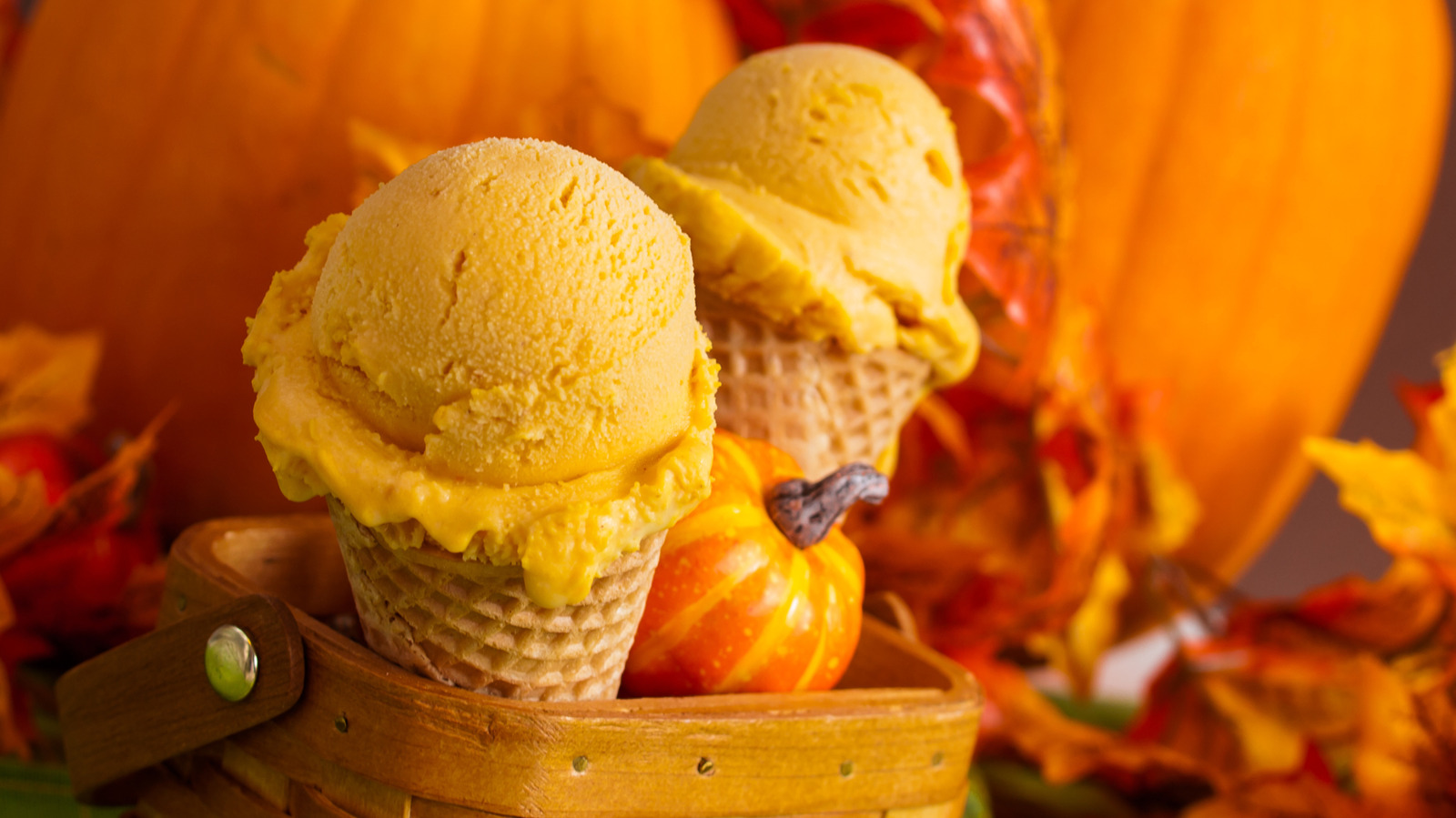
Trader Joe’s has returned its popular fan-favorite Pumpkin Ice Cream to freezer sections nationwide. Classified as a super-premium product due to its elevated butterfat content, the formulation delivers increased density and a smoother mouthfeel compared to standard commercial ice creams, heavily featuring traditional pie spices including nutmeg, cinnamon, ginger, and cloves.
Target’s proprietary brand, Favorite Day, has similarly diversified the market with Caramel Toffee Crunch and Cinnamon Espresso Ice Cream. While the former steps away from fruit and spice profiles in favor of salted caramel, almond chunks, and toffee, the latter mimics a hot coffee beverage by blending dark espresso notes with cinnamon graham crackers, offering a direct nod to autumn coffee culture.
Craft and Small-Batch Innovations
Independent creameries continue to push the boundaries of texture and ingredient sourcing. Salt & Straw has rolled out a limited-edition "Apple Series," anchored by its Salted Caramel Apple Pie Ice Cream. By folding spiced pie filling, real apples, and flaky pie crust pieces directly into a salted caramel base, the company successfully eliminates the need for baking while retaining the structural integrity of a traditional pie.
Graeter’s Ice Cream relies on its signature French-pot manufacturing process to produce small 2½-gallon batches of Harvest Pumpkin and Apple Strudel ice creams. The Apple Strudel variant integrates real baked apples, cinnamon-spiced pastry pieces, and strudel icing into a cinnamon base, demonstrating the meticulous craftsmanship required to translate complex baked desserts into a frozen format without compromising ingredient quality.
Ben & Jerry’s maintains a steady presence in the category with its Pumpkin Cheesecake flavor, a seasonal staple nearing its twentieth year on the market since debuting in 2007. The longevity of this product underscores consumer loyalty to established autumn formulations that successfully replicate the graham-cracker crust and smooth tang of traditional cheesecake.
Economic and Consumer Implications
The proliferation of fall-flavored ice creams during periods of late-summer heat serves as a case study in modern food marketing and supply chain agility. By decoupling flavor profiles from ambient weather conditions, food manufacturers protect seasonal sales volumes from weather-related volatility.
Furthermore, the prevalence of limited-edition runs creates a sense of artificial scarcity, encouraging impulse purchases and driving foot traffic to both grocery aisles and brick-and-mortar scoop shops. As consumer demand for experiential and nostalgic foods continues to grow, the shoulder season between summer and autumn will likely remain a primary testing ground for culinary innovation within the frozen dessert industry.