
A Longitudinal Chronicle of the Human Condition
Over the course of more than six decades, the series has served as a mirror to British society, capturing the shifting cultural, political, and economic landscapes of the late 20th and early 21st centuries. The original participants—a mix of boys and girls from backgrounds ranging from the wealthy elite to working-class Liverpool—have been revisited every seven years. This rhythm of production has allowed viewers to witness the universal progression of life: the idealism of youth, the disillusionment of early adulthood, the pressures of middle age, and the reflective, often peaceful nature of the senior years.
The series is not merely a collection of interviews; it is a profound sociological study. It has captured the participants as they navigated the complexities of marriage, divorce, career advancement, economic hardship, and the loss of loved ones. Through the lens of 7, 14, 21, 28, 35, 42, 49, 56, and 63, the audience has watched the "Up" subjects evolve from wriggly, bright-eyed children into fully formed, complex adults. The final installment, 70 Up, arrives following the passing of Michael Apted in 2021, with acclaimed filmmaker Asif Kapadia stepping in to helm the final chapter of this historic project.

The Chronology of the Up Series
The timeline of the Up series represents a monumental undertaking in television production:
- 1964: Seven Up! – The initial program introduces 14 children, establishing the baseline for the study.
- 1970–1977: The Formative Years – Apted tracks the participants as they enter their teenage years and early adulthood, highlighting the diverging paths influenced by their education and social standing.
- 1984–1991: Mid-Life Realities – The subjects grapple with career, parenthood, and the limitations of their early ambitions.
- 1998–2005: Maturity and Reflection – The series shifts focus to the challenges of aging, health, and the evaluation of one’s legacy.
- 2012–2019: The Later Years – A focus on retirement, the experience of being grandparents, and the acceptance of life’s limitations.
- 2026: 70 Up – The final synthesis, providing a comprehensive look at the lives of the surviving participants as they reach their eighth decade.
Sociological Implications and Data Trends
The Up series has been cited extensively in academic circles as a qualitative exploration of social mobility. While the series does not function as a rigorous scientific study, it provides compelling anecdotal evidence regarding the "glass ceiling" of class. Critics and sociologists have noted that while some participants managed to break through their initial socio-economic constraints, others remained deeply tethered to the circumstances of their upbringing.
Data points derived from the series suggest that educational opportunities and early domestic stability were the primary predictors of future professional success, rather than innate ability or ambition alone. Furthermore, the series has inadvertently tracked the decline of traditional industry in the UK and the rise of a more globalized, service-oriented economy, as the participants’ career paths mirrored the broader economic decline and eventual transformation of their home country.
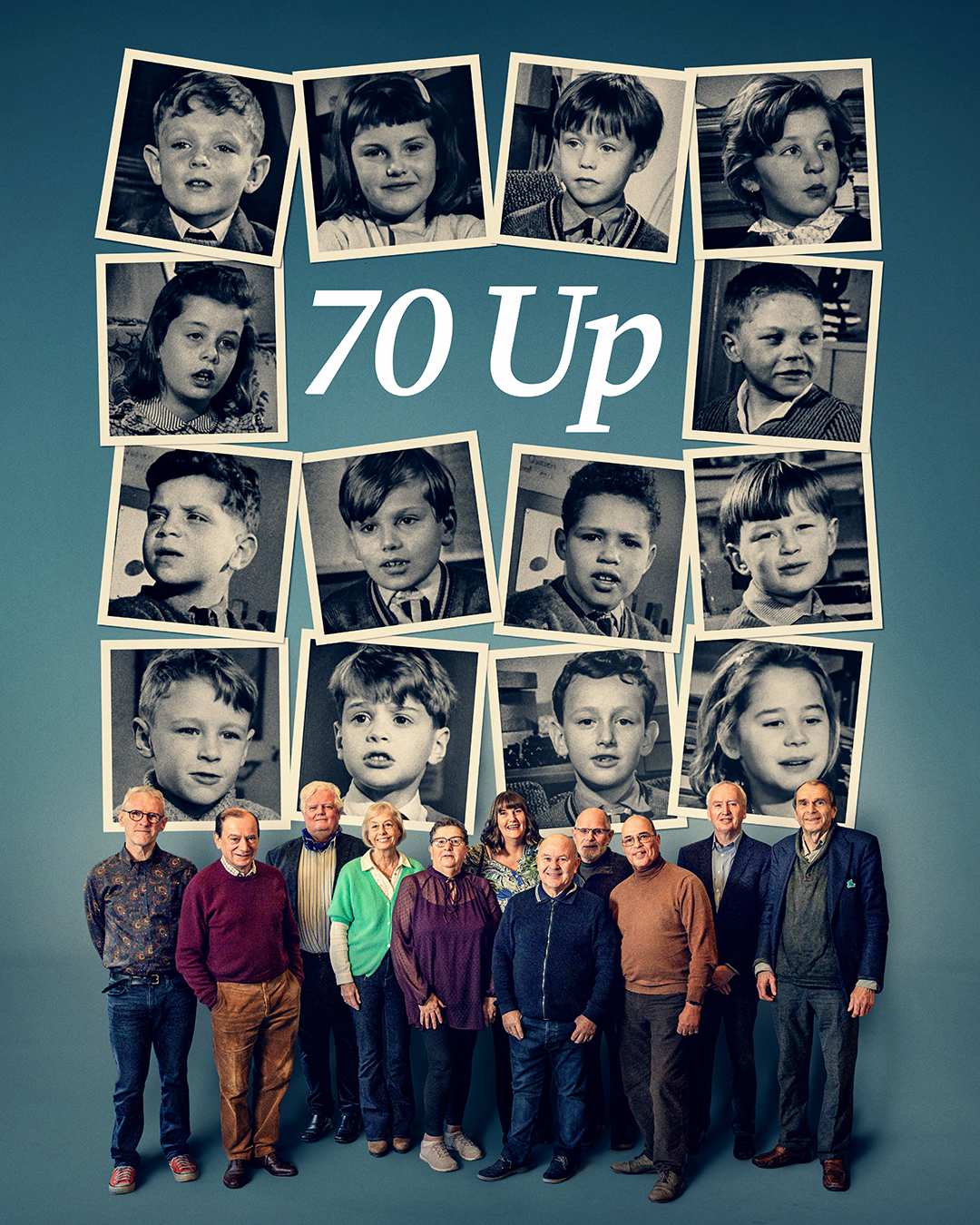
Transitioning Leadership: From Apted to Kapadia
The death of Michael Apted in January 2021 created a significant void in the production. Apted’s relationship with his subjects was often described as one of mutual respect, and his departure left questions regarding the completion of the project. The decision to bring in Asif Kapadia—known for his masterful biographical documentaries like Amy and Senna—was widely praised by critics as an appropriate choice for a project that demands a delicate, observational touch.
Kapadia’s approach in 70 Up focuses on the continuity of the series while acknowledging the weight of the years that have passed. In official responses regarding the final production, the creative team emphasized the importance of honoring the participants’ long-term commitment to the project. The subjects, many of whom have become household names in Britain, have expressed a mixture of relief and melancholy regarding the conclusion. For them, the series was not just a job or a project, but a recurring check-in with their own mortality and development.
The Human Element: Resilience and Aging
One of the most striking findings of the series is the correlation between age and subjective well-being. Despite the many hardships documented—including bouts of mental illness, financial instability, and family tragedies—the majority of participants reported higher levels of happiness and contentment in their 50s and 60s than in their 20s or 30s.

Psychologists often refer to this as the "U-curve of happiness," a phenomenon where life satisfaction dips during middle age and rises significantly as individuals move into their 60s and 70s. The Up series provides a visual, real-time testament to this trend. Watching the participants find peace with their choices, reconcile with their pasts, and value their connections to family and community has provided audiences with a sense of comfort and perspective.
Legacy and Broader Impact
The legacy of the Up series extends far beyond the realm of documentary filmmaking. It has fundamentally changed how we understand the process of human development. By choosing to revisit the same individuals at regular intervals, the series effectively dismantled the myth that our identities are static. Instead, it presented the human experience as a fluid, ongoing negotiation between internal desires and external constraints.
The series has also served as a catalyst for other longitudinal projects, yet none have achieved the same level of cultural penetration or sustained interest. It stands as a unique archive of 20th-century history, preserving the fashions, vernacular, and social attitudes of each passing decade. As the final credits roll on 70 Up, the project leaves behind a vast, invaluable record of human persistence.
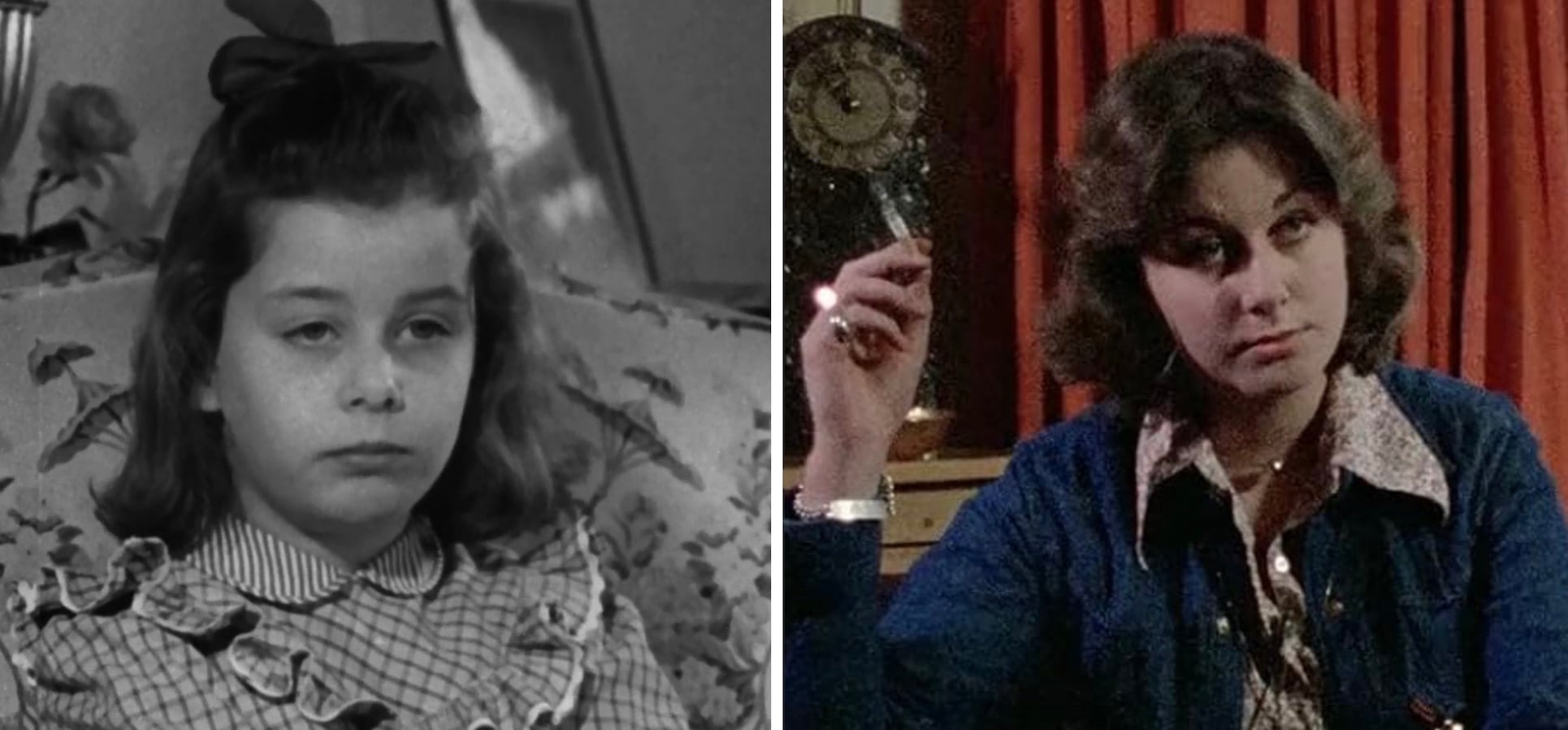
The final chapter does not seek to provide a neat, final answer to the original question of whether one’s childhood dictates one’s life. Instead, it offers a more nuanced conclusion: that while our early years provide the foundation, the structure we build upon that foundation is shaped by the countless, often unpredictable, decisions we make over a lifetime.
As the world prepares for the release of 70 Up, the project stands as a monumental success in television history—a reminder that every life, no matter how ordinary, contains a narrative arc of epic proportions. The series will be remembered not for its "answers," but for the profound empathy it cultivated in its audience, inviting them to grow alongside the participants and, in doing so, to reflect on the nature of their own journeys.