Larry Ellison Cancels $7.5 Billion Oracle Stock Sale Amid Strategic Corporate Shifts

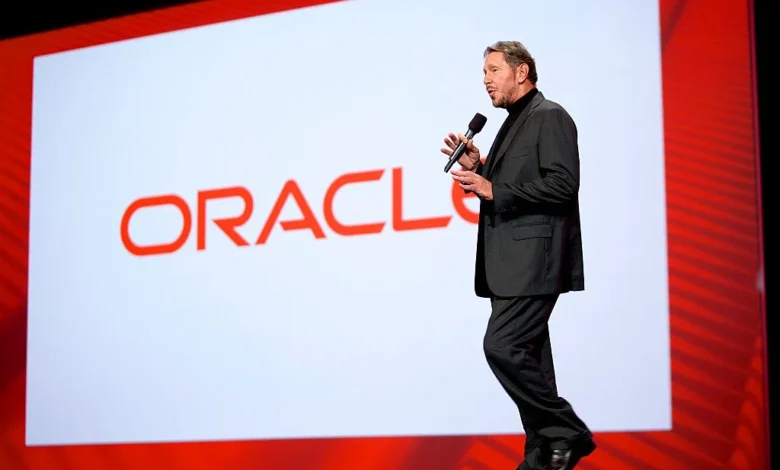
Oracle co-founder, executive chairman, and chief technology officer Larry Ellison has officially scrapped a heavily anticipated plan to liquidate a massive portion of his equity in the database software giant. In an official announcement released on a Saturday, Oracle Corporation confirmed that Ellison had canceled the planned disposition of 50 million shares, an intended transaction that would have carried an estimated market value of approximately $7.5 billion based on prevailing valuations at the time of the initial filing.
The abrupt reversal halts what would have been one of the largest insider stock sales by a technology executive in recent memory. According to regulatory disclosures filed with the U.S. Securities and Exchange Commission (SEC), Ellison originally established a structured trading plan under Rule 10b5-1 to divest the shares. However, the corporate statement issued by Oracle clarified that no shares were ultimately traded under the program. Furthermore, the company explicitly noted that the billionaire technologist currently maintains no alternative proposals or active trading schedules to offload any portion of his substantial equity stake in the enterprise he co-founded more than four decades ago.
While Oracle’s executive suite and public relations representatives remained tight-lipped regarding the precise motivations driving the sudden cancellation, industry analysts, financial observers, and market participants have begun evaluating the broader corporate, financial, and strategic implications of the decision. The move arrives at a critical juncture for Oracle, a legacy software provider aggressively transitioning into a dominant force within the modern cloud computing, artificial intelligence infrastructure, and digital entertainment ecosystems.
The Anatomy of a Canceled Block Sale
The genesis of the proposed transaction dates back to regulatory filings that revealed Ellison’s intention to part with 50 million shares of Oracle stock. For an executive holding a multi-billion-dollar stake in a publicly traded entity, establishing a Rule 10b5-1 trading plan is a standard mechanism designed to prevent insider trading allegations by scheduling asset sales in advance. However, the sheer scale of the contemplated transaction—valued at roughly $7.5 billion—garnered immediate attention from Wall Street analysts and institutional investors tracking insider sentiment.
When corporate insiders of Ellison’s magnitude signal an intent to liquidate multi-billion-dollar positions, markets frequently react with caution, interpreting the move as either a routine portfolio diversification strategy, a liquidity event for external philanthropic or familial investments, or potentially a lack of near-term confidence in the equity’s upward trajectory. In this context, Ellison’s decision to pull the plug entirely sends a powerful, albeit unexplained, signal of long-term commitment to Oracle’s current operational roadmap.
"No Oracle stock was sold under that plan, and he has no other plans to sell any of his Oracle stock," the company reiterated in its definitive statement, aiming to soothe jittery retail and institutional shareholders who monitor insider transactions as a barometer of internal corporate health.
Market Context and Financial Headwinds at Oracle
The cancellation of Ellison’s stock sale unfolds against a volatile financial backdrop for Oracle Corporation. As of the third quarter, Oracle stock has faced notable downward pressure, trading approximately 22% lower since the commencement of the calendar year. This retracement in equity valuation reflects a broader recalibration within the technology sector, where investors are increasingly scrutinizing the massive capital expenditures required to build out next-generation computing infrastructure.
Over the past several quarters, Oracle has executed a high-stakes pivot, pouring billions of dollars into the rapid expansion of advanced data centers designed to host enterprise artificial intelligence workloads. The race to capture market share in the booming generative AI and cloud infrastructure space has forced legacy technology firms to engage in unprecedented capital deployment. Oracle’s aggressive infrastructure spending has temporarily squeezed profit margins and stoked debate among Wall Street analysts regarding the near-term return on investment for these capital-intensive data center projects.
Beyond its foundational enterprise software and cloud infrastructure businesses, Oracle has systematically expanded its corporate footprint into diverse, high-profile commercial ecosystems. Most notably, Oracle secured a central role as a major technology owner and designated national security partner for the United States operations of TikTok. This strategic positioning integrated Oracle deeply into complex geopolitical and regulatory negotiations involving the short-form video platform, cementing the company’s influence well beyond traditional enterprise database management.
Ellison Family Ventures: Media, Acquisitions, and Legal Battles
While Larry Ellison’s primary professional identity remains inextricably linked to Oracle, his immense personal wealth—frequently positioning him among the wealthiest individuals on the globe—has increasingly financed high-stakes external ventures, particularly those spearheaded by his family.
In recent months, Ellison’s financial capital has been deployed to support his son, David Ellison, and his media company’s concerted efforts to orchestrate major media consolidation. Most notably, Larry Ellison stepped forward to provide critical financial backing for Paramount’s ambitious and protracted pursuit of Warner Bros. The multi-billion-dollar financial commitment—reportedly scaling toward $40 billion in backing—exemplifies the elder Ellison’s willingness to leverage his personal balance sheet to reshape the traditional Hollywood and digital entertainment landscape.
However, this aggressive corporate consolidation strategy has not proceeded without friction. The proposed media transactions have encountered severe regulatory hurdles and legal pushback. California Attorney General Rob Bonta, alongside various regulatory bodies and corporate competitors, has scrutinized the merger talks, resulting in ongoing legal challenges, antitrust evaluations, and complex settlement discussions in court.
Financial analysts have long speculated that liquidity events, such as the planned $7.5 billion Oracle stock sale, could have been earmarked to service these massive capital-intensive family endeavors, philanthropic commitments, or tax liabilities associated with estate planning. The cancellation of the stock sale therefore raises questions regarding how these external media and entertainment ventures will be funded moving forward, or whether alternative sources of liquidity have been secured to sustain David Ellison’s corporate ambitions.
Chronology of Events Leading to the Decision
To fully understand the weight of Oracle’s recent announcement, it is essential to trace the chronological sequence of strategic developments that have defined the company and its co-founder’s trajectory over the past year:
- Late 2025: Larry Ellison extends his financial backing to his son David Ellison’s multi-billion-dollar acquisition efforts surrounding Warner Bros., committing substantial personal wealth to the media consolidation push.
- January 2026: Oracle solidifies its position within the digital media ecosystem by officially stepping into its role as a major technology and security partner for TikTok’s U.S. operations.
- Spring 2026: Oracle discloses in regulatory filings that Larry Ellison has established a structured trading plan to divest 50 million shares of Oracle stock, valued at approximately $7.5 billion.
- Mid-2026: Oracle shares experience a 22% decline year-to-date, driven in part by heavy corporate capital expenditures directed toward building out advanced artificial intelligence data centers.
- August 2026: Legal and regulatory challenges intensify in California regarding the Paramount and Warner Bros. acquisition backed by the Ellison family, bringing heightened scrutiny to the family’s financial maneuvers.
- September 2026: Oracle abruptly announces that Larry Ellison has canceled his planned stock sale, confirming that zero shares were sold and that no future plans to liquidate his equity exist at this time.
Fact-Based Analysis: Market and Governance Implications
The sudden retraction of a multi-billion-dollar insider sale carries several factual and structural implications for Oracle Corporation, its leadership, and its investor base:
- Signaling Confidence to the Market: In corporate governance, the cancellation of a massive insider liquidation plan is routinely interpreted as a stabilizing gesture. By removing the impending downward pressure of 50 million newly available shares hitting the secondary market, Ellison eliminates a potential catalyst for bearish sentiment.
- Alignment of Interests: With Ellison retaining his entire equity stake, institutional and retail investors are reassured that the company’s chief technologist remains fully financially aligned with the long-term performance of Oracle’s cloud and AI infrastructure strategy.
- Liquidity and Capital Allocation: The decision to forgo the sale suggests that Ellison’s external funding requirements—whether related to personal asset management, philanthropic endeavors, or supporting the Warner Bros. acquisition bid—have either been successfully met through alternative financial instruments, loans, or dividends, or that the timing for such liquidity was deemed suboptimal given Oracle’s current share price retracement.
- Focus on Core Operations: As Oracle navigates the delicate transition from a traditional enterprise software vendor to a foundational pillar of global cloud computing and AI infrastructure, having its visionary co-founder maintain an unreduced equity position reinforces leadership continuity.
Future Outlook for Oracle and the Ellison Portfolio
As Oracle prepares for its upcoming fiscal quarters, all eyes will remain fixed on the company’s ability to monetize its massive capital investments in data centers and artificial intelligence capabilities. The successful integration and operational expansion of its cloud services will be paramount in reversing the stock’s year-to-date losses and restoring upward momentum to its valuation.
Simultaneously, the broader financial activities of the Ellison family—particularly the ongoing legal and regulatory battles surrounding the media acquisitions—will continue to attract intense media and market scrutiny. Whether Larry Ellison utilizes alternative financial channels to support these ventures or adopts a strictly buy-and-hold posture regarding his foundational enterprise asset, the cancellation of the $7.5 billion stock sale marks a definitive turning point in the near-term narrative surrounding one of Silicon Valley’s most enduring and influential corporate dynasties.
Related posts: