The New Era of Boutique Launch: Isar Aerospace Success Highlights Industry Shift Toward Specialized Orbital Access

The global satellite industry is undergoing a structural transformation as the reliance on mega-constellation rideshare missions begins to reveal its limitations. For years, the dominance of SpaceX’s Falcon 9 program provided an affordable, albeit inflexible, pathway to orbit. However, as launch capacity constraints tighten and the commercial demand for precise, mission-specific orbital insertions grows, a new segment of the market—often referred to as boutique or dedicated launch—is rising to meet the challenge. The recent successful orbital debut of Germany’s Isar Aerospace and its Spectrum rocket marks a pivotal moment in this shift, offering a long-awaited alternative for companies requiring bespoke access to space.
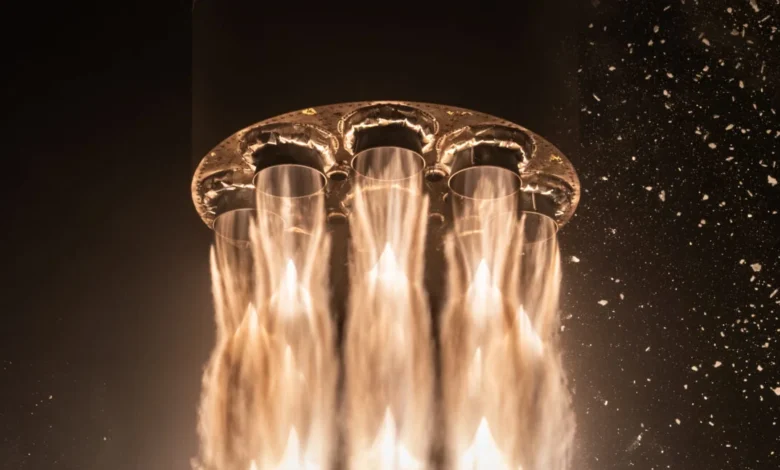
The Spectrum rocket, propelled by nine propane-fueled engines, achieved a flawless ascent from a launch facility in northern Norway, successfully deploying a suite of CubeSats into low-Earth orbit. This accomplishment, occurring in September 2026, serves as a critical milestone not only for Isar Aerospace, which had previously suffered a failed test flight in 2025, but for the entire European space ecosystem. The success signals that Europe is finally closing the gap with its American counterparts, providing a reliable, homegrown path for the continent’s burgeoning space technology sector.

A Changing Landscape in Orbital Logistics
The primary driver behind the current interest in boutique launch providers is the "orbital specificity" required by modern satellite missions. While rideshare missions—where a primary payload shares a rocket with dozens of smaller satellites—are cost-effective, they lack the granularity required by specialized operators. Satellite servicing, debris mitigation, and unique research missions often demand specific orbital inclinations and precise timing, which are rarely offered by the rigid schedules of major launch providers.
The industry is currently facing a period of uncertainty regarding major launch vehicles. With SpaceX reportedly dialing back its Falcon 9 cadence to reallocate resources toward its next-generation Starship vehicle, and the timeline for Starship’s full commercial readiness for non-company payloads remaining fluid, many satellite operators have found themselves in a precarious position. This "launch crunch" has compelled companies to seek out smaller, dedicated launch providers, effectively validating the business models of startups like Isar Aerospace.
The Rise of Satellite Servicing
Among the most vocal proponents of this shift is the Japanese-headquartered company Astroscale. Specializing in on-orbit satellite servicing and space debris mitigation, Astroscale requires a level of mission control that standard rideshare options simply cannot provide. The company recently solidified its commitment to the boutique market by signing two separate launch contracts with Isar Aerospace, even before the German company had achieved its first successful flight.

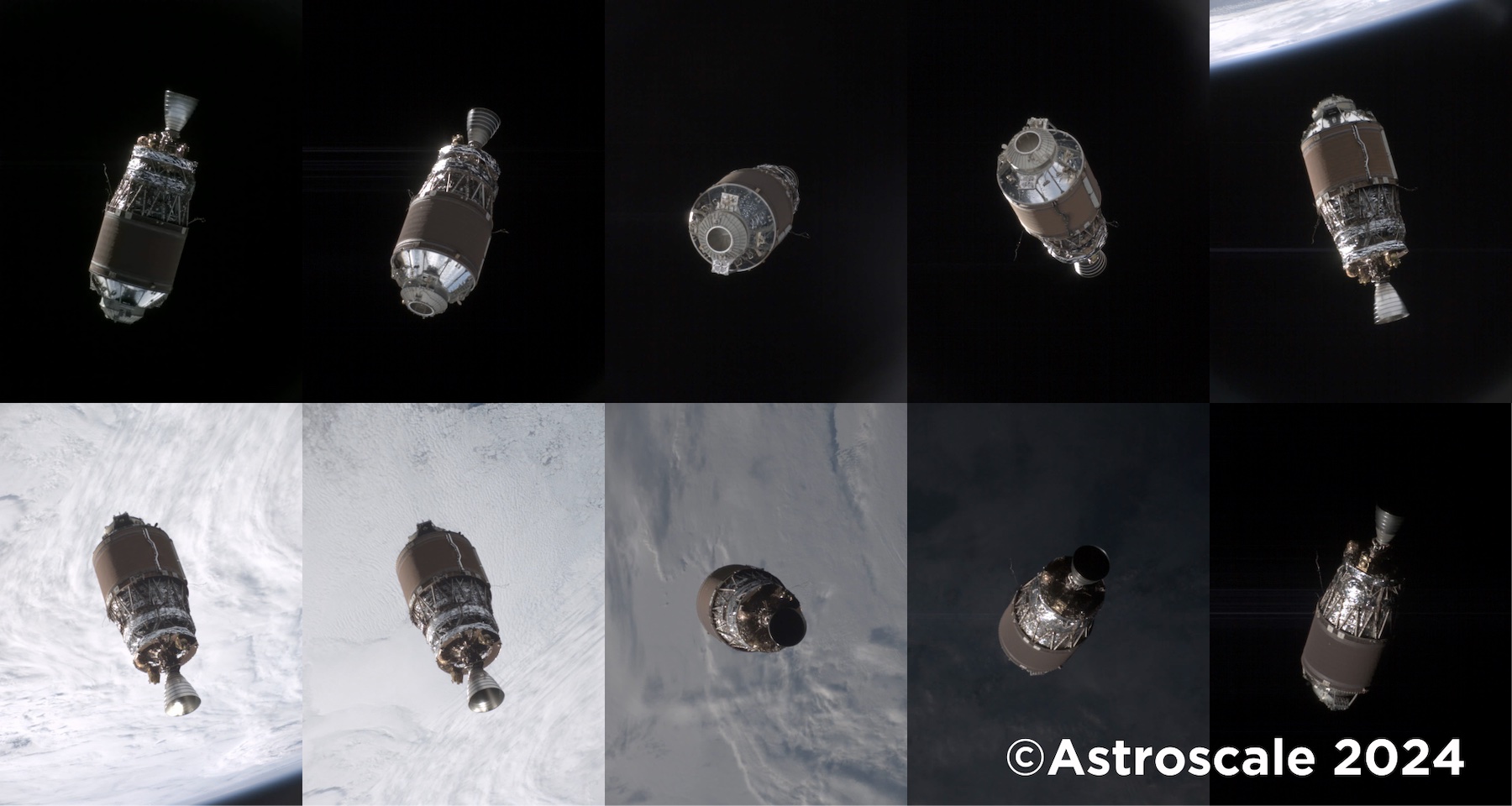
Astroscale’s business model relies on "rendezvous and proximity operations" (RPO), a highly technical capability that involves approaching, inspecting, and potentially capturing defunct satellites or debris in orbit. Their upcoming missions, ELSA-M and ADRAS-J2, represent the next frontier of this industry. ELSA-M, a project led by the company’s UK division, aims to capture and deorbit a satellite within Eutelsat’s OneWeb constellation to demonstrate end-of-life servicing protocols. Simultaneously, ADRAS-J2 is tasked with removing a defunct Japanese rocket stage from orbit, a mission that builds upon the foundational successes of its predecessor, ADRAS-J, which successfully performed a close-proximity inspection in 2024.
Strategic Due Diligence and Technical Confidence
When asked about the risk of trusting an unproven vehicle like Spectrum, Astroscale Chief Operating Officer Chris Blackerby emphasized the necessity of a rigorous due diligence process. In an interview following the successful launch, Blackerby noted that the decision was not made lightly. "We had teams go out there to do due diligence research at their manufacturing site and talk to a lot of their technical leaders," he explained. The combination of technical confidence in Isar’s engineering and the lack of other viable, sub-one-ton dedicated launch options made the partnership a logical strategic move.
The scarcity of options in the 500-to-1,000-kilogram payload category is a recurring theme in the aerospace sector. While Rocket Lab’s Electron remains a standard-bearer for small-satellite launches, it has limitations regarding mass capacity. Larger vehicles like Rocket Lab’s upcoming Neutron or SpaceX’s Falcon 9 are either in development or often over-specified for these particular mission profiles. This leaves a "goldilocks" zone—the dedicated one-ton class—where companies like Isar Aerospace, and to a lesser extent, Firefly Aerospace, are competing to become the primary service providers.

Chronology of European Launch Ambitions
The path to the current success has been paved with intense competition and state-backed support. Europe’s space sector, long dependent on the Arianespace and Avio incumbents, has been aggressively fostering a new wave of private innovation.
- 2024: Astroscale achieves a landmark success with its ADRAS-J mission, proving that a private company can safely approach and inspect a non-communicative, defunct object in orbit.
- 2025: Isar Aerospace conducts its first test flight of the Spectrum rocket, which ends in failure, forcing a period of intensive redesign and testing.
- June 2026: Astroscale undergoes a successful listing on the Tokyo Stock Exchange, further validating the commercial viability of the satellite servicing market.
- September 2026: Isar Aerospace successfully reaches orbit, marking the first time a fully commercial European rocket has achieved this feat, signaling a new era of regional independence in space access.
Broader Implications for Space Sustainability
The technical capabilities being developed by firms like Astroscale and supported by launch providers like Isar are not merely commercial endeavors; they are foundational to the future of space sustainability. As the density of objects in low-Earth orbit increases, the ability to identify, track, and remove debris is transitioning from a scientific interest to an economic necessity.
The U.S. military, through initiatives like those from the Defense Innovation Unit, has also expressed significant interest in "refueling-as-a-service" and close-in inspection capabilities. These missions require the exact type of dedicated, precise launch profiles that the current boutique launch market is designed to fulfill. By moving beyond simple "fly-by" photography and toward autonomous, safe docking and refueling, these companies are building the infrastructure for a permanent, economically viable space economy.
Looking Ahead: The 2030 Horizon
As the industry looks toward the early 2030s, the goal for these startups is clear: economic and financial sustainability. While many current missions are supported by government grants or joint ventures with agencies like JAXA, the ESA, or the UK Space Agency, the ultimate objective is to achieve a commercially repeatable servicing ecosystem.
"We need to get more toward a commercially repeatable mission," Blackerby stated, noting that the company is currently on a path toward being revenue-positive. The success of Isar Aerospace provides the final piece of the puzzle: a reliable, dedicated vehicle to carry these sophisticated servicing spacecraft to their targets.
In conclusion, the successful orbit of the Spectrum rocket is more than a triumph of engineering; it is a vital development for the global space economy. By diversifying the available launch options and proving the reliability of boutique providers, the industry is creating the necessary redundancy and flexibility to ensure that the next generation of satellite technology—whether for telecommunications, earth observation, or debris removal—has a dependable, cost-effective, and precise gateway to the stars. The "launch crunch" that has defined the mid-2020s may soon give way to a more mature, competitive market where specialized access is the norm rather than the exception.