Donald Trump childhood home in Queens sells for nearly 2 million dollars after extensive renovation

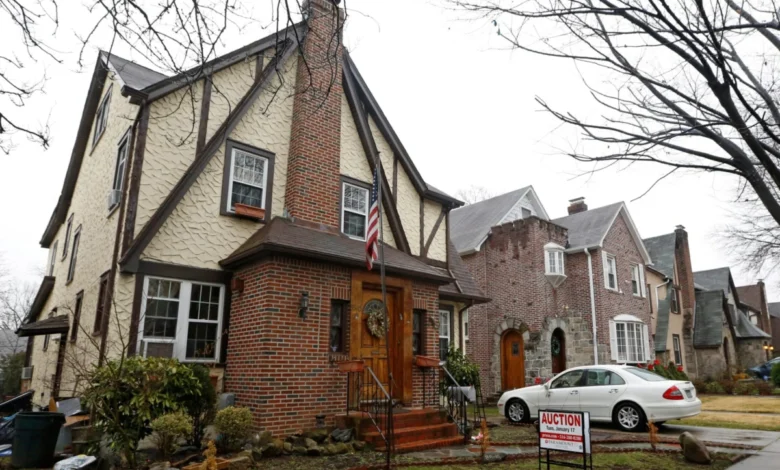
The Tudor-style residence located in the affluent Jamaica Estates neighborhood of Queens, New York, has officially changed hands for $1.93 million, marking the latest chapter in a turbulent and highly publicized real estate history. The property, which served as the childhood home of the 45th and current president of the United States, Donald Trump, until he reached the age of four, has undergone a dramatic transformation. Once characterized by structural neglect, water damage, and even a feral cat infestation, the home has been meticulously restored into a modern luxury residence, signaling a definitive departure from its recent state of decay.
The sale, which was finalized following a contract agreement in July, brings a sense of closure to a property that had languished on the market for years. The buyer, operating through a private entity, has chosen to remain anonymous, a common practice in high-value New York real estate transactions involving high-profile locations.
A Chronology of the Jamaica Estates Property
The history of the home at 85-15 Wareham Place is inextricably linked to the trajectory of the Trump family real estate empire. Built in 1940 by Fred Trump, a prolific developer who shaped much of the residential landscape in Brooklyn and Queens, the house represents the modest beginnings of a family that would eventually become synonymous with global luxury real estate and political power.
For decades, the property existed in relative obscurity. However, as Donald Trump’s career transitioned from Manhattan real estate magnate to international celebrity and, ultimately, to the highest office in the land, the home became a focal point of public curiosity.
- 1940: Fred Trump completes construction of the Tudor-style home in the quiet, prestigious Jamaica Estates neighborhood.
- 1946: The Trump family relocates, leaving behind the property where Donald Trump spent his earliest formative years.
- 2017: Months after Donald Trump’s inauguration, the home sells for $2.14 million to an entity known as Trump Birth Home LLC.
- 2017–2018: The house is briefly listed on Airbnb, marketed as a "presidential experience" complete with cardboard cutouts of the president and copies of his seminal book, The Art of the Deal.
- 2019: The property hits the market with an ambitious $2.9 million asking price. It fails to attract a buyer, leading to a period of vacancy and neglect.
- 2025: Tommy Lin, a developer, purchases the neglected home for $835,000, initiating an eight-month, $500,000 restoration project.
- 2026: The home sells for $1.93 million, reflecting the market’s response to the extensive interior and exterior upgrades.
The Restoration Process
The condition of the home prior to the intervention of Tommy Lin was described by neighbors and real estate observers as distressing. Following the failure of the 2019 sale, the property suffered from significant neglect. A burst pipe led to pervasive water damage and mold growth, and the vacant structure eventually became a sanctuary for a colony of feral cats. The once-pristine Tudor facade had fallen into a state of disrepair that threatened the structural integrity of the home.
Lin’s renovation was comprehensive, aimed at aligning the residence with the luxury standards expected in the Jamaica Estates area. The $500,000 overhaul focused on modernizing the five-bedroom, three-bathroom floor plan while preserving the historic character of the 1940s architecture. Upgrades included the installation of a high-end chef’s kitchen, the restoration of original-style herringbone wood floors, and the creation of spa-like bathrooms. These renovations were designed to strip away the "cat den" stigma and restore the home to a turnkey status suitable for a contemporary family.
Market Context and Real Estate Trends
The $1.93 million sale price offers a compelling case study in the volatility of celebrity-associated real estate. When the home sold for $2.14 million in 2017, the market was reacting to the immediate novelty of the Trump presidency. By 2019, when the property was listed for $2.9 million, the market correction had already begun, and the "Trump premium" failed to materialize as buyers proved hesitant to pay a significant markup for a property that lacked modern amenities.
The eventual sale price of $1.93 million is arguably a more accurate reflection of the property’s intrinsic value, adjusted for the extensive renovations performed by Lin. Jamaica Estates remains a highly desirable enclave, characterized by large, architecturally significant homes and proximity to elite private schools and transportation links. According to local real estate data, homes in the area typically command high price points, but properties with historical, political, or celebrity ties often encounter a "buyer fatigue" factor, where the legacy of the former resident can complicate valuation.
Broader Implications of the Sale
The sale of the childhood home serves as a reminder of the intersection between personal history and public perception. For Donald Trump, now 80, the trajectory from a Queens Tudor to the penthouse of Trump Tower and eventually the White House is a central theme of his political narrative. As president, his aesthetic preferences—marked by gold-plated fixtures, opulent marble, and grand, ballroom-style proportions—have become a signature, even within the historic confines of the White House.
Analysts suggest that the sale of the home represents a return to normalcy for the property. By stripping away the "Trump Birth Home" branding and marketing it as a high-end residential asset, the new owners are effectively decoupling the home from the political baggage that made it a lightning rod for media attention and tourist interest.
The transition of this property from a neglected, mold-ridden eyesore to a renovated, high-value asset highlights the resilience of the New York City real estate market. It also underscores the reality that for most residential properties, the value is ultimately dictated by condition, location, and functional utility rather than the historical fame of its previous inhabitants.
Official and Community Reaction
While there have been no formal statements from the Trump family regarding the recent sale, the event has been met with quiet satisfaction by the Jamaica Estates community. The property had long been a source of local irritation due to its vacant, unkempt appearance, which stood in stark contrast to the manicured lawns and meticulously maintained homes of the surrounding neighborhood.
"The neighborhood is pleased to see the property restored to its former glory," noted one local resident who preferred to remain anonymous. "Regardless of the political history, the house is a significant part of the architectural fabric of this community. Having it properly maintained and occupied is a net positive for everyone on the block."
Real estate experts emphasize that the successful sale provides a blueprint for how to handle properties with "difficult" or high-profile histories. By focusing on neutral, high-quality renovations, developers can overcome the limitations imposed by a property’s past. The sale of the Trump childhood home is, therefore, a case study in the efficacy of capital investment in the restoration of aging residential infrastructure.
As the keys change hands and the new owners settle in, the house at 85-15 Wareham Place will likely fade from the headlines, returning to its original purpose as a private home. The saga of its recent years—from a site of political pilgrimage to a derelict structure and finally a modern luxury residence—remains a unique footnote in the history of both New York City real estate and the life of the 45th president. For the real estate market, the final price tag stands as a testament to the importance of restoration and the enduring appeal of the Jamaica Estates neighborhood, proving that even a home with a complicated legacy can find its place in a changing market.
Related posts: