The long-standing rumors surrounding Apple’s entry into the foldable smartphone market have finally been silenced. In a dramatic conclusion to its September 2026 hardware showcase, the technology giant unveiled the iPhone Duo, marking a pivotal shift in its mobile strategy. While competitors like Samsung and Google have spent nearly a decade iterating on foldable hardware, Apple has opted for a measured, deliberate entry that seeks to redefine the category. Priced at $1,999 for the entry-level 256GB model, the iPhone Duo is positioned as a premium, "pro-grade" device that aims to synthesize the utility of a tablet with the portability of a smartphone.
A Chronology of Anticipation and Development
For years, industry analysts have speculated about when Apple would pivot away from its traditional slab-style iPhone design. The discourse intensified significantly in mid-2024, when reports surfaced that Apple had begun serious internal development on a foldable prototype. Unlike early foldable attempts from competitors that struggled with hinge durability and software optimization, Apple’s development cycle appears to have prioritized structural integrity and software synergy.
The journey to the iPhone Duo was marked by a series of strategic patent filings in 2025 related to flexible display lamination and variable-torque hinge mechanisms. By waiting until late 2026 to launch, Apple has effectively avoided the "beta-testing" phase that early foldable adopters faced with competing products. The company’s move into this space signals that the technology has reached a level of maturity that Apple deems suitable for its brand standards.
Engineering the iPhone Duo: Structural Innovations
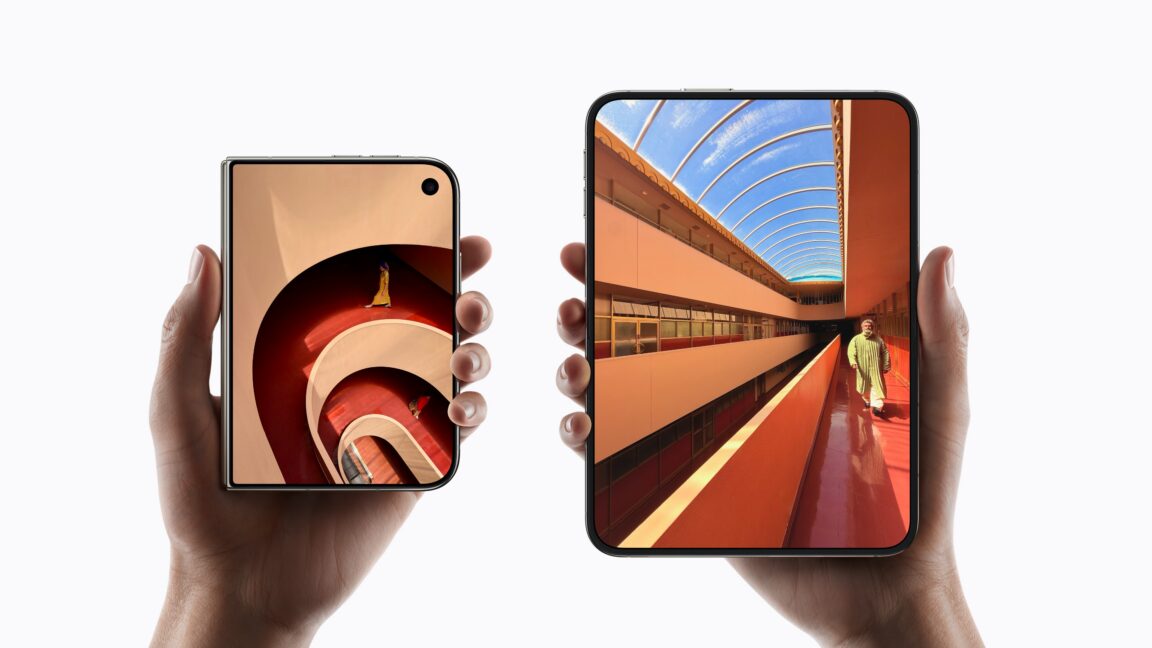
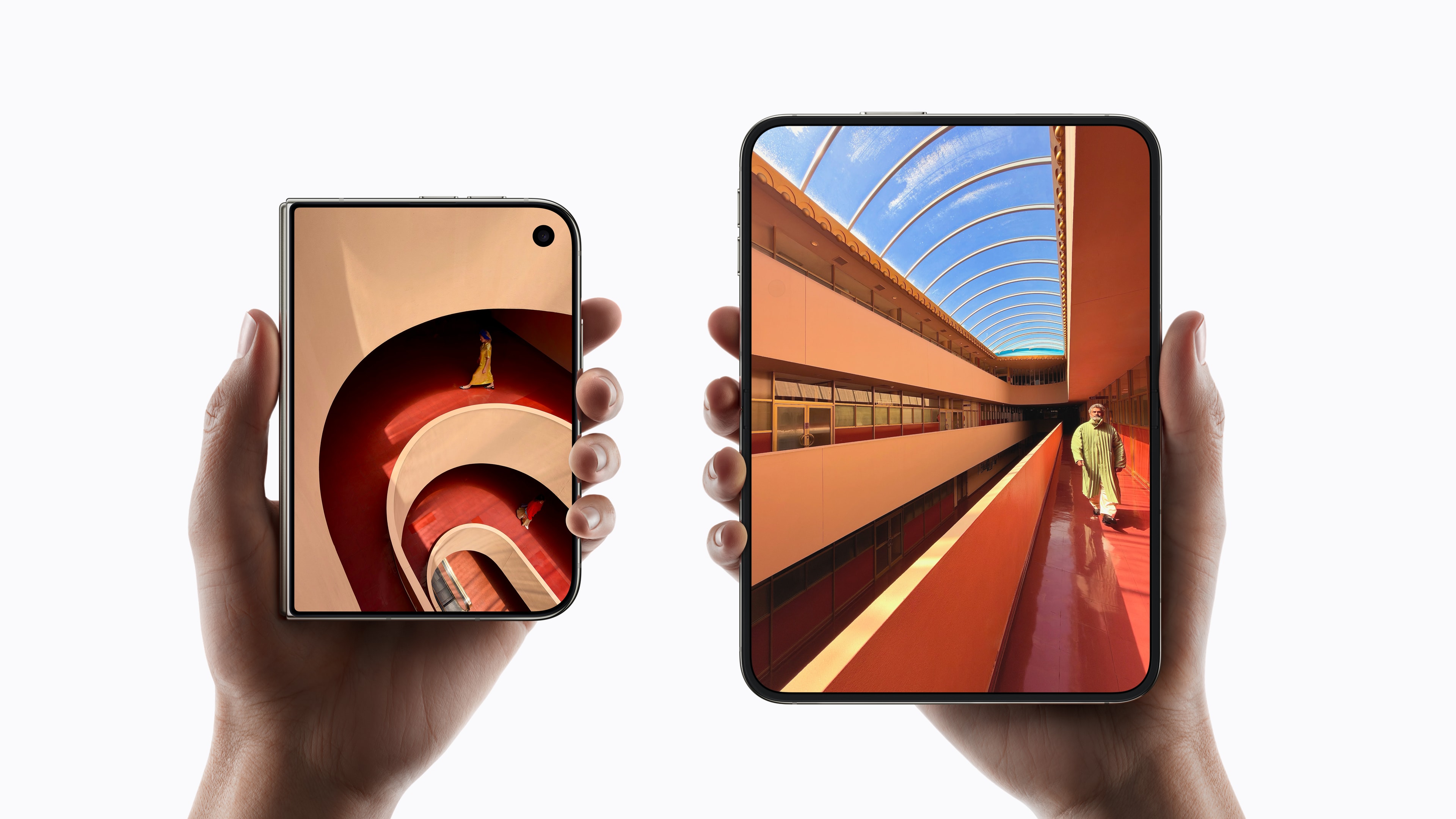
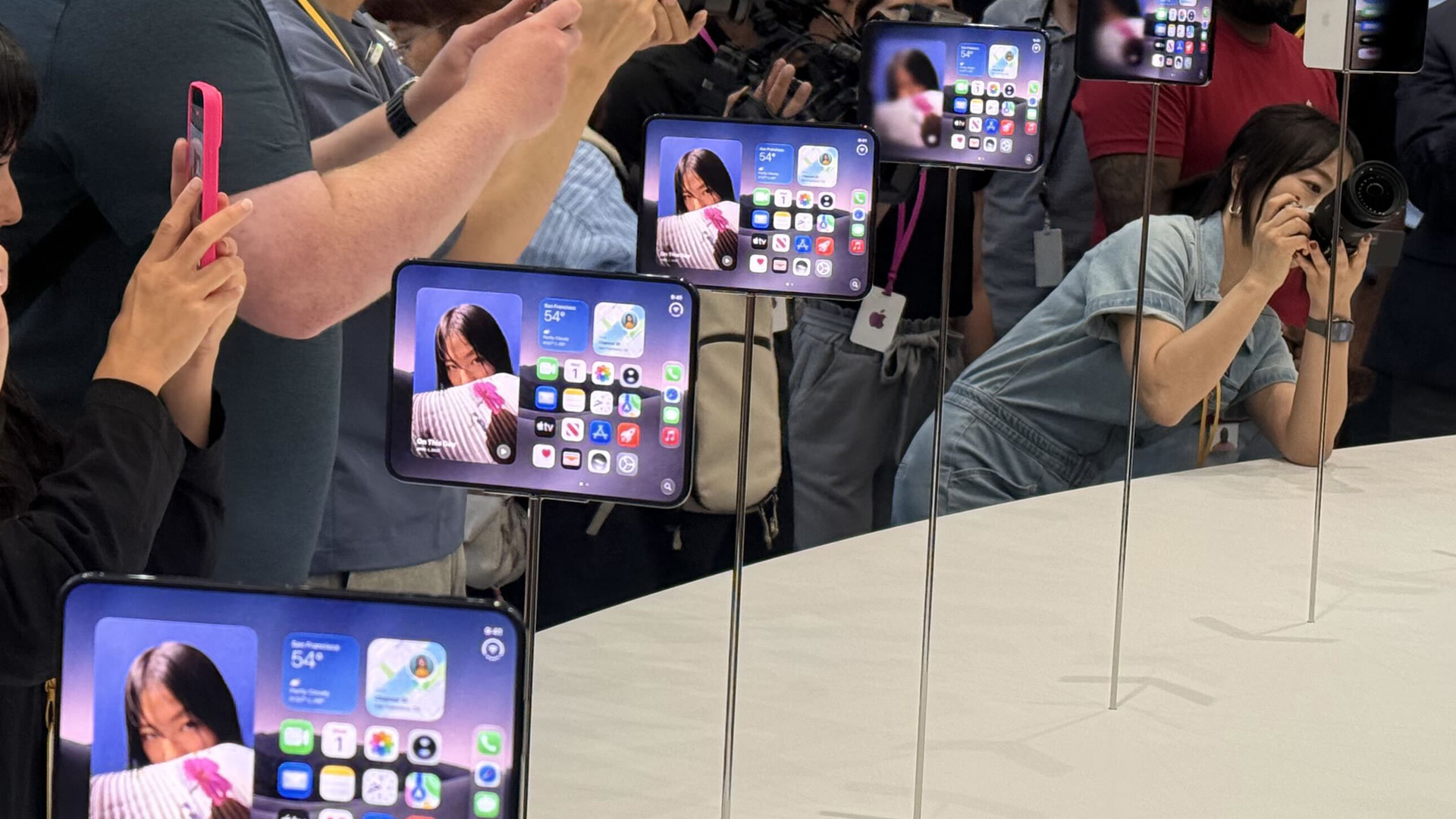
The most striking feature of the iPhone Duo is its passport-like form factor. Apple has explicitly moved away from the square-shaped aspect ratios that have defined much of the foldable market to date. Instead, the device utilizes a 1:1.4 aspect ratio, which the company claims provides a more natural experience for both single-handed use and multi-app multitasking.
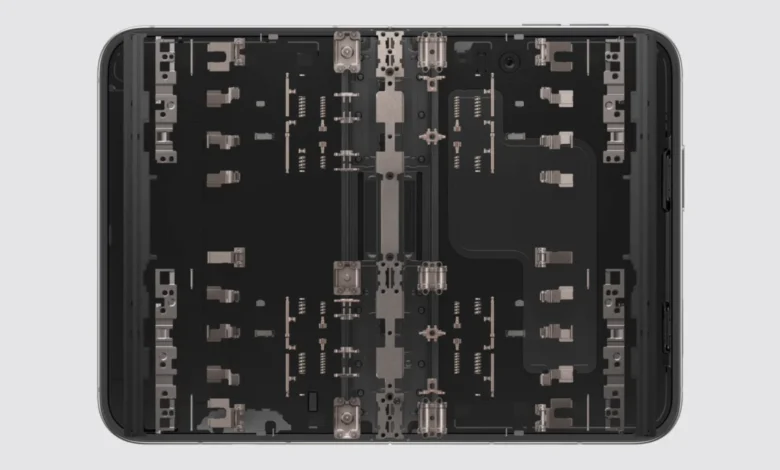
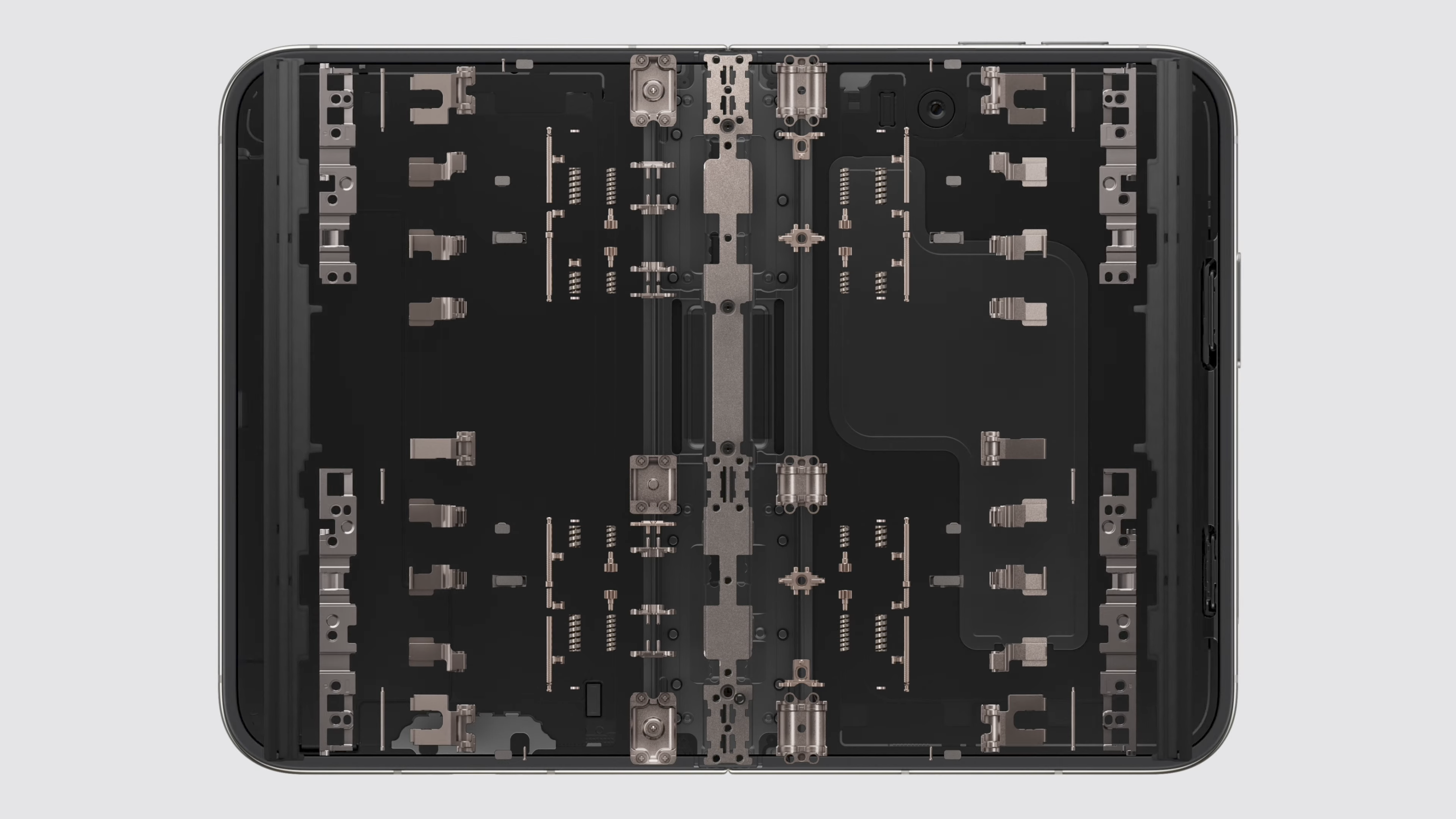
The device’s architecture is anchored by a sophisticated titanium frame reinforced with internal ceramic fibers—a significant step up in durability compared to previous flagship models. The hinge mechanism, which incorporates over 100 precision-engineered components, is designed for longevity. Perhaps most notably, Apple claims to have solved the "crease" problem. By utilizing a multi-layer lamination process that pairs flexible glass with a proprietary polymer top layer, the screen is designed to maintain a smooth surface even after thousands of folds. This nano-texture finish also serves to minimize glare, addressing a common complaint among users of high-end mobile displays.
Display and Hardware Performance
Inside the chassis lies a 7.6-inch Super Retina XDR foldable panel, while the exterior features a 5.4-inch screen. The outer display is notable for its asymmetric design, featuring tapered corners on the hinge side—a stylistic choice that Apple suggests serves to "invite" the user to open the device.
Under the hood, the iPhone Duo is powered by the A20 Pro chip, the same silicon driving Apple’s newest flat-panel flagships. Despite the increased power requirements of a dual-screen device, energy efficiency remains a priority. Apple has rated the inner display for 31 hours of video playback, while the outer screen offers an impressive 44 hours. For typical, mixed-use scenarios, the company promises 24 hours of total battery life, placing it firmly in line with modern high-end smartphone expectations.
Software Synergy: iOS for the Foldable Age
Hardware is only half of the equation; Apple has implemented significant updates to iOS specifically for the Duo. The operating system now features enhanced split-screen management, allowing users to treat the two halves of the screen as independent or unified workspaces. The UI intelligently adapts to the physical state of the phone; for example, the keyboard automatically splits or reconfigures based on the hinge angle, facilitating comfortable typing when the device is propped open.
Strategic design choices have also been made to maximize screen real estate. The dock and status bar have been shifted to the right edge of the screen, ensuring that users can access essential controls without obstructing the center of the display. Furthermore, the inclusion of Apple Pencil support for both the inner and outer screens represents a significant expansion of the iPhone’s creative capabilities, effectively bringing the iPad’s utility to a pocketable form factor.
Market Positioning and Competitive Landscape
The $1,999 price tag places the iPhone Duo in the upper echelon of the market. While this is an objective increase over standard flagship pricing, it is competitive with other high-end foldables. The Samsung Galaxy Z Fold 8 starts in a similar bracket, and the Google Pixel 11 Pro Fold is also priced within the same competitive window.
However, Apple’s ecosystem lock-in and brand loyalty are expected to be the deciding factors for many consumers. While the company is unlikely to convince the average iPhone 17 user to double their spending, the Duo is clearly aimed at power users, enterprise professionals, and early adopters who have been waiting for a foldable experience that meets Apple’s stringent quality requirements. The storage tiers—reaching up to 2TB for $3,199—further emphasize that this device is intended for a niche, high-value demographic.
Implications for the Smartphone Industry
The launch of the iPhone Duo effectively validates the foldable form factor as a legitimate, long-term product category rather than a temporary trend. By entering the market with a device that claims to resolve issues like screen creasing, durability, and software fragmentation, Apple has set a new benchmark for competitors to match.
The inclusion of an under-display camera and universal Apple Pencil support is also a strong signal to the industry. By adopting features that some competitors have discarded, Apple is betting that these elements are essential to the "pro" foldable experience. Whether or not this device succeeds will depend on its real-world performance, specifically regarding the longevity of the hinge and the actual impact of the A20 Pro chip on thermal management during heavy multitasking.
Looking Ahead
The official response from the industry has been one of cautious observation. Samsung, Google, and other manufacturers have spent the better part of the last decade building the foldable market, and Apple’s late arrival is viewed by many as the final "green light" for the mainstreaming of this technology.

As preorders open on October 16, the tech world will be watching closely to see if the public is ready to embrace the foldable revolution at a $2,000 price point. With shipments scheduled for October 23, the iPhone Duo is poised to be one of the most scrutinized hardware releases in Apple’s history. It represents not just a new phone, but a potential turning point in how users interact with their primary computing devices, marking the beginning of an era where the boundary between a phone and a tablet is permanently blurred.
The success of the iPhone Duo will likely dictate the roadmap for the next five years of mobile development. If Apple’s claims regarding durability and software integration prove accurate, we may see a rapid shift toward foldable form factors across all price points. Conversely, if the device suffers from the early-adopter issues that plagued its competitors, it could force a re-evaluation of the foldable market’s true potential. For now, the "Duo" stands as a testament to Apple’s commitment to precision engineering, waiting to prove that the future of the smartphone is, indeed, something that can be folded.