LG Monitor App Installer Raises Alarms Over Forced Ads and Extensive Data Collection on High-End Displays

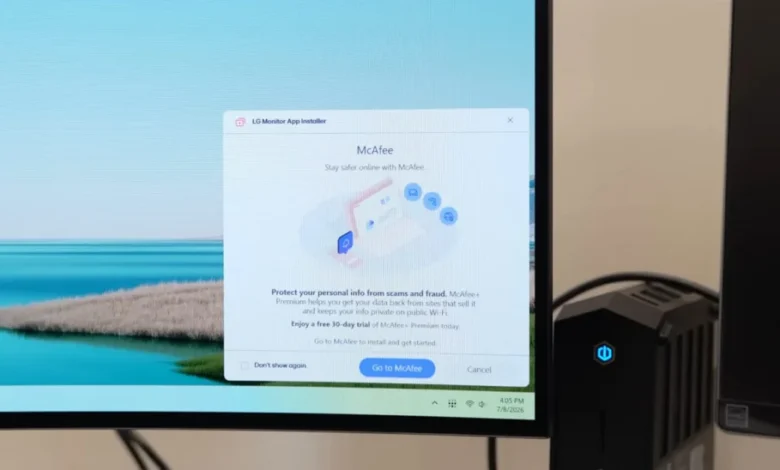
The "LG Monitor App Installer" is at the center of a burgeoning controversy, with a growing chorus of users reporting its unprompted appearance and the subsequent display of advertisements on their systems, often without explicit consent or prior notification. This unwelcome intrusion is particularly jarring for consumers who have invested significantly in LG’s premium computer monitors, some costing upwards of $1,000. The unexpected installation of this application transforms a high-value display into a conduit for disruptive advertising, raising serious questions about user privacy, device autonomy, and the ethical boundaries of hardware manufacturers in the digital age.
Unpacking the Broader Concerns: Forced Installation and Data Harvesting
The core of the issue lies in the application’s stealthy deployment. Users have discovered the "LG Monitor App Installer" and its associated advertisements on their Windows systems without ever receiving a prompt for permission or an explicit opt-in choice from LG. This silent installation is a significant departure from standard software practices, where user consent is typically a prerequisite. For consumers paying a premium for LG’s advanced monitors, which boast features like high refresh rates, superior color accuracy, and cutting-edge panel technology, the notion of their expensive hardware forcing ads onto their screens is not just disruptive but deeply concerning. It fundamentally alters the value proposition, transforming a professional or high-performance tool into a platform for unsolicited commercial messaging.
Beyond the immediate annoyance of advertisements, the privacy implications are profound. Industry analyst Burke highlighted the alarming scope of permissions granted to the installed application, stating, "LG technically possesses permission to use ‘all system resources,’ as well as to ‘collect geolocation, device data, online activity, contacts, user credentials, transactions, and more.’" This revelation points to a potentially massive data harvesting operation hidden behind a seemingly innocuous utility. The ability to access such sensitive personal information, ranging from geographical location to financial transactions and online behavior, goes far beyond the typical requirements of a monitor’s companion software. This extensive data collection, undertaken without transparent consent, represents a significant breach of consumer trust and challenges established norms of digital privacy. The data, once collected, could be utilized for highly targeted advertising, shared with third-party partners, or even become vulnerable to security breaches if not adequately protected, exposing users to risks they never knowingly accepted.
Adding to the gravity of the situation is the revelation that this practice is not new but appears to have been ongoing for several years, seemingly expanding in scope recently. Burke noted that he recently started seeing the pop-up ads on LG monitors he had purchased three years ago, indicating either a retrospective activation of advertising features or a broader deployment strategy affecting an existing installed base. This suggests a deliberate, long-standing strategy by LG, rather than an isolated incident or a new experiment, intensifying the call for greater transparency and accountability from the electronics giant.
The Role of Windows Update and Microsoft’s Permissive Policies
A critical aspect of understanding how the "LG Monitor App Installer" infiltrates user systems without explicit consent lies in its method of installation. Investigative reporting by the tech channel Gamers Nexus provided compelling visual evidence, including screenshots, demonstrating the application’s deployment via Windows Update. Windows Update is a crucial component of the operating system, primarily responsible for delivering security patches, performance enhancements, and essential hardware drivers. Its utilization for the silent installation of a peripheral’s companion app, especially one with extensive data collection permissions and advertising capabilities, bypasses traditional software installation prompts and user approval workflows.
This practice aligns, albeit controversially, with certain aspects of Microsoft’s Universal Windows Platform (UWP) device apps policy. According to a Microsoft support page specifically for Windows developers, UWP device apps are designed "to automatically install when the user connects their device to the PC" under specific conditions. These conditions include the user not having explicitly opted out of "Recommended Settings" during the initial Windows installation, being connected to the internet, and being signed into the Microsoft Store. The documentation itself acknowledges the problematic nature of this silent installation, stating, "The automatic installation feature does not provide a notification to the user when the app is installed. Some users may find this experience confusing and frustrating and give your app a bad rating."
This admission from Microsoft underscores a known flaw in the system that the company permits, effectively creating an avenue for hardware manufacturers like LG to deploy companion software without explicit user consent. While the stated intention of this feature is to streamline device setup and enhance user experience, its application for intrusive advertising or extensive data collection fundamentally undermines user autonomy and privacy expectations. The lack of transparency in this process means many users are unaware of the application’s presence or its extensive permissions until ads begin to appear or system resources are impacted. This raises significant questions about Microsoft’s responsibility in enabling such practices and whether its policies adequately protect users from unwanted software.
The official description of the "LG Monitor App Installer" on the Microsoft Store further highlights the app’s purpose: "easily install and use apps supported by your monitor through LG Monitor App Installer." Notably, it explicitly lists McAfee as one of the applications it can facilitate. This bundling of third-party software, especially security utilities, without direct user consent, adds another layer of complexity and potential concern regarding system integrity and performance.
Historical Context: A Recurring Industry Problem
The current situation with LG is not an isolated incident but rather a recurring theme within the hardware industry, where manufacturers have repeatedly leveraged platform capabilities to push unwanted software onto users’ systems. Over the years, numerous hardware vendors have faced public backlash for similar practices, demonstrating a concerning trend of blurring the lines between essential device functionality and extraneous bloatware.
Prominent examples include gaming peripheral giants like Razer and Logitech, both of whom have been criticized for forcing users to install bulky and often resource-intensive software suites. Razer’s Synapse software, while necessary for advanced peripheral customization such as macro programming and RGB lighting control, has often been perceived as overly intrusive, consuming significant system resources, and sometimes bundled with non-essential components that users did not request. Similarly, Logitech has faced scrutiny for its G Hub and Options software, which, despite offering customization for their gaming and productivity peripherals, have been accused of aggressive installation tactics, persistent background processes, and resource consumption, leading to widespread user frustration and calls for lighter, more modular alternatives.
Beyond peripherals, motherboard manufacturers such as Asus and Gigabyte have also been implicated in similar controversies. Asus has had instances where its Armory Crate software, designed for system control, driver updates, and RGB lighting synchronization, would auto-install upon detection of an internet connection, bypassing explicit user consent. This often resulted in unexpected software appearing on new PC builds. Gigabyte has also drawn ire for its App Center and associated utilities, which were reportedly installed without clear opt-out options, leading to unnecessary background processes, performance degradation, and potential security vulnerabilities, particularly when the bundled software was not kept up-to-date.
What makes the LG monitor situation particularly egregious, even within this established history of bloatware, is the fundamental nature of the device itself. Unlike a gaming mouse that might require complex software for macro programming or an RGB keyboard that needs an application for intricate lighting effects, a monitor traditionally functions as a display output device with minimal software interaction. Basic monitor functions like input switching, brightness, and contrast are typically controlled via simple on-screen display (OSD) menus or standard graphics drivers provided by the operating system. The necessity of a dedicated "Monitor App Installer" for core functionality is highly questionable, especially when its primary stated purpose is to facilitate the installation of other applications and potentially display advertisements. The high price point of LG’s premium monitors further exacerbates user indignation; consumers paying upwards of $1,000 for a display expect a premium, unencumbered experience, not one plagued by unsolicited software installations and advertisements, which effectively transform a high-end professional or gaming tool into an ad delivery platform. This fundamentally shifts the value proposition and undermines the premium perception of the brand, eroding consumer trust in the quality and integrity of their purchase.
Official Responses and the Silence from LG
In light of the mounting concerns and widespread user complaints, Ars Technica, a respected technology news outlet, proactively reached out to LG for an official statement regarding the "LG Monitor App Installer." Specific inquiries were made concerning the application’s precise purpose, the full range of monitors affected by this auto-installation practice, and, critically, the privacy implications stemming from the extensive data collection permissions identified by experts like Burke. A company representative from LG acknowledged receipt of these detailed questions, indicating awareness of the developing controversy. However, as of the time of publication, LG has not provided any substantive response or official comment.
This corporate silence, while not an admission of wrongdoing, leaves a significant void in the public discourse, failing to address the pressing concerns about user privacy, transparency, and device autonomy. For a major global corporation like LG to remain silent in the face of such public scrutiny can be interpreted in several ways. It might suggest that the company is undertaking a thorough internal investigation to understand the full scope and origin of the issue, particularly given the potential legal and reputational ramifications. Alternatively, LG’s legal or public relations teams might be carefully formulating a comprehensive statement that addresses the complex technical and ethical dimensions of the problem, a process that can often be lengthy. However, for consumers already feeling aggrieved and violated, this lack of immediate communication only adds to their frustration and fosters a perception of corporate indifference or evasion. A prompt and transparent explanation detailing the app’s functionality, the necessity (or lack thereof) of its installation, and clear opt-out mechanisms would be crucial steps in rebuilding trust. Until such a statement is issued, the onus remains on LG to clarify its practices and reassure its customer base that their privacy and device autonomy are respected.
Affected Models and Broader Scope
While the exact breadth of LG monitors affected by the "LG Monitor App Installer" remains somewhat ambiguous due to the absence of an official statement from the company, initial investigations by Gamers Nexus, based on a compilation of user complaints and their own testing, have begun to identify specific models. Although the full exhaustive list of these models was not provided in the immediate source, Gamers Nexus’s comprehensive report indicated that a range of LG displays, particularly those positioned in their premium gaming and high-end productivity lineups, were implicated in the involuntary software installation.
The underlying mechanism of installation—via Windows Update, leveraging Microsoft’s UWP device app auto-install feature—strongly suggests that the problem is not necessarily limited to a specific batch or series of monitors but could potentially extend across any LG monitor that utilizes this integration method and whose users meet the aforementioned conditions (not opted out of Recommended Settings during Windows installation, internet connection, and Microsoft Store sign-in). This implies a systemic issue rather than an isolated glitch affecting only a few product lines.
The concern is that if Microsoft’s policy permits such installations under these general conditions, and LG has configured its UWP device apps to push the "LG Monitor App Installer," then a significant portion of their modern monitor lineup could be affected. This potentially includes popular models known for their high refresh rates, advanced panel technologies (like OLED or Nano IPS), and features catering to discerning professionals and gamers. The widespread nature of Windows Update means that potentially millions of LG monitor owners could be susceptible to this practice, potentially unaware that an application with extensive permissions has been silently deployed onto their systems. Without an official, transparent list from LG detailing the affected models and the specific conditions under which the app is installed, consumers are left to speculate, adding another layer of uncertainty and frustration to an already contentious issue. This lack of clarity further impedes users from verifying if their own devices are impacted or from taking proactive steps to mitigate the problem.
Analysis of Implications: Erosion of Trust, Privacy Risks, and Regulatory Pressure
The implications of LG’s alleged practice of forcibly installing "LG Monitor App Installer" are far-reaching, touching upon fundamental aspects of consumer trust, digital privacy, system security, and the broader regulatory landscape.
Erosion of Consumer Trust and Brand Reputation: At its core, this incident represents a significant breach of consumer trust. When users invest in high-end hardware, they expect a premium product that enhances their experience, not one that covertly installs bloatware and serves ads, especially from a brand like LG known for quality. The perceived value and prestige of a premium monitor are severely diminished when it behaves like a budget-tier device burdened with unwanted, intrusive software. This erosion of trust can have long-term consequences for LG’s brand reputation, potentially influencing future purchasing decisions across its entire product portfolio, from monitors to televisions and home appliances. Consumers are increasingly wary of companies that prioritize data monetization or advertising revenue over user experience and privacy, leading to potential boycotts or a general shift towards competitors perceived as more ethical.
Profound Privacy Concerns and Regulatory Scrutiny: The explicit permissions cited by Burke – "collect geolocation, device data, online activity, contacts, user credentials, transactions, and more" – are exceptionally intrusive for a monitor companion app. These are categories of highly sensitive data typically associated with operating systems or comprehensive productivity suites, not a peripheral’s utility. Such broad data collection, especially without explicit, informed, and easily revocable consent, directly violates fundamental privacy principles. In an era of heightened awareness and stringent enforcement of data privacy regulations like the General Data Protection Regulation (GDPR) in Europe and the California Consumer Privacy Act (CCPA) in the United States, such practices could lead to significant legal challenges, substantial fines, and severe reputational damage. The potential for user profiling, targeted advertising, and the commercial exploitation of personal digital footprints, all without transparent consent, raises serious ethical questions and demands immediate regulatory attention.
Potential Security Risks and Expanded Attack Surface: Any unsolicited software installation, regardless of its stated purpose, inherently introduces a potential security vulnerability to a user’s system. Even if the "LG Monitor App Installer" itself is not directly malicious, its extensive system permissions and its ability to install other applications (like McAfee, as noted in its description) create an expanded attack surface. A vulnerability within this app, its communication channels, or any associated software it installs could be exploited by malicious actors to gain unauthorized access to a user’s system, exfiltrate sensitive data, or deploy further malware. This is particularly concerning given the lack of transparency in its installation; users are less likely to monitor its activity or even know it exists until problems arise. The silent nature of the installation bypasses common security best practices, where users are advised to carefully vet all software before granting it access to their system resources.
Undermining User Control and Autonomy: The core principle of owning a computing device is the inherent right and ability to control its software environment. Forced installations without explicit prompts, clear explanations, or easily accessible opt-out mechanisms fundamentally undermine this autonomy. Users are effectively losing control over their own systems, with hardware manufacturers dictating what software resides on their PCs. This practice blurs the line between hardware and software ownership, creating a situation where a physical device comes with hidden digital strings attached. It sets a dangerous precedent for future hardware integrations, where more and more peripherals could become vectors for unsolicited software and data collection, eroding the user’s sense of ownership and control over their personal technology.
Calls for Revised Industry Standards and Platform Accountability: This incident highlights the urgent need for clearer industry standards regarding bundled software, especially for peripherals. There’s a growing call for platform providers like Microsoft to revise policies that enable such silent installations, ensuring that user consent is paramount, even for "recommended" settings. The current wording in Microsoft’s documentation, acknowledging potential user frustration, suggests a known issue that has not been adequately addressed. This controversy could prompt a broader industry discussion on ethical software deployment practices, greater accountability for hardware manufacturers, and stronger protections for consumers against unwanted digital intrusions.
The "Smart" Device Paradox: The controversy also reflects a broader trend towards "smart" devices, where even traditionally simple hardware like monitors are increasingly connected, software-driven, and capable of advanced functionalities. While this can enable new features and enhanced user experiences, it also opens the door to new monetization strategies, including pervasive advertising and extensive data collection. The challenge for the industry lies in balancing innovation with user privacy and ensuring that the benefits of "smartness" do not come at the expense of user control, ethical conduct, or fundamental consumer rights. The LG case serves as a stark reminder of the potential pitfalls when this delicate balance is not maintained, leading to a breakdown of trust between manufacturers and their customer base.
Chronology of a Brewing Controversy
The issue surrounding the "LG Monitor App Installer" has a discernible, albeit somewhat protracted, timeline, indicating a problem that has evolved over several years before gaining widespread public attention:
- Pre-2023 (Ongoing for Years): The practice of LG monitors auto-installing the companion app is not a recent phenomenon, with reports suggesting it has been ongoing for "years." This indicates a deliberate, long-standing strategy by LG, rather than a new, experimental deployment.
- Recent Expansion Noted (Early 2024): Expert Burke observed a significant expansion of the issue, noting the appearance of pop-up ads on LG monitors he had purchased as far back as three years ago. This suggests either a recent update to the "LG Monitor
Related posts: