Lifehacker and CNET Group Launch Second Round of Big Guessing Game for Apple Product Predictions and Sweepstakes.

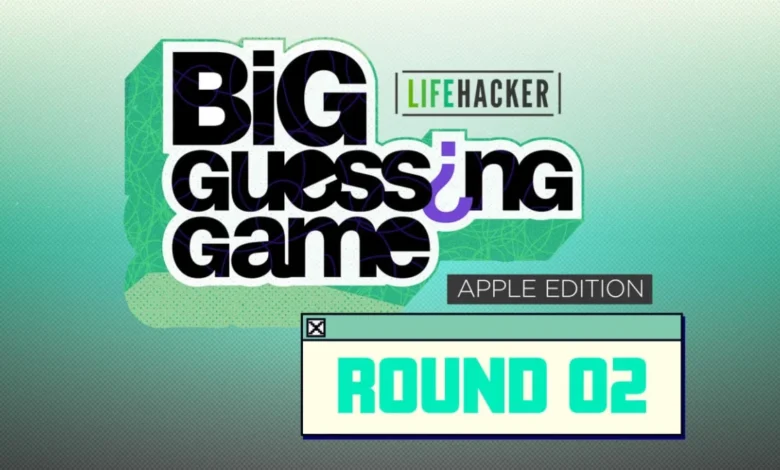
The digital publishing landscape is witnessing a significant collaborative effort as Lifehacker, in conjunction with several prominent technology news outlets under the CNET Group umbrella, has officially moved into the second phase of its "Big Guessing Game." This initiative, designed to engage the global community of Apple enthusiasts and consumer technology followers, centers on the anticipation surrounding Apple Inc.’s upcoming product cycle for the latter half of 2026. By inviting readers to predict the specific features, hardware specifications, and software updates that the Cupertino-based tech giant may unveil during its high-profile keynote events, the contest leverages the perennial interest in Apple rumors to drive audience participation across several major tech platforms, including CNET, Mashable, PCMag, and ZDNET.
The contest is structured as a multi-stage engagement campaign, with the second round having recently concluded and a third round scheduled to begin on August 18, 2026. Participants who successfully predict Apple’s strategic moves are rewarded with entries into a grand-prize drawing, where the primary incentive is the latest iteration of the Apple Watch. This collaboration between diverse editorial teams highlights a growing trend in the media industry where sister publications pool resources to create large-scale, cross-platform interactive content aimed at capturing the attention of a shared demographic.
Contest Structure and Participation Mechanics
The Big Guessing Game is characterized by a systematic approach to speculative engagement. Throughout the 2026 calendar year, the contest is divided into three distinct rounds, each synchronized with the lead-up to Apple’s seasonal announcement windows. Each round presents participants with five targeted questions concerning potential hardware reveals, software enhancements, or ecosystem changes. These questions are designed to challenge the knowledge of even the most dedicated followers of the "Apple rumor mill," requiring a nuanced understanding of supply chain leaks, patent filings, and historical release patterns.
To maximize the scope of the sweepstakes, the CNET Group has implemented a distributed model. While Lifehacker hosts its own set of queries, the other participating sites—CNET, Mashable, PCMag, and ZDNET—each host their own unique questions. This results in a total of 75 possible entries for individuals who engage with all participating platforms across the three rounds. Each correct prediction serves as a single entry into the final grand-prize drawing, which is conducted by the CNET Group at the conclusion of the third round in late summer or early autumn.
Eligibility for the contest is strictly defined to comply with sweepstakes regulations in the United States. Entrants must be at least 18 years of age and legal residents of the 50 U.S. states or Washington, D.C. Despite the wide range of questions and the involvement of multiple editorial brands, the rules dictate that each entrant is only eligible to win one prize. The winners are expected to be announced shortly after Apple’s traditional fall event, which typically serves as the venue for the unveiling of new iPhone models and wearable technology.
Chronology of the 2026 Big Guessing Game
The timeline for the 2026 edition of the Big Guessing Game reflects the cyclical nature of the technology industry’s reporting and consumer interest. The contest was designed to span the most active months for Apple-related news, beginning in the late spring and culminating in the high-stakes atmosphere of the September product launch.
- May 19, 2026: The contest officially commenced with the launch of Round 1. This initial phase focused primarily on expectations following Apple’s Worldwide Developers Conference (WWDC), where the company typically previews its next-generation operating systems, such as iOS 20 and macOS 17.
- July 22, 2026: Round 2 reached its conclusion. This period served as a mid-summer engagement point, capturing the attention of consumers during a time when hardware leaks from overseas manufacturers often begin to solidify.
- August 18, 2026: The scheduled commencement of Round 3. This final round is anticipated to be the most competitive, as it immediately precedes the expected September keynote. Predictions during this phase often focus on the minutiae of device pricing, color options, and specific shipping dates.
- September 1, 2026: The official end date for the sweepstakes. At 11:59 p.m. ET, the entry window will close, and the focus will shift to Apple’s actual announcements to determine the accuracy of the participants’ guesses.
- Mid-to-Late September 2026: Following the Apple fall event, the five participating websites will verify the results and announce the grand-prize winners of the latest Apple Watch models.
The Context of Apple Speculation in 2026
The year 2026 is viewed by industry analysts as a pivotal moment for Apple Inc. Following years of incremental updates to its core product lines, the company is rumored to be exploring more aggressive hardware shifts. This makes the "Big Guessing Game" particularly relevant, as the gap between consumer expectation and official confirmation has never been wider.
Rumors circulating within the tech community for the 2026 cycle include the potential debut of the iPhone 18 series, which many believe could feature the first true "all-screen" design with under-display Face ID and camera sensors. Additionally, 2026 marks a significant milestone for the Apple Watch, with speculators looking for a major "Series X" style redesign for the Series 12 or a third-generation Apple Watch Ultra. The inclusion of the Apple Watch as the contest’s grand prize is a strategic choice, as the wearable remains one of the company’s fastest-growing product categories and a central component of its health and fitness ecosystem.

The contest also takes place against the backdrop of Apple Intelligence, the company’s proprietary generative AI suite. As AI becomes increasingly integrated into the hardware experience, many of the guessing game’s questions likely revolve around how these software capabilities will manifest in new chips, such as the rumored A20 and M6 processors.
Broader Implications for Tech Journalism and Audience Engagement
The collaboration between Lifehacker and the CNET Group represents a broader shift in how digital media organizations approach audience retention and data collection. In an era where traditional advertising revenue is under pressure, interactive content such as the "Big Guessing Game" provides a dual benefit: it increases "dwell time" on the site and fosters a sense of community among readers.
By gamifying the news-reading experience, these publications transform passive consumers of information into active participants. This strategy is particularly effective in the technology sector, where the "fan culture" surrounding brands like Apple creates a built-in audience eager to prove their expertise. Furthermore, the cross-pollination between Mashable, PCMag, and ZDNET ensures that the campaign reaches a diverse array of readers, from casual consumers to enterprise-level IT professionals.
The legal and logistical framework of the contest, sponsored by Ziff Davis, LLC, underscores the complexity of modern media sweepstakes. The explicit disclaimer that Apple Inc. is not a sponsor or endorser of the event is a standard but necessary legal safeguard. It clarifies the independence of the tech press, even as they rely on the hype generated by Apple’s product cycles to drive their own engagement metrics.
Analysis of the Apple Watch as a Prize Incentive
The decision to offer an Apple Watch as the grand prize is grounded in market data. According to recent wearable shipments reports, Apple maintains a dominant share of the smartwatch market. For the publications involved, the Apple Watch represents a high-value, high-desirability item that appeals to a broad demographic without the prohibitive cost of a top-tier MacBook Pro or a fully specced iPhone Pro Max.
The "latest version" of the Apple Watch, as promised in the contest rules, likely refers to the models expected to be announced in September 2026. This adds an extra layer of excitement to the contest, as winners will be among the first to own a device that has not yet been seen by the public. From a journalistic perspective, this creates a full-circle narrative: the publication reports on the rumors, the audience guesses the outcome, and the winner receives the physical manifestation of those rumors.
Conclusion and Forward Outlook
As the technology community looks toward the August 18 start of the third and final round, the "Big Guessing Game" stands as a testament to the enduring power of the Apple ecosystem in the public imagination. For Lifehacker and its partners, the contest is more than a simple giveaway; it is a sophisticated exercise in brand building and audience engagement.
The results of the 2026 Apple product cycle will ultimately determine the winners of the contest, but the broader impact will be felt in the way tech journalism continues to evolve. By blending factual reporting with interactive speculation, the CNET Group and Ziff Davis have created a template for modern digital engagement that honors the curiosity of the tech-savvy public while providing a platform for the next generation of product enthusiasts to test their predictive skills. Whether the iPhone 18 or the Apple Watch Series 12 lives up to the immense hype remains to be seen, but for the participants of the Big Guessing Game, the journey toward that discovery is half the reward.