The American culinary landscape has long romanticized the traditional upscale steakhouse—a domain historically defined by towering crystal chandeliers, white-clothed tables, tuxedoed waitstaff, and steep price points designed for corporate expense accounts or milestone celebrations. Yet, a counter-movement quietly thrives across the United States, anchored by unassuming, rough-around-the-edges establishments that prioritize the integrity of the cut over architectural grandeur. These venues, frequently categorized as "hole-in-the-wall" steakhouses, challenge the assumption that exceptional beef requires an opulent environment. Instead, they offer an unpretentious refuge where diners in denim and T-shirts can access world-class culinary execution, proving that the most memorable meals are often hidden behind weathered facades, blinking neon signs, and doors that have opened to local patrons for decades.
Culinary historians note that the evolution of the American steakhouse traces back to mid-19th-century chophouses, which initially catered to working-class men before evolving into symbols of high-end dining. However, regional variations across the Midwest, South, and Mountain West retained a distinct utilitarian charm. These smaller, independent operations survived through economic shifts by maintaining direct relationships with local purveyors, perfecting in-house butchery, and cultivating fiercely loyal neighborhood clienteles.
To identify the nation’s premier low-key steak destinations, culinary researchers and evaluators apply strict criteria: exterior anonymity, high local and national acclaim—including nods from prestigious institutions like the James Beard Foundation—scratch-made accompaniments, and a steadfast commitment to quality cuts such as Prime and dry-aged beef. An examination of eleven standout establishments across the country reveals the diverse tapestry of American steak culture, where historic preservation meets culinary mastery.
Midwest Traditions and Multi-Generational Craftsmanship
In the agricultural hub of Le Mars, Iowa, Archie’s Waeside stands as a testament to multi-generational dedication. Founded in 1949, the establishment greets patrons with classic wood paneling, high-backed vinyl booths, and walls papered with decades of family photographs. Behind its unassuming exterior lies a rigorous culinary operation that features in-house dry-aged and custom-cut steaks. In 2015, the James Beard Foundation recognized Archie’s Waeside with its coveted America’s Classics award, praising the restaurant’s welcoming ambiance, dedication to locally sourced regional beef, and signature touches like its famous relish tray. Patrons frequently remark that the dining experience mirrors visiting an esteemed relative’s home, albeit one equipped with a professional kitchen capable of producing fork-tender sirloins and filets paired with proprietary Napa Valley wine labels.
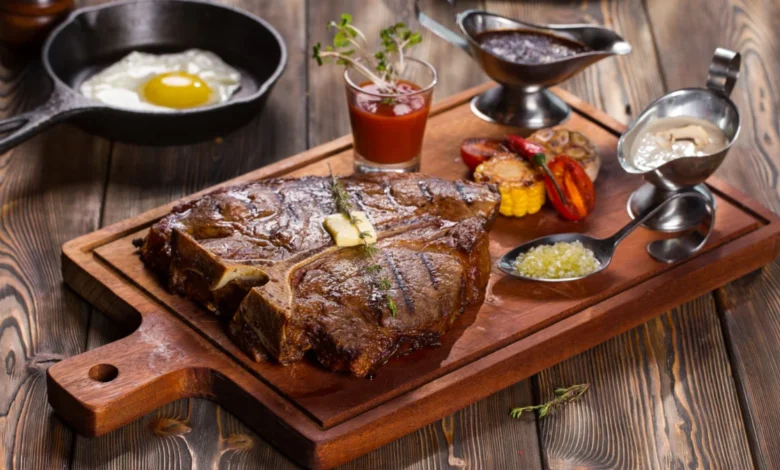
Further west, Denver, Colorado hosts the Columbine Steak House & Lounge, a stalwart fixture of the city’s dining scene since 1961. Housed in an unpretentious brick building marked by a vintage marquee, this cash-only establishment offers a masterclass in culinary accessibility amid rising national dining costs. For prices ranging between $21 and $30, guests receive a comprehensive meal featuring massive, tender T-bone steaks, house salads, Texas toast, and classic sides. Despite its affordability, the kitchen cuts no corners, utilizing quality cuts that speak for themselves and drawing daily crowds for both its dinner services and lunch steak sandwiches.
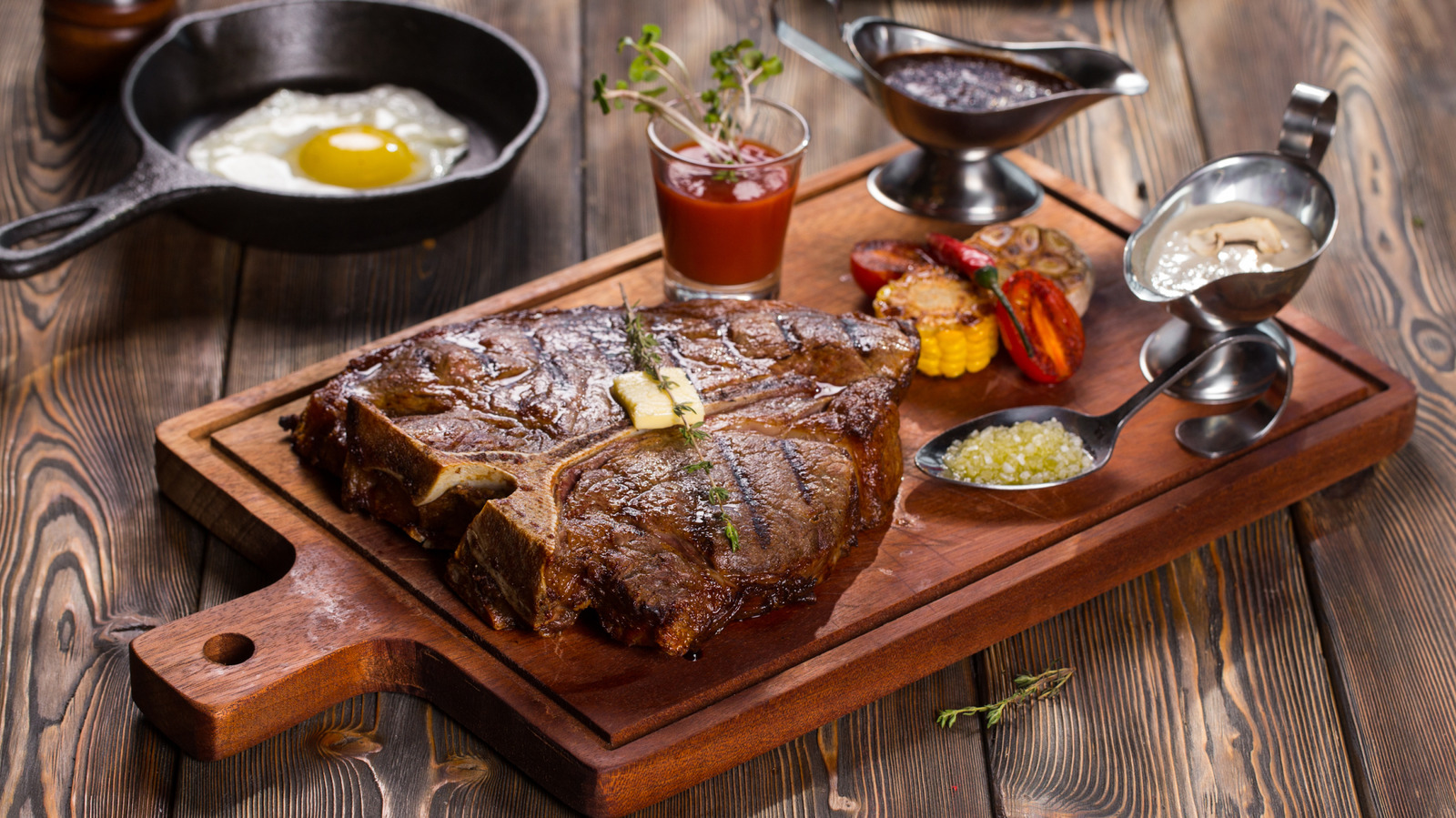
In the historic mining town of Hartville, Wyoming—population approximately 70—Miners & Stockmen’s Steakhouse & Spirits operates out of a ragged red stone and wood structure established in 1862. Recognized as Wyoming’s oldest bar, the venue blends Old West authenticity with surprisingly sophisticated kitchen operations. Guests stepping past the taxidermy-adorned walls are met with exceptional ribeyes, New York strips, and filet mignon, accompanied by fresh salads and knowledgeable whiskey pairings that challenge initial expectations of remote dining.
Southern Hospitality and Historic General Stores
The American South possesses a rich, distinct tradition of redefining high-end dining through casual hospitality. In Learned, Mississippi—a municipality of roughly 50 residents—H.D. Gibbes & Sons operates inside a repurposed 19th-century general store whose exterior appears untouched since World War II. Operating strictly on Thursday, Friday, and Saturday nights, this community-style dining room serves massive portions of ribeyes, lamb chops, and house-made desserts on paper plates. Requiring cash or check payments, the cash-only landmark draws travelers from hundreds of miles away for an authentic, immersive regional experience complete with live music.
Also in Mississippi, Columbus plays host to the Old Hickory Steak House, a decades-old institution characterized by its compact, wood-fronted building and red-and-white checked tablecloths. The kitchen utilizes a minimalist seasoning approach combined with a high-heat charcoal grill, allowing the natural flavor of the beef to take center stage. Renowned for its flawless execution of doneness, the restaurant consistently delivers standout ribeyes alongside its signature Texas toast, maintaining a loyal following across generations.
In Ocean Springs, Mississippi, Cheryl’s Open Pit Steak House is run by a mother-and-daughter team operating around an indoor open-wood fire pit. Named the best steak in Mississippi by the state’s Beef Council in 2021, the restaurant’s signature ribeyes achieve a perfect char that eliminates the need for heavy sauces. The sensory experience of wood smoke and sizzling meats complements hearty baked potatoes and scratch-made desserts like peanut butter pie, cementing its status as a premier regional destination.
Quirky Outposts and Coastal Staples
Out West, the Monte Carlo Steakhouse and Liquor Store in Albuquerque, New Mexico, presents a uniquely hybrid dining concept. Operating as a standard liquor store from the front, the building opens in the back into a dimly lit, 1950s-frozen dining room. Famous for its stellar ribeyes, prime rib specials, and locally celebrated green chile burgers, the establishment offers a distinctly retro Route 66 atmosphere where house green chile is traditionally used to elevate both the steak and baked potatoes.
In Wilson, North Carolina, The Beefmastor Inn exemplifies streamlined efficiency. Featuring a diminutive dining room with only ten tables, the restaurant frequently generates an energetic parking-lot tailgating scene for patrons waiting to be seated. With a deliberately minimalist menu centered around custom-sized steaks and a classic salad bar, the establishment guarantees a masterclass in high-heat searing and portion generosity.
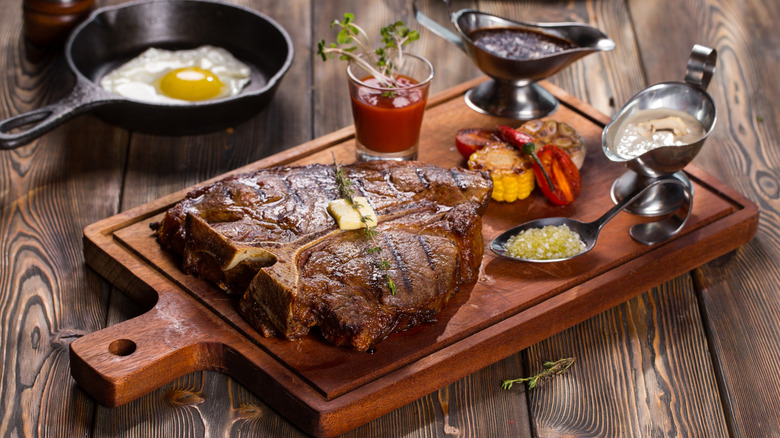
On the urban coasts, unassuming facades continue to conceal culinary excellence. In Brooklyn, New York, St. Anselm operates behind an understated green and brick storefront. Following a comprehensive structural rebuild necessitated by a 2024 fire, the cozy neighborhood spot returned with an elevated commitment to its specialized grill menu. Diners routinely sample multiple cuts side-by-side, from hanger steaks to shareable tomahawks, paired with rich sides like spinach gratin and finished with sticky toffee pudding.
In Torrance, California, The San Franciscan serves as an enduring monument to mid-century steakhouse culture. Concealed within an ordinary cement and wood-fronted building, the interior preserves a vintage aesthetic defined by curved red vinyl booths and daily prime rib specials. Complemented by traditional touches such as mini sourdough loaves and classic shrimp cocktails, the venue honors a legacy once favored by Old Hollywood luminaries.
Finally, Seattle, Washington’s The Shambles combines the aesthetic of an artisan coffee house with a top-tier craft cocktail bar and steakhouse. Operating via a frequently updated chalkboard menu, the kitchen showcases exceptional items like Wagyu bavette alongside sophisticated vegetable preparations and scratch-made accompaniments.
Broader Economic and Cultural Implications
The enduring popularity of these hole-in-the-wall steakhouses highlights a broader cultural shift in American dining preferences. As inflation and corporate consolidation homogenize much of the modern restaurant landscape, independent, family-owned establishments offer authenticity, historical continuity, and a rejection of artificial luxury. By investing heavily in sourcing, in-house butchery, and community engagement rather than interior design, these eleven institutions demonstrate that the true measure of a great steakhouse lies not in the white tablecloths it deploys, but in the culinary dedication simmering behind its doors.