Transport giant buys Australia’s first solar-powered battery-electric refrigeration unit after 1,671 km freight trial

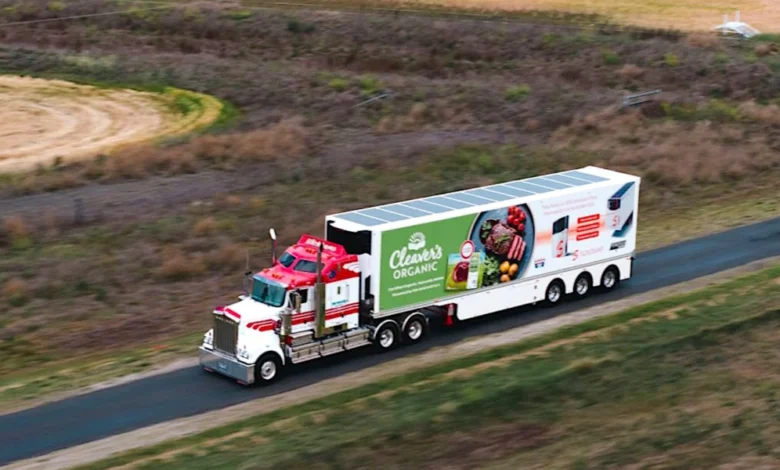
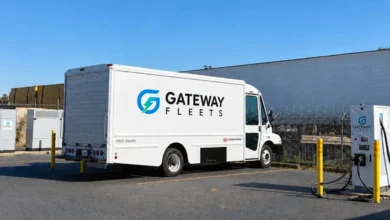
The transition toward sustainable commercial logistics in the Asia-Pacific region has reached a notable milestone with the commercial deployment of Australia’s first regular-production, solar-powered, battery-electric trailer refrigeration unit. Wickham Freight Lines, a prominent family-owned transport and logistics enterprise operating heavily along the country’s eastern seaboard, officially integrated the innovative Sunswap Endurance unit into its active fleet this week. This acquisition marks a significant departure from traditional transport refrigeration methodologies, offering a glimpse into how the cold chain logistics sector might mitigate its considerable carbon footprint without sacrificing operational reliability.
Refrigerated trailers, commonly known in the industry as reefers, are indispensable cogs in the modern agricultural and pharmaceutical supply chains. They ensure that perishable goods—ranging from fresh produce and flowers to temperature-sensitive medicines—maintain their integrity while journeying from remote farms to urban distribution centers and local markets. However, the operational mechanism traditionally used to maintain these sub-zero or controlled environments has long been recognized as an environmental hazard. Conventional reefers rely on independent, high-sulfur, red-dye diesel-powered generators that operate continuously around the clock. This heavy machinery runs independently of the prime mover, meaning that even if an electric semi-truck pulls the trailer, the refrigeration unit behind it can still spew substantial amounts of carbon dioxide, particulate matter, and nitrogen oxides (NOx) into the atmosphere.
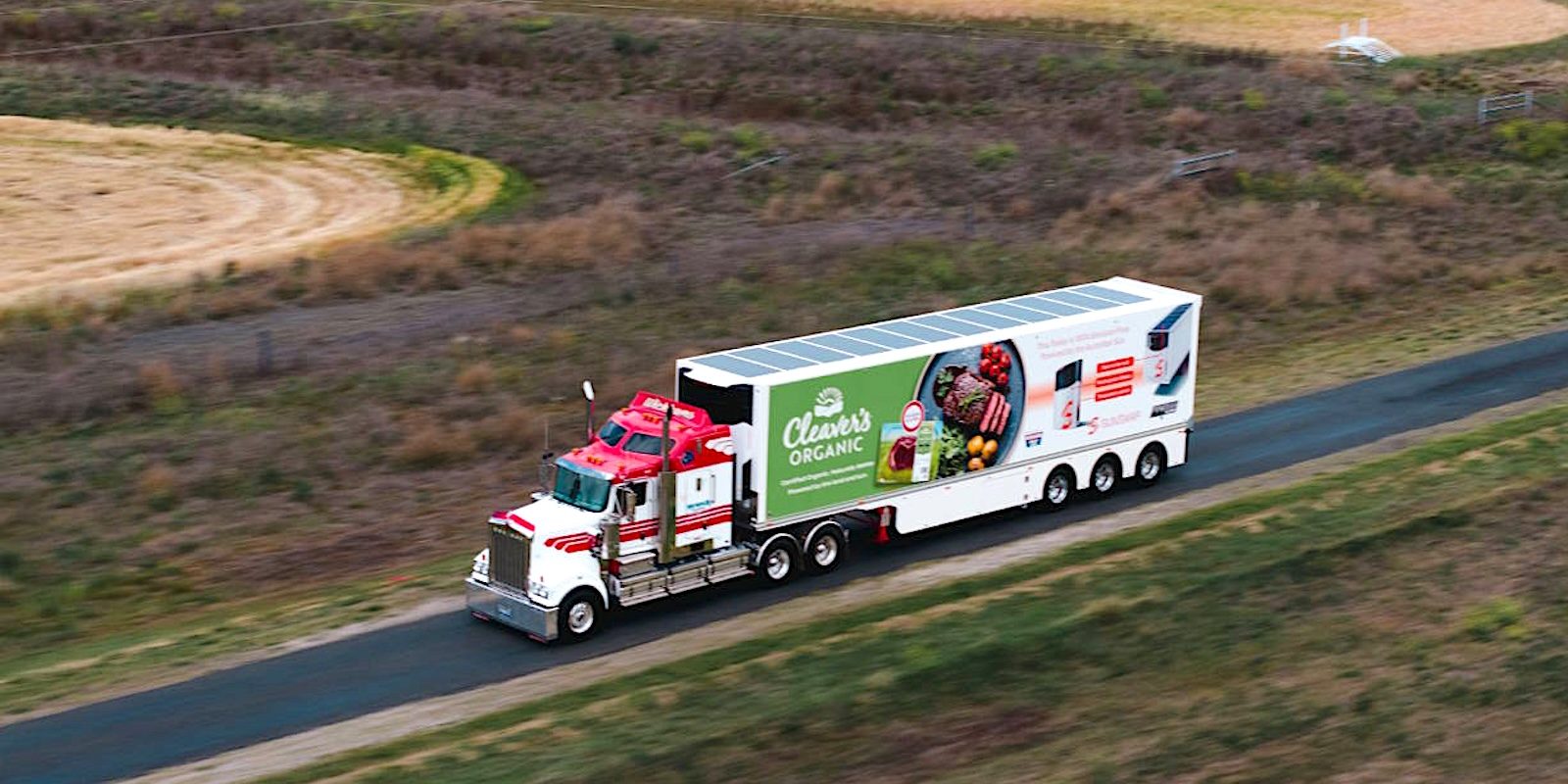
The environmental toll of these auxiliary diesel engines is compounded by severe noise pollution, a factor that has increasingly drawn the ire of municipal authorities. As cities enact stricter environmental regulations, noise ordinances, and zero-emission zones, logistics operators face mounting pressure to modernize their fleets. The Sunswap Endurance was engineered precisely to address this technological and environmental bottleneck. By combining a high-capacity battery system with integrated rooftop solar panels, the unit maintains required cargo temperatures entirely on renewable energy, eliminating the burning of diesel fuel during transit.
A Rigorous Trial Across the Australian Terrain
Before committing to the commercial purchase, Wickham Freight Lines subjected the Sunswap Endurance to a grueling real-world stress test. The evaluation took place over the southern hemisphere’s summer months, a period notorious for punishing ambient temperatures that place maximum strain on refrigeration machinery.
The trial route spanned approximately 1,670 kilometers, running a continuous loop between Sydney and Brisbane. This demanding freight run required more than 30 hours of continuous driving through varied topography, fluctuating weather conditions, and intense solar radiation. Transport executives specifically designed the trial to test the limits of the technology rather than coddle it, ensuring the equipment faced the same rigorous demands as any standard diesel-powered unit in the company’s daily operations.
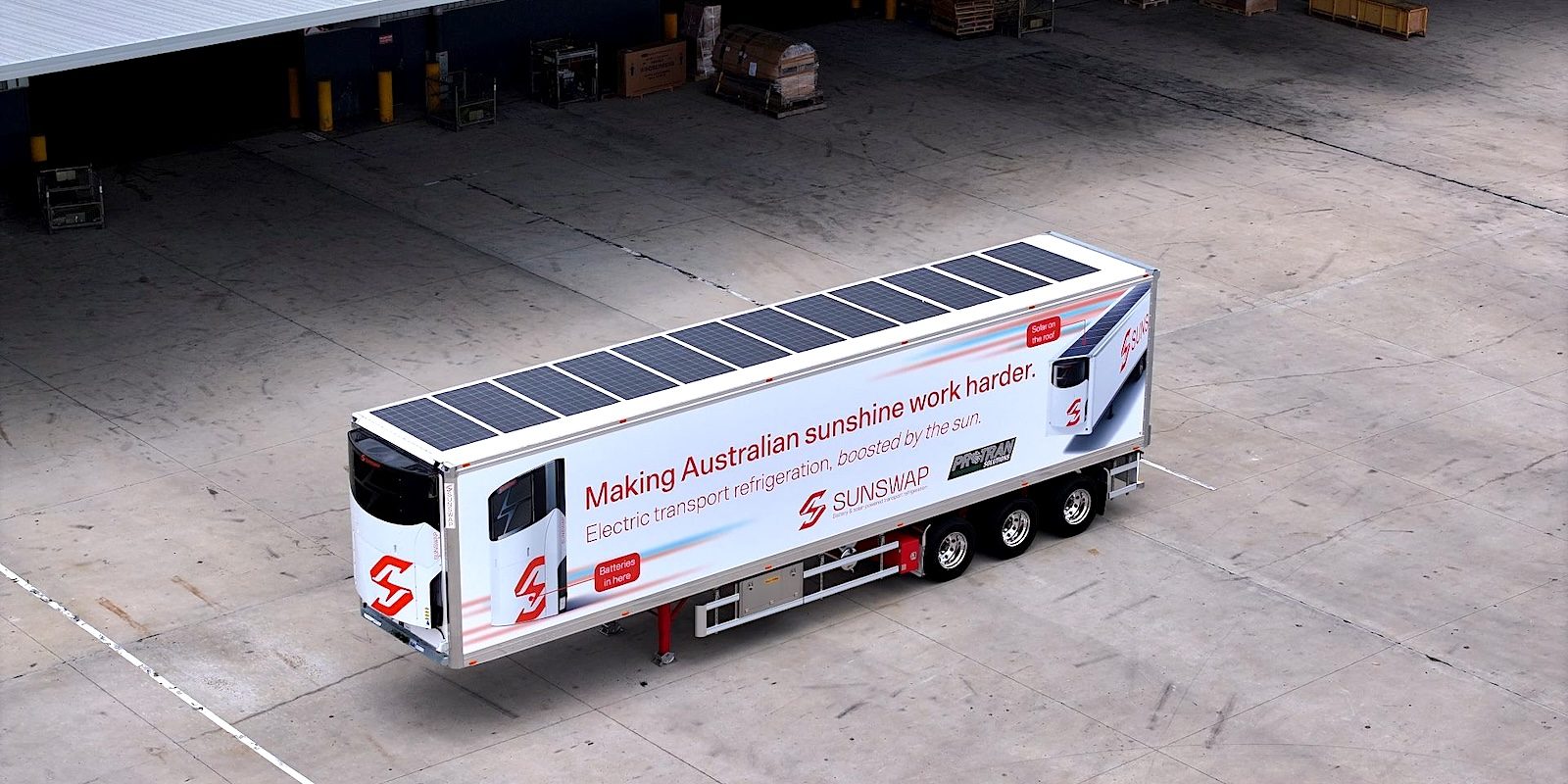
The results of the trial exceeded the expectations of both the fleet operators and the technology developers. Upon completion of the multi-day, long-haul journey, the unit’s onboard battery system retained more than 65 percent of its total capacity. This performance proved that the combination of kinetic energy capture, battery storage, and solar replenishment was more than sufficient to handle Australia’s demanding long-distance freight routes, even under thermal stress.
Industry Perspectives and Commercial Viability
Graham Keogh, director at Wickham Freight Lines, noted that the decision to purchase the unit followed a deliberate strategy to test the equipment under punishing operational constraints.
"I put the Sunswap Endurance into the fleet and told the team to stretch it—treat it as a normal unit," Keogh stated following the trial. He admitted initial skepticism, noting that he is not naturally inclined toward early technology adoption. However, the empirical results altered his perspective. "We were genuinely impressed. I’m a true believer. I love the technology and I’m not a true tech person whatsoever. You can just see that it’s a winner… the performance, reliability and operational savings were beyond what we expected."

For a major enterprise managing extensive cold chain logistics along Australia’s eastern corridor, the transition to solar-electric refrigeration presents undeniable commercial logic. Beyond eliminating the direct costs associated with red-dye diesel fuel consumption, electric refrigeration units require significantly less mechanical maintenance than internal combustion engines, which feature numerous moving parts, filters, and fluid systems prone to wear and tear.
The public introduction of the Sunswap Endurance to the Australian market initially took place at the HVIA TruckShowX event held in the Hunter Valley. The positive industry reception at the showcase translated rapidly into commercial interest, culminating in this week’s historic handover to Wickham Freight Lines.
Chronology of the Integration
- May: Sunswap formally showcases the Endurance solar-powered reefer unit at the HVIA TruckShowX in the Hunter Valley, drawing significant attention from Australian transport operators.
- Summer: Wickham Freight Lines deploys the unit on an intensive 1,670-kilometer trial run between Sydney and Brisbane to evaluate its thermal efficiency and battery retention under extreme heat and distance.
- Post-Trial Evaluation: Fleet data reveals that the refrigeration unit completed the 30-hour journey with over 65 percent battery reserve remaining, prompting corporate approval for purchase.
- October: Wickham Freight Lines officially takes delivery of Australia’s first commercial production solar-powered battery-electric refrigeration unit, integrating it directly into their active cold chain fleet.
Broader Economic and Environmental Implications
The introduction of zero-emission refrigeration into heavy transport fleets addresses several converging pressures currently facing the global logistics industry. Regulatory bodies in multiple jurisdictions are tightening emissions standards, phasing out tax rebates on red-dye diesel, and implementing nighttime delivery bans in residential areas due to the noise generated by traditional reefer motors.

By transitioning to battery-electric systems charged by solar arrays and kinetic energy recovery, transport companies can future-proof their operations against impending regulatory changes. Furthermore, as corporate sustainability reporting becomes mandatory for large enterprises, lowering Scope 1 emissions derived from auxiliary fuel usage provides a measurable competitive advantage when bidding for contracts with major supermarkets and multinational food brands that have committed to strict net-zero supply chain targets.
While the initial capital expenditure for advanced battery-electric and solar trailers remains higher than that of legacy diesel units, the total cost of ownership (TCO) calculus is shifting rapidly. Fuel price volatility, combined with the reduction in required engine maintenance and extended component lifespans, points toward a favorable payback period for high-utilization fleets like Wickham Freight Lines.
As this first production unit enters regular service on Australian highways, industry analysts will closely monitor its long-term durability, maintenance costs, and real-world efficiency across seasonal shifts. If the Sunswap Endurance continues to perform at the levels demonstrated during its initial Sydney-to-Brisbane trial, transport operators across the continent are expected to accelerate their own fleet decarbonization strategies, signaling the beginning of the end for the ubiquitous diesel reefer.