The enduring legacy of lithium in psychiatric medicine as the gold standard for bipolar disorder treatment

In the contemporary era, the name lithium is most frequently associated with the high-energy batteries powering our smartphones, electric vehicles, and renewable energy grids. However, for the medical community, lithium remains synonymous with one of the most significant breakthroughs in the history of psychiatry. Since its clinical adoption in the mid-20th century, this simple, naturally occurring alkali metal has maintained its position as the "gold standard" for managing bipolar disorder—a complex, chronic psychiatric condition characterized by extreme shifts in mood, energy, and activity levels. Despite the rapid advancement of psychopharmacology and the development of numerous newer agents, lithium continues to be the bedrock of therapeutic intervention for millions of patients worldwide.
A Historical Chronology of Lithium’s Discovery
The medical application of lithium was not the result of a deliberate, multi-billion-dollar pharmaceutical development program, but rather a serendipitous discovery born from observation. The journey began in 1949 when Australian psychiatrist John Cade conducted experiments on the effects of lithium carbonate on guinea pigs. Cade, who was searching for a cause for mania, hypothesized that the urine of manic patients contained toxic substances. While his hypothesis regarding toxicity proved incorrect, his experimental control group—treated with lithium urate to increase its solubility—displayed a marked calming effect.
Cade’s findings were transformative. By 1950, he began testing the substance on human patients suffering from manic-depressive illness, now known as bipolar disorder. The results were dramatic: patients who had been institutionalized for years due to intractable, high-energy manic episodes showed rapid stabilization. Despite this early success, the road to widespread acceptance was arduous. Because lithium is an element and cannot be patented, pharmaceutical companies at the time showed little interest in investing in its development. Furthermore, the medical community remained wary due to reports of toxicity associated with the use of lithium chloride as a salt substitute in the 1940s, which had led to fatal outcomes. It was not until the 1970s, following extensive clinical trials spearheaded by researchers like Mogens Schou, that the U.S. Food and Drug Administration (FDA) formally approved lithium for the treatment of mania.
The Mechanism of Action: Why It Works
The precise mechanism by which lithium exerts its therapeutic effects remains a subject of intense scientific inquiry. Unlike many modern psychotropic medications that target specific neurotransmitter receptors (such as SSRIs for serotonin), lithium appears to act on a systemic level. It influences several intracellular signaling pathways, including the inhibition of glycogen synthase kinase-3 (GSK-3) and the modulation of inositol monophosphatase.
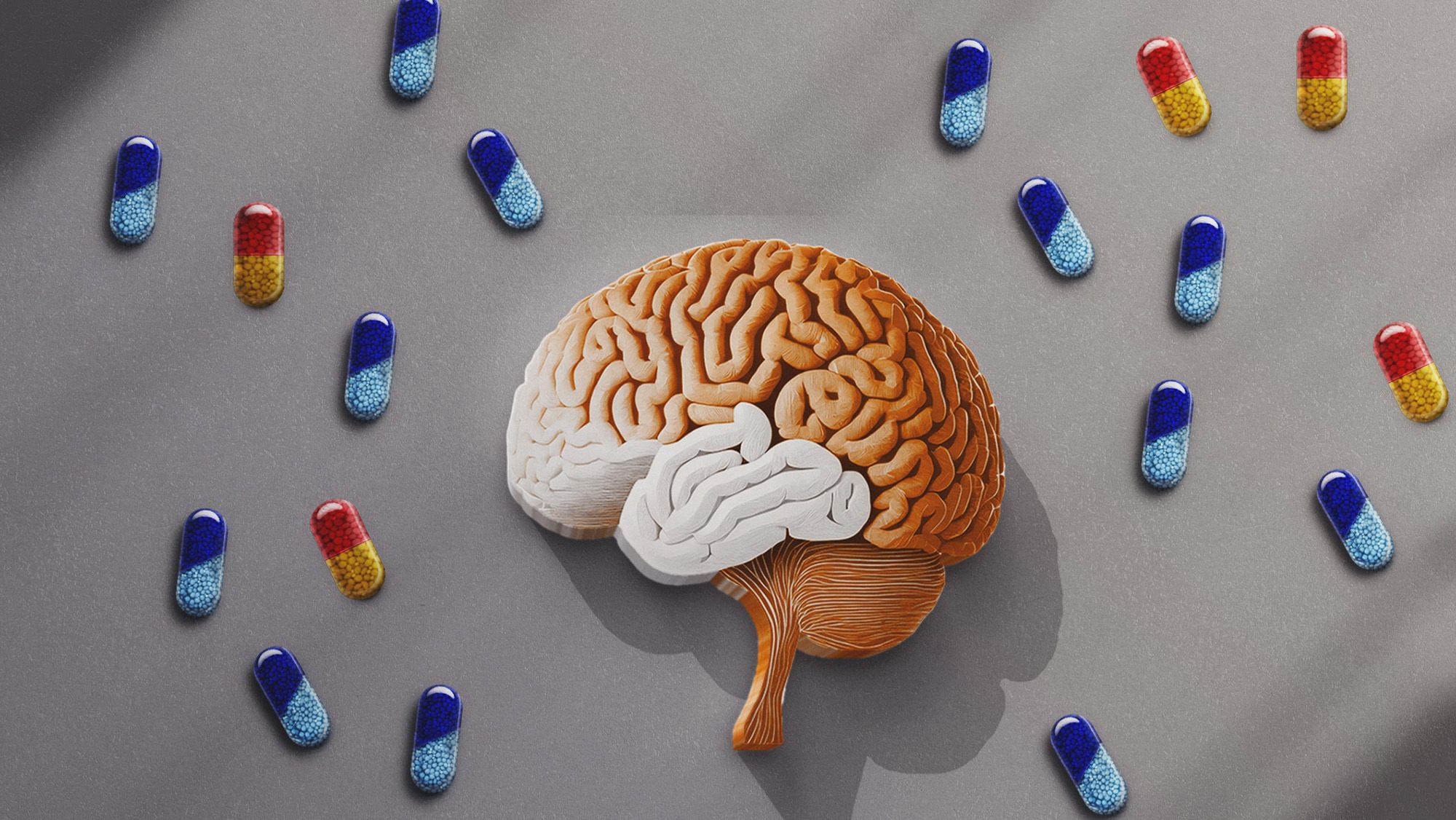
By stabilizing these pathways, lithium appears to exert a neuroprotective effect. Research suggests that lithium increases the volume of gray matter in areas of the brain associated with emotional regulation, such as the hippocampus and the amygdala. This structural support may be why lithium is uniquely effective in preventing suicide—a risk that is significantly higher in individuals with bipolar disorder. Data consistently shows that long-term lithium therapy is associated with a lower rate of suicide attempts and completed suicides compared to other mood stabilizers or placebos.
Supporting Data and Clinical Efficacy
Clinical data underscores the unique efficacy of lithium in the management of bipolar disorder. While anticonvulsants like valproate and lamotrigine, as well as atypical antipsychotics, have entered the market as alternatives, lithium remains the only medication consistently shown to be effective in both the prevention of manic and depressive episodes.
According to studies published in the Journal of Clinical Psychiatry, lithium reduces the risk of relapse by approximately 30% to 50% in long-term maintenance therapy. Furthermore, meta-analyses conducted by the Cochrane Library have corroborated that lithium is superior to placebo in the prevention of mood episodes, specifically in patients with "classic" bipolar I disorder. Despite the development of newer pharmacological agents, clinicians often return to lithium for patients who have not responded to other treatments, reinforcing its status as the foundational therapy for the condition.
Official Perspectives and Medical Consensus
The psychiatric community maintains a nuanced perspective on lithium. While it is widely considered the first-line treatment, it is not without challenges. The therapeutic window—the range between an effective dose and a toxic one—is notoriously narrow. Patients undergoing lithium therapy require regular blood tests to monitor serum concentrations, ensuring that the levels remain within a safe range to prevent kidney damage or thyroid dysfunction.
Dr. Mogens Schou, who spent his career advocating for the medication, often highlighted that the "burden of monitoring" was a small price to pay for the "freedom from the illness." Modern psychiatric guidelines, such as those published by the American Psychiatric Association (APA) and the International Society for Bipolar Disorders (ISBD), continue to categorize lithium as a primary recommendation for maintenance treatment. The consensus among leading practitioners is that while newer drugs may offer easier side-effect profiles, none match the anti-suicidal properties and the robust, long-term stabilization provided by lithium.
Broader Implications for Modern Psychiatry
The continued reliance on an elemental metal discovered in the 19th century—and utilized clinically for over 70 years—speaks to the complexity of the human brain. The modern pharmaceutical industry has struggled to produce a "lithium successor" that can mirror its broad-spectrum efficacy without the associated risks of toxicity.
The implications for the future are twofold. First, the industry is seeing a renewed interest in "lithium research" to understand how it interacts with genetic markers, potentially leading to personalized medicine where clinicians can predict which patients will respond best to lithium based on their genomic profile. Second, the success of lithium serves as a reminder that "old" medicine, when properly managed and understood, can outperform highly engineered, expensive synthetic alternatives.
As we look toward the future, the integration of digital health tools—such as smartphone apps that monitor for early signs of mania or depression—may help bridge the gap between lithium’s clinical effectiveness and the patient-burden of regular blood monitoring. By combining the "gold standard" of the 1940s with the data analytics of the 2020s, the medical community aims to ensure that lithium continues to serve as a life-saving intervention for generations to come.
Ultimately, the story of lithium is a testament to the fact that medical progress is not always about inventing the next complex molecule; sometimes, it is about perfecting the application of the elements already present in our world. As research continues to peel back the layers of how lithium stabilizes the brain, the psychiatric field remains committed to a treatment that, despite its simplicity, remains unparalleled in its ability to restore balance to the lives of those navigating the turbulent waters of bipolar disorder.