The 78th Primetime Emmy Awards Red Carpet Preview and Historical Milestones

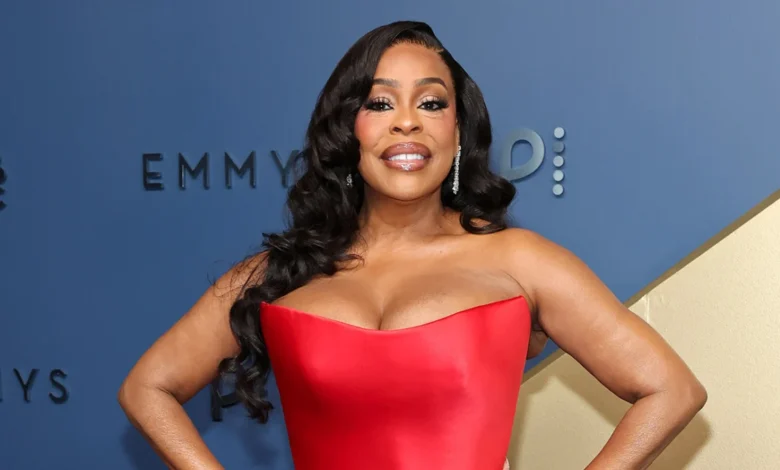
The 78th Primetime Emmy Awards are set to descend upon the Peacock Theater in downtown Los Angeles this Monday, but before the first statue is handed out at 5 p.m. PT, the industry’s focus will be locked firmly on the arrivals. The red carpet, which officially begins two hours prior to the main ceremony, has evolved over the decades from a peripheral event into a vital component of the television industry’s promotional engine. As the television landscape continues to shift toward streaming-dominant models and prestige limited series, the red carpet serves as the ultimate showcase for the intersection of high fashion and cultural relevance.
The Evolution of the Emmy Red Carpet
The red carpet experience at the Primetime Emmys has historically functioned as a barometer for the broader fashion industry. In the mid-20th century, the event was a relatively modest affair. However, the rise of celebrity stylists in the 1990s and the advent of high-definition social media coverage in the 2010s transformed the arrival process into a high-stakes arena for luxury houses and emerging designers alike.
For the 2026 ceremony, the expectations are higher than ever. The industry is closely watching stars like Sarah Pidgeon and Paul Anthony Kelly, whose meteoric rise following the February premiere of FX’s Love Story has made them the season’s "it" couple. Their presence represents a new guard of talent that leverages digital-first visibility to command the red carpet. Conversely, veterans such as Ayo Edebiri—who spent much of her recent tenure on The Bear in the utilitarian chef’s whites required by her character—are now being viewed as major style icons. Her evolution from character actor to red carpet fixture serves as a case study in how modern performers use sartorial choices to signal their range beyond the screen.
High-Stakes Nominations and Industry Titans
The 2026 Emmys are uniquely positioned to shatter historical records, particularly within the acting categories. The race for Best Actress is headlined by industry heavyweights Jean Smart and Allison Janney, both of whom carry significant weight in the awards circuit. Smart, recognized for her role in Hacks, and Janney, nominated for her performance in The Diplomat, are currently tied with seven Emmy wins apiece.
Should either woman secure a win this evening, she will reach a total of eight trophies, entering the exclusive pantheon of performers with the most Emmy wins in history. They would join the ranks of the late Cloris Leachman and the legendary Julia Louis-Dreyfus. This milestone carries immense symbolic weight for the Television Academy, as it highlights the longevity and consistency required to maintain relevance in a medium that is notoriously prone to "flavor-of-the-month" cycles. Industry analysts note that this potential tie-breaking win would not only be a personal victory for the actresses but a testament to the enduring power of veteran performers in an increasingly youth-obsessed media climate.
The Zendaya and Colman Domingo Effect
Among the most anticipated arrivals for the evening is Zendaya, whose status as a fashion icon is as well-documented as her acting prowess. Nominated for her work in the final season of HBO’s Euphoria, her red-carpet appearance is widely expected to set the tone for the night’s aesthetic. Her consistent ability to blend archival couture with contemporary trends has made her a primary focal point for global fashion media.
Joining her in the spotlight is Colman Domingo, whose dual nominations signify his status as one of the most versatile actors working today. Domingo is competing for Best Supporting Actor in a Comedy for The Four Seasons and Best Guest Actor for Euphoria. The dual-nomination phenomenon is rare, and it speaks to the cross-genre appeal that modern performers are increasingly expected to demonstrate. His presence also underscores the increasing influence of HBO and streaming platforms in dictating the prestige narrative of the awards cycle.
Age Milestones and Category History
The 2026 ceremony also brings an interesting demographic narrative to the forefront, specifically regarding the "Best Supporting Actor in a Comedy" category. The competition features two seasoned actors, 84-year-old Harrison Ford (Shrinking) and 74-year-old Stephen Root (Widow’s Bay). Both men are currently in a position to eclipse the record held by Henry Winkler, who was 72 years old when he secured the win for Barry in 2018.
The potential for an octogenarian winner highlights a shift in television casting, where stories centering on older protagonists are gaining significant traction and critical acclaim. This demographic trend is supported by data from the past five years, which indicates that "prestige" comedy and drama series are increasingly casting legacy talent in roles that were previously reserved for younger character actors.
Technical Logistics and Broadcasting Context
The logistical undertaking of the 78th Primetime Emmy Awards is immense. The Peacock Theater, with its state-of-the-art facilities, has become the preferred venue for the Academy, offering the necessary infrastructure to handle the massive technical requirements of a multi-platform broadcast. The two-hour red carpet window is not merely for leisure; it is a calculated period for brand integration, media interviews, and the cultivation of the "star power" that fuels the television industry’s economic cycle.
From an organizational standpoint, the Television Academy has increased its focus on the inclusivity of its voting body, which has arguably led to the diverse range of nominees seen in 2026. By expanding the membership and diversifying the demographics of those who cast ballots, the Academy has attempted to mitigate the criticism of "predictability" that plagued the awards throughout the early 2010s.
Broader Implications for the Television Industry
The 2026 Emmys are taking place during a period of consolidation and transition for the entertainment industry. Following the labor disruptions of previous years, the 2026 slate of content is viewed as a "reset" for major studios. The nominations reflect a move toward high-concept, auteur-driven television, often produced for global streaming audiences rather than traditional network slots.
Market analysts suggest that the results of this year’s ceremony will influence development budgets for the 2027 cycle. Studios are closely monitoring which genres—and which specific narrative approaches—resonate with both the Academy and the broader public. The emphasis on style, fashion, and red-carpet engagement is an extension of this; in a crowded media landscape, the ability of a show to "make a splash" on the red carpet is inextricably linked to its long-term brand equity.
The Role of Digital Engagement
While the Peacock Theater will be filled with industry insiders, the true scale of the event will be measured in digital engagement. As the evening progresses, The Hollywood Reporter and other outlets will provide real-time updates on the gallery of styles, reflecting the immediate feedback loop of social media. The "fashion quotient" mentioned by attendees is no longer just a superficial detail; it is a vital metric for social media impressions, which in turn drive viewership for the nominated shows.
The synergy between the awards ceremony and digital platforms ensures that even those not physically present at the Peacock Theater can participate in the cultural discourse. As the sun sets in Los Angeles and the ceremony begins, the legacy of the 78th Primetime Emmy Awards will be cemented not just by the winners on stage, but by the collective visual identity projected by the attendees during those critical two hours of red-carpet activity.
Whether the night results in the crowning of a new record-holder or the celebration of a new generation of talent, the event remains the most significant night on the television calendar. It serves as a synthesis of artistic merit, industry power, and the cultural spectacle that defines the modern era of the small screen. As audiences tune in, they are witnessing more than just an awards show; they are observing the current state of a multi-billion dollar industry as it continues to adapt to the demands of a global, digital, and fashion-conscious audience.