The 2000s Emo Revival: Why Gen Z is Breathing New Life Into the Definitive Sound of a Generation

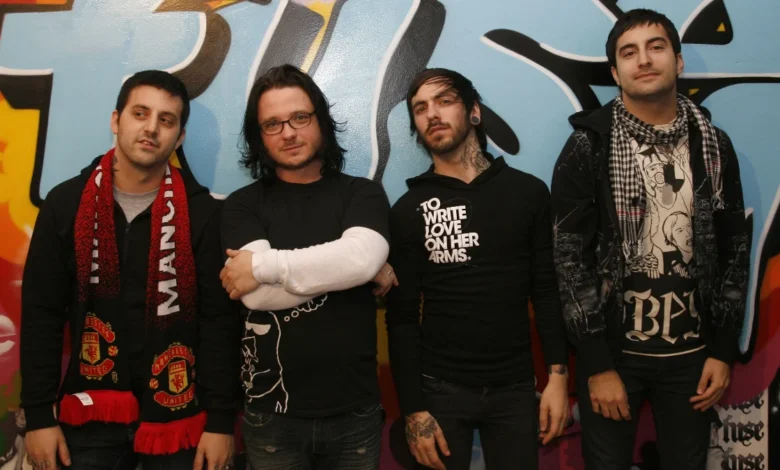
The cultural footprint of the early 2000s alternative music scene has experienced a profound resurgence, largely driven by Generation Z. Platforms like TikTok, Instagram, and specialized vinyl collecting have introduced teenagers and young adults to a subculture that peaked years before many of them were born. While marquee names like My Chemical Romance have successfully captured the modern youth’s imagination, the broader landscape of 2000s emo contains a rich tapestry of foundational acts whose contributions shaped a generation of music consumers. Beyond the mainstream figureheads, several enduring bands from that era deserve a comprehensive critical re-examination and a permanent place in contemporary rotation.
The Evolution and Cultural Phenomenon of the Third-Wave Emo Movement
To understand the current fascination with 2000s alternative rock, one must examine the trajectory of the genre itself. Music historians generally categorize the evolution of emo into distinct waves. The first wave emerged in the mid-1980s out of the Washington, D.C. hardcore punk scene, characterized by emotional vulnerability paired with aggressive instrumentation. The second wave, blossoming in the 1990s, introduced the melodic indie-punk sensibilities of bands like Sunny Day Real Estate and The Promise Ring.
However, it was the third wave—spanning roughly from 1999 to 2010—that propelled emo from underground basements into mainstream commercial viability. This era was defined by theatrical lyricism, highly polished production, distinct fashion trends involving straightened hair, skinny jeans, and heavy eyeliner, and heavy rotation on MTV and alternative radio stations.
For Generation Z, discovering this era offers a form of historical escapism and a connection to an era of unvarnished emotional expression. Unlike contemporary highly sanitized digital pop, 2000s emo offered raw, cathartic storytelling that resonates deeply with modern youth navigating societal anxieties, economic uncertainty, and digital isolation. Music industry analysts note that streaming data for bands formed during the George W. Bush administration has steadily climbed year-over-year, proving that this phenomenon is not merely a passing nostalgia trend, but a generational rediscovery of substantive songwriting.
Bayside: Resilience, Tragedy, and Melodic Punk Permanence
Among the acts that defined the melodic edge of third-wave emo, Queens, New York outfit Bayside carved out a fiercely loyal following through relentless touring and intricate, guitar-driven composition. Formed in 2000 by frontman Anthony Raneri, the group combined the urgency of punk rock with sophisticated acoustic arrangements and deeply personal lyricism.
The band’s trajectory was forever altered on October 31, 2005. While traveling through Cheyenne, Wyoming, in support of their self-titled sophomore studio album, the group’s tour van encountered black ice on Interstate 80 and suffered a catastrophic rollover crash. The accident tragically claimed the life of 22-year-old drummer John "Beatz" Holohan and severely injured bassist Nick Ghanbarian.
The tragedy sent shockwaves through the tight-knit independent music community. Rather than disbanding under the immense weight of grief, the surviving members chose to honor Holohan’s memory through their art. In 2006, Bayside released Acoustic, an emotionally resonant record that opened with the poignant tribute track "Winter." Written by Raneri, "Winter" remains a touchstone for Millennials who grew up in the scene, serving as a delicate, heartbreaking meditation on sudden loss and the fragility of life on the road.
Despite the tragedy, Bayside’s 2005 self-titled release cemented their legacy, featuring fan-favorite anthems such as "Blame It On Bad Luck." Two decades after their formation, the band maintains an active touring schedule, continuously proving that their blend of aggressive musicianship and melancholic hooks transcends generational divides. For Gen Z listeners exploring the deeper cuts of 2000s alternative rock, Bayside offers an authentic blueprint of artistic resilience.
Dashboard Confessional: Bridging the Acoustic Gap and Mainstream Breakthrough
Few entities are as synonymous with the emotional vulnerability of early 2000s music as Dashboard Confessional. Spearheaded by singer-songwriter Chris Carrabba, the project originated as a side-group of the band Further Seems Forever before evolving into a massive cultural phenomenon. Dashboard Confessional effectively served as the bridge between the introspective indie-emo of the late 90s and the explosive commercial third wave that followed.
Carrabba’s approach was disarmingly intimate, often performing solo with an acoustic guitar while crowds numbering in the thousands sang every word back to him with choir-like fervor. Anthems like "Screaming Infidelities" and "Hands Down" became defining emotional soundtracks for adolescents navigating the complexities of first love and heartbreak.
A watershed moment for the band—and the genre as a whole—occurred in 2002 when Dashboard Confessional was invited to perform on MTV’s Unplugged 2.0. The resulting live album and broadcast demystified the emo subculture for mainstream audiences, proving that unamplified, acoustic-driven angst could captivate a national television audience just as effectively as a full electric heavy metal or rock ensemble.
The band’s commercial ceiling expanded further in 2004 when their track "Vindicated" was selected for the closing credits of Sam Raimi’s blockbuster superhero sequel, Spider-Man 2. The song became a radio staple and introduced a massive movie-going demographic to Carrabba’s signature poetic delivery.
Following Spider-Man 2, Dashboard Confessional released Dusk and Summer in 2006. Produced by Gil Norton, the album featured a more polished, full-band rock sound while retaining the lyrical intimacy that fans expected. Standout tracks such as "Don’t Wait" and "Rooftops and Invitations" highlighted the band’s maturation. Demonstrating remarkable longevity, Dashboard Confessional continues to tour extensively, including notable co-headlining runs, such as their 2026 tour with alternative rock stalwarts The Fray, bridging multiple generations of concert-goers in the process.
Coheed and Cambria: The Conceptual Hybrid of Emo and Progressive Rock
Categorizing Coheed and Cambria has long been a subject of debate among music critics and purists alike. Operating at the intersection of emo, progressive rock, post-hardcore, and heavy metal, the Nyack, New York band resisted easy classification. However, their foundational early-2000s output undeniably shared the emotional DNA, high-pitched vocal delivery, and dynamic tension characteristic of the broader emo landscape.
What sets Coheed and Cambria apart—and what makes them uniquely positioned to captivate Gen Z music listeners—is their sweeping, multi-album conceptual framework. Nearly all of the band’s studio albums serve as narrative installments in a sprawling science fiction storyline known as The Armory Wars, written by frontman Claudio Sanchez.
This conceptual dedication extended directly into the marketplace. The band’s records were released concurrently with comic book series and graphic novels that illustrated the dystopian space operas described in the lyrics. For a generation of younger fans steeped in anime, graphic novels, and immersive cinematic universes, Coheed and Cambria offers an entire multimedia ecosystem to explore. The striking, anime-adjacent visual art associated with The Armory Wars provides a natural gateway for modern digital natives.
Musically, early tracks such as "A Favor House Atlantic," "The Suffering," "33," "Devil In Jersey City," and "Feathers" display the soaring melodies and rhythmic intricacy that defined the era’s progressive edge. Sanchez’s distinctive vocal range, combined with complex guitar interplay reminiscent of bands like Rush fused with modern punk energy, created a sound entirely their own.
Maintaining their reputation as a formidable live act, Coheed and Cambria continues to tour aggressively, recently sharing stages with contemporary alternative acts like Turnover and The Home Team. This ongoing collaborative touring strategy ensures their complex musical mythology remains visible to newer generations of concert attendees.
The Broader Implications of Generational Music Curation
The ongoing rediscovery of bands like Bayside, Dashboard Confessional, and Coheed and Cambria highlights a broader shift in how modern audiences consume recorded music. Streaming algorithms, which frequently bypass traditional radio gatekeepers, allow younger listeners to unearth deep catalogs independently based on mood, aesthetic, and lyrical resonance rather than chronological release dates.
Industry data indicates that catalog music—songs older than 18 months—now accounts for the vast majority of total music consumption in major markets. This economic reality has breathed new life into legacy alternative acts, translating into higher streaming revenues, lucrative anniversary tours, and renewed critical appreciation.
For Generation Z, the embrace of 2000s alternative and emo music represents more than simple nostalgia; it is an active reclamation of a musical heritage characterized by genuine instrumental craftsmanship and emotional transparency. As these bands continue to tour and connect with audiences half their age, the boundaries separating eras of rock music dissolve, cementing these foundational artists as timeless staples of the alternative canon.