Geely Auto South Africa Disrupts Entry-Level EV Market with Launch of the E2 Compact Hatchback

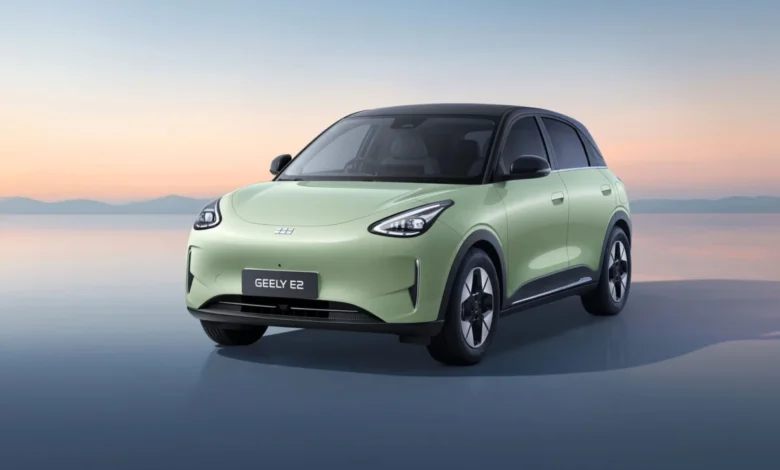
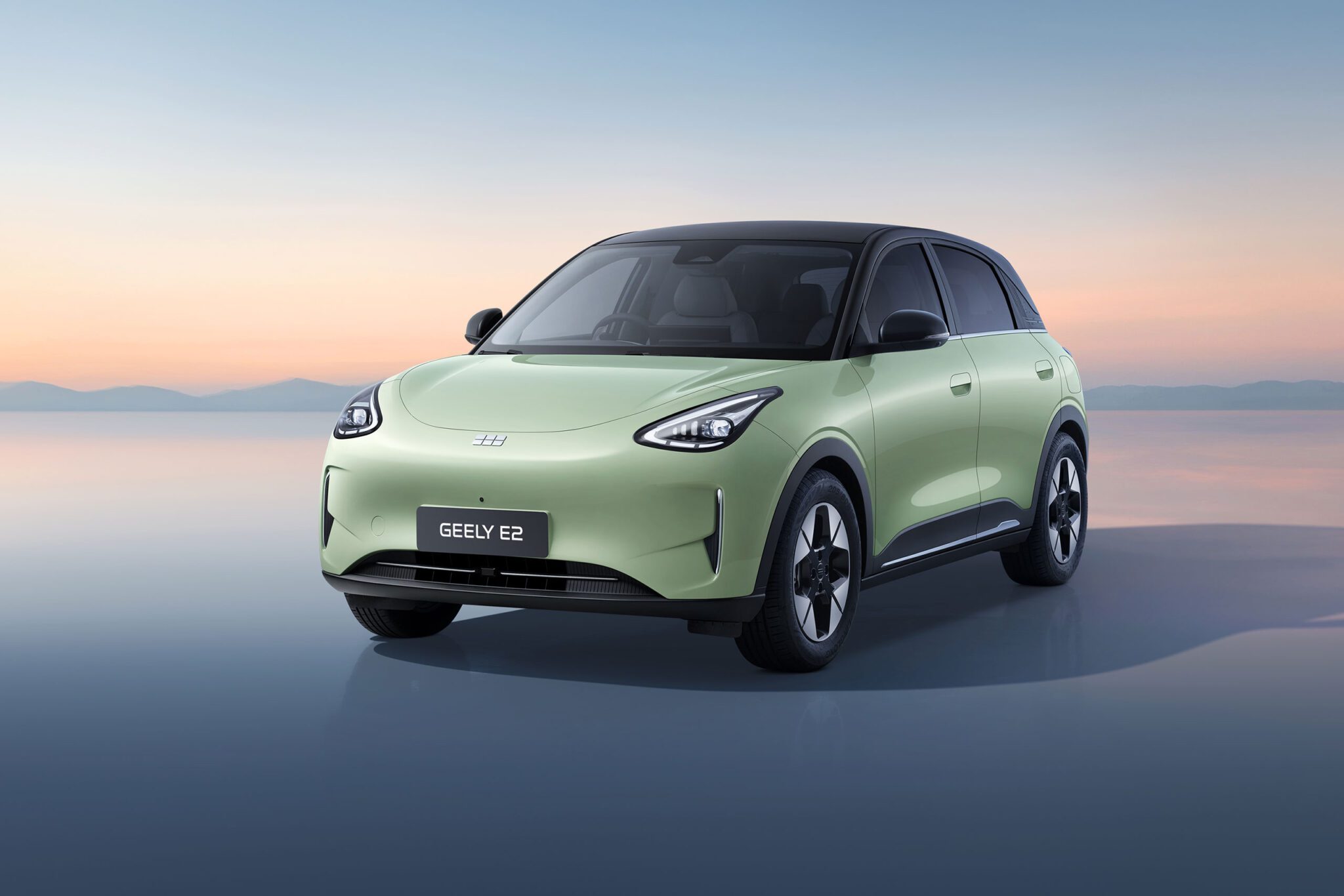
Geely Auto has officially expanded its footprint in the Southern African automotive landscape with the introduction of the Geely E2, a dedicated electric compact hatchback designed to lower the barrier of entry for electric vehicle (EV) ownership. The arrival of the E2 marks a significant pivot in the local market, where high import duties and limited infrastructure have historically kept electric mobility restricted to the premium luxury segments. By offering two distinct specification grades—the Aspire and the range-topping Apex—Geely is positioning itself as a primary challenger to internal combustion engine (ICE) dominance in the sub-R400,000 price bracket.
The entry-level Geely E2 Aspire is priced at R339,900 (approximately US$20,800), while the more comprehensively equipped Apex grade retails for R389,900 (US$23,900). These price points are strategically aligned to compete not only with other emerging electric models but also with popular B-segment petrol-powered hatchbacks. This pricing strategy reflects Geely’s broader global mission to democratize sustainable transport through vertical integration and shared platforms across its vast portfolio, which includes brands such as Volvo, Polestar, and Zeekr.
Technical Specifications and Drivetrain Performance
At the heart of the Geely E2 is a rear-wheel-drive electric motor that generates a peak output of 85kW and 150Nm of torque. While these figures are tailored for urban efficiency and commuting, the instantaneous torque delivery characteristic of electric motors ensures a responsive driving experience in stop-and-go traffic. The E2 utilizes a 39.4kWh lithium iron phosphate (LFP) battery pack. LFP chemistry is increasingly favored by manufacturers for entry-level and mid-range EVs due to its inherent thermal stability, safety profile, and longevity compared to nickel-manganese-cobalt (NMC) alternatives.
Under the Worldwide Harmonised Light Vehicles Test Procedure (WLTP), the E2 is rated for a maximum range of up to 325km on a single charge. For the average South African commuter, whose daily travel often falls under 60km, this range provides several days of mobility between charges. The vehicle’s efficiency is further bolstered by its dedicated EV platform, which avoids the packaging compromises often found in "multi-energy" platforms that must accommodate both fuel tanks and batteries.
Charging Capabilities and Vehicle-to-Load Technology
Recognizing that charging infrastructure remains a primary concern for South African motorists, Geely has equipped the E2 with competitive charging speeds. The vehicle supports DC fast charging at rates of up to 70kW. When connected to a compatible high-speed charger, the E2 can replenish its battery from 30% to 80% in approximately 25 minutes. This makes long-distance travel between major hubs like Johannesburg and Durban more feasible, provided the route is supported by the growing national charging network.
For home or office charging, the E2 features an on-board AC charger that can complete a 10% to 100% charge in roughly 6.5 hours, making it ideal for overnight replenishment via a standard wallbox. A standout feature across the entire E2 range is the inclusion of Vehicle-to-Load (V2L) capability. This technology allows the vehicle to act as a mobile power bank, discharging electricity from its high-voltage battery to power external appliances, electronics, or camping equipment. In the context of South Africa’s periodic grid instability and "loadshedding," V2L functionality adds a layer of practical utility that extends beyond transportation.
Interior Design, Utility, and Digital Ecosystem
The Geely E2 is built on a 2,650mm wheelbase, a dimension that prioritizes cabin roominess within a compact exterior footprint. The dedicated electric architecture allows for a flat floor, significantly increasing legroom for rear passengers compared to traditional hatchbacks. Utility is a core focus of the design, with a primary boot capacity of 375 litres. This can be expanded to a substantial 1,320 litres by folding the rear seats. Furthermore, the absence of a bulky internal combustion engine allows for a 70-litre "frunk" (front trunk), providing a dedicated space for charging cables and smaller items.
The cockpit is dominated by a 14.6-inch high-definition infotainment touchscreen that serves as the central hub for vehicle settings, media, and navigation. This is complemented by an 8.8-inch digital instrument cluster that provides the driver with essential data, including real-time energy consumption, remaining range, and driver assistance alerts.
The Apex grade elevates the interior experience with the addition of 16-inch alloy wheels and premium vegan leather upholstery. Technological enhancements on the Apex include a wireless smartphone charging pad and a 360-degree panoramic camera system. A notable feature of this camera system is the "transparent chassis" view, which uses software to stitch together camera feeds, allowing the driver to "see through" the car to avoid obstacles directly beneath the vehicle—a feature typically reserved for high-end SUVs.
Advanced Driver Assistance Systems (ADAS)
Safety is a critical pillar of the Geely E2 offering, particularly in the Apex trim. The range-topping model features a full Advanced Driver Assistance System (ADAS) suite, leveraging a combination of radar and camera sensors to monitor the vehicle’s surroundings. Key safety technologies included in the suite are:
- Adaptive Cruise Control (ACC): Automatically adjusts the vehicle’s speed to maintain a safe following distance from the car ahead.
- Automatic Emergency Braking (AEB): Detects potential collisions with vehicles or pedestrians and applies the brakes if the driver fails to react.
- Lane Departure Warning (LDW): Alerts the driver if the vehicle begins to drift out of its lane without a turn signal being activated.
These features are designed to reduce driver fatigue and mitigate the severity of accidents, bringing premium safety tech to the entry-level EV segment.
Market Context and Competitive Landscape
The launch of the Geely E2 comes at a time of transition for the South African automotive industry. Historically, the country has been slow to adopt electric vehicles due to the high "luxury tax" on imported EVs and a lack of local manufacturing incentives for New Energy Vehicles (NEVs). However, consumer interest is rising as fuel prices remain volatile and global manufacturers shift their focus away from ICE development.
Before the arrival of the E2, the most affordable EVs in South Africa were priced significantly higher, often hovering around the R700,000 mark. By breaking the R400,000 barrier, Geely is directly targeting the "sweet spot" of the South African car market. The E2 will compete for attention against the GWM Ora 03 and the BYD Atto 3, though its lower starting price gives it a distinct edge for budget-conscious buyers and fleet operators looking to green their operations.
Industry analysts suggest that the E2’s pricing could trigger a "price war" in the entry-level EV space, forcing other manufacturers to reconsider their local pricing structures or accelerate the introduction of their own affordable electric models.
Reliability and Aftersales Support
To address concerns regarding the long-term viability of EV batteries, Geely Auto South Africa has launched the E2 with a comprehensive eight-year or 200,000km battery warranty. This move is intended to reassure buyers about the durability of the LFP cells and the residual value of the vehicle over time.
Geely’s physical footprint in South Africa is also expanding rapidly. The company currently operates 32 dealerships across the country, providing nationwide sales and service support. Geely has confirmed plans to increase this number to 40 dealerships by the end of 2026, ensuring that customers in secondary cities and outlying areas have access to authorized maintenance and parts.
Broader Implications for the South African Economy
The introduction of affordable EVs like the Geely E2 has implications that reach beyond individual consumer choice. As South Africa grapples with its commitments to international climate agreements, the decarbonization of the transport sector is a priority. Increased adoption of EVs can help reduce the country’s reliance on imported refined petroleum and lower urban air pollution.
Furthermore, the success of models like the E2 could provide the necessary data and market proof for the South African government to adjust its policy framework. If demand for affordable EVs continues to grow, it may incentivize local assembly or component manufacturing, which would bolster the domestic automotive industry—a major contributor to the national GDP.
Conclusion and Future Outlook
The Geely E2 represents a calculated move by Geely Auto to capture the "early majority" of EV adopters in South Africa. By combining a dedicated electric platform, practical range, fast-charging capability, and a robust warranty with a highly competitive price tag, the E2 addresses the primary hurdles that have hindered EV adoption in the region.
As the charging infrastructure continues to expand through partnerships with private energy firms and the rollout of solar-powered charging hubs, the value proposition of the E2 is expected to strengthen. For now, the Geely E2 stands as a benchmark for affordability in the South African electric vehicle market, signaling a new chapter in the country’s journey toward sustainable mobility. With its blend of technology, safety, and value, the E2 is not just a new model; it is a statement of intent from one of the world’s fastest-growing automotive groups.