US Clean Energy Sector Sheds Nearly 37,000 Jobs in 2025, Ending Four Years of Consecutive Growth Amid Federal Policy Shifts

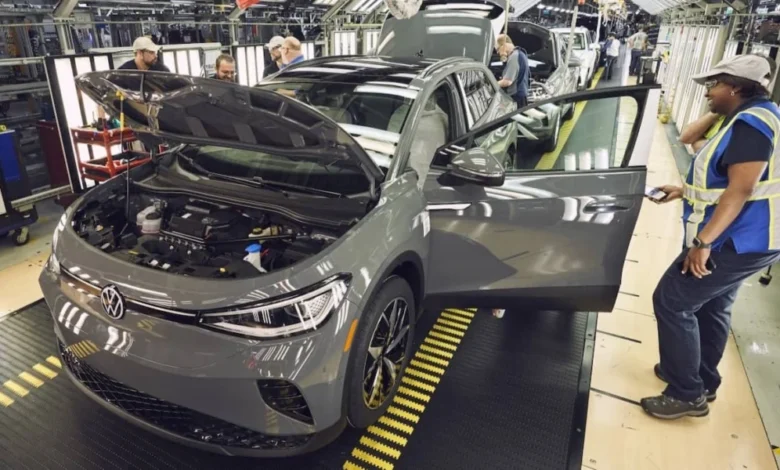
The United States clean energy sector experienced a significant contraction in 2025, shedding 36,949 jobs and abruptly halting a robust four-year period of sustained economic growth. According to a comprehensive analysis released by E2 (Environmental Entrepreneurs), which evaluated employment statistics sourced directly from the US Department of Energy (DOE), total clean energy employment dropped to 3.52 million workers. This downturn marks the first annual decline in green sector employment since the disruptions of the COVID-19 pandemic, wiping out approximately 40% of the massive job gains recorded during the previous year alone.
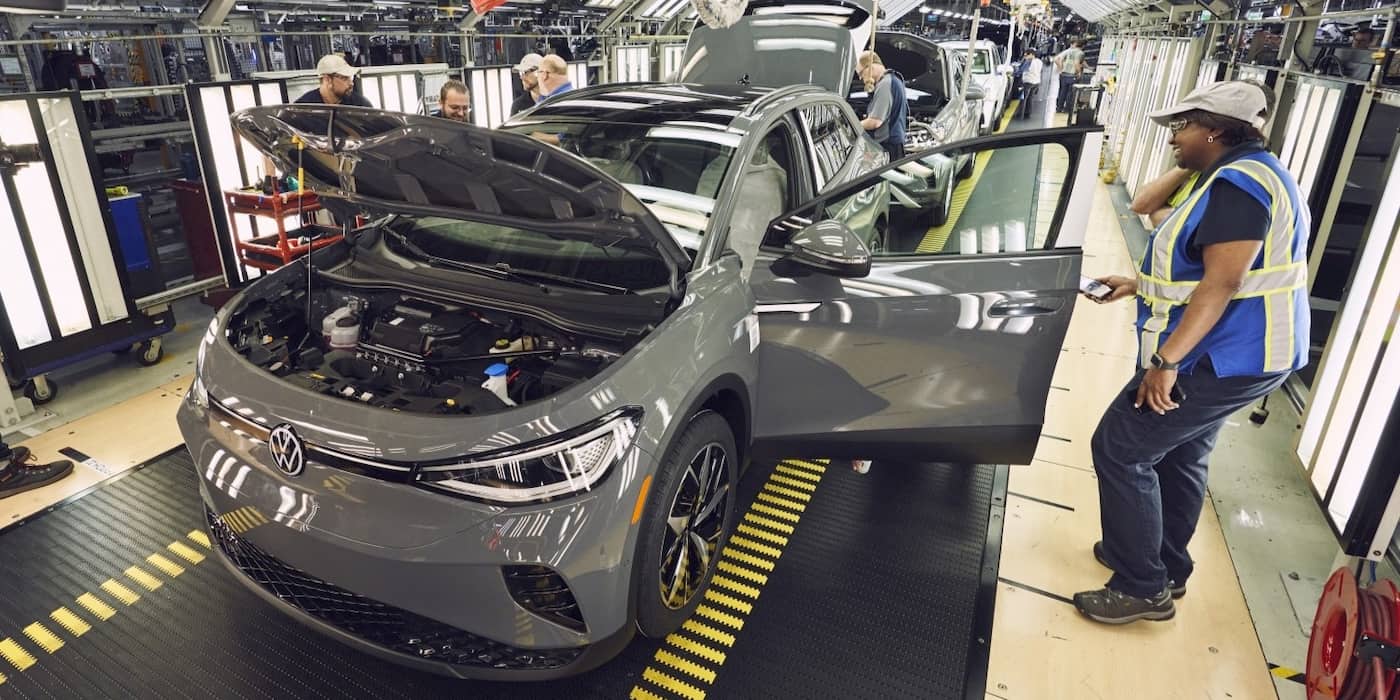
The contraction is widely attributed by analysts and industry advocates to sweeping shifts in federal governance. The implementation of policy rollbacks targeting clean energy and electric vehicle (EV) incentives by the Trump administration and the Republican-controlled Congress created an uncertain regulatory environment. Consequently, numerous private-sector corporations felt compelled to cancel, downsize, or indefinitely delay major manufacturing, generation, and infrastructure projects across the country.
The Scope of the Contraction: Geographic and Sectoral Breakdown
The economic fallout was not isolated to a single region, with employment losses rippling across 35 states. States that had previously served as epicenters for clean energy innovation and manufacturing bore the brunt of the downturn. California, a long-standing leader in green technology adoption and clean tech manufacturing, suffered the most severe blow, shedding nearly 21,000 clean energy jobs over the course of the year. Conversely, a handful of states managed to buck the trend; Florida, for instance, recorded a modest gain of approximately 3,800 clean energy positions, driven largely by localized solar installations and commercial resiliency projects.
From a sectoral standpoint, the downturn proved broad-based. Energy efficiency initiatives, traditional renewable energy generation (such as utility-scale wind and solar), and the electric vehicle supply chain all experienced net job losses. However, the picture was not entirely bleak across every sub-industry. Pockets of the green economy demonstrated resilience; battery storage technology, grid modernization initiatives, and the biofuels sector managed to eke out small employment gains, reflecting the critical, ongoing demand for grid stabilization and localized energy storage solutions amid an increasingly strained national power infrastructure.
Chronology of the Policy Shift and Project Cancellations
To understand the sudden reversal in the clean energy labor market, industry observers point to a distinct chronology of legislative and executive actions that began unfolding in early 2025.
Following the transition of power in Washington, the new administration swiftly prioritized the dismantling of key pillars of the previous administration’s climate legislation. Executive orders aimed at reviewing and curtailing federal loan programs, combined with congressional initiatives to repeal targeted tax credits for renewable energy deployment and electric vehicle purchases, sent immediate shockwaves through corporate boardrooms.
Throughout the first and second quarters of 2025, project developers faced mounting regulatory hurdles and financial unpredictability. E2’s specialized project tracker, which monitors industrial announcements across the country, recorded a staggering 142 clean energy manufacturing, generation, and storage projects that were either officially canceled or significantly downsized before the end of the calendar year. While labor economists note that employment datasets establish the macro-level reality of the workforce reduction, definitively tying every individual lost job to a specific executive order or legislative vote remains complex. Nevertheless, the temporal correlation between the policy reversals and the sudden wave of project cancellations remains unmistakable to market analysts.
Broader Energy Sector Context and Comparative Workforce Data
While clean energy absorbed a significant shock in 2025, it was not the sole segment of the broader US energy landscape to shed workers. According to the DOE data compiled in the preliminary E2 findings, the entire American energy industry lost an estimated 86,000 jobs over the course of the year.
Clean energy accounted for roughly 43% of this broader workforce decline. Despite this substantial pullback, the green economy retains its status as the largest employer within the American energy sector by a wide margin. More than 3.5 million workers remain employed in clean energy fields, underscoring the sector’s foundational role in the modern economy.

For comparative context, traditional fossil fuel and legacy energy sectors support notably smaller workforces on a national scale. The oil and gas industry employs approximately 958,000 workers nationwide, while the coal sector accounts for roughly 125,000 jobs. Nuclear energy generation accounts for an estimated 70,000 employees. Even with the 2025 contraction, clean energy outpaces the traditional fossil fuel workforce by a factor of nearly three to one, illustrating that structural shifts toward decarbonization over the past decade have fundamentally altered the nation’s employment demographics.
Reactions and Industry Perspectives
The release of E2’s preliminary data has ignited a fierce debate among policymakers, labor representatives, and industry executives regarding the future trajectory of American energy independence and manufacturing competitiveness.
Proponents of the recent federal policy shifts argue that rolling back government mandates and subsidies levels the playing field, reduces federal spending, and alleviates inflationary pressures on consumers by prioritizing traditional energy sources like oil, natural gas, and coal. Supporters of this approach contend that market forces, rather than government intervention, should dictate energy production and capital allocation.
On the other hand, clean energy advocates and industry leaders warn that retreating from federal support threatens American leadership in vital 21st-century industries, particularly as global competitors in Europe and Asia aggressively scale up their own green manufacturing capabilities. Business groups note that uncertainty surrounding tax credits and trade policies forces international capital to look elsewhere, potentially costing the United States long-term economic dominance in next-generation automotive, battery, and grid infrastructure markets.
Implications and Outlook for the Clean Economy
The preliminary figures released by E2 serve as an early warning indicator of how policy volatility can directly impact labor markets and industrial planning. As renewable energy costs have fallen dramatically over the past decade, market demand has remained a powerful driver; however, high-capital manufacturing and large-scale grid transformation projects remain deeply sensitive to fiscal certainty and regulatory stability.

Looking ahead, industry stakeholders are awaiting the publication of E2’s exhaustive Clean Jobs America 2026 report, scheduled for release in October. That comprehensive study is expected to provide granular, county-by-county and state-by-state breakdowns, offering a clearer picture of which specific sub-sectors and geographic regions absorbed the heaviest impacts.
Simultaneously, independent economic forecasts—such as recent data from the US Energy Information Administration (EIA)—suggest that underlying market demand for grid decarbonization remains potent. The EIA projects that utility companies and developers will attempt to bring online substantial new gigawatts of renewable and storage capacity over the coming year, driven by regional corporate commitments and state-level renewable portfolio standards. Whether these commercial tailwinds will be sufficient to reverse the 2025 job losses and return the clean energy sector to its previous trajectory of rapid expansion remains one of the most critical economic questions facing the American energy landscape.
Related posts: