Lawmakers Urge Trump Administration to Halt New Customs Rule Threatening Access to International Prescription Drugs

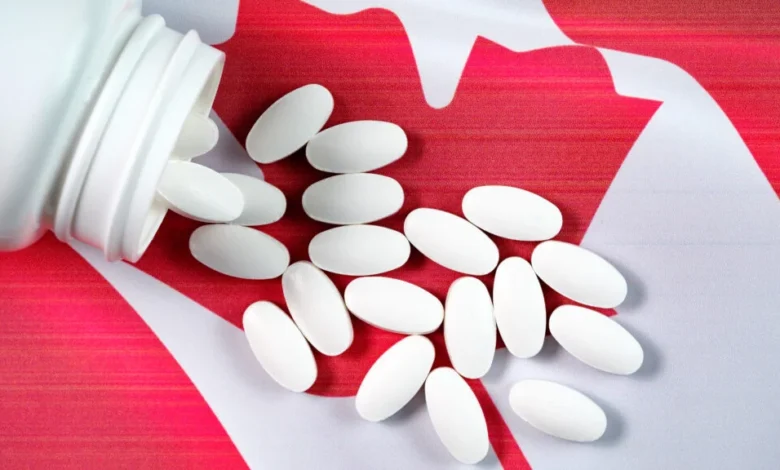
A mounting bipartisan coalition of congressional representatives is pressuring the Trump administration to rescind a controversial federal regulation set to take effect next month, arguing that the measure will effectively dismantle the ability of American patients to procure affordable, life-saving medications from licensed international pharmacies. The rule, finalized in June 2026, imposes stringent new customs requirements on mail-order shipments of prescription drugs, creating a logistical and financial barrier that critics warn will leave thousands of vulnerable patients without access to essential treatments.
At the center of the dispute is the "Indefinite Suspension of the De Minimis Exemption for Mail Shipments and New Postal Informal Entry," a policy shift that mandates that any medication entering the United States via international mail must undergo a formal customs entry process. This process requires the appointment of a licensed customs broker and the procurement of an entry bond—a financial guarantee that ensures the payment of potential duties and compliance with federal regulations. For the individual patient, these requirements transform a straightforward delivery into a complex, costly, and time-consuming bureaucratic ordeal.
The Evolution of Personal Importation: A Two-Decade Struggle
The practice of importing medications for personal use has long occupied a gray area in U.S. federal law. While the Food and Drug Administration (FDA) has historically maintained that importing unapproved drugs—even those manufactured by the same pharmaceutical giants that supply the U.S. market—is technically illegal under the Federal Food, Drug, and Cosmetic Act, enforcement has been characterized by "enforcement discretion." For decades, federal authorities have generally looked the other way when individuals purchased smaller quantities of maintenance medications from reputable, licensed pharmacies in Canada, the United Kingdom, or other nations with robust regulatory standards.
The origins of this practice date back to the early 2000s, a period marked by a rapid escalation in domestic prescription drug pricing. As Americans faced skyrocketing costs for insulin, cardiovascular medication, and oncology treatments, a grassroots movement emerged. Thousands of patients began traveling across the northern border, with organized bus trips to Canadian pharmacies becoming a symbol of the domestic healthcare affordability crisis.
Despite the persistent efforts of the pharmaceutical lobby to curtail these imports on the grounds of safety and supply chain integrity, the practice became a lifeline for the uninsured and underinsured. By the mid-2010s, online international pharmacy portals had streamlined the process, allowing patients to bypass the "bus trip" and receive maintenance drugs at a fraction of the U.S. list price. The new rule represents a significant tightening of this informal pipeline, signaling a pivot toward strict enforcement that effectively criminalizes or renders impossible the actions of those seeking lower-cost alternatives.
Analyzing the Regulatory Shift
The new regulation centers on the removal of the "de minimis" exemption for certain postal shipments. Historically, low-value packages could enter the U.S. with minimal customs scrutiny. By suspending this exemption for prescription drugs, the administration is forcing these shipments into the formal "informal entry" process.

Industry analysts suggest that the primary impact will not be safety—as many of the pharmacies involved operate under strict licensure in their home countries—but rather the prohibitive cost of compliance. A licensed customs broker can charge anywhere from $50 to $200 per shipment for their services, not including the potential cost of an entry bond. When applied to a monthly prescription that may only cost $40 or $60, these fees effectively double or triple the price of the medication, rendering the international purchase irrational for the consumer.
Economic and Healthcare Implications
The broader implications of this policy change are significant. Advocates for patients argue that the administration is prioritizing the protection of domestic drug pricing models over the financial well-being of its citizens.
Data from the Kaiser Family Foundation and other health policy research groups consistently show that one in four Americans reports difficulty affording their prescription medications. By restricting access to international markets, the new rule removes a "safety valve" that has helped keep thousands of families afloat during periods of economic volatility.
Furthermore, the timing of the rule—arriving during a period of sustained inflation and high medical costs—has drawn sharp criticism from consumer advocacy groups. These organizations contend that while the government cites "safety and security" as the primary motivation for the rule, the actual effect is to insulate domestic pharmaceutical manufacturers from price competition.
Congressional and Industry Reactions
Lawmakers leading the charge against the rule, including members from both sides of the aisle, have sent a series of letters to the Department of Homeland Security and the Department of Health and Human Services. They argue that the rule was implemented without sufficient public comment regarding its impact on patient access.
"We are creating a situation where patients who have successfully managed chronic conditions for years using reliable, safe international sources are suddenly forced to choose between paying exorbitant U.S. prices or going without," stated one representative during a recent subcommittee hearing.
Conversely, trade groups representing the domestic pharmaceutical industry have maintained a stance of cautious support for the administration’s actions. Their arguments typically emphasize the risks of counterfeit drugs entering the supply chain and the necessity of maintaining a "closed-loop" system where all medications are subject to the oversight of the FDA. They argue that international pharmacies, while often legitimate, create an environment where bad actors can hide, potentially exposing consumers to substandard or tainted products.

However, critics of the pharmaceutical industry point out that these same manufacturers often sell the exact same medications—manufactured in the same facilities, under the same quality controls—for significantly lower prices in global markets. The disparity in pricing, they argue, is a result of market dynamics and patent protection strategies, not a result of differing safety standards.
The Road Ahead: Potential Legal and Administrative Challenges
As the implementation date looms, legal experts suggest that the administration may face challenges in court. Potential litigants could argue that the agency acted "arbitrarily and capriciously" in its rulemaking process by failing to adequately weigh the negative impact on patient health against the asserted regulatory benefits.
Moreover, if the administration remains unmoved by congressional pressure, there is a possibility that legislative action could be introduced to carve out a permanent exemption for personal-use imports. However, in a polarized political climate, passing such legislation remains a formidable hurdle.
For now, patients who rely on international pharmacies are left in a state of uncertainty. Many are being advised to consult with their physicians about potential domestic alternatives, though such advice is often limited by the lack of lower-cost options within the current U.S. framework.
Conclusion
The impending rule represents a fundamental clash between the mandates of border security and the realities of a globalized, unaffordable pharmaceutical market. As the federal government moves to tighten its control over the flow of goods across its borders, it is inadvertently placing the burden of drug pricing policies on the backs of its most vulnerable citizens. Whether the administration chooses to grant a stay on the implementation of the rule or proceeds with full enforcement remains the primary focus of patient advocates, who maintain that for many, this is not merely a policy dispute, but a matter of health and survival.
The coming weeks will likely see an intensification of the lobbying efforts on Capitol Hill as the deadline approaches. With the lives and finances of thousands of Americans potentially hanging in the balance, the outcome of this struggle will serve as a bellwether for the administration’s approach to the ongoing, high-stakes battle over prescription drug affordability.