15 Boutique-Inspired Amazon Sweaters That Offer High-End Aesthetics on a Budget

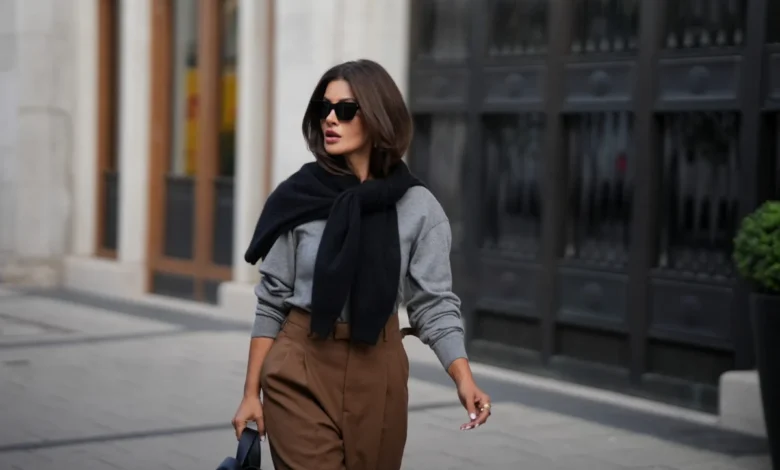
The intersection of luxury aesthetics and accessible retail has become a defining characteristic of the modern fashion landscape. As consumer preferences shift toward "quiet luxury"—a trend prioritizing minimalist, high-quality silhouettes over overt branding—retailers are increasingly adapting their inventories to meet this demand at various price points. A recent surge in curated collections on platforms like Amazon reflects this shift, with data indicating that budget-conscious shoppers are successfully sourcing high-end looks through strategic selection.
The Evolution of Accessible Fashion
Historically, the gap between boutique-level knitwear and mass-market sweaters was defined by both material composition and design complexity. Designer knitwear often utilizes premium fibers such as cashmere, merino wool, or silk blends, paired with intricate construction techniques like fully-fashioned knitting. However, contemporary manufacturing has allowed for the replication of these high-end design elements—such as scalloped edges, cable-knit textures, and sophisticated hardware—at significantly lower costs.
Industry analysts observe that the "boutique-inspired" movement on e-commerce platforms is not merely about imitation but about democratizing style. By focusing on specific visual cues—such as ribbed cuffs, polo collars, and delicate embroidery—consumers can curate a wardrobe that mimics the aesthetic of luxury fashion houses without the prohibitive triple-digit price tags.
Curated Selection: Analyzing Key Styles
Market research suggests that specific knitwear styles currently dominate the "elevated" fashion sector. Below is an examination of 15 styles that are currently driving consumer interest due to their design versatility and visual appeal.
Classic Silhouettes and Neutral Palettes
The foundation of a refined wardrobe often begins with a classic crewneck. The modern iteration of this staple focuses on lightweight, breathable fabrics that facilitate layering. Quiet luxury, characterized by muted tones like almond, cream, and camel, remains the most sought-after palette for its timelessness.
Architectural and Decorative Details
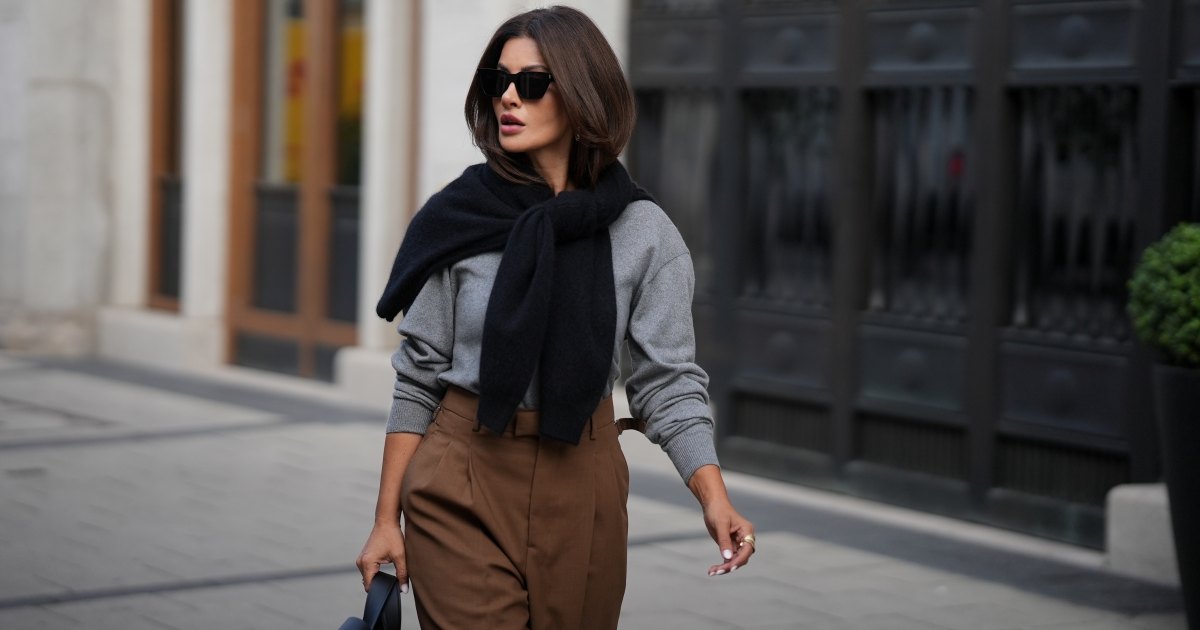
Designers are increasingly utilizing hardware and texture to add value to basic pullovers. Features such as gold-toned buttons, which offer a nod to nautical or heritage-inspired aesthetics, serve to elevate the garment’s visual profile. Similarly, embroidery and lace-trim detailing are being employed to bridge the gap between casual wear and evening attire.
The Role of Texture and Structure
Texture remains a primary indicator of quality in the eyes of the consumer. Cable-knit pullovers, particularly those featuring quarter-zip designs, offer both structural integrity and a traditional, preppy aesthetic. Furthermore, innovations in knit patterns, such as crochet-inspired weaves or wide-ribbed waistbands, provide functional benefits, such as enhanced silhouette definition and temperature regulation for transitional weather.
Market Context and Consumer Behavior
The rise of these accessible alternatives arrives at a time when inflationary pressures have altered consumer spending habits. Recent retail reports highlight that while shoppers are tightening their budgets, they are unwilling to abandon the desire for a sophisticated appearance. Consequently, there is a clear trend toward "smart shopping," where consumers leverage digital tools to identify pieces that offer the highest aesthetic return on investment.
Data from the third quarter of 2026 suggests that search volume for "boutique-style sweaters" has increased by approximately 22% compared to the previous year. This growth is largely attributed to social media influence and the ease of comparing high-end designer pieces with their more affordable counterparts.
Strategic Layering and Wardrobe Versatility
A significant portion of the current market focus is on versatility. Consumers are prioritizing garments that can transition between professional office environments and casual social settings. The "polo sweater," for example, has become a staple for this reason; its collared neckline provides a formal touch that integrates well with structured blazers or trousers, while the underlying knit remains comfortable enough for extended wear.
Similarly, the emergence of the "capelet" or layered-look sweater addresses the consumer need for dynamic styling without the bulk of traditional layering. By incorporating built-in design features that mimic the appearance of multiple garments, these pieces offer a streamlined look that aligns with current minimalism trends.
The Broader Economic Impact on Retail
The success of these boutique-inspired collections has forced a recalibration within the broader apparel industry. Traditional luxury brands are increasingly facing pressure to justify their premium pricing, while mid-market retailers are being forced to innovate in design to remain competitive.
Experts note that this trend is likely to persist as long as digital marketplaces continue to refine their recommendation algorithms, which connect consumers with items that align with their stylistic preferences. The implication for the future of fashion is clear: the divide between luxury and affordability is narrowing, driven by a consumer base that is more informed and design-literate than ever before.
Conclusion and Future Outlook
As we look toward the remainder of the autumn season, the focus on high-quality, boutique-inspired knitwear shows no signs of waning. The ability to source garments that feature thoughtful details—such as scalloped necklines, intricate floral embroidery, and strategic hardware—proves that style is increasingly defined by selection rather than expenditure.
Retailers are expected to continue expanding these collections, likely incorporating more sustainable, low-impact materials to satisfy a growing segment of environmentally conscious consumers. For the average shopper, the current landscape represents a unique opportunity to curate a high-end wardrobe that reflects personal taste while adhering to a defined budget. By focusing on essential silhouettes and timeless details, the modern consumer can effectively navigate the complexities of contemporary fashion, ensuring that their collection remains both current and enduring.
As inventory fluctuates, particularly during seasonal sales events, the importance of timely purchasing remains a factor. However, the core takeaway remains that the "expensive look" is no longer a privilege of the elite, but a reachable goal for any consumer who understands the nuances of style, texture, and silhouette.