Godzilla Minus Zero Trailer Unleashed at CinemaCon, Promising a Bigger, More Devastating Kaiju Threat

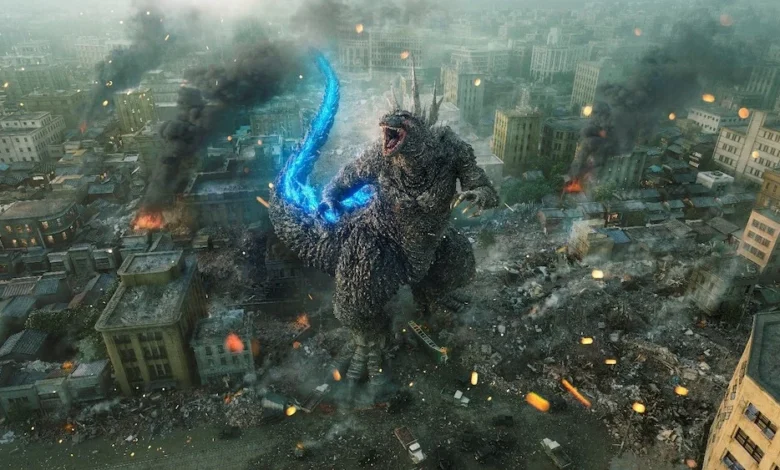
Las Vegas, NV – The King of the Monsters has landed in Sin City, not to wreak havoc on the Strip, but to electrify attendees at CinemaCon, the premier global convention for movie theater owners. Toho’s highly anticipated sequel, Godzilla Minus Zero, made its grand debut with the unveiling of its first trailer, offering a tantalizing glimpse into the next chapter of the iconic kaiju’s saga. The screening, held at Caesars Palace, provided a powerful first look at what promises to be an even grander and more destructive iteration of the beloved franchise.
A Direct Sequel to a Global Phenomenon
Godzilla Minus Zero is not merely another installment; it is a direct continuation of the narrative established in the critically acclaimed 2023 Japanese film, Godzilla Minus One. That film defied expectations, becoming an international sensation and achieving a historic win at the Academy Awards for Best Visual Effects. The success of Minus One not only solidified Godzilla’s enduring global appeal but also demonstrated the potent storytelling capabilities within the Japanese film industry.
The CinemaCon presentation offered more than just a trailer. Attendees were treated to an exclusive behind-the-scenes sizzle reel, a meticulously crafted montage that showcased the immense scale of production. This immersive preview highlighted the elaborate sets and props meticulously constructed for Minus Zero, including imposing bomber jets, meticulously detailed ruined cityscapes, and even a miniature Godzilla model that underscored the dedication to practical and visual artistry.
Director Takashi Yamazaki, the visionary behind the Oscar-winning Minus One, revealed that Minus Zero picks up two years after the devastating events of its predecessor. The narrative will continue to follow the harrowing experiences of the survivors grappling with the aftermath of Godzilla’s last catastrophic attack. The trailer’s climactic moments dramatically underscored the escalating threat, with Godzilla making a terrifying march towards the Statue of Liberty, its colossal shadow looming over New York City, signaling a new, even more ambitious scale of destruction.
A Franchise Reinvigorated
The Godzilla franchise, a cornerstone of cinematic history, has a storied legacy. Godzilla Minus One marked the 37th film in the sprawling series and the 33rd produced by Toho, the venerable Japanese entertainment company that birthed the colossal, reptilian titan bent on global devastation. The return of writer and director Takashi Yamazaki for Minus Zero signals a commitment to the artistic vision that resonated so deeply with audiences worldwide.
Crucially, Godzilla Minus Zero boasts a significantly larger budget than its predecessor. Godzilla Minus One was remarkably produced on an economical budget of approximately $15 million, a figure that underscores the film’s impressive return on investment and the studio’s fiscal prudence. The worldwide box office success of Minus One, grossing an impressive $116 million, not only cemented its status as the highest-grossing Japanese Godzilla film of all time but also propelled it to become the third-largest film release in Japan for 2023. The production of Minus Zero also achieved another significant milestone: it was filmed for IMAX, a first for a Japanese film, promising an unparalleled visual and auditory experience for viewers.
A Stellar Cast and Oscar-Winning Legacy
The cast of Godzilla Minus One featured a compelling ensemble, including Ryunosuke Kamiki as Kōichi Shikishima, a former kamikaze pilot who survives the war and must later confront Godzilla, and Minami Hamabe as Noriko Ōishi. Other notable cast members included Munetaka Aoki and Hidetaka Yoshioka. Their performances were instrumental in grounding the fantastical narrative in relatable human drama, a key factor in the film’s critical and commercial success.
The impact of Godzilla Minus One extended far beyond box office numbers. At the 96th Academy Awards in 2024, the film achieved a historic feat by becoming the first non-English language film to win the Oscar for Best Visual Effects. This monumental victory saw it triumph over formidable Hollywood blockbusters, including Marvel Studios’ Guardians of the Galaxy Vol. 3, Gareth Edwards’ The Creator, Ridley Scott’s Napoleon, and Christopher McQuarrie’s Mission: Impossible – Dead Reckoning Part One. This recognition not only celebrated the exceptional craftsmanship of the Minus One VFX team but also signaled a broader acceptance and appreciation for international cinematic achievements on the global stage.
Release Dates and Broader Kaiju Landscape
Godzilla Minus Zero is slated for a strategic staggered release. It is scheduled to premiere in the United States on November 6th, 2024, and in Japan on November 3rd, 2024. This dual release strategy aims to capitalize on the built-in audience for the franchise in both key markets.
The unveiling of Minus Zero also comes at a time when Hollywood is actively engaging with the kaiju genre. Next year will see the release of Godzilla x Kong: Supernova, the sixth film in Legendary Pictures and Warner Bros. Pictures’ expansive Monsterverse franchise. This upcoming installment is a direct sequel to the 2024 crossover event, Godzilla x Kong: The New Empire, indicating a robust and multi-faceted approach to the Godzilla cinematic universe, with both Toho’s revered traditions and Hollywood’s blockbuster sensibilities coexisting and potentially influencing one another.
The Significance of CinemaCon and the Future of Exhibition
CinemaCon serves as a crucial platform for studios to connect directly with exhibitors, providing them with exclusive previews of upcoming films and insights into marketing strategies. For a film like Godzilla Minus Zero, which carries the weight of a critically acclaimed predecessor and the immense legacy of its titular character, the CinemaCon reveal is a vital step in building anticipation and securing theatrical distribution commitments.
The event underscores the symbiotic relationship between content creators and the exhibition industry. By showcasing the impressive visual fidelity and narrative ambition of Minus Zero, Toho aims to reinforce the value proposition of the big-screen experience, especially for event films of this magnitude. The fact that Minus Zero was filmed for IMAX further emphasizes the industry’s continued investment in premium formats that drive ticket sales and enhance audience engagement.
The success of Godzilla Minus One on a modest budget has provided a compelling case study for the industry, demonstrating that compelling storytelling and innovative visual effects can transcend budgetary constraints and achieve global resonance. This has undoubtedly influenced the production and marketing strategies for Minus Zero, which, while benefiting from a larger budget, still aims to deliver exceptional value and spectacle.
Analysis and Broader Implications
The announcement of Godzilla Minus Zero and its trailer reveal at CinemaCon signifies several key trends in the global film industry. Firstly, it highlights the increasing internationalization of cinema, with Japanese productions like Minus One achieving unprecedented success and recognition on the world stage. The Academy Award win, in particular, has opened doors and fostered greater respect for non-English language films.
Secondly, the Godzilla franchise, under Toho’s stewardship, continues to prove its adaptability and enduring appeal across generations and cultural boundaries. By returning to the core narrative elements that made Minus One so successful – a focus on human drama, post-war anxieties, and a truly terrifying, destructive kaiju – Minus Zero appears poised to capture the same magic.
Thirdly, the strategic positioning of Minus Zero alongside Hollywood’s Monsterverse films suggests a potential for greater synergy or at least a heightened awareness of the broader kaiju landscape. While distinct universes, the parallel releases can collectively invigorate interest in giant monster films, drawing in a wider audience.
The promise of a larger budget for Minus Zero suggests that Toho is committed to delivering an even more visually stunning and impactful spectacle. The decision to film in IMAX further signals an intent to maximize the theatrical experience, a crucial factor in today’s competitive entertainment market. The film’s success will not only be measured by its box office performance but also by its ability to uphold the artistic integrity and thematic depth that distinguished its predecessor, further solidifying Godzilla’s status as a cinematic icon for the 21st century. The anticipation for Godzilla Minus Zero is palpable, and its unveiling at CinemaCon has only amplified the excitement for what is sure to be another monumental chapter in the saga of the King of the Monsters.