Oldest male orca on record may have been identified thanks to historical atomic bomb testing

The Radiocarbon Clock in Marine Teeth
For decades, determining the precise age of long-lived marine mammals like orcas (Orcinus orca) and sperm whales (Physeter macrocephalus) has been a formidable challenge for scientists. Traditional methods, such as counting growth rings in teeth—similar to dendrochronology in trees—often proved difficult due to the wear and tear these animals experience throughout their lives. However, a new study has leveraged a "radiocarbon clock" created by human activity: the era of atmospheric nuclear testing.
Between the mid-1940s and the early 1960s, the United States, the Soviet Union, and other nations conducted numerous atmospheric nuclear tests. These detonations released significant quantities of radioactive isotopes, including carbon-14, into the atmosphere. This carbon-14 was absorbed by marine life through the food chain, becoming incorporated into the calcium carbonate and dentine structures of whale teeth. Because this spike in atmospheric carbon-14 is well-documented, it provides a precise chronological marker. By measuring the concentration of these isotopes in the layers of a whale’s tooth, researchers can determine the exact year that layer was formed, effectively allowing them to "date" the animal’s life history with unprecedented accuracy.
Chronology of the Discovery
The findings stem from an extensive analysis of carcasses washed ashore in Scotland over several decades. The Scottish Marine Animal Stranding Scheme (SMASS), which monitors marine health in the region, provided the biological samples necessary for this investigation.
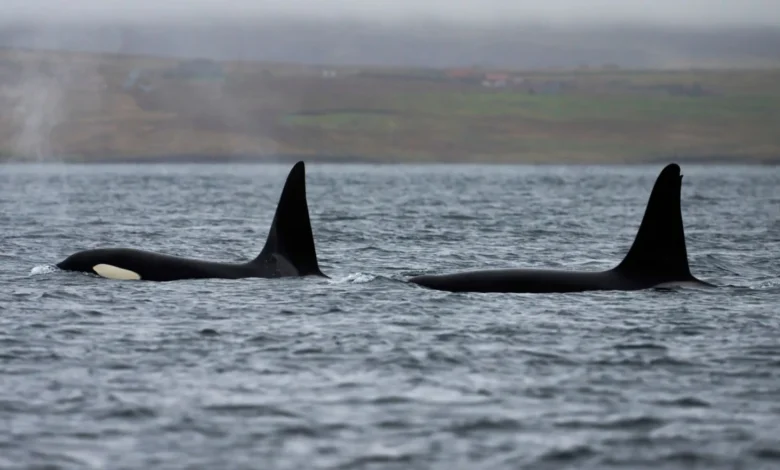
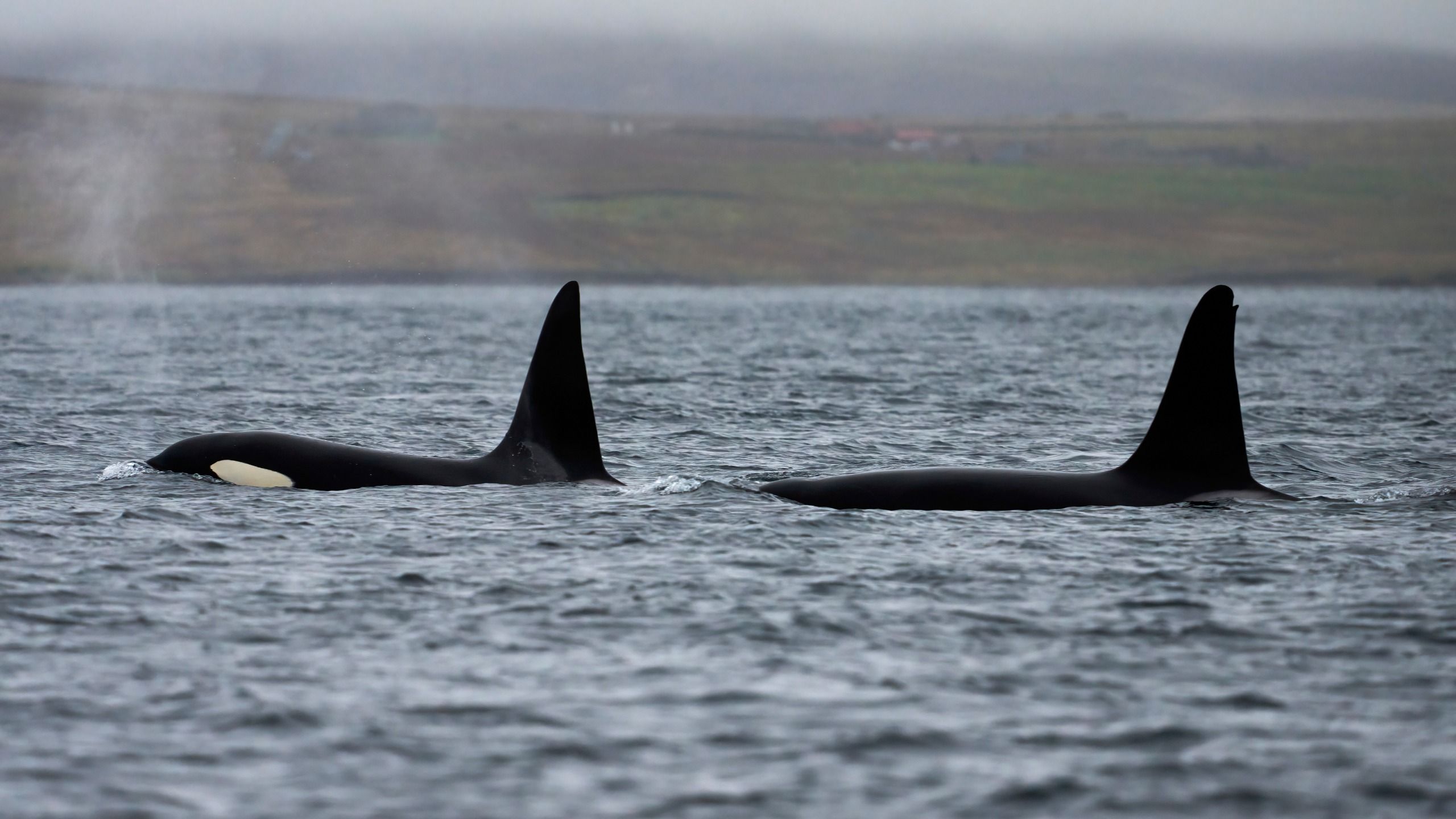
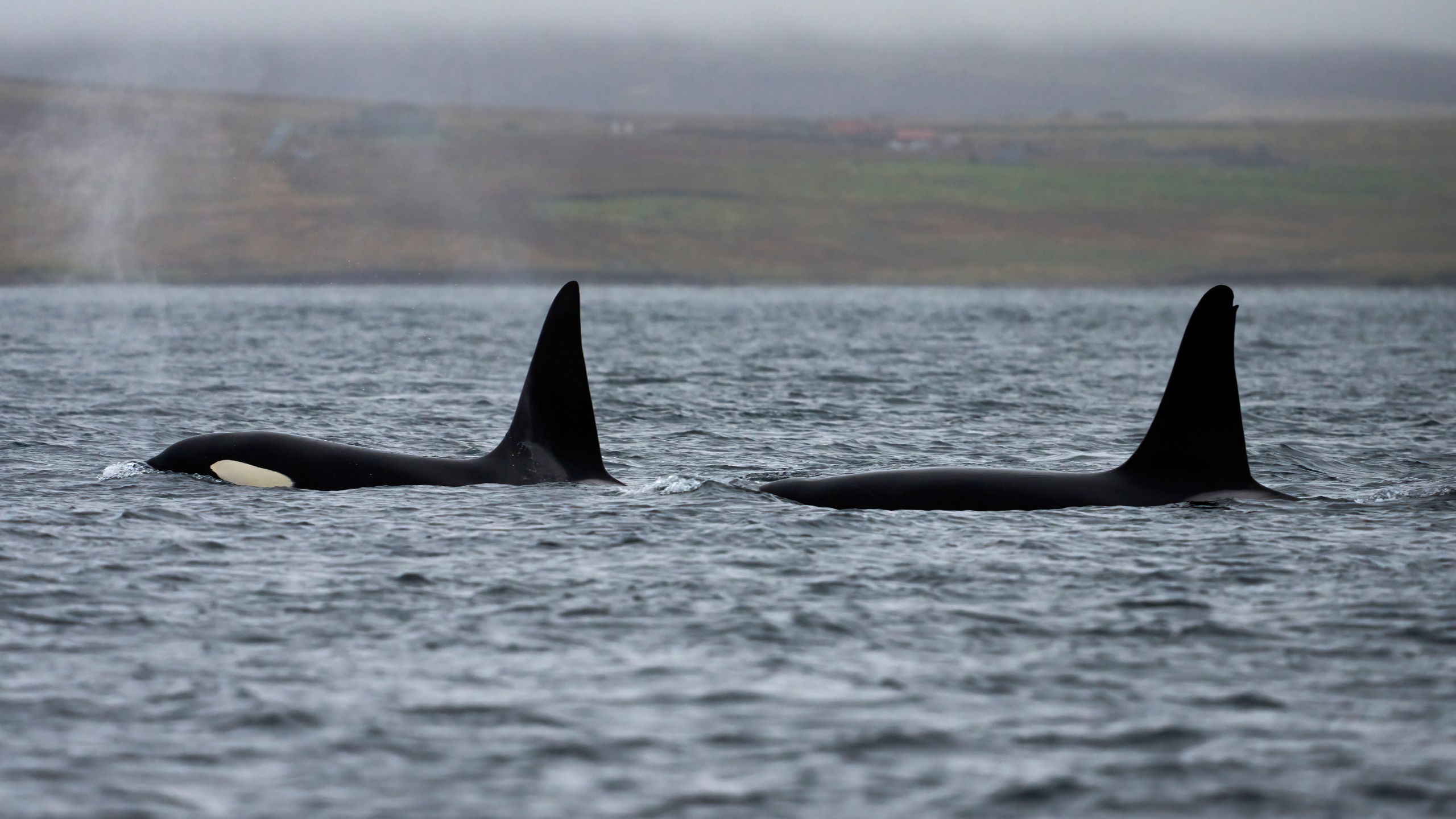
The research team analyzed dentine samples from several stranded individuals. Among the most significant findings was the identification of a male orca whose age profile suggests he may have been the oldest of his kind ever documented. While previous estimates for male orca lifespans often capped out at around 50 to 60 years, this individual’s biological record, etched in the carbon-14 levels of his teeth, pushed these boundaries significantly further, suggesting he lived well into his later years, potentially exceeding the previously accepted biological norms for the species.
This discovery is not merely a statistical curiosity; it represents a fundamental shift in our understanding of male orca social structure and survival strategies. In many orca populations, females are known for their post-reproductive longevity—a phenomenon known as menopause, which is extremely rare in the animal kingdom. Male orcas, however, are typically thought to have shorter lifespans than their female counterparts. The identification of an exceptionally old male suggests that, under the right conditions, males can and do survive much longer than previously thought, potentially playing a greater role in the social stability and knowledge transfer of their pods.
Supporting Data and Biological Context
To understand the scale of this research, it is essential to look at the broader context of whale longevity. Orcas are apex predators with complex social structures, highly developed communication, and matrilineal pod structures. In the Pacific Northwest, for example, the life history of "Southern Resident" orcas has been studied for decades. Females in these pods can live into their 80s or 90s, while males are often thought to reach their physiological limit around age 50 or 60.
The use of nuclear-era isotopes to calibrate these ages relies on the "bomb pulse." When the Limited Test Ban Treaty was signed in 1963, atmospheric testing largely ceased, leading to a steady decline in atmospheric radiocarbon levels. Scientists use the specific ratios of carbon-14 to carbon-12 to map the whale’s growth year-by-year. This method has been used previously to date whale sharks and other long-lived marine species, but applying it to the stranded populations in the North Atlantic offers a rare window into the demographics of these elusive animals.
The implications for conservation are profound. If orcas are capable of living longer than previously estimated, their life cycles, reproductive rates, and vulnerability to environmental stressors—such as chemical pollution and noise interference—must be re-evaluated.
Broader Impact and Scientific Implications
The study highlights the unintended consequences of human activity. The very pollutants that once threatened global stability have become a tool for understanding the natural world. This irony is not lost on the scientific community, which increasingly uses "anthropogenic markers" to study environmental history.
However, the findings also raise questions about the health of the North Atlantic orca populations. The whales analyzed were part of the strandings recorded by the SMASS, which investigates the causes of death for thousands of marine animals. By examining the teeth of these stranded individuals, researchers are not just learning about age; they are also uncovering information about the whales’ exposure to toxins, their diet, and their migratory patterns.
For the Scottish coast, these findings underscore the importance of the region as a habitat for highly mobile, apex predators. The North Atlantic hosts various orca "ecotypes," each with different social behaviors and hunting preferences. Understanding their age structure is a vital component of population modeling. If a significant proportion of the population consists of older, experienced individuals, the stability of these pods is likely much higher than if the population were composed entirely of younger, less experienced members.
Official Responses and Future Research
While individual scientists have expressed caution regarding the limitations of sample sizes, the consensus within the marine mammal research community is that the application of radiocarbon dating to tooth dentine represents a "gold standard" for accuracy.
Organizations like the Scottish Marine Animal Stranding Scheme have emphasized that these studies are only possible through the consistent, long-term collection of data. The process of necropsying a stranded whale is labor-intensive and requires significant resources. However, the data gathered from these "biological archives" provides insights that cannot be replicated through observation alone.
Moving forward, the research team intends to apply this technique to a broader set of samples from various locations in the North Atlantic. The goal is to create a more comprehensive map of age-at-death distributions. By comparing these figures with historical environmental data, scientists hope to determine if lifespan is influenced by external factors such as fluctuating prey availability or increasing ocean temperatures.
Conclusion: The Legacy of a Sentinel Species
The potential identification of the oldest male orca is a testament to the resilience of these animals and the complexity of their lives. It serves as a reminder that the ocean remains a vast, largely mysterious environment where the records we hold are constantly being challenged by new evidence.
As climate change continues to alter marine ecosystems, the role of older, "matriarchal" or "patriarchal" figures in these pods becomes increasingly critical. They act as repositories of ecological knowledge—knowing where to find prey in times of scarcity and how to navigate changing currents. The fact that an individual can live for so long suggests that they have survived multiple shifts in their environment, providing a link between the past and the present.
The intersection of nuclear physics and marine biology, as evidenced by this study, demonstrates the necessity of interdisciplinary collaboration. By looking at the past through the lens of human-made isotopes, we are gaining a clearer picture of the animals that share our planet, ensuring that we can better protect these sentinels of the deep for generations to come. The record of the oldest male orca is more than just a number; it is a vital data point in the ongoing story of marine conservation, illustrating the long-term impacts of our species on the natural world and the surprising endurance of life in the face of anthropogenic change.
Related posts: