Matthew Lillard Expresses Regret Over Returning to the Scream Franchise Following the Controversial Dismissal of Melissa Barrera

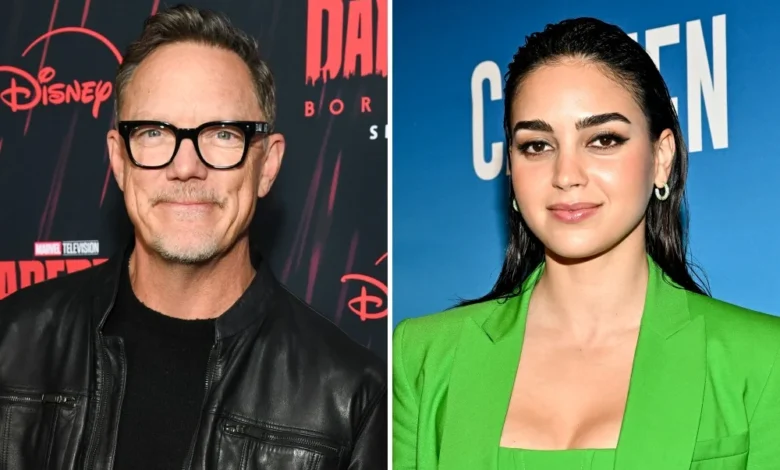
The intersection of Hollywood commerce and geopolitical activism has once again brought the long-running Scream horror franchise under intense public scrutiny. Matthew Lillard, a foundational figure in the slasher series known for his portrayal of Stu Macher in the 1996 original, has publicly expressed profound personal regret regarding his participation in the latest installment of the franchise. His comments, delivered during a retrospective screening marking the 30th anniversary of the original film, highlight the ongoing tension between creative legacy and the political stances taken by talent within the industry.
Lillard’s admission of feeling "ashamed" for his return to the screen centers on the 2023 dismissal of actress Melissa Barrera. Barrera, who had emerged as the lead protagonist of the franchise’s modern revival, was terminated by Spyglass Media Group following a series of social media posts in which she criticized the Israeli government’s military actions in Gaza.
A Chronology of the Controversy
The friction within the Scream production ecosystem began in October 2023, shortly after the onset of the Israel-Hamas war. Melissa Barrera, who played the character Sam Carpenter in the fifth and sixth installments of the series, utilized her Instagram platform to post content that described the situation in Gaza as "genocide and ethnic cleansing."
On November 21, 2023, Spyglass Media Group—the production house responsible for the franchise—issued a formal statement confirming that Barrera would not be returning for the planned seventh entry. The company’s statement cited a "zero tolerance" policy regarding antisemitism and the "incitement of hate in any form." The company specifically identified "false references to genocide, ethnic cleansing, Holocaust distortion, or anything that flagrantly crosses the line into hate speech" as the primary drivers behind their decision to terminate her contract.
The fallout was immediate and widespread. Within 24 hours of Barrera’s firing, it was reported that Jenna Ortega, who played the sister of Barrera’s character, would also be departing the franchise, though representatives clarified her exit was due to scheduling conflicts with the Netflix series Wednesday. Nevertheless, the perception of a talent exodus, coupled with the political nature of the firing, created a significant public relations challenge for Spyglass.
In the months that followed, the production of Scream 7 faced boycotts and organized protests. During the film’s premiere in Los Angeles in February 2025, demonstrators gathered outside the venue to call for a boycott, citing solidarity with the Palestinian cause and the perceived silencing of artists who speak on human rights issues.
Lillard’s Reflections on Professional Accountability
Matthew Lillard’s involvement in the seventh film was initially met with enthusiasm by the franchise’s dedicated fanbase. His return as a cult-favorite character was designed to bridge the gap between the 1996 original and the modern era. However, speaking at the anniversary event, Lillard conceded that his decision to participate was made without sufficient consideration of the broader industry climate and the specific circumstances of his colleague’s departure.
"I went back to do Scream, and I got called out," Lillard told the audience. "I feel bad about that. I feel ashamed about that. Because in that moment I was so excited to go back, I didn’t really think about Melissa and that journey. I didn’t say no. I’m embarrassed; that’s the truth."
Lillard’s remarks represent a significant departure from the typical "no comment" stance often adopted by high-profile actors during studio controversies. He framed his regret within the context of his own long-standing history of political advocacy. Known for his vocal support of LGBTQ+ rights and his explicit opposition to U.S. immigration policies—having famously shouted "fuck ICE" at a previous public screening—Lillard acknowledged that his actions on the set of Scream 7 felt contradictory to the principles he frequently espouses.
"If I’m not standing up for queer kids or kids in the trans community, then what the hell am I doing?" he asked the audience. "If I’m not standing up against ICE, then what the hell am I doing?" By failing to apply that same level of critical scrutiny to the studio’s treatment of Barrera, Lillard concluded he was "on the wrong side of history."
The Economic Context of the Scream Franchise
The financial performance of the Scream series remains a critical component of why the franchise continues to draw top-tier talent and intense scrutiny. The series has historically been one of the most profitable horror franchises in history, and the latest entry reached a milestone of $214 million at the global box office.
This financial success presents a dichotomy for industry insiders: the desire to maintain the momentum of a successful commercial product versus the pressure to maintain moral alignment with evolving societal standards. For Spyglass, the priority has remained the preservation of the franchise’s viability. However, the controversy surrounding Barrera suggests that the audience for such films is increasingly comprised of viewers who monitor the political allegiances of the talent involved.
Analysts suggest that the firing of Barrera signaled a shift in how Hollywood studios approach political speech. In years past, "neutrality" was the industry standard. Today, studios are increasingly compelled to make definitive statements on global conflicts, often resulting in swift punitive measures for actors who deviate from the studio’s corporate messaging. This environment, as noted by Lillard, makes it "not easy all the time" for actors to navigate their careers while maintaining personal integrity.
Industry Implications and Future Outlook
The repercussions of this event extend beyond the Scream franchise. The situation serves as a case study in how "cancel culture" and corporate censorship are perceived from within the entertainment industry. When a veteran actor like Lillard expresses public shame for his work on a high-grossing project, it highlights the internal fatigue regarding the suppression of political speech.
Furthermore, the incident has reinvigorated discussions about the role of the actors’ union, SAG-AFTRA, in protecting performers from termination based on political speech. While studios maintain the right to enforce "morality clauses" in contracts, the definition of what constitutes hate speech versus political critique remains a point of intense legal and ethical contention.
Lillard’s critique of the industry’s silence is particularly notable. He suggested that while the world did not "pipe up" at the time of Barrera’s firing, her perspective has since gained broader validation. "She was a year early on what the hell is going on," Lillard remarked, suggesting that the public discourse surrounding the conflict in Gaza has shifted in a way that makes the initial justification for her firing appear increasingly tenuous.
Conclusion
The situation surrounding Scream 7 serves as a poignant reminder of the volatility inherent in modern Hollywood. By choosing to voice his regret, Matthew Lillard has inserted himself into a broader, ongoing debate about the responsibilities of artists in a polarized world. His comments reflect an internal struggle faced by many performers who are caught between their professional obligations to studios and their personal commitments to social justice.
As the Scream franchise looks toward its future, it does so under a cloud of political tension that is unlikely to dissipate. The film, which remains a massive financial success, now carries a secondary legacy: the story of an industry grappling with the limits of expression, the power of corporate influence, and the lasting impact of a single decision to terminate a lead actor. Whether Lillard’s candid admission will serve as a catalyst for greater transparency within studio leadership or merely remain a notable moment in the history of a slasher franchise, the conversation regarding the intersection of art and politics in Hollywood continues to intensify.