Why It Is Time to Reconsider Skechers: The Evolution of Comfort Footwear and Its Market Impact

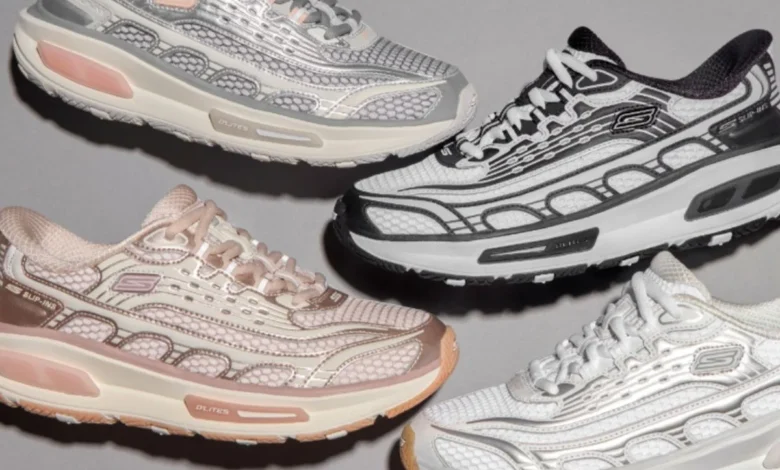
The global footwear industry has long been dominated by high-performance athletic giants such as Nike, Adidas, Asics, and Hoka. For decades, consumers seeking trendy street styles or high-mileage running shoes have gravitated toward these traditional athletic powerhouses. However, a quiet revolution has been taking place on pavement, inside theme parks, and across workplaces worldwide. Consumers are increasingly prioritizing podiatric health and undeniable all-day comfort over brand prestige alone. At the center of this paradigm shift is Skechers, a brand that has historically faced skepticism regarding its fashion credibility but is now winning over critics through sheer functional superiority.
Recent anecdotal evidence, highlighted by grueling real-world endurance tests—such as surviving over 10,000 steps and eight hours at dense theme parks like Disney World—demonstrates that modern Skechers footwear rivals or even surpasses more expensive competitors in joint protection and blister prevention. When traditional lifestyle sneakers, such as the New Balance 574, leave wearers with days of lingering foot soreness, alternative ergonomic designs are stepping into the spotlight. Backed by innovative supportive features, lightweight constructions, and accessible price points under $100, Skechers has moved past its early reputation as a purely utilitarian choice. Today, the brand offers a diverse portfolio that bridges the gap between ergonomic necessity and contemporary aesthetics, proving that it is time for consumers to reconsider the brand entirely.
The Anatomy of Modern Footwear Comfort
To understand why brands like Skechers are gaining unexpected traction against high-end competitors, one must examine the biomechanical demands placed on the human foot during prolonged standing and walking. The average adult takes between 4,000 and 10,000 steps per day, a number that easily doubles during travel, tourism, or retail shifts. Without proper shock absorption and arch support, this repetitive impact sends kinetic shockwaves through the ankles, knees, lower back, and hips.
Skechers has invested heavily in proprietary comfort technologies designed to mitigate these exact physiological strains. Key engineering elements found across their modern lineup include:
- Cooling Memory Foam and Yoga Mat-Inspired Insoles: These materials contour dynamically to the unique shape of the wearer’s foot, distributing weight evenly and reducing localized pressure points beneath the sole.
- Shock-Absorbing Midsoles: Utilizing high-rebound foams and responsive compounds, these midsoles cushion the heel strike and propel the foot forward during toe-off, reducing overall muscular fatigue.
- Targeted Arch Support: Many models feature podiatrist-certified arch structures, often validated by the American Podiatric Medical Association (APMA) Seal of Acceptance, which helps prevent overpronation and plantar fasciitis flare-ups.
- Hands-Free Slip-Ins Technology: Incorporating rigid heel counters and specialized internal "Heel Pillows," these designs allow wearers to step directly into the shoe without bending down or using a shoehorn, while still locking the heel securely in place to prevent slipping or friction blisters.
By integrating these features into lightweight mesh and vegan-friendly uppers, the brand has successfully addressed the traditional trade-off between supportive orthotic footwear and lightweight daily wear.
Chronology and Evolution: From Novelty to Mainstream Contender
Founded in 1992 by Robert Greenberg and his son Michael, Skechers initially carved out a niche in the footwear market by producing utility boots and skate-style sneakers aimed at the youth demographic. Throughout the late 1990s and 2000s, the company gained massive cultural visibility through aggressive marketing campaigns, celebrity endorsements, and iconic retro silhouettes like the chunky D’Lites line.
However, as athletic aesthetics shifted toward sleek, minimalist running shoes and high-tech performance gear, Skechers faced an uphill battle for fashion legitimacy among younger, trend-conscious demographics. While the brand maintained a fiercely loyal consumer base among older adults, nurses, hospitality workers, and travelers who valued comfort above all else, it was frequently overlooked by mainstream fashion critics.
The turning point began in the mid-2010s and accelerated into the 2020s, as the broader fashion industry underwent a massive cultural shift toward "normcore," gorpcore, and comfort-first apparel. Post-pandemic consumer habits permanently altered footwear expectations: rigid dress shoes and stiff lifestyle sneakers were largely abandoned in favor of footwear that could seamlessly transition from working from home to running errands, walking dogs, and traveling.
Capitalizing on this behavioral shift, Skechers began modernizing its catalog. The introduction of the Hands-Free Slip-Ins technology in the early 2020s proved to be a watershed moment. By solving a fundamental everyday friction point—the act of putting on shoes—the brand captured a massive demographic of busy parents, frequent travelers, and individuals with mobility constraints. Simultaneously, the company began collaborating with fashion designers, reviving archival retro-chunky profiles, and introducing elevated materials like premium suedes and metallic accents. This dual approach allowed Skechers to retain its core demographic of comfort-seekers while capturing a new generation of trend-conscious buyers looking for affordable alternatives to pricey boutique sneaker brands.
Market Implications and Competitive Analysis
The resurgence of comfort-driven brands like Skechers has significant implications for the broader footwear industry. For decades, traditional athletic giants commanded high profit margins by marketing status, elite athletic sponsorships, and hyper-specialized performance metrics. However, consumer spending habits have grown increasingly pragmatic. With inflation impacting household budgets across North America and Europe, shoppers are demanding higher value propositions—specifically, durable, podiatrist-approved comfort at price points well below the $150 to $200 threshold currently standard for top-tier running and lifestyle brands.
Industry analysts note that Skechers’ ability to deliver advanced cushioning systems—such as their Max Cushioning and Arch Fit lines—at sub-$100 price points puts immense pressure on legacy competitors. Brands that rely solely on brand heritage or superficial styling are finding it harder to justify premium pricing when consumers experience superior ergonomic recovery in more affordable alternatives after grueling physical activity, such as a full day at a theme park or a 12-hour nursing shift.
Furthermore, the rise of specialized comfort technology has forced a convergence between athletic performance gear and casual daily footwear. Consumers no longer wish to carry multiple pairs of shoes for different activities. A modern commuter or traveler requires a single pair of sneakers that offers the shock-absorption of a running shoe, the breathability of athletic mesh, the stability of an orthotic insert, and the clean aesthetic of a lifestyle sneaker.

Spotlight on Top Supportive Skechers Styles
For consumers ready to explore the brand’s current offerings, the modern catalog spans several distinct categories tailored to specific lifestyle and ergonomic needs:
1. Everyday Walking: Skechers Slip-ins: GO WALK Now
Designed for high-mileage daily ambulation, these slip-ons utilize flexible, yoga mat-inspired cushioning that adapts to the natural flexion of the foot. The responsive insole minimizes joint pressure during extended walking sessions, while the integrated Heel Pillow secures the foot without chafing.
2. Athletic-Inspired Daily Wear: Skechers Slip-ins: Skech-Gel
Positioned as an accessible alternative to high-end gel-cushioned trainers, this model pairs a convenient hands-free entry system with visible midsole gel cushioning, mesh side panels, and modern metallic accents, making it ideal for urban exploration and casual commuting.
3. Trend-Forward Heritage: Hotshot Varsity Crew Sneaker
Proving that comfort and fashion are not mutually exclusive, this silhouette taps into current vintage footwear trends. Crafted with premium chocolate brown suede and cream accents, it houses a plush, breathable memory foam insole that delivers all-day comfort without sacrificing streetwear credibility.
4. High-Performance Running: GO RUN Consistent Pro
Engineered for runners and high-impact walkers, this sub-$100 shoe features high-rebound yet lightweight cushioning designed to facilitate a smooth, energetic heel-to-toe transition. An aggressive rubber outsole provides reliable traction across varying outdoor surfaces.
5. Retro Revival: Skechers Slip-ins: Arch Fit D’Lites 330
A modern evolution of the iconic 2000s-era chunky sneaker, this model blends nostalgic sport-chic styling with modern podiatrist-certified arch support, offering a stable and cushioned ride for those who favor a bolder aesthetic.
6. Lifestyle Suede: Skechers Slip-ins: Hotshot HI
Featuring a chunky rubber sole profile, these suede sneakers combine everyday streetwear versatility with advanced cooling memory foam insoles, providing superior impact dampening for urban environments.
7. Sustainable Cushioning: Skechers Slip-ins: Max Cushioning Elite 3
Built for maximum underfoot protection, this vegan lace-up sneaker utilizes a breathable mesh upper paired with an extra-thick, responsive midsole. The resulting springy cushioning absorbs heavy impacts, making it an exceptional choice for individuals who spend prolonged hours standing on hard surfaces.
8. Medical-Grade Stability: Skechers Slip-ins: Max Cushioning Arch Fit 2.0
Bearing the prestigious APMA Seal of Acceptance, this model combines maximum cushioning with stabilizing rocker technology. It is specifically recommended for individuals requiring structural arch alignment, superior shock absorption, and secure gait control.
9. Dynamic Flexibility: Skechers Slip-ins: Glide-Step Pro
Featuring geometric midsole articulation designed to promote natural foot momentum, this stretch-laced design combines effortless hands-free entry with a lightweight mesh upper and synthetic overlays for targeted structural support.
Broader Impact and Future Outlook
As the footwear market continues to evolve, the boundary between "orthopedic comfort" and "youth fashion" is dissolving. Consumers are no longer willing to sacrifice their physical well-being for the sake of aesthetics, nor are they content to pay exorbitant markups for branding alone when functional alternatives exist.
The sustained success of Skechers underscores a fundamental truth of modern consumer behavior: utility, accessibility, and ergonomic innovation will ultimately win out over mere perception. Whether navigating the concrete expanse of a major theme park, standing through a grueling double shift, or simply seeking reliable daily footwear, the modern consumer is finding that looking after one’s feet does not require breaking the bank—or sacrificing style. For those who have spent years dismissing the brand, the current generation of footwear offers undeniable proof that it is time to put aside preconceptions and embrace the science of comfort.