Holafly Launches Global eSIM Subscription Plans Aimed at Long-Term Travelers and Digital Nomads

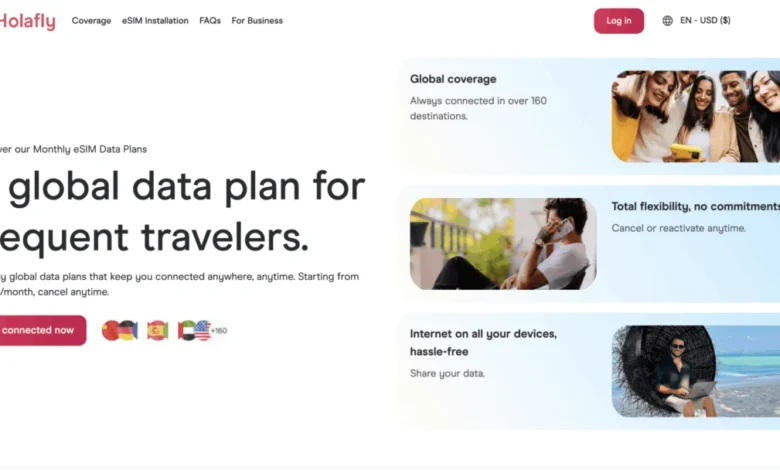
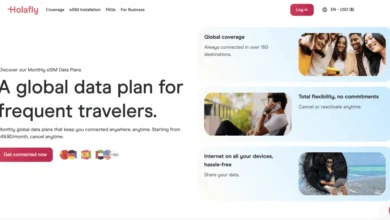
The landscape of international telecommunications is undergoing a significant shift as travel technology companies introduce subscription-based models designed to replace traditional roaming packages and physical SIM cards. Holafly, a prominent player in the digital subscriber identity module (eSIM) market, has announced the rollout of "Holafly Plans," an ongoing global subscription service covering more than 160 destinations. This development marks a departure from traditional single-trip, country-specific data packages, pointing toward a broader industry trend of seamless, borderless connectivity for frequent travelers.
Background and Evolution of eSIM Technology
The telecommunications industry has steadily moved away from physical plastic subscriber identity modules toward embedded SIM (eSIM) architecture over the past several years. Built directly into the hardware of modern smartphones, tablets, and laptops, an eSIM functions entirely via software. Users activate mobile network profiles remotely by scanning a quick response (QR) code or installing credentials through a dedicated application.
This digital transition has eliminated the historical friction of international travel: purchasing physical nano-SIM cards at airport kiosks, swapping tiny chips with a specialized tool, and running the risk of losing home carrier cards. Furthermore, modern smartphones can store multiple eSIM profiles concurrently, allowing consumers to maintain a domestic number for incoming banking verification or essential messages while utilizing local or regional data profiles abroad.
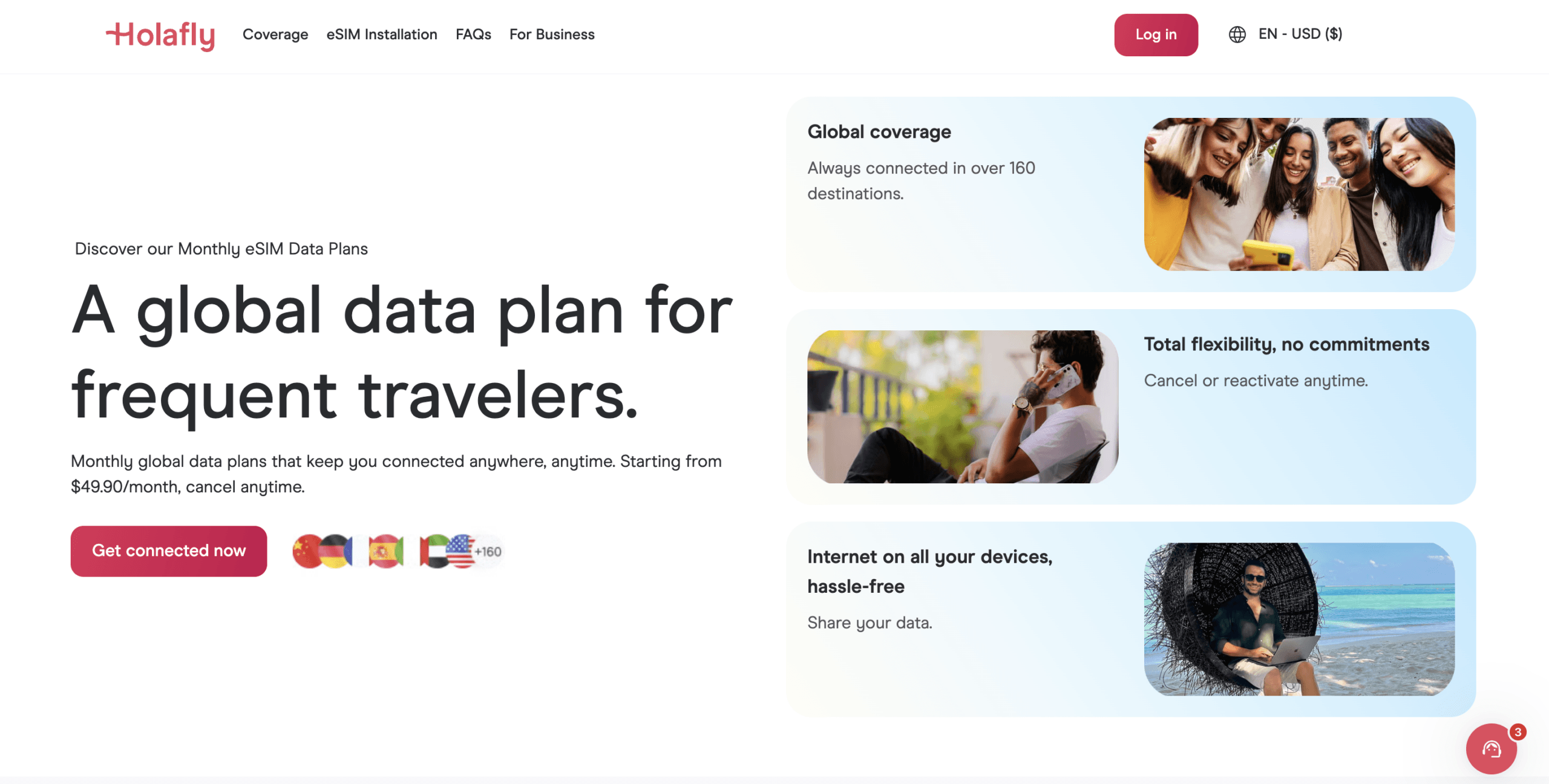
Historically, travel data providers have structured their offerings around discrete trips. Consumers typically purchased a fixed volume of gigabytes valid for a predetermined number of days—ranging from 5 to 90 days—tied to a single country or a specific regional block. While effective for standard vacations, this transactional model created administrative hurdles for digital nomads, frequent business flyers, and long-term backpackers who cross international borders multiple times a month. Each border crossing often necessitated acquiring a new data package, reinstalling profiles, or managing separate regional plans.
Structure and Tiers of Holafly Plans

The newly introduced Holafly Plans address these logistical challenges by consolidating global connectivity into a single, continuous subscription. Rather than purchasing individual data blocks for separate territories, subscribers enroll in a monthly, quarterly, or annual billing cycle that functions continuously across more than 160 countries.
The service is structured into two primary tiers: the Light Plan and the Unlimited Plan.
The Light Plan provides a monthly allotment of 25 gigabytes of high-speed data, paired with mobile hotspot capabilities to tether secondary devices such as laptops and tablets. This tier is marketed primarily toward travelers whose usage centers on navigation, messaging applications, web browsing, and intermittent media consumption.
The Unlimited Plan removes data caps entirely and includes an unthrottled mobile hotspot allowance. This tier is specifically tailored for remote workers, content creators, and heavy data consumers who require continuous high-bandwidth connectivity for video conferencing, large file transfers, and cloud computing. Additionally, the Unlimited tier incorporates a local phone number originating from the United States, United Kingdom, or Canada, enabling subscribers to receive standard SMS text messages globally—a critical feature for multi-factor authentication systems tied to financial institutions and digital platforms.
Both tiers include a feature designated as "Always On," which provides a baseline of 1 gigabyte of backup data monthly across covered destinations. This backup allocation remains active even if the consumer temporarily suspends or cancels their primary subscription.
Comparative Economic Analysis
For years, travelers seeking continuous multi-country connectivity faced a stark financial dilemma: absorb exorbitant international roaming fees levied by domestic Tier-1 carriers or engage in the friction-heavy process of purchasing individual local SIM cards or regional eSIMs upon every destination change.
Major telecommunications providers in North America and Europe typically price daily international roaming passes between $10 and $12 per day. For a traveler abroad for an entire month, these daily fees can accumulate to $300 to $360 monthly, often accompanied by strict data throttling thresholds once a daily or monthly gigabyte limit is reached.
Conversely, regional eSIM providers generally charge between $30 and $60 for localized packages ranging from 5GB to 20GB, which must be constantly monitored and repurchased.
Under the new subscription model, annual or quarterly commitments reduce the effective monthly cost significantly. For instance, the Unlimited Plan under an annual billing structure is priced at approximately $55 per month, undercutting traditional domestic carrier international add-ons by a substantial margin while eliminating usage caps and overage penalties. Shorter monthly billing cycles carry slightly higher rates, while quarterly commitments offer moderate discounts.
Industry Implications and Market Competition
The introduction of multi-destination subscription eSIMs highlights increasing competition within the travel tech sector. As remote work policies expand globally and international travel rebounds to pre-pandemic volumes, companies are vying to capture the lucrative digital nomad demographic.
Competitors in the eSIM space, such as Airalo, Ubigi, and Nomad, have historically focused on prepaid, regional data bundles. By introducing a continuous subscription that bridges domestic carrier reliability with prepaid flexibility, Holafly is positioning its product closer to traditional mobile virtual network operator (MVNO) models rather than transient travel utilities.
Industry analysts note that while traditional carriers retain advantages in voice calling infrastructure and domestic network integration, data-centric consumers increasingly prioritize cost-efficiency and flexibility over native voice minutes. The integration of virtual phone numbers for SMS reception within data-only eSIM plans represents a direct challenge to legacy roaming architectures.
Consumer Considerations and Limitations
Despite the operational advantages of a unified global subscription, industry observers emphasize that these plans are not universally optimal for all consumer segments.
For short-term tourists taking a single vacation lasting one to two weeks, traditional destination-specific prepaid eSIMs remain the most cost-effective solution. Purchasing a multi-month global subscription for a brief holiday would result in unnecessary ongoing expenses compared to a one-off, localized data package.
Furthermore, operational considerations such as device compatibility remain a factor. While nearly all flagship smartphones manufactured within the last four to five years support eSIM technology, older device models and certain regional variants (particularly devices manufactured for specific Asian markets utilizing physical dual-SIM trays) may lack eSIM functionality entirely. Consumers must verify device unlock status and hardware compatibility prior to subscription enrollment.
Outlook and Future Trajectory
As mobile network operators expand their 5G footprint globally through roaming agreements, the reliability and speed of travel eSIMs continue to mirror domestic network performance. The expansion into subscription-based models signals an evolution in how consumers consume mobile data internationally, transitioning from an episodic utility purchased per trip to an ongoing utility managed much like streaming services or cloud storage.
Market reception to Holafly Plans will likely influence broader adoption across the telecommunications sector, potentially prompting legacy carriers to restructure their international roaming pricing models to remain competitive against agile, software-driven alternatives.
Related posts: