Black Friday and Cyber Monday 2026 Live Blog: The Best Deals on Apple Devices, TVs, Fitness Tech, and More

The Evolution of the Black Friday Sales Cycle
The phenomenon of Black Friday has undergone a significant transformation since the early 2000s. Originally characterized by limited-time, doorbuster-style events occurring strictly on the Friday following Thanksgiving, the event has expanded into a sprawling retail season. By 2026, the term "Black Friday" functions less as a specific date and more as a sustained campaign period spanning most of November.
Retail analytics firms have observed that this year, merchants moved to decouple their sales from the traditional calendar to avoid supply chain bottlenecks and to capture consumer interest before the holiday peak. By launching "early access" events as early as the first week of November, major retailers have effectively extended the shopping season. This strategy serves to smooth out logistics demands and allows e-commerce platforms to manage server traffic more efficiently. Consequently, consumers are now seeing price stabilization earlier in the month, with the current week serving as the "price floor" for many high-demand electronics.
Chronology of 2026 Holiday Promotions
The trajectory of this year’s sales can be broken down into three distinct phases:
- Early November Pre-Launch (Nov 1–Nov 10): Retailers began teasing "holiday-ready" pricing. During this phase, focus remained on legacy inventory and entry-level home goods.
- The Mid-Month Expansion (Nov 11–Nov 20): Major big-box retailers initiated aggressive price-matching policies to compete with global e-commerce giants. This period saw the first significant drops in television and laptop pricing.
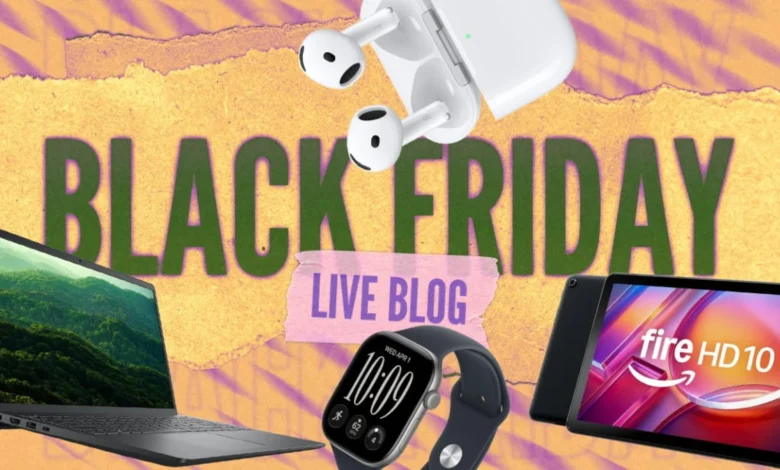
- The Black Friday Peak (Nov 21–Present): We are currently in the final acceleration phase. This period is defined by "lightning deals" on premium hardware, such as the recent $149 pricing for the AirPods Pro 3—a notable $100 discount from the standard MSRP.
Market analysts suggest that this structure is designed to induce "fear of missing out" (FOMO) while simultaneously ensuring that consumers who shop early do not feel penalized by later, deeper discounts.
Supporting Data and Market Trends
Industry reports from retail intelligence providers indicate that average discount depths for consumer electronics this year are hovering between 22% and 35%, a marked increase from the 18% average seen in 2025. This surge is largely attributed to higher inventory levels across the tech sector following a year of increased manufacturing output.
Specifically, the audio category has seen the most volatility. The move to lower price points for premium true-wireless earbuds and noise-canceling headphones suggests that manufacturers are clearing shelf space for 2027 product iterations. Similarly, the smart television market has seen a saturation point; prices for 65-inch 4K OLED models have reached historic lows, with some retailers bundling these displays with streaming subscriptions or extended warranties to maintain perceived value without further eroding profit margins.
Industry Perspectives and Retailer Strategy
From a corporate perspective, the 2026 strategy is centered on "omnichannel dominance." Retailers are heavily incentivizing the "buy online, pick up in-store" (BOPIS) model, which reduces shipping costs and drives foot traffic into physical locations.

"The goal this year is not just volume; it is frequency," notes a retail consultant familiar with large-scale inventory management. "Retailers are utilizing dynamic pricing algorithms that adjust in real-time based on competitor activity, web traffic volume, and remaining stock levels. If a product isn’t moving, the algorithm adjusts the price downward incrementally until it hits a target sell-through rate."
This shift explains why consumers may see prices fluctuate by several dollars over a 24-hour period. For the average buyer, the advice remains consistent: if a product is priced at or below the 20% discount threshold for a premium item, it is generally considered a "buy" price, as further drops are often marginal or restricted to refurbished units.
Implications for the Consumer
The saturation of the market with these aggressive deals has profound implications for consumer behavior and long-term tech ownership. Firstly, the "wait for the deal" mentality has become institutionalized. Consumers are increasingly conditioned to delay discretionary purchases until these specific seasonal windows, which creates significant spikes and troughs in manufacturer revenue.
Secondly, the prevalence of these discounts forces a shorter product lifecycle. As hardware becomes more affordable, the incentive to repair or upgrade components diminishes, potentially increasing the rate of electronic waste. Environmental advocates have noted that while these sales are beneficial for household budgets, they exacerbate the consumption of disposable tech, urging consumers to consider the longevity of their purchases rather than focusing solely on the immediate discount.
Navigating the Current Landscape
For those actively monitoring the market, the primary challenge is sorting through the noise. With thousands of products marked as "on sale," the distinction between a genuine discount and a strategic price adjustment is vital.
- Price History Tracking: Utilizing browser extensions that track the historical price of an item is essential. A "50% off" sticker is often based on the manufacturer’s suggested retail price (MSRP), which may not reflect the actual street price over the previous six months.
- Platform Reliability: Stick to reputable retailers that offer transparent return policies and warranty support. Third-party marketplaces often present risks regarding counterfeit goods, particularly with popular audio accessories and wearable tech.
- Real-Time Monitoring: Because inventory is dynamic, tracking via live blogs or curated deal lists—such as those maintained by technical reviewers—remains the most effective way to identify when a specific product reaches its lowest possible price point.
Broader Economic Context
The 2026 holiday shopping season is occurring against a backdrop of complex economic indicators. While inflation has stabilized compared to previous years, consumer sentiment remains cautious. Retailers are aware of this, leading to a "value-first" approach in their marketing. By highlighting deep discounts on essential tech—such as home office equipment, communication devices, and home security systems—retailers are aligning their sales pitches with the practical needs of the modern household.
Furthermore, the integration of AI-driven customer service tools has allowed retailers to handle the massive influx of inquiries regarding order status and return policies with unprecedented speed. This technological infrastructure supports the massive volume of transactions that characterize this week.
Conclusion
As the Black Friday period continues to unfold, the consensus among market analysts is that the quality of deals will remain high through the end of the week. However, the most desirable inventory—specifically in the gaming and flagship smartphone categories—will likely face depletion. The 2026 shopping season serves as a case study in how modern retail has successfully gamified the consumer experience, turning what was once a single day of commerce into a sophisticated, month-long strategic endeavor. For the informed consumer, the current market offers significant opportunities to acquire technology at lower costs than ever before, provided they remain diligent, track price histories, and prioritize quality over impulsive acquisition. As we look toward the final days of these sales, the focus will inevitably shift toward inventory liquidation, which may bring a final, brief flurry of "clearance" pricing for those who have the patience to wait until the very end of the cycle.